The Evolution of Indonesia’s Crypto Landscape: Why Derivatives are the Next Frontier
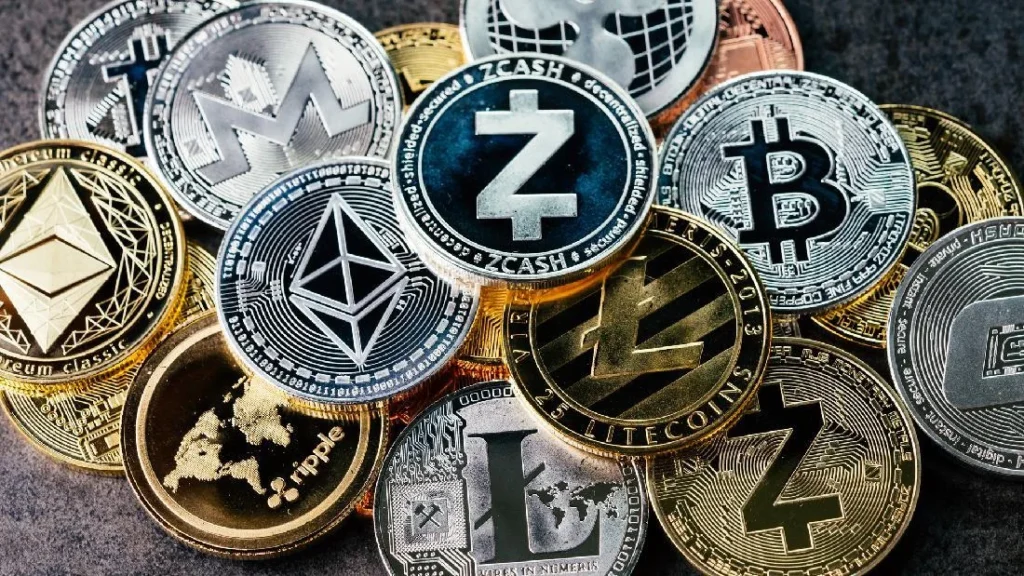
Jakarta – The Indonesian digital asset ecosystem is standing at a critical juncture. As the nation’s crypto-asset investor base swells to over 22 million individuals, industry players are shifting their focus from traditional spot trading toward more sophisticated financial instruments. According to recent insights from digital asset exchange Bittime, the domestic market for crypto derivatives—specifically perpetual futures—represents a massive, untapped frontier with the potential to redefine how Indonesians interact with digital finance.
The Global Context: A Multi-Trillion Dollar Phenomenon
The interest in derivatives is not merely a local trend; it is a global shift in financial behavior. Data from Britannica highlights the sheer scale of the global crypto derivatives market, noting that the volume of perpetual futures trading exceeded US$187 billion (approximately IDR 3,357 trillion at an exchange rate of IDR 17,954) per day as of 2025.
Perhaps most striking is the ratio between spot and futures trading. In several key periods, futures volume has surged to ten times that of spot trading. This disparity underscores a fundamental reality: as markets mature, investors increasingly seek tools that offer leverage, hedging capabilities, and the ability to profit from market volatility rather than simple long-term holding.
Current State of the Indonesian Crypto Market
While the global stage is dominated by derivatives, Indonesia remains a market in transition. According to data provided by the Financial Services Authority (OJK), the value of crypto-asset transactions in Indonesia reached IDR 23.01 trillion in May 2026. Currently, this volume is overwhelmingly dominated by spot trading—the straightforward buying and selling of assets.
However, industry experts view this dominance of spot trading as evidence of a "nascent" market rather than a lack of interest. The consensus is that as the domestic investor base becomes more sophisticated, the demand for derivatives will naturally follow.
"We see the Indonesian futures market as being in its early stages, yet it possesses significant room for expansion," said Ryan Lymn, Chief Operating Officer of Bittime, in a statement on Friday (July 24, 2026). "As market participants’ understanding deepens, futures are poised to become an increasingly vital component of the national digital asset trading ecosystem."
Chronology of Market Maturity: From Speculation to Strategy
The trajectory of the Indonesian crypto market can be viewed through a three-phase lens:
- The Early Adoption Phase (2020–2023): Characterized by high-growth, retail-driven interest in Bitcoin and major altcoins. The focus was primarily on "buy and hold" strategies, with limited awareness of advanced trading tools.
- The Regulatory and Educational Phase (2024–2025): The government and major exchanges began pushing for greater literacy. With 22 million users, the need for robust risk management and diversified product offerings became paramount.
- The Derivatives Expansion Phase (2026–Present): The current period, where exchanges like Bittime are introducing futures to cater to a demographic that is increasingly looking for flexibility in both bull and bear markets.
Supporting Data: Understanding the Bittime User Profile
The introduction of futures products has yielded interesting insights into the behavior of the Indonesian trader. Bittime’s internal data during its beta testing phase reveals a democratization of high-level trading tools.
While the platform hosts professional-grade traders handling millions of dollars in transactions, it has also observed a significant segment of users with relatively small capital—often under US$500—who have successfully generated trading volumes in the tens of thousands of dollars. This indicates that leverage, when used correctly, allows smaller investors to participate in markets that were previously accessible only to high-net-worth individuals or institutional players.
The assets currently driving this activity reflect a mix of established blue-chip tokens and trending speculative assets:
- BTC/USDT and ETH/USDT: Providing the backbone of stability for conservative traders.
- PUMP/USDT, HYPE/USDT, and PEPE/USDT: Capturing the high-volatility, high-reward interest of retail traders.
Official Responses and the Need for Caution
Despite the enthusiasm, industry leaders are careful to pair their optimism with stern warnings regarding risk. Ryan Lymn of Bittime emphasizes that the outcomes of individual traders are not indicative of universal success.
"Futures inherently carry high risk," Lymn explained. "The use of leverage can significantly amplify potential gains, but it can just as easily magnify losses. Traders must recognize that they are not just betting on the direction of an asset, but also managing the complexities of margin and liquidation thresholds."
This sentiment is echoed by financial regulators who stress that literacy must precede participation. The growth of the derivatives market is contingent upon a healthy, informed user base. As such, educational initiatives are being prioritized by exchanges to ensure that traders understand the mechanics of long and short positions before they enter the futures market.
The Strategic Advantage of Futures
What sets derivatives apart from spot trading is the "flexibility of strategy." In a spot-only market, investors are tethered to the belief that the price of an asset must rise for them to make a profit. If the market corrects or enters a prolonged downtrend, spot traders are often forced to sell at a loss or wait for an indefinite recovery.
Futures, however, introduce a two-way street. Traders can take long positions (expecting the price to rise) or short positions (expecting the price to fall). This allows for:
- Hedging: Investors holding assets in spot can open short positions in futures to protect their portfolios against price drops.
- Market Agnostic Returns: Traders can derive value from market volatility regardless of the direction of the trend, provided their analysis is accurate.
"Futures provide space for traders to apply strategies based on market conditions, whether the price is moving up or down," Lymn noted. "However, this opportunity must be balanced with a deep understanding of the product and rigorous risk management."
Implications for the Future of Indonesian Digital Finance
The maturation of the Indonesian crypto market toward derivatives has several profound implications:
1. Market Liquidity and Efficiency
As derivatives markets grow, they contribute to the overall liquidity of the digital asset ecosystem. Deep order books allow for smoother price discovery, reducing the "slippage" that often plagues less liquid markets.
2. Institutional Readiness
The presence of a robust futures market is often a prerequisite for institutional investors. By developing a transparent and well-regulated derivatives environment, Indonesia is positioning itself to attract larger-scale participants who require sophisticated hedging tools to enter the space.
3. The Need for Regulatory Oversight
As the OJK continues to monitor the growth of these platforms, the dialogue between the government and private exchanges will become increasingly critical. Balancing innovation with consumer protection remains the primary challenge. The objective is to create a "healthy and sustainable" market where growth is not built on unsustainable speculation but on informed, strategic trading.
4. Economic Impact
With millions of users and billions of rupiah in transaction volume, the digital asset sector is becoming a non-negligible part of the Indonesian economy. The shift toward derivatives represents a move toward professionalization, which could potentially translate into higher tax revenues and a more competitive fintech sector within the ASEAN region.
Conclusion: The Path Ahead
The rise of crypto derivatives in Indonesia is an inevitable evolution of a growing digital economy. While the path from spot trading to futures involves significant learning curves and inherent risks, the potential for individual wealth generation and market efficiency is clear.
For the 22 million Indonesian crypto investors, the transition to derivatives offers a new toolkit to navigate the complexities of the global market. However, as Bittime and other industry leaders suggest, this transition must be navigated with caution. The future of Indonesia’s crypto market lies not in the speed of its growth, but in the quality of its participants. With continued focus on education, responsible leverage, and regulatory cooperation, the Indonesian derivatives market is well-positioned to become a cornerstone of the nation’s digital future.