Beyond the Binary: How K-Pop Idols Are Redefining Modern Masculinity
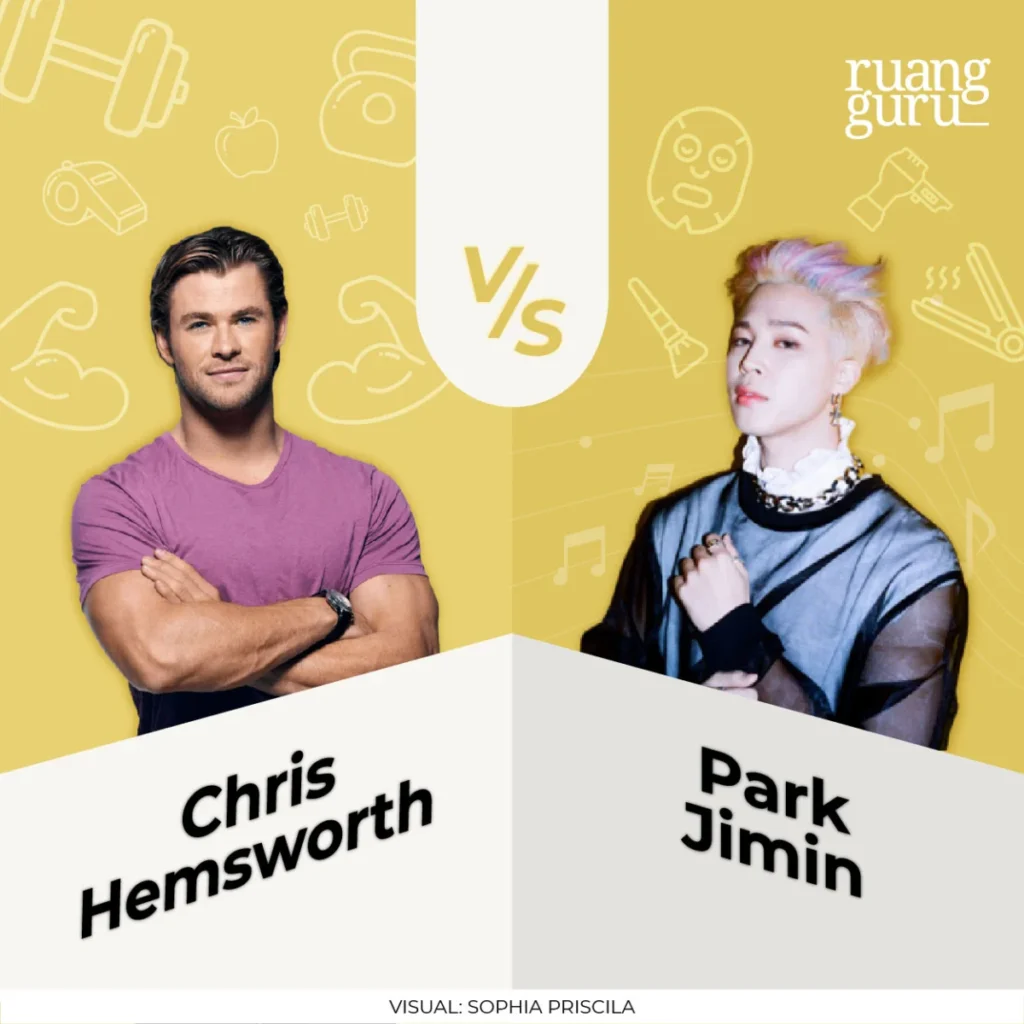
In the vibrant, high-octane world of South Korean pop music, the aesthetic is unmistakable: perfectly sculpted hair, intricate makeup, avant-garde fashion, and choreography that is as graceful as it is athletic. Yet, to many outside the fandom, these stylistic choices have often become a lightning rod for criticism. Critics, often rooted in traditionalist views, frequently label these artists as "too soft" or "unmasculine," clinging to a rigid, often aggressive definition of what it means to be a man.
However, a cultural shift is underway. Through their art, work ethic, and public persona, K-pop idols are systematically dismantling the structures of toxic masculinity. By embracing vulnerability, meticulous self-care, and profound emotional intelligence, they are proving that strength is not merely defined by physical brawn, but by the courage to be authentic.
The Collision of Perspectives: A Cultural Divide
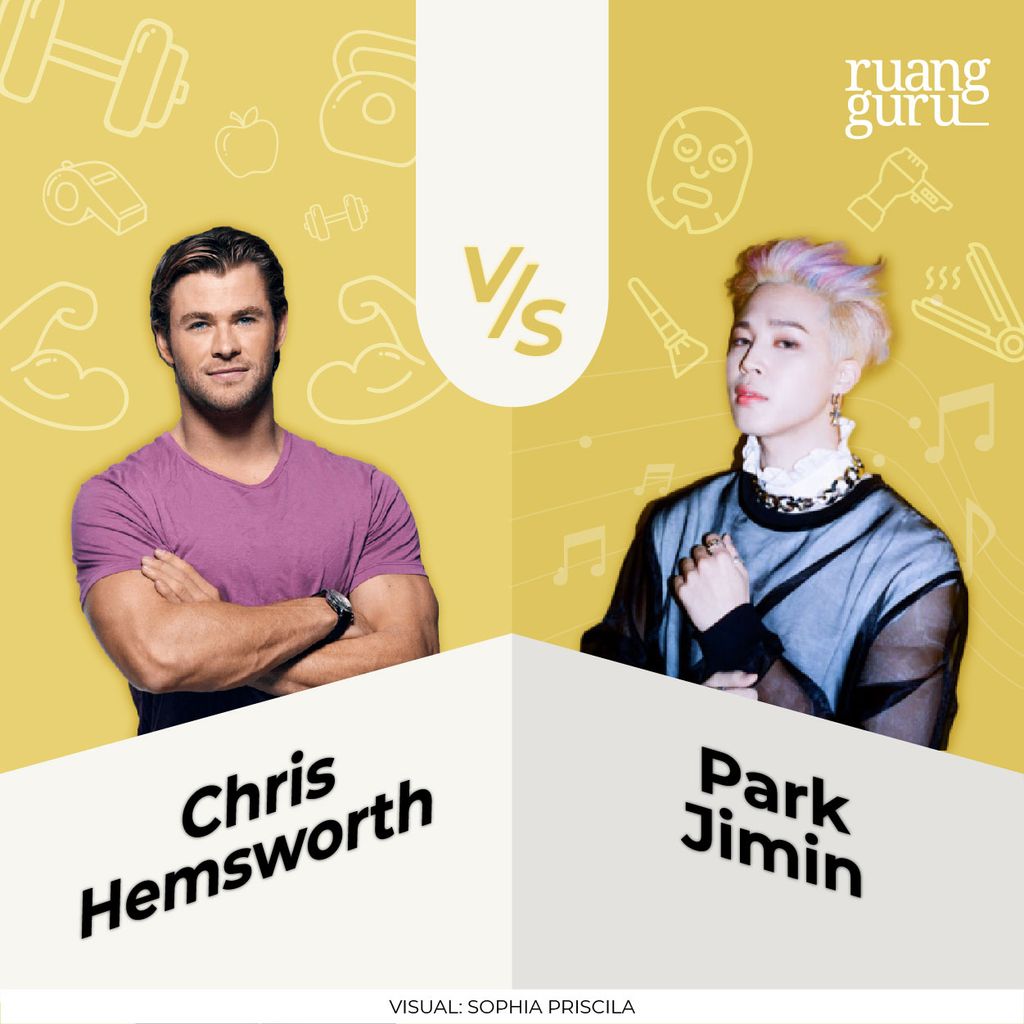
The friction between traditional ideals and contemporary expressions is perhaps best illustrated by a common household scenario. Consider the contrast between a proponent of the "traditional" masculine ideal—who might view activities like boxing or stoicism as the only markers of manhood—and a fan who finds strength in the nuanced performances of groups like BTS or NCT.
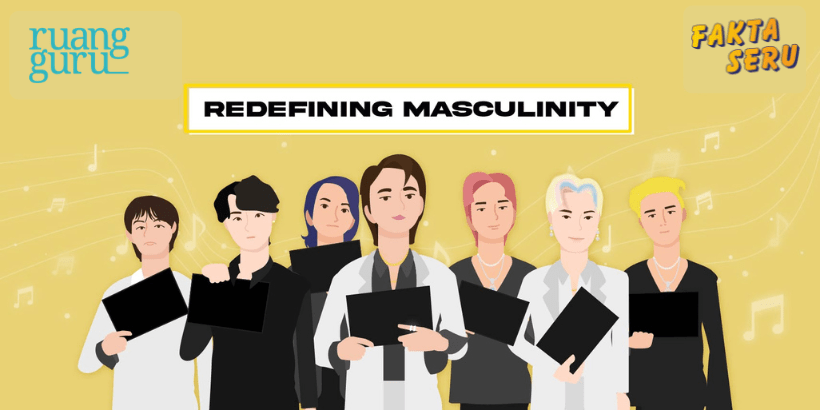
When the former dismisses an idol for wearing makeup or dancing, they are operating under the influence of toxic masculinity—a set of cultural norms that pressures men to be tough, avoid vulnerability, and reject anything perceived as feminine. The latter, however, views these elements as tools of artistic expression. This disconnect is not just a difference of opinion; it is a clash between outdated stereotypes and a more expansive, inclusive definition of identity.
Defining Masculinity: A Fluid Concept
To understand why this friction exists, we must first examine the definition of masculinity itself. According to the Oxford Dictionary, masculinity is characterized by attributes traditionally associated with men. Historically, these attributes have been filtered through patriarchal lenses, equating manhood with aggression, dominance, and a suppression of "softer" emotions.
However, sociologists argue that masculinity is not a static biological fact; it is a social construct. It is relative, shifting across cultures, generations, and contexts. The "macho" ideal, while celebrated in many Western action films—think of the hyper-masculine figures like Thor—is only one sliver of the human experience. When we enforce this narrow standard, we inadvertently foster toxicity. K-pop serves as a counter-narrative, suggesting that one can be both powerful and delicate, both ambitious and empathetic.
The Artistic Rebuttal: Makeup and Fashion as Dedication
Critics often point to the use of cosmetics by male idols as evidence of a "loss of masculinity." Within the K-pop industry, however, makeup is not an attempt to imitate femininity; it is a medium of performance art.
The Aesthetics of Narrative
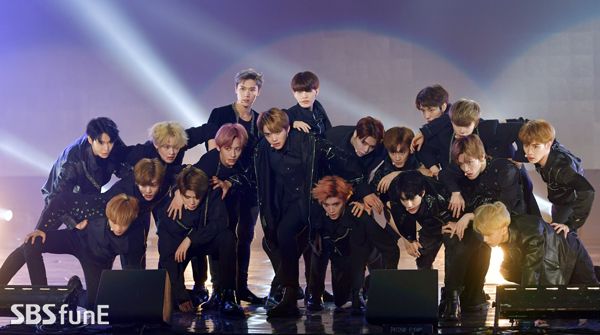
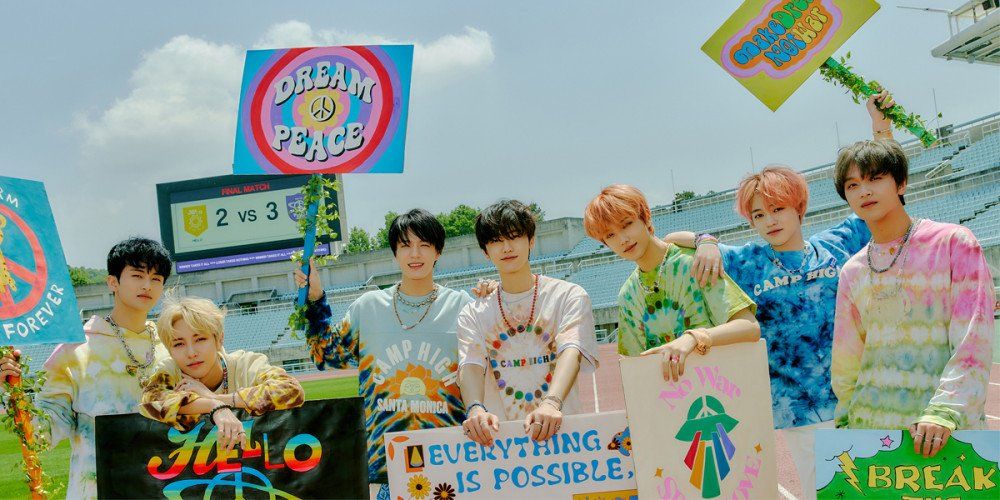
Idols and their creative teams treat stage appearances as a holistic experience. Makeup, hair, and costume are meticulously curated to match the emotional arc and sonic identity of a specific track. When NCT performs "Black on Black," their aesthetic is aggressive, dark, and powerful, reflecting the song’s intense energy. Conversely, when NCT Dream performs "Hello Future," the palette becomes colorful and dreamlike, mirroring themes of hope and youth. This is not a contradiction of manhood; it is the height of professional dedication to one’s craft.
The Virtue of Respect: The Power of the Bow
In K-pop, the "respectful bow" is more than a cultural formality; it is a fundamental pillar of an idol’s professional identity. Whether at an airport or on a prestigious awards stage, idols are rarely seen without acknowledging their fans, staff, and peers with a humble bow.
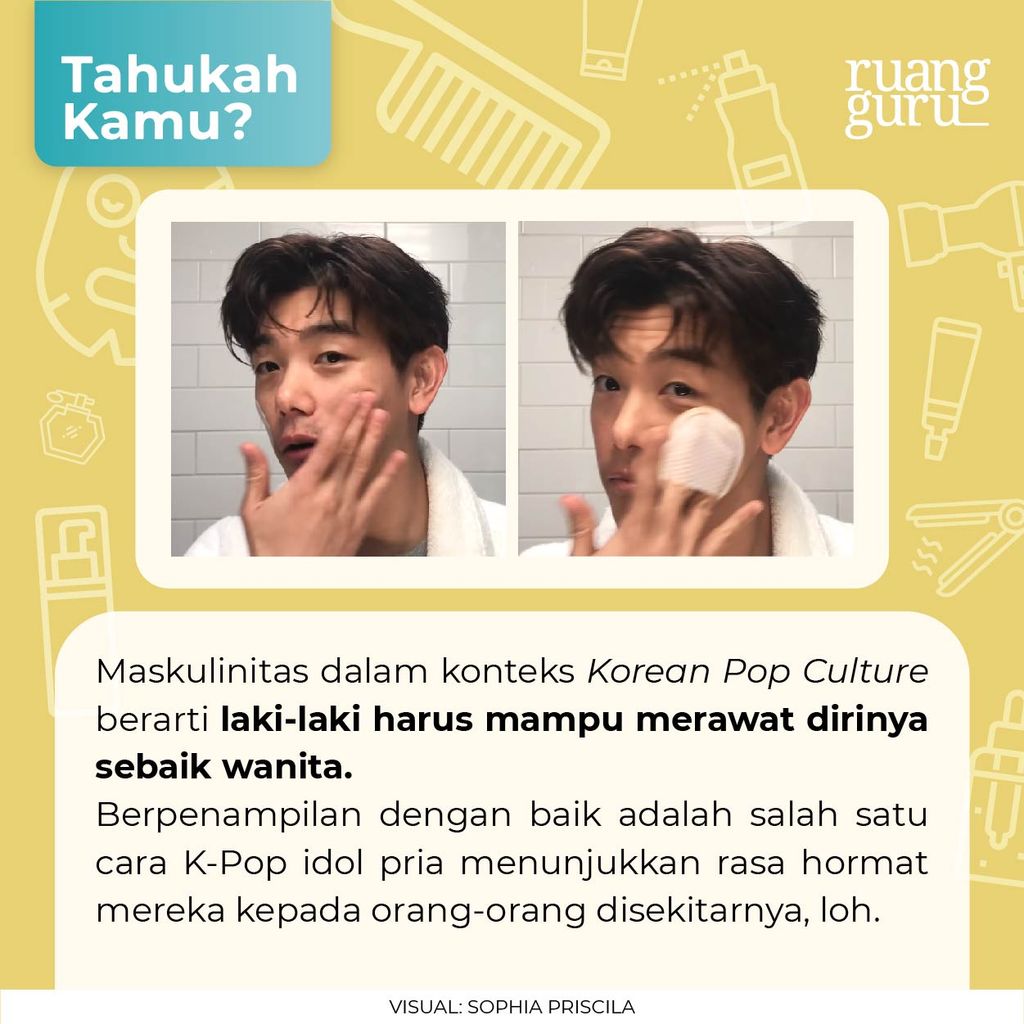
In a society where some equate "manliness" with arrogance or dominance, this display of humility is a radical act. It sends a message that true strength lies in the ability to remain grounded and grateful. If one’s definition of masculinity includes being "tough," then the resilience required to maintain such high levels of professional courtesy under constant public scrutiny is the ultimate display of character.
Work Ethic: The Engine of Global Success
The meteoric rise of K-pop on the global stage, from Billboard chart-topping tracks to sold-out stadium tours, is not a product of luck. It is the result of a grueling, disciplined work ethic that begins during the "trainee" years.
Take, for instance, Kim Taehyung (V) of BTS. Growing up in a modest environment, he pursued his dreams with a tenacity that defies the narrative of the "pampered celebrity." The path to stardom in Korea is paved with years of sacrifice, physical training, and the constant threat of failure. This level of professional rigor—the ability to endure hardship, perfect a skill set, and perform under immense pressure—is a hallmark of maturity. By channeling their ambition into artistic excellence, these men prove that persistence and discipline are the true benchmarks of a successful individual, regardless of gender.
Breaking the Silence: Masculinity and Mental Health
Perhaps the most significant contribution K-pop has made to the conversation on masculinity is the destigmatization of mental health. In many cultures, men are told to "toughen up" when facing internal struggles. This suppression often leads to profound isolation.
Music as a Safe Space
K-pop idols have begun to break this cycle by being vocal about their vulnerabilities. Jin of BTS, for example, released the song "Abyss" to candidly discuss his feelings of burnout and impostor syndrome. By articulating the pressure to maintain a "perfect" public image, he did not project weakness; he projected an immense amount of courage.
When artists write lyrics that address anxiety, loneliness, or the desire for self-love, they provide a lifeline to millions of fans who feel the same way. This shift from "stoic silence" to "vulnerable expression" is a paradigm shift. It teaches listeners that talking about feelings is not a sign of a "weak man," but a sign of a healthy, self-aware human being.
Implications for the Future
The global influence of K-pop is undeniable, and its impact on the cultural discourse surrounding gender roles is just beginning to be fully understood. By consistently challenging the status quo, K-pop idols are encouraging a new generation to rethink their biases.
Moving Beyond the Prejudice
The "Jennies" of the world—those who appreciate the complexity of these artists—are often met with resistance from those who cling to binary definitions of gender. However, the lesson here is one of tolerance and critical thinking. Before questioning an idol’s masculinity, one must ask: Why is my definition of manhood so narrow?
When we move beyond these prejudices, we open the door to a more nuanced understanding of human identity. Whether it is through the bold use of fashion, the humble gesture of a bow, the unyielding work ethic behind a dance move, or the bravery of a lyrical confession, K-pop idols are proving that the future of masculinity is not defined by how one looks, but by how one treats others and how honestly one faces oneself.

As we look toward the future, the influence of these artists serves as a vital reminder: the strongest version of yourself is not the one that conforms to an outdated mold, but the one that has the courage to define itself. It is time to retire the "macho" label and embrace a definition of masculinity that values empathy, integrity, and the freedom to be human.
References and Further Reading:
- Koreaboo (2020): Insights on the humility and professional etiquette of K-pop idols.
- Women’s Republic (2021): Analytical pieces on how male idols combat toxic norms.
- Style Caster (2020): Case studies on Jin of BTS and the intersection of mental health and music.
- Oxford Dictionaries: Definitions and socio-cultural analysis of gendered terminology.
- Industry reports from AllKpop and HelloKpop on the professional standards of the K-pop training system.