Governance and Transparency: The Evolution of the National Nutrition Agency (BGN) Amidst Leadership Transitions
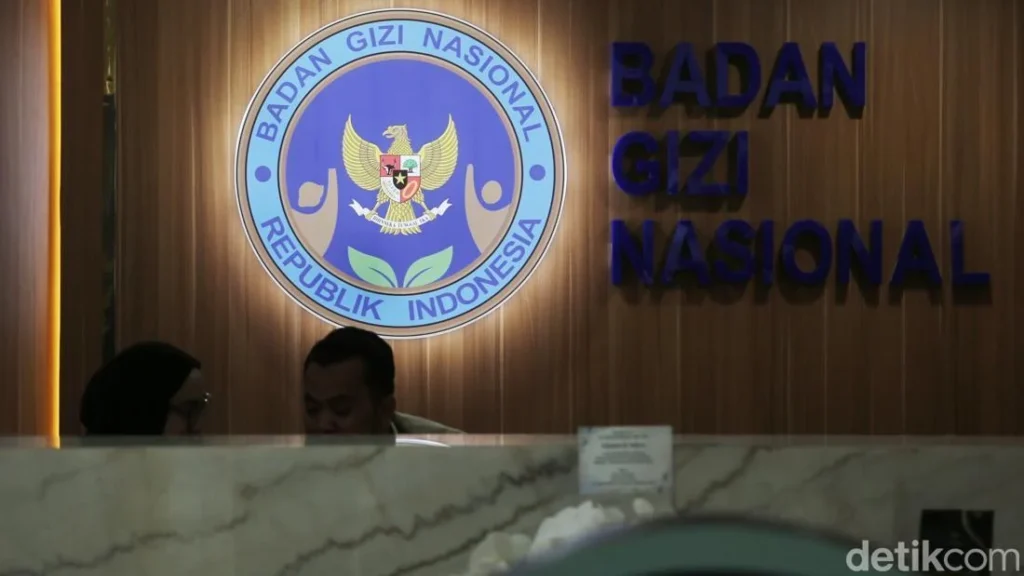
JAKARTA – The landscape of Indonesia’s food security and public health policy is undergoing a significant transformation as the National Nutrition Agency (Badan Gizi Nasional/BGN) navigates a high-profile leadership transition and potential structural reforms. Following the resignation of its inaugural head, Nanik S. Deyang, the agency is now under the stewardship of Sudaryono, who is currently managing the institutional recalibration of the body tasked with one of President Prabowo Subianto’s flagship programs: the school nutrition and free meal initiative.
As the BGN solidifies its role in the national bureaucracy, discourse surrounding the establishment of a formal Dewan Pengawas (Supervisory Board) has taken center stage. This development reflects the government’s broader commitment to transparency in managing a massive budget allocated for human capital development.
1. The Core Facts: A Shift in Command
The recent transition at the helm of the BGN has drawn public interest due to the agency’s critical mandate. On Wednesday, July 22, 2026, Sudaryono formally addressed the media at the BGN headquarters in Central Jakarta, providing clarity on both the leadership change and the prospective oversight mechanisms that may soon govern the agency.
The resignation of Nanik S. Deyang, attributed to health concerns, has served as a catalyst for discussions regarding the agency’s accountability structures. While the BGN is still in its nascent stages of operation, the government is reportedly exploring the implementation of a Supervisory Board to ensure that the distribution of nutritional aid remains transparent, efficient, and free from administrative leakage.
Sudaryono, in his capacity as the new leader, has maintained a posture of openness. He emphasized that the agency’s performance is built on the integrity of its operational protocols, rather than solely on the presence of oversight bodies.
2. Chronology of the Transition
To understand the current state of the BGN, one must look at the timeline of events that have shaped the institution over the past several months:
- Early 2026: The BGN is formally established with a mandate to implement President Prabowo Subianto’s nationwide school meal program, aimed at combating stunting and improving student cognitive performance.
- July 20, 2026: Internal reports indicate that Nanik S. Deyang, the agency’s founding head, begins discussions with the executive branch regarding her resignation due to prolonged health issues.
- July 22, 2026: The transition becomes official. Nanik S. Deyang issues a statement via her official Facebook account, confirming her departure and hinting at a potential new role as the Chair of the future Dewan Pengawas.
- July 22, 2026 (Afternoon): Sudaryono holds a press conference at the BGN Jakarta headquarters. He addresses the vacancy, his new responsibilities, and the rumors regarding the creation of the Supervisory Board.
- Present Day: The BGN continues its operations, focusing on the pilot phases of the national nutrition program while awaiting further directives regarding formal oversight structures.
3. Supporting Data: The Magnitude of BGN’s Mandate
The National Nutrition Agency is not merely a bureaucratic entity; it is the engine room of a multi-trillion rupiah initiative. The complexity of feeding millions of students daily across the Indonesian archipelago requires not only logistical precision but also robust financial oversight.
- Budgetary Scope: The program represents one of the largest social investments in the history of the Republic. Given the scale of procurement—ranging from agricultural produce to logistical distribution—the potential for administrative error or fiscal misappropriation is high, making oversight a primary concern for the Ministry of Finance and the President’s office.
- Public Expectation: With stunting rates remaining a persistent concern for the Indonesian government, the BGN is viewed as a high-stakes agency. The success of the "Free Nutritious Meal" program is a key performance indicator for the current administration.
- Operational Geography: Operating in a nation of over 17,000 islands, the BGN requires a decentralized approach. The proposed Supervisory Board would ostensibly provide a centralized layer of accountability that monitors regional implementations of these programs.
4. Official Responses: Sudaryono’s Stance on Oversight
During the press conference on July 22, Sudaryono projected confidence in the agency’s internal integrity. When pressed on the specifics of the Supervisory Board, he noted that while he had not received official notification regarding the board’s final composition or its exact timeline for formation, he welcomed the prospect.
"We are here to do the right thing. If there is a Supervisory Board, it is, of course, better for the institution," Sudaryono stated.
His philosophy on governance is rooted in the concept of "participatory supervision." He argued that while formal boards are valuable, the most effective watchdog is the public itself. Sudaryono explicitly encouraged media outlets and civil society members to act as informal overseers. By opening the doors to public scrutiny, he aims to create a culture of accountability that permeates all levels of the agency.
"You [the media and the public] are also entitled to be supervisors. If there is anything amiss, you are encouraged to report it. I am opening myself and this agency to such scrutiny," he added.
The Perspective of the Former Head
Nanik S. Deyang’s departure statement added a layer of human complexity to the transition. In her social media post, she acknowledged the physical toll of the leadership role but expressed a willingness to remain involved in the mission of the BGN. She specifically mentioned that President Prabowo had considered her for the role of chairing the Supervisory Board, provided the position did not involve the direct management of funds—a clear nod to her desire to transition away from the high-pressure financial administrative tasks that characterized her tenure as head of the agency.
5. Implications: What Lies Ahead for the BGN?
The establishment of a Supervisory Board, should it come to fruition, would have profound implications for the governance of the National Nutrition Agency.
Enhancing Institutional Legitimacy
A Supervisory Board acts as a firewall against political interference and administrative malpractice. In the context of Indonesia’s reformist agenda, having an external body that reports directly to the President or the relevant parliamentary commission provides a layer of institutional stability that protects the agency’s long-term mission from changing political winds.
Balancing Autonomy and Accountability
The challenge for the BGN in the coming months will be to balance the speed required to execute the national meal program with the caution required for public fund management. If the Supervisory Board is too intrusive, it could lead to "bureaucratic paralysis," where decision-makers fear taking necessary risks. Conversely, if it is too lax, it risks the erosion of public trust.
The Role of Civil Society
Sudaryono’s invitation for public participation suggests a shift in how the BGN intends to interact with the citizenry. By positioning the agency as a transparent entity that welcomes reports of "penyelewengan" (misappropriation), the BGN is signaling a departure from the opaque management styles of the past. This strategy not only serves as a deterrent to corruption but also builds a social contract between the agency and the beneficiaries of its programs.
Long-Term Sustainability
Ultimately, the transition signifies that the BGN is maturing. Moving from a startup-like phase—where energy and speed are the primary drivers—to a mature bureaucratic phase requires the implementation of permanent checks and balances. The discussion around the Dewan Pengawas is a symptom of this maturation.
Conclusion
As the BGN steps into a new chapter under Sudaryono’s leadership, the focus remains firmly on its mission: to nourish the nation’s future. The potential arrival of a Supervisory Board is not a sign of instability, but rather a testament to the agency’s importance.
Whether the board is formed or the agency continues with its current model of public-led oversight, the mandate remains clear. The BGN is tasked with a monumental effort that carries the weight of the nation’s health and human capital development goals. With the transition behind them, the agency’s leadership is signaling that they are ready to move forward, keeping their books open and their mission firmly in sight.
The coming months will be a litmus test for the BGN. If it can successfully navigate the administrative hurdles while maintaining its pace of delivery, it will set a new standard for how government agencies in Indonesia can achieve both efficiency and transparency in the modern era.