Walking Sharks of Raja Ampat: Unveiling the World’s Highest Density Population and the Urgency of Marine Conservation
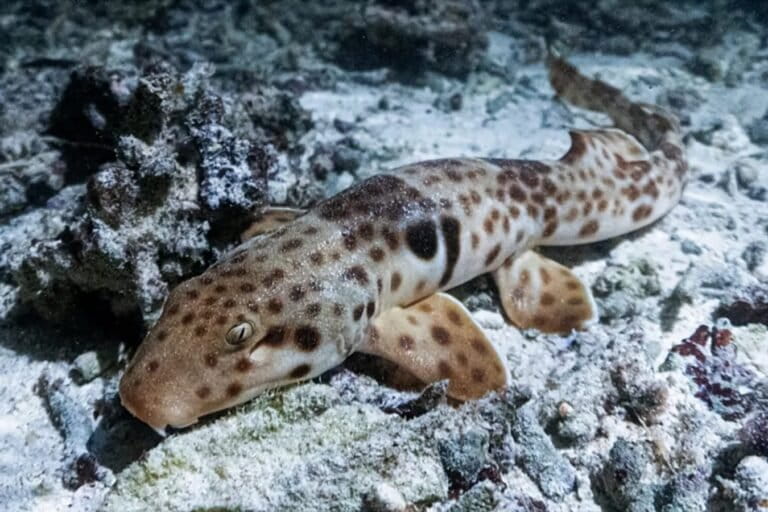
In the turquoise, nutrient-rich waters of Raja Ampat, Indonesia, a unique evolutionary marvel glides across the seabed—not by swimming in the traditional sense, but by "walking" on its pectoral and pelvic fins. The Hemiscyllium freycineti, or the Raja Ampat walking shark, has long captivated marine biologists, but recent scientific breakthroughs have finally quantified just how critical this region is to the species’ survival. A groundbreaking 14-month study has revealed that the waters of the Dampier Strait, particularly around Kampung Sawinggrai on Gam Island, host the highest density of walking sharks ever recorded for the entire Hemiscyllium genus.
Main Facts: A Global Conservation Milestone
The study, published in the international journal Frontiers in Fish Science, provides a robust scientific foundation for what conservationists have long suspected: Raja Ampat is a global stronghold for this charismatic species. Lead Conservation Scientist Edy Setyawan of the Elasmobranch Institute Indonesia announced that the population density in the surveyed area has reached an estimated 2,462 individuals per square kilometer.
"This figure is not only remarkably high, but it represents the highest density ever recorded globally for the Hemiscyllium genus," Setyawan stated in a report released on June 24, 2026.
The research was a collaborative effort involving the Elasmobranch Institute Indonesia, the Regional Public Service Agency (BLUD) for Marine Conservation in Raja Ampat, Konservasi Indonesia, the Arborek community, and the global organization Re:wild. The findings underscore the role of coral reefs not merely as scenery for divers, but as vital "nursery" habitats where 69 percent of juvenile walking sharks seek shelter, food, and protection.
Chronology of the Investigation
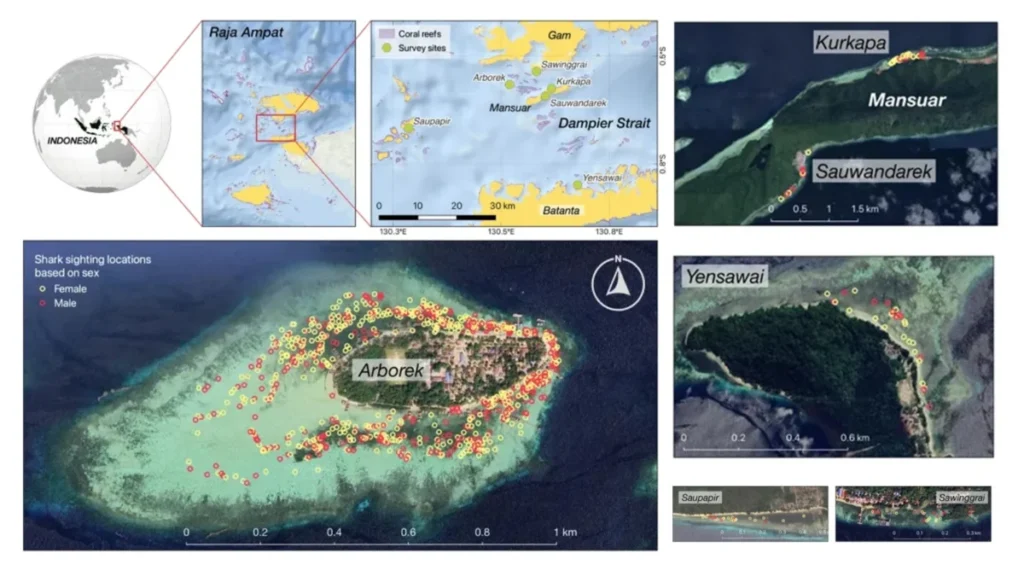
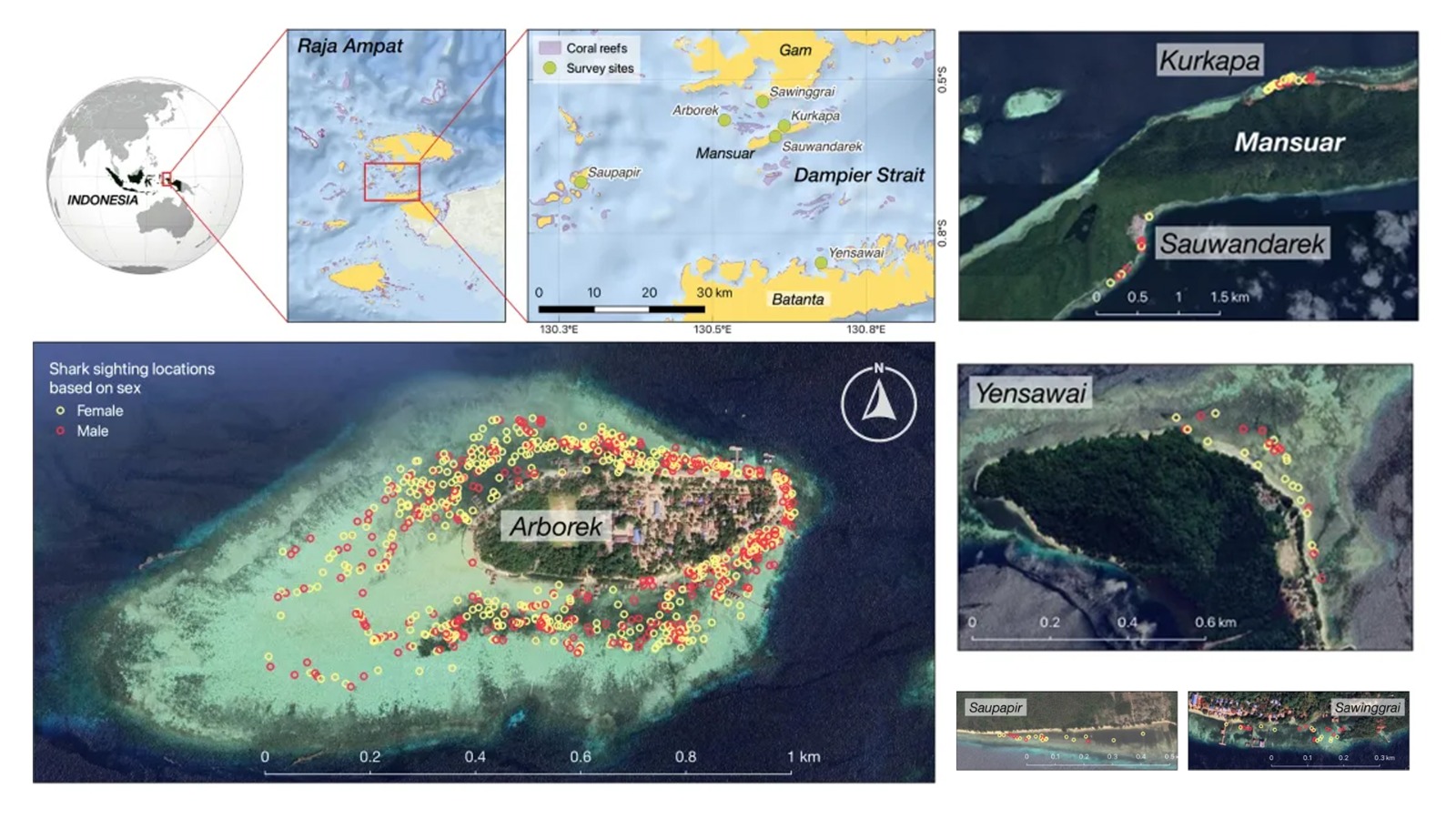
The path to this discovery was paved by intensive field observation. Between February 2024 and April 2025, researchers conducted 64 nocturnal surveys across six key locations in Raja Ampat. Because walking sharks are primarily nocturnal—foraging at night for crabs, snails, and worms—the team’s work required precision and patience.
Using advanced methodologies, including photo-identification and Passive Integrated Transponder (PIT) tagging, the team successfully tracked the movements and demographics of the local population. Out of 1,191 sightings, the researchers identified 736 unique individuals. The data collection phase was exhaustive, providing a clear window into the lives of these creatures.
The chronology of the study highlights a crucial shift in how we perceive the shark’s life cycle. Juvenile sharks are predominantly found in the intricate architecture of coral reefs, while adults tend to migrate to seagrass beds and sandy substrates. Significantly, the research found that individuals did not migrate between islands during the study period. This high site fidelity suggests that these sharks are homebodies, making them exceptionally vulnerable to localized environmental degradation.
Supporting Data: Demographics and Habitat Usage
The demographic data collected by the team reveals a fascinating, female-dominated population. Of the 736 uniquely identified sharks, 415 were female, with body lengths ranging from 19.4 to 75 centimeters. The sightings were clustered heavily around the islands of Arborek, Gam, Fam, Mansuar, and Batanta.
The spatial ecology of the walking shark is equally compelling. The study confirmed that while these animals are capable of swimming, they exhibit a distinct evolutionary preference for moving along the substrate. Furthermore, the researchers observed that these sharks appear to avoid crossing deep-water channels—specifically those between 50 and 100 meters deep—that separate coral reef patches. This "geographic isolation" reinforces their vulnerability; if a habitat is destroyed, the local population may not be able to simply relocate to another island, effectively sealing their fate in that specific patch of ocean.
The evolutionary history of Hemiscyllium freycineti is a testament to the rapid diversification of marine life in the Coral Triangle. Genomic studies suggest this species diverged from its closest relative, the Cendrawasih walking shark (Hemiscyllium galei), approximately two million years ago. This makes them one of the most recently evolved shark species on the planet.
Official Responses and Legal Frameworks
The Indonesian government has taken significant steps to safeguard this species, most notably through the Ministry of Marine Affairs and Fisheries Decree Number 30 of 2023, which grants full protection to all species within the Hemiscyllium genus. However, the researchers emphasize that legal protection must move beyond bureaucratic documents to become "field-effective."
"The research findings serve as a roadmap for science-based conservation," noted Mochamad Iqbal Herwata Putra, Focal Species Senior Manager at Konservasi Indonesia. He argued that it is no longer enough to simply declare a species protected; the focus must now shift to maintaining the ecological integrity of their specific habitats.
The status of the walking shark on the international stage is also precarious. In 2021, the International Union for Conservation of Nature (IUCN) listed Hemiscyllium freycineti as "Near Threatened" (NT). The classification is a direct response to the species’ limited geographical range and the intensifying pressures of human activity.
Implications: The Looming Challenges
While the high population density in Raja Ampat is a cause for celebration, the researchers issued a stark warning regarding the future. The very traits that make the walking shark successful—such as their specific habitat needs and low mobility—are exactly what make them susceptible to the "triple threat" of modern anthropogenic pressure:
1. Tourism and Infrastructure
Raja Ampat is a world-renowned destination for marine tourism. Locations like Arborek and Sauwandarek are central to the local ecotourism economy. However, the intensity of tourism, coupled with coastal construction and habitat degradation, poses a direct threat to the shallow reefs where juvenile sharks grow.
2. Climate Change and Marine Heatwaves
The climate crisis represents a global threat to localized populations. Rising sea surface temperatures can lead to marine heatwaves, which not only degrade coral reefs—the primary nurseries for juvenile sharks—but can also directly increase mortality rates and inhibit the growth of the sharks themselves.
3. Anthropogenic Disturbance
Beyond physical destruction, the general increase in human presence in these areas introduces noise, chemical runoff, and physical disturbance. Because the walking shark does not typically migrate between islands, they cannot escape a localized decline in habitat quality.
Moving Toward a Sustainable Future
The study concludes that the protection of the walking shark is a microcosm of the larger challenge facing the Indonesian archipelago. By using the data gathered over the last 14 months, managers of the Raja Ampat Marine Protected Areas can implement more precise zoning regulations. For example, restricting human activity in specific "nursery" reef zones could provide the sharks with the sanctuary they need to survive.
Edy Setyawan’s team emphasized that this data provides a vital "baseline" for future monitoring. As climate change continues to alter the ocean, the ability to track the health of these walking sharks will serve as a bellwether for the overall resilience of the Raja Ampat marine ecosystem.
Ultimately, the survival of the Hemiscyllium freycineti depends on the successful integration of scientific data into daily management practices. The "walking" shark is an emblem of Raja Ampat’s unique biodiversity. Protecting it is not merely about preserving a single species; it is about protecting the intricate, fragile, and irreplaceable web of life that makes the Dampier Strait one of the most biologically significant places on Earth. As the global community looks toward the future of marine conservation, the lessons learned in the shallow reefs of Gam Island will undoubtedly serve as a blueprint for protecting the world’s most vulnerable and specialized marine creatures.