
Venezuela Earthquake Crisis: Death Toll Surges Past 5,000 as Humanitarian Emergency Deepens
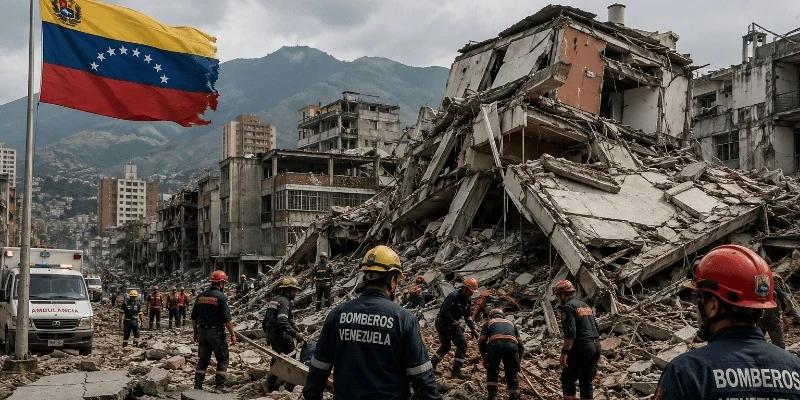
CARACAS, VENEZUELA — The nation of Venezuela remains in a state of profound shock and mourning as the death toll from the catastrophic twin earthquakes that struck its northern coastline on June 24 continues to climb. Nearly a month after the seismic disaster, the scale of the destruction is only now coming into full focus, revealing a humanitarian catastrophe of historic proportions.
According to the latest figures released by Jorge Rodriguez, President of the National Assembly, on Sunday, July 19, 2026, the confirmed death toll has reached 5,119. In addition to the lives lost, 16,740 individuals have sustained injuries, many of whom are still grappling with the physical and psychological trauma of the event.
The disaster has triggered a massive internal displacement crisis, with an estimated 20,000 residents forced to flee their homes. The structural collapse of thousands of buildings across the coastal region has left cities unrecognizable and infrastructure in ruins.
The Chronology of Destruction: A Minute of Terror
On June 24, the Venezuelan coast was subjected to a seismic event of unprecedented intensity. At precisely the moment of impact, the region was hit by two back-to-back tremors—a magnitude 7.2 earthquake followed just one minute later by a more powerful magnitude 7.5 aftershock.
The rapid succession of these two major quakes effectively neutralized the structural integrity of buildings that might have survived a single event. The initial shock caused widespread panic and structural instability, while the second, stronger quake served as a finishing blow to already compromised infrastructure.
The Epicenter: La Guaira in Ruins
The state of La Guaira, which serves as a critical gateway to the capital city of Caracas, bore the brunt of the seismic energy. The region is home to Venezuela’s primary international airport, a major maritime port, and densely populated residential zones characterized by high-rise apartment complexes.
Reports from the ground indicate that hundreds of these apartment blocks collapsed instantly, burying residents beneath tons of reinforced concrete. The destruction of the transport infrastructure in La Guaira significantly hampered early relief efforts, as the damaged airport and port facilities initially blocked the arrival of medical supplies and search-and-rescue teams.
Supporting Data: The Scale of the Catastrophe
The figures provided by the Venezuelan government underscore the sheer magnitude of the disaster. While 5,119 fatalities have been confirmed, officials acknowledge that this number is likely to rise.
Ongoing Search and Recovery
Rescue operations remain active, though they have shifted from a "search and rescue" phase to a "recovery and cleanup" phase in many areas. For weeks, specialized crews have worked around the clock in the rubble of La Guaira and surrounding coastal towns.
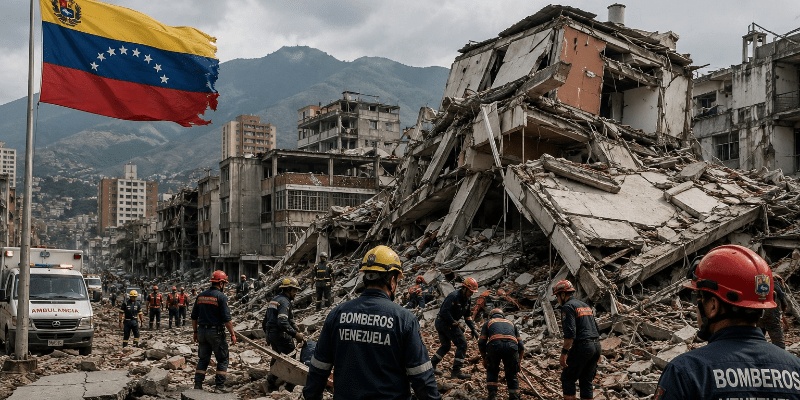
"We are still uncovering the extent of the damage," noted one disaster relief coordinator. "As we finally gain access to remote, previously isolated coastal villages that were cut off by landslides and road collapses, the reality of the loss is becoming even more apparent."
The Aftermath of Tremors
The instability of the earth has not ceased. Authorities report that there have been more than 1,300 aftershocks recorded since the initial event on June 24. These frequent tremors have served to terrorize the local population, further compromising the stability of buildings that remained standing and hindering the progress of rescue teams who must frequently pause operations for safety.
The displaced population is currently being housed in temporary shelters. These facilities are struggling to manage the influx, with severe shortages of clean water, sanitation supplies, and medical equipment. The threat of waterborne diseases, such as cholera and dysentery, is a growing concern among health officials.
Official Responses and Political Maneuvering
The government’s response has been a mix of internal mobilization and external appeals for assistance. President of the National Assembly, Jorge Rodriguez, has been the primary voice for the state, ensuring the public that resources are being prioritized for the most affected regions.
Emergency Funding Secured
In a significant development, the Venezuelan government announced that it has successfully obtained $346 million (approximately Rp5.6 trillion) in emergency funding from the International Monetary Fund (IMF).
This financial lifeline is intended to address immediate humanitarian needs, including the provision of food, water, and emergency medical care, while simultaneously funding the massive logistical undertaking of debris removal and infrastructure repair.
A New Chapter with the IMF
The approval of these funds represents a historic shift in the relationship between Venezuela and the global financial community. Kristalina Georgieva, Managing Director of the IMF, confirmed the disbursement of the funds, noting that the money was drawn from Venezuela’s existing reserves held within the institution.
This level of cooperation was virtually unthinkable just months ago. The restoration of ties between the IMF, the World Bank, and the Venezuelan state in April—following significant domestic political changes—has proven vital. By aligning with international financial standards and opening channels for aid, the new administration has effectively utilized diplomatic leverage to secure the funds necessary to prevent a total societal collapse in the wake of the earthquake.
Implications: A Nation at a Crossroads
The earthquake has fundamentally changed the landscape of Venezuela—both literally and figuratively.

Infrastructure and Economic Impact
The destruction of the port and airport in La Guaira is a massive economic blow. These hubs were the primary conduits for both domestic trade and international imports. The long-term recovery will require billions of dollars in investment, far exceeding the initial emergency fund provided by the IMF. Economists warn that the reconstruction phase will be a multi-year effort that will require sustained international investment and a stable political environment to attract private sector participation.
The Social Fabric and Humanitarian Crisis
The psychological toll on the Venezuelan people, who were already navigating years of economic instability, is profound. The loss of 5,000 lives has left thousands of families shattered. The displacement of 20,000 people has created a new class of "climate refugees" within the country, forcing the government to plan for large-scale permanent housing projects.
Health experts are currently calling for a more robust international presence, specifically in the areas of epidemiology and mental health, to prevent the secondary health crises that often follow natural disasters.
Political Stability and Global Relations
The swift reaction of the IMF and the international community suggests a "thaw" in Venezuela’s isolation. By handling the crisis with transparency and coordinating with global institutions, the current administration has sought to validate its legitimacy on the world stage. However, the success of this strategy depends heavily on the government’s ability to distribute aid equitably and transparently, avoiding the corruption and mismanagement that have plagued previous relief efforts in the region.
Looking Ahead: The Long Road to Recovery
As the nation enters its second month of recovery, the focus is shifting toward long-term reconstruction. The government has pledged to conduct a thorough audit of building codes and urban planning strategies, acknowledging that the high number of casualties was exacerbated by substandard construction practices in high-risk zones.
The international community continues to monitor the situation closely. While the $346 million from the IMF provides a critical buffer, the humanitarian community has issued calls for further donations to support non-governmental organizations (NGOs) working on the ground.
For the people of Venezuela, the events of June 24 will remain a defining trauma. The country is now tasked with the difficult job of rebuilding not just its shattered ports and apartment blocks, but also the confidence of its people in their nation’s ability to protect them in times of disaster.
The path forward is fraught with challenges—continued seismic activity, the threat of disease, and the daunting task of economic reconstruction. Yet, with the newfound support of international institutions and a renewed focus on humanitarian action, there is a glimmer of hope that the country can rise from the rubble and embark on a more stable, resilient future.
Reporting by international desks with contributions from local emergency management authorities.