The Solitary Wanderer: Decoding the Mystery of the Brahminy Blind Snake
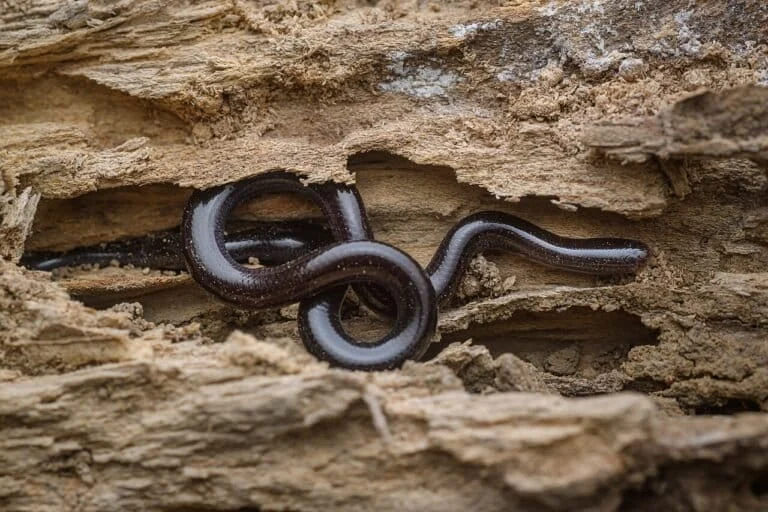
In the vast, complex tapestry of the natural world, sexual reproduction is the golden rule. From the smallest insects to the largest mammals, the dance of life—the exchange of genetic material between two parents—is the engine of biodiversity and evolutionary resilience. Yet, tucked away beneath the topsoil of the planet, exists an anomaly that defies this fundamental biological convention. The Brahminy blind snake (Indotyphlops braminus), a diminutive creature often mistaken for a common earthworm, stands as the only known snake species on Earth that consists entirely of females.
This species does not simply tolerate solitude; it has mastered it. Through a process known as obligate parthenogenesis, the Brahminy blind snake has effectively bypassed the need for males entirely, turning each individual into a self-replicating biological unit.
Main Facts: A Biological Anomaly
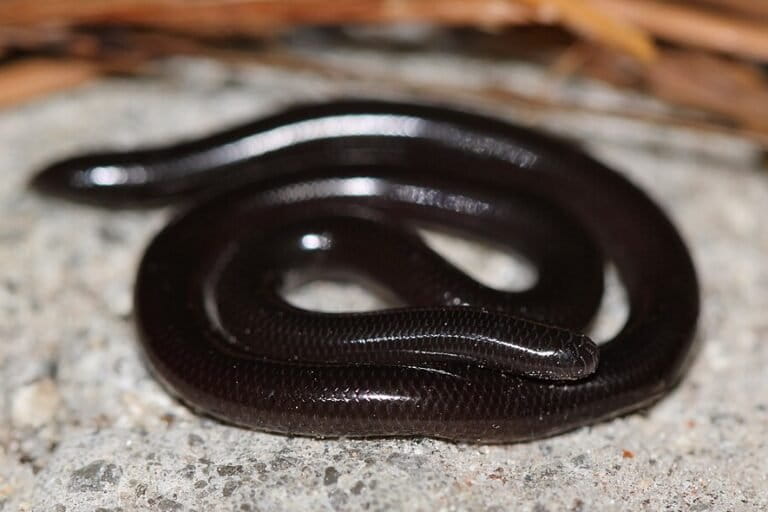
At first glance, the Brahminy blind snake appears unremarkable. Measuring between 5 and 15 centimeters in length, the snake possesses a slender, glossy, dark-scaled body. Its eyes, having adapted to a life spent burrowing through soil and decaying organic matter, are vestigial—reduced to tiny, light-sensitive spots hidden beneath specialized scales. To the untrained eye, it is an unassuming subterranean dweller.
However, beneath this modest exterior lies a genetic marvel. Unlike the vast majority of the approximately 3,900 identified snake species, Indotyphlops braminus is a creature of cloning. Every new individual is, for all intents and purposes, a genetic carbon copy of its mother. Furthermore, the species is entirely harmless to humans. Lacking venom and possessing teeth far too delicate to pierce human skin, the Brahminy blind snake is a gentle neighbor, feeding primarily on the eggs, larvae, and pupae of ants and termites.
Chronology of Discovery and Research
The mystery of the Brahminy blind snake has intrigued herpetologists for decades, but the scientific confirmation of its reproductive strategy has only solidified in recent years.
- Early Taxonomy: First described in the 19th century, the species was noted for its unusual distribution and the consistent absence of male specimens in museum collections.
- The Parthenogenetic Hypothesis: For much of the 20th century, scientists suspected that the species was parthenogenetic, but definitive proof remained elusive until modern genomic tools became available.
- Genomic Sequencing (2022): A landmark study published in the journal Scientific Data (Nature) served as the definitive turning point. Researchers, led by T. Kadobe and colleagues, successfully mapped the first complete draft genome of the Indotyphlops braminus.
- Verification: This genetic study confirmed that the species does not merely reproduce asexually under stress; it is an obligate parthenogen. This means the species is locked into this reproductive mode, with no biological pathway to produce males.
Supporting Data: The Science of Allotriploidy
The 2022 research provided more than just a confirmation of asexual reproduction; it offered a glimpse into the "why" and "how" of this phenomenon. The study revealed that the Brahminy blind snake is allotriploid.
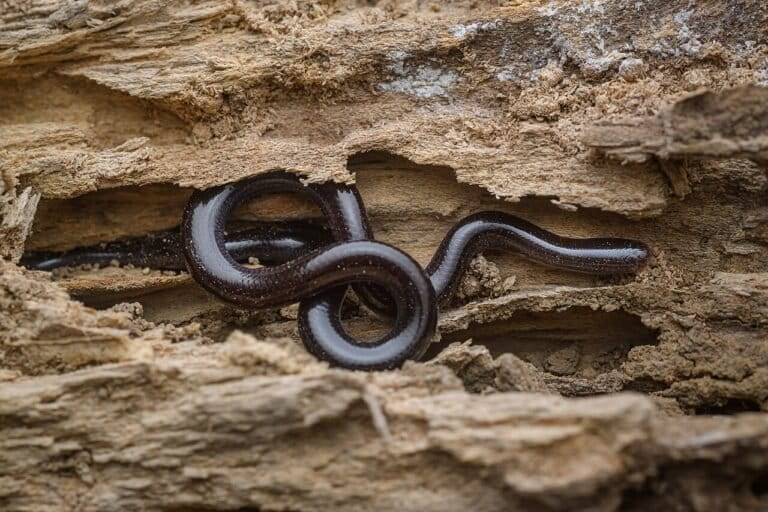
In most organisms, chromosomes come in pairs (diploid). The Brahminy blind snake, however, possesses three sets of chromosomes. This condition is often the result of hybridization—an ancient event where two different, but related, species interbred. This hybridization likely triggered the reproductive shift, allowing the resulting lineage to abandon sexual reproduction in favor of cloning.
This is not a unique strategy in the reptilian world—several species of whiptail lizards exhibit similar patterns—but it is exceptionally rare among snakes. The genome mapping confirmed that the species is part of the Scolecophidia infraorder, an ancient group of "blind" snakes. By sequencing the genome, researchers were able to confirm that the snake’s genetic architecture is perfectly optimized for this self-sustaining cycle, effectively making it one of the most successful "invasive" species in history.
Global Distribution: The "Flowerpot Snake"
The success of the Brahminy blind snake is written in its geography. Originally native to South Asia and Southeast Asia, the species has managed to colonize almost every continent on Earth, with the notable exception of Antarctica.
This global colonization is not the result of active migration, but rather a byproduct of human activity. The snake’s common name, "flowerpot snake," is a testament to its primary mode of transit. Because these snakes live in soil and often burrow into the damp, nutrient-rich environments of potted plants, they are easily transported across international borders through the global horticulture trade.
The biological implications of this are profound. In a typical sexual species, a single pregnant female transported to a new environment would be unable to establish a population; she would need a male partner to continue the lineage. For the Brahminy blind snake, a single individual is a self-contained colony. If one female survives the journey in a bag of soil, she can lay eggs, and her offspring can continue the cycle, effectively founding an entire population in a new ecosystem. This "single-founder effect" has allowed the Brahminy blind snake to become the most widespread terrestrial reptile in the world.
Implications of Obligate Parthenogenesis
The existence of the Brahminy blind snake challenges several core tenets of evolutionary biology, specifically the "Red Queen Hypothesis," which suggests that sexual reproduction is necessary to constantly shuffle genes and stay ahead of parasites and pathogens.
1. The Risk of Genetic Stagnation
Without the genetic mixing that occurs during sexual reproduction, the Brahminy blind snake theoretically faces a higher risk of succumbing to a single, specialized pathogen. If every individual is genetically identical, a virus or fungus that can kill one individual could potentially wipe out the entire global population. Yet, the species has thrived for countless generations, suggesting that they may possess alternative mechanisms for genetic variation or that their specific niche—subterranean environments—protects them from widespread epidemics.
2. Evolutionary Efficiency
From a survivalist perspective, the Brahminy blind snake is a master of efficiency. It does not waste energy searching for a mate, engaging in courtship, or risking predation during mating rituals. By focusing all metabolic energy on egg production and foraging, the species has achieved a level of demographic stability that many sexual species struggle to reach.
3. Ecological Impact
While the species is generally considered non-invasive in a way that disrupts ecosystems—due to its specialized diet and small size—its ability to colonize new areas is a case study in biological resilience. As climate change alters soil moisture and temperature profiles globally, the "flowerpot snake" continues to expand its range, proving that in the game of survival, there is more than one way to ensure the future of a lineage.
Conclusion: A Lesson in Resilience
The Brahminy blind snake serves as a humbling reminder of the diversity of life’s strategies. While we often equate complexity with sexual reproduction, the Indotyphlops braminus demonstrates that simplicity—the ability to replicate oneself in the quiet, dark corners of the earth—is an equally potent evolutionary weapon.
As research continues, the genomic data gathered by scientists will likely yield further insights into how this species manages the risks of its unusual lifestyle. For now, the Brahminy blind snake remains a solitary wanderer, a tiny, subterranean ghost that has quietly outpaced its sexual counterparts to claim its place as one of the most successful, and mysterious, reptiles on the planet. Whether in a backyard garden in Florida or a nursery in the heart of Asia, the story of the Brahminy blind snake is the story of life’s unyielding determination to persist, even in the absence of the conventional path.