
The Lasting Legacy: Tracing the Profound Influence of Islam on Indonesian Civilization

Introduction
Indonesia, the world’s most populous Muslim-majority nation, stands as a testament to the transformative power of cultural and religious synthesis. While the golden age of the great Islamic sultanates in the archipelago may have concluded centuries ago, the echoes of this era are not merely historical footnotes; they are the bedrock of contemporary Indonesian society. From the linguistic tapestry of the national language to the architectural silhouettes of our sacred spaces, the influence of Islam is woven into the very fabric of the nation. Understanding this evolution is essential for every student of history, as it explains the socio-cultural DNA of modern Indonesia.
Chronology: The Roots of a Cultural Transformation
The arrival of Islam in the Indonesian archipelago was not a singular event, but a gradual process spanning centuries. Historical evidence suggests that the earliest traces of Islamic influence date back to the 7th century CE, marked by the establishment of merchant settlements from the Arab world on the west coast of Sumatra, particularly in the Barus (Fansur) region.
- 7th – 12th Century: Initial contact through maritime trade routes. Muslim traders from Arabia, Persia, and Gujarat established commercial footholds, fostering early cultural exchanges.
- 13th – 15th Century: The rise of formal Islamic political entities. The Sultanate of Samudera Pasai emerged as a pivotal center for Islamic scholarship and regional trade, acting as a gateway for the faith to spread into the Malay Peninsula and beyond.
- 15th – 17th Century: The "Sultanate Era." Kingdoms such as Demak, Aceh, Gowa-Tallo, and Ternate reached their zenith, institutionalizing Islamic law and education while refining the unique architectural and literary styles that characterize the "Indonesian-Islamic" aesthetic.
- Modern Era: The institutionalization of these influences into the modern state’s educational, legal, and social frameworks.
The Economic Engine: Trade as a Catalyst for Change
The spread of Islam in Indonesia was inextricably linked to the prosperity of maritime trade. The great Islamic kingdoms were essentially commercial hubs that bridged the East and the West. This economic structure did more than facilitate the movement of spices; it created a robust network of interpersonal and intercultural exchanges.

The Strategic Maritime Legacy
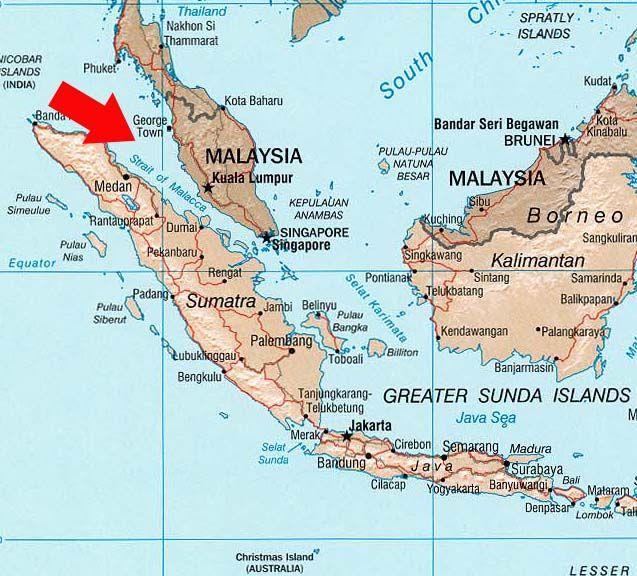
Ports that thrived during the heyday of the sultanates, such as those along the Strait of Malacca—including the Riau Islands, Bangka, and Belitung—remain strategically vital in the 21st century. These locations were chosen not by chance but by their geographical necessity for global shipping. The continuity of these hubs proves that the infrastructure developed during the Islamic era laid the groundwork for modern Indonesian trade policy and regional economic integration.
Linguistic Evolution: The Rise of Lingua Franca
Perhaps one of the most pervasive impacts of Islamic expansion is the evolution of the Indonesian language. As trade flourished in the 15th century, Malay emerged as the lingua franca—a common language used for commerce and diplomacy among the diverse ethnic groups of the archipelago.
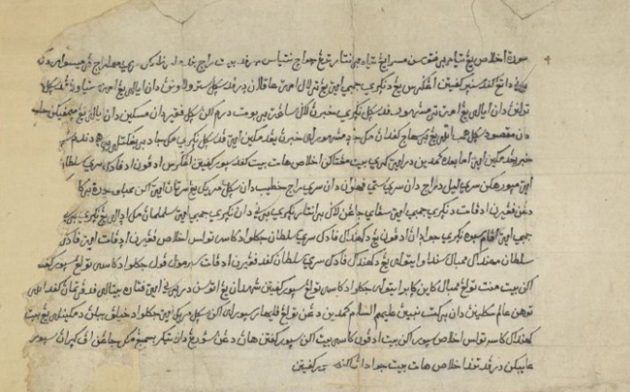
The adoption of the Arabic script, adapted to write Malay, facilitated the spread of Islamic teachings and literature. This "Jawi" or "Arab-Malay" script became the vehicle for religious texts, diplomatic correspondence, and poetry. This linguistic standardization was a critical precursor to the development of modern Indonesian (Bahasa Indonesia), allowing a diverse, archipelagic nation to communicate under a unified linguistic banner.
Educational Foundations: From Madrasas to Modernity
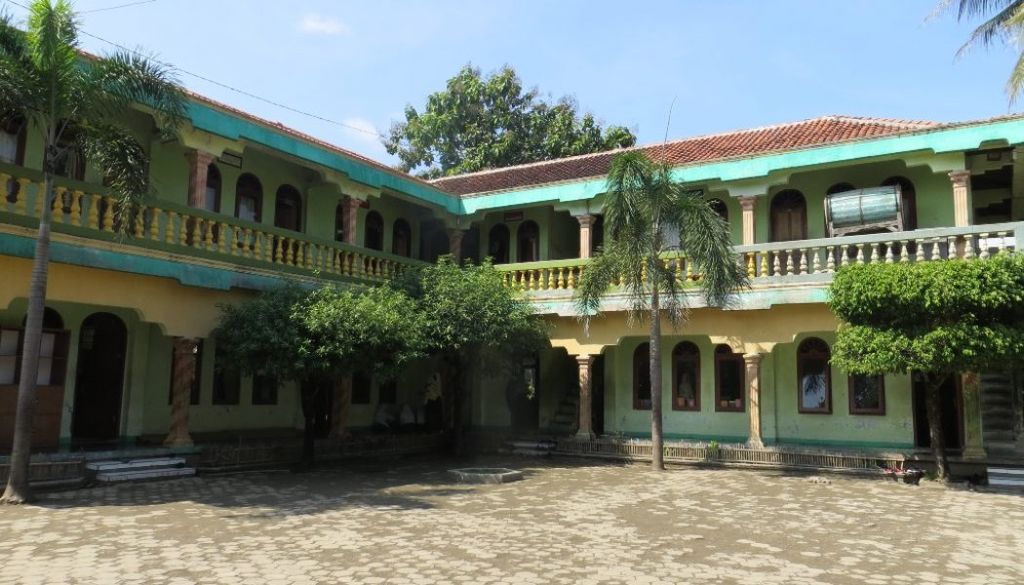
The intellectual legacy of Islam in Indonesia is perhaps best embodied by the pesantren (Islamic boarding school) system. Samudera Pasai, in its prime, was a premier center for Islamic studies, attracting scholars from across the region. The pedagogical models developed during this period—emphasizing community-based learning, moral instruction, and religious discipline—are the direct ancestors of today’s pesantren and madrasah systems.
Notably, the Pesantren Al-Kahfi Somalangu in Kebumen is recognized as one of the oldest in Southeast Asia. These institutions have evolved over centuries, shifting from purely theological centers to hubs of holistic education that continue to play a vital role in the national curriculum.
The Architecture of Synthesis: Akulturasi Budaya
When Islam arrived, the indigenous population was deeply rooted in Hindu-Buddhist traditions and animistic beliefs. To flourish, the faith underwent a process of cultural "acculturation"—a peaceful synthesis that allowed Islamic values to manifest through local aesthetic traditions.
1. Masjid and Architectural Syncretism
The architecture of Indonesia’s oldest mosques is a masterclass in compromise. The Great Mosque of Demak, for instance, features a tiered roof reminiscent of the meru (mountain) structures found in Hindu-Buddhist shrines, symbolizing spiritual ascent. The inclusion of the mustaka (a crown-like ornament) on rooftops and the Candi-like structure of the Menara Kudus (Kudus Minaret) showcase an architectural dialogue between the old world and the new.
2. Funerary Practices and Sacred Spaces
The placement of royal cemeteries near mosques is a hallmark of this era. By situating the tombs of sultans adjacent to the Great Mosques, the rulers established a symbolic connection between their temporal power and their spiritual legacy. Complex sites like the graves of the Aceh sultans at Kandang XII remain sacred sites of national heritage today.
3. The Shift in Artistic Expression
Islamic theology generally discourages the depiction of sentient beings in art. Consequently, Indonesian artisans pivoted toward the mastery of calligraphy. This shift resulted in the refinement of wood carving, metalwork, and manuscript illumination, turning the written word into a visual art form that persists in mosques and public buildings across the nation.
Literature and the Narrative of History
The Islamic era introduced four distinct forms of literary expression that remain essential for understanding Indonesian historiography:
- Hikayat: Prose-based narratives that blend history with legend, such as the Hikayat Raja-raja Pasai.
- Babad: Chronicled histories, often infused with myth, which serve as vital records of local dynasties (e.g., Babad Tanah Jawi).
- Suluk: Philosophical texts focusing on mysticism and Sufism, such as Suluk Wujil.
- Syair: Poetic structures comprising four-line stanzas, which were frequently used to record significant events on tombstones and in courtly literature.
The Calendar: A Timekeeping Fusion
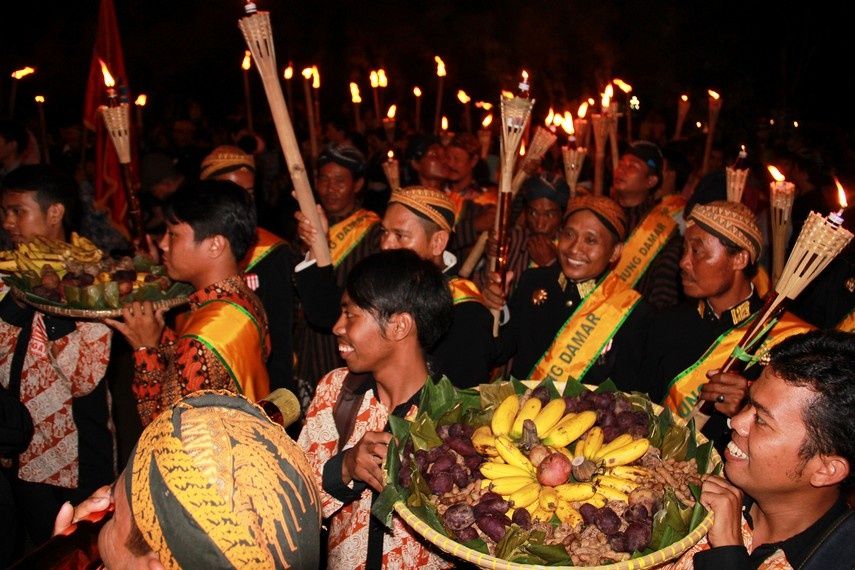
The most visible, everyday reminder of this synthesis is the Javanese calendar. By merging the Saka calendar (of Indian-Hindu origin) with the Islamic Hijri calendar, the Javanese people created a unique temporal system. This is best exemplified by the annual Satu Suro (or 1 Muharram) celebration. The names of the days and months reflect this hybridization, where ancient Javanese cultural cycles operate in tandem with the lunar requirements of Islamic worship. This dual-calendar system continues to govern traditional ceremonies, agricultural cycles, and cultural festivals across the island of Java.
Implications for Modern Indonesia
The influence of Islam in Indonesia is not a static relic; it is a dynamic, living system that dictates social behavior, educational philosophy, and political discourse. The ability of Islam to integrate with, rather than replace, local cultures is perhaps the greatest strength of the "Indonesian way."

As we look toward the future, the challenge lies in preserving this history. The ongoing digitalization of manuscripts and the preservation of historical mosque sites are critical to ensuring that younger generations understand the depth of their heritage. The peaceful integration of these diverse cultural threads serves as a model for national unity, proving that religious identity and local tradition can coexist in a harmonious, syncretic blend.
Official Perspective
Education ministries and cultural heritage boards across Indonesia continue to prioritize the study of the Islamic era. By integrating these historical narratives into the SMA (High School) curriculum, the government seeks to foster a sense of identity that respects the nation’s pluralistic roots while acknowledging the unifying role that Islamic institutions have played for nearly a millennium.
Conclusion
The story of Islam in Indonesia is one of dialogue, adaptation, and enduring influence. From the busy ports of the Strait of Malacca to the quiet classrooms of a rural pesantren, the legacy of the sultanates remains the invisible hand guiding the nation’s cultural identity. As we continue to study this history, we gain not just knowledge of the past, but a deeper appreciation for the unique, resilient, and inclusive character of Indonesia itself.
References:
- Ernawati, I.R., & Ismawati, N.S. (2009). Sejarah Kelas XI untuk SMA/MA Program Bahasa. Jakarta: Pusat Perbukuan, Departemen Pendidikan Nasional.
- Listiyani, D.A. (2009). Sejarah SMA/MA untuk Kelas XI Bahasa. Jakarta: Pusat Perbukuan, Departemen Pendidikan Nasional.
- National Archives of Indonesia: Documentation on Maritime Trade and Sultanate Diplomatic Records.
- Cultural Heritage Series: The Architecture of the Demak and Kudus Mosques (Revised Edition, 2026).