Membedah Training dan Fueling Strategy Para Pelari Kalcer di JRF 2026
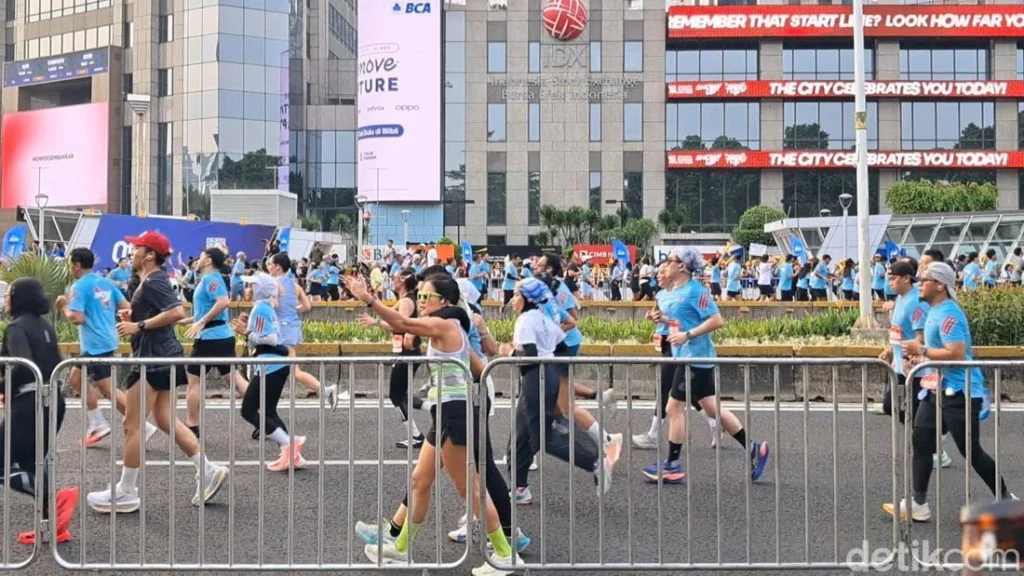
Jakarta – The Jakarta Running Festival (JRF) 2026 has officially cemented its status as one of Southeast Asia’s premier running celebrations, drawing thousands of participants, lifestyle runners, and notable public figures. Amidst the sea of vibrant running gear, energetic playlists, and the bustling atmosphere of the race village, a distinct subculture of runners known locally as "pelari kalcer"—trend-conscious, lifestyle-driven athletes—took center stage.
Competing predominantly in the fiercely contested 10-kilometer (10K) category, several prominent influencers and public figures shared an intimate look into the meticulous preparation required to cross the finish line. Far from just a weekend hobby, their journey to JRF 2026 involves structured periodization, rigorous training regimens, specific nutritional fueling strategies, and a careful balance between intense physical exertion and lifestyle integration.
Main Facts: The Anatomy of JRF 2026’s 10K Lifestyle Runners
The Jakarta Running Festival 2026 has evolved beyond a traditional athletic competition into a cultural phenomenon. The intersection of fitness, fashion, and social media has given birth to the "pelari kalcer" movement—a demographic that treats running not merely as a test of endurance, but as a holistic lifestyle choice.
At JRF 2026, the 10K category served as a primary battleground for these lifestyle athletes. Key facts emerging from the event highlight:
- Multi-Race Periodization: Many participants utilized the JRF 2026 10K not as a standalone peak race, but as a tactical milestone within a broader endurance calendar—notably serving as a baseline speed and recovery test for upcoming international marathons and half-marathons, such as the prominent year-end races in Chiang Mai, Thailand.
- High Training Frequencies: Elite lifestyle runners maintain rigorous weekly schedules, averaging between 3 to 6 sessions per week, seamlessly integrating running variants (long runs, recovery runs, easy runs, and intervals) with cross-training and strength conditioning.
- Intuitive Yet Calculated Fueling: Far from restrictive crash diets, the nutritional strategy among these runners centers heavily on carbohydrate management, high-protein intake, and personalized pre-race elimination protocols.
Chronology: The Road to JRF 2026 and Beyond
To truly understand the performance of these athletes on race day, one must examine the timeline of their preparation. The journey to JRF 2026 spans months of dedicated conditioning, broken down into distinct phases of training cycles, dietary adjustments, and final race-week execution.
Phase 1: The Base-Building and Multi-Race Cycle (Months Out)
For athletes like Sabrina and Sabian, the timeline toward JRF 2026 was deeply intertwined with their broader endurance goals, specifically targeting major international events scheduled for December in Chiang Mai.
"Actually, my training menu is currently set on a ‘Road to 100’ cycle for Chiang Mai at the end of the year," Sabrina explained during the weekend festivities on Sunday, October 25, 2026. "However, the 10K distance at JRF was strategically integrated into my schedule as an active recovery and speed-maintenance tool."
Similarly, Sabian outlined a relentless seven-day training blueprint where rest days are actively managed through low-intensity movement. "From Monday to Sunday, there is always a structured training menu in place—ranging from easy runs, recovery runs, to long runs, alongside mandatory strength training sessions," Sabian noted.
Phase 2: Mid-Week Load Management and Cross-Training (Weeks Out)
As race week approached, the focus shifted from sheer volume to load management and injury prevention. Public figure and avid runner Tara Budiman detailed a robust weekly framework balancing high-impact running with low-impact cross-training.
"Typically, we maintain about five to six training sessions a week," Tara shared. He emphasized that strength training is meticulously scheduled, usually taking place on Mondays to accelerate muscular recovery following heavy weekend long runs. Furthermore, Tara incorporates lifestyle sports into his regimen, frequently playing padel as an active recovery and bonding activity with his partner.
Phase 3: Race Week and the Carbo-Loading Window (Days Out)
The final 72 hours before the starter’s gun fires represent a critical juncture for any runner. This phase requires precise calibration of glycogen stores and psychological readiness.
For participants like Putra and Marco, race week introduced a blend of indulgence and scientific carbohydrate loading. Marco embraced a relaxed, joyful approach to his pre-race meals. "In the weeks leading up to the race, I’ve been eating a lot of fried kwetiau, fried bihun, and goat soto. I ate everything because I simply love food!" Marco laughed.
Conversely, Putra applied a more methodical framework to his nutrition. "In the final days leading up to the race, that’s when I intentionally increase my carbohydrate intake—classic carbo-loading—while simultaneously ensuring my protein consumption remains high to protect muscle tissue," Putra elaborated.
Supporting Data: Training Volumes, Nutrition, and Recovery Protocols
A closer examination of the qualitative data gathered from JRF 2026 10K participants reveals distinct patterns in how modern lifestyle runners approach sports science:
1. Weekly Volume and Workout Distribution
- Frequency: 3 to 6 sessions per week.
- Core Run Types:
- Long Runs: Crucial for building aerobic capacity and mental stamina.
- Easy/Recovery Runs: Designed to flush out metabolic waste without adding excessive musculoskeletal strain.
- Intervals: Utilized by runners like Putra and Marco to enhance VO2 max and lactate threshold.
- Cross-Training Integration: Heavy reliance on strength training (lifting/functional fitness) to fortify core stability, alongside recreational sports like padel to maintain cardiovascular fitness with reduced joint impact.
2. Fueling and Nutritional Strategies
- Carbohydrate Dependency: Given the high training loads, participants universally rejected low-carb fads. Staple carbohydrates—including local favorites like rice (nasi), noodles (mi), kwetiau, and bihun—remained central to their daily diets.
- Pre-Race Prohibitions: While daily diets remained flexible and adaptive to training expenditures, strict boundaries were drawn immediately prior to race day. Tara Budiman noted a strict zero-tolerance policy for spicy foods (makanan pedas) in the 24 to 48 hours leading up to the starting line to prevent gastrointestinal distress during high-intensity efforts.
- Macronutrient Balance: Combining aggressive carbohydrate loading with sustained high protein intake to optimize both energy storage and muscular repair.
Official Insights and Expert Perspectives
The rise of the "pelari kalcer" at events like the Jakarta Running Festival 2026 highlights a broader shift in urban fitness culture. Sports scientists and conditioning coaches increasingly view this demographic not as casual amateurs, but as dedicated lifestyle athletes who demand professional-grade structures while maintaining full-time careers in creative industries, media, and corporate sectors.
According to coaching frameworks observed at JRF 2026, the integration of multi-tier runs (easy, recovery, long, and interval) mirrors elite marathon preparation. By treating a 10K race as both a standalone celebration of fitness and a stepping stone toward international endurance challenges, these influencers and public figures are democratizing advanced training methodologies.
Furthermore, the emphasis on mental well-being—exemplified by incorporating social sports like padel and maintaining an unrestrictive, joyful relationship with food—reinforces a sustainable approach to physical fitness. As fitness professionals note, the most effective training program is not the one with the strictest temporary restrictions, but the one an individual can consistently maintain over years of active living.
Implications: The Future of Urban Running Culture in Indonesia
The success and cultural resonance of the Jakarta Running Festival 2026 carry profound implications for the sports tourism, apparel, and nutrition industries in Indonesia and the wider region:
- The Commercialization of "Kalcer" Fitness: Brands in footwear, technical apparel, and sports nutrition are rapidly realizing that today’s runners prioritize aesthetic versatility and lifestyle integration just as much as raw technical performance. Gear must look good in an Instagram post at the race village just as much as it must perform under high mileage.
- Growth in International Race Tourism: With participants using JRF as a runway for international events in destinations like Chiang Mai, cross-border sports tourism is poised for a significant post-pandemic surge. Indonesian runners are increasingly looking outward, testing their mettle on global stages.
- The Normalization of Balanced Wellness: The dietary transparency shared by JRF 2026 participants—embracing local comfort foods like soto kambing and fried noodles alongside disciplined carbo-loading—promotes a healthier, more sustainable psychological relationship with athletic conditioning. It dispels the myth that endurance running requires joyless eating, encouraging broader community participation.
As the Jakarta Running Festival concludes its stellar 2026 chapter, the footprints left by the 10K "pelari kalcer" serve as a blueprint for modern athleticism: a harmonious blend of rigorous science, cultural lifestyle integration, community connection, and an unwavering love for the sport—and good food.