The Blue Frontier: Navigating the Ecological Wealth and Fragile Future of Teluk Saleh
Nestled between the regencies of Sumbawa and Dompu in West Nusa Tenggara, Indonesia, lies a sprawling aquatic expanse known as Teluk Saleh (Saleh Bay). Spanning over 2,000 square kilometers, this bay is not merely a geographic feature; it is a critical artery of life. As a centerpiece of the Samota (Saleh, Moyo, and Tambora) Biosphere Reserve, the bay serves as a sanctuary for a dizzying array of marine biodiversity, ranging from vibrant coral reefs and lush mangrove forests to sprawling seagrass meadows.
However, beneath its tranquil, turquoise surface lies a complex narrative of potential, exploitation, and the urgent need for sustainable stewardship. As Indonesia looks toward the "Blue Economy" to drive future growth, Teluk Saleh stands as a litmus test for whether conservation and economic development can truly coexist.
The Ecological Crown Jewel of Samota
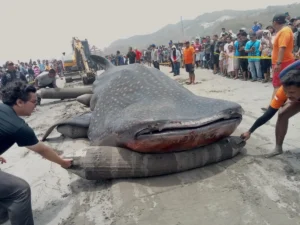
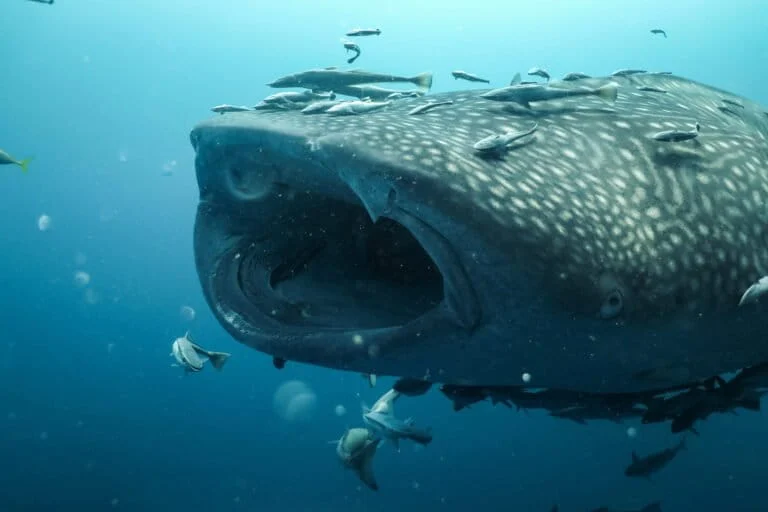
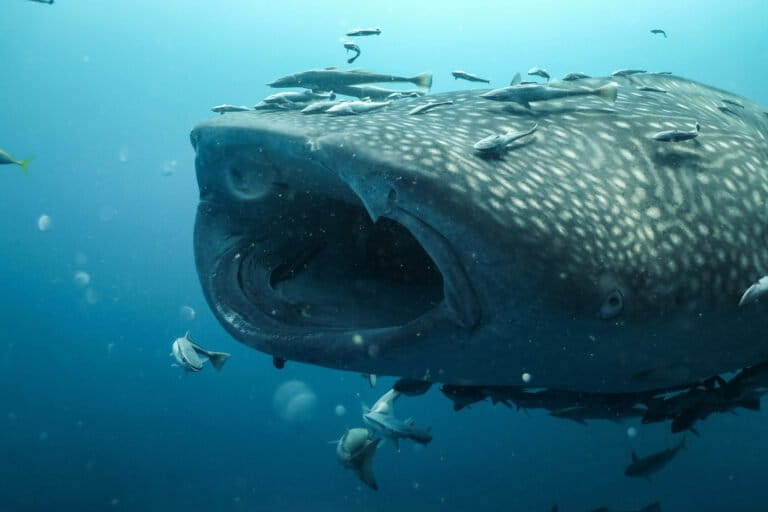
Teluk Saleh is a biological powerhouse. Its unique hydrographic conditions—protected from the open ocean yet connected through narrow straits—create a nurturing environment for marine life. The bay functions as a nursery for numerous fish species and is a critical habitat for the charismatic whale shark (Rhincodon typus).
The ecosystem provides essential services, including carbon sequestration via mangroves and seagrass beds, coastal protection against storm surges, and the primary biomass production that supports the local fishing industry. For the communities of Sumbawa and Dompu, the bay is both a supermarket and a bank account, providing daily sustenance and long-term economic security.
The Rise of Ecotourism: Community-Led Stewardship
The natural allure of Teluk Saleh has not gone unnoticed. The bay’s calm waters, pristine white-sand islands, and diverse marine life have positioned it as a rising star in Indonesia’s ecotourism landscape.
From Subsistence to Service
In Dusun Prajak, Desa Batu Bangka, a transformative movement is underway. Recognizing the value of their natural surroundings, local residents have organized themselves into self-funded ecotourism groups. By shifting from purely extractive industries to service-oriented roles, these communities are now facilitating:
- Whale Shark Encounters: Specialized excursions that adhere to strict conservation guidelines to ensure minimal disturbance to these gentle giants.
- Marine Exploration: Guided snorkeling, diving, and canoeing tours that showcase the hidden biodiversity of the bay’s reefs.
- Cultural Immersion: Coastal camping and culinary tourism that highlight local traditions and sustainable seafood sourcing.
This grassroots model of ecotourism serves as a buffer against illegal, unregulated, and unreported (IUU) fishing, as the community realizes that a living reef is worth far more to them than a dead one.
The Economic Engine: Fisheries and Aquaculture
Beyond the postcard-perfect views, Teluk Saleh is a workhorse of the provincial economy. The bay supports a diverse range of commercial and subsistence activities:
- Capture Fisheries: Thousands of local fishers rely on the bay’s artisanal fishing grounds for their daily income.
- Aquaculture: The bay is a hub for the cultivation of high-value commodities, including barramundi (kakap), grouper (kerapu), seaweed, and pearl oysters.
These industries form the backbone of the local economy, yet they are increasingly under pressure from both climate change and human activity.
The Gathering Storm: Challenges to Sustainability
Despite its beauty, Teluk Saleh faces a precarious future. The intersection of economic pressure and insufficient regulatory oversight has led to several critical threats:
1. Destructive Fishing Practices
Despite periodic crackdowns, the use of destructive fishing methods—such as fish bombing and chemical poisoning—persists. These practices do not distinguish between target species and the foundational coral structures, turning productive reefs into barren underwater graveyards.
2. Overexploitation and "Size-Limit" Neglect
The "tragedy of the commons" is a visible reality here. Fishers, driven by immediate economic necessity, frequently harvest juveniles before they reach sexual maturity. This prevents fish populations from replenishing, leading to a steady decline in biomass and a shrinking average size of catch.
3. Infrastructure Deficits
The development of a robust Blue Economy is currently bottlenecked by a lack of infrastructure. There is a desperate need for:
- Cold Chain Logistics: Facilities for proper storage and processing are lacking, leading to significant post-harvest losses.
- Landing Facilities: Regulated ports that allow for better data collection and monitoring of catches are missing.
- Monitoring Systems: A lack of patrol vessels and surveillance technology makes it difficult to enforce existing environmental laws.
Expert Perspective: An Interview with Dr. Soraya Gigentika
To better understand the path forward, we turned to Dr. Soraya Gigentika, a marine science expert and lecturer at the University of Mataram. According to Dr. Gigentika, the current situation at Teluk Saleh is at a crossroads.
"The potential is immense, but it is fragile," says Dr. Gigentika. "We are seeing a trend where the pressure on resources is outpacing our current management frameworks. If we continue to treat the bay as an infinite resource, we will inevitably reach a tipping point where the ecosystem’s resilience collapses."
The Call for Integrated Management
Dr. Gigentika emphasizes that the solution lies in "Integrated Coastal Zone Management" (ICZM). "We cannot manage fisheries in a vacuum, nor can we develop tourism without considering the biological limits of the marine environment. We need a holistic strategy that combines government-backed data collection with community-based monitoring."
She points out that without accurate, longitudinal data, policymakers are essentially navigating in the dark. "We need to know exactly how much biomass is being removed from the bay, which species are under the most pressure, and how climate change is altering the water temperature and acidity. Only then can we set science-based quotas and create effective Marine Protected Areas (MPAs)."
The Path Forward: Implications for Policy and Society
The sustainable development of Teluk Saleh requires a multi-pronged approach involving local, provincial, and national stakeholders.
Strengthening Community Agency
The success of groups like those in Desa Batu Bangka proves that local communities are the most effective guardians of their own resources. Empowering these groups through legal recognition, technical training, and access to sustainable micro-financing is essential.
Closing the Infrastructure Gap
The government must prioritize investment in the "blue infrastructure" of the region. This includes:
- Traceability Systems: Implementing technology to track fish from catch to consumer, which adds value to the product and prevents the entry of illegally caught fish into the market.
- Renewable Energy: Powering cold-storage facilities with solar or wind energy to ensure sustainability in remote coastal villages.
Collaborative Governance
The "Samota" status is not just a title; it is a mandate for cooperation. This requires the regencies of Sumbawa and Dompu to move beyond administrative boundaries and develop a unified policy for the management of the bay. A joint task force, comprising scientific experts, local community leaders, and government officials, is needed to oversee the implementation of sustainable practices.
Conclusion: A Legacy Worth Protecting
Teluk Saleh is a microcosm of the challenges facing Indonesia’s vast maritime territory. It represents the quintessential conflict between the hunger for rapid economic growth and the necessity of ecological preservation.
The bay has the capacity to be a global model for sustainable tropical marine management—a place where whale sharks thrive alongside local fishers, and where the tourism industry funds the restoration of the very reefs that attract its visitors. However, this future is not guaranteed. It requires a shift in mindset: moving away from viewing the ocean as a mine to be depleted, and toward viewing it as a living system to be cultivated.
As Dr. Gigentika concludes, "The bay has provided for us for generations. Now, it is our turn to provide the framework, the protection, and the respect it needs to continue providing for the future. The choices we make in the next decade will determine whether Teluk Saleh remains a sanctuary or becomes a memory."
The clock is ticking for one of West Nusa Tenggara’s greatest natural treasures. The tools for salvation—data, community engagement, and political will—are within reach. The question remains: are we prepared to use them?