A Silent Crisis on the Coast: The Rising Toll of Whale Shark Strandings in Indonesia
By [Your Name/Journalist]
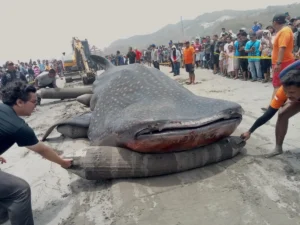
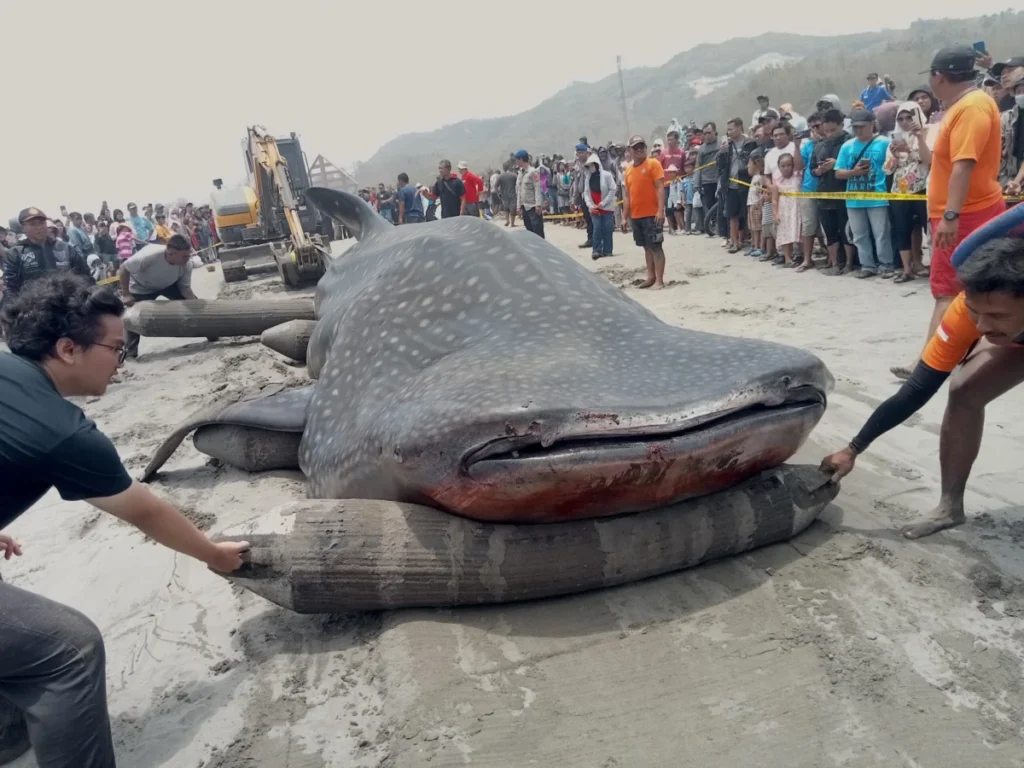
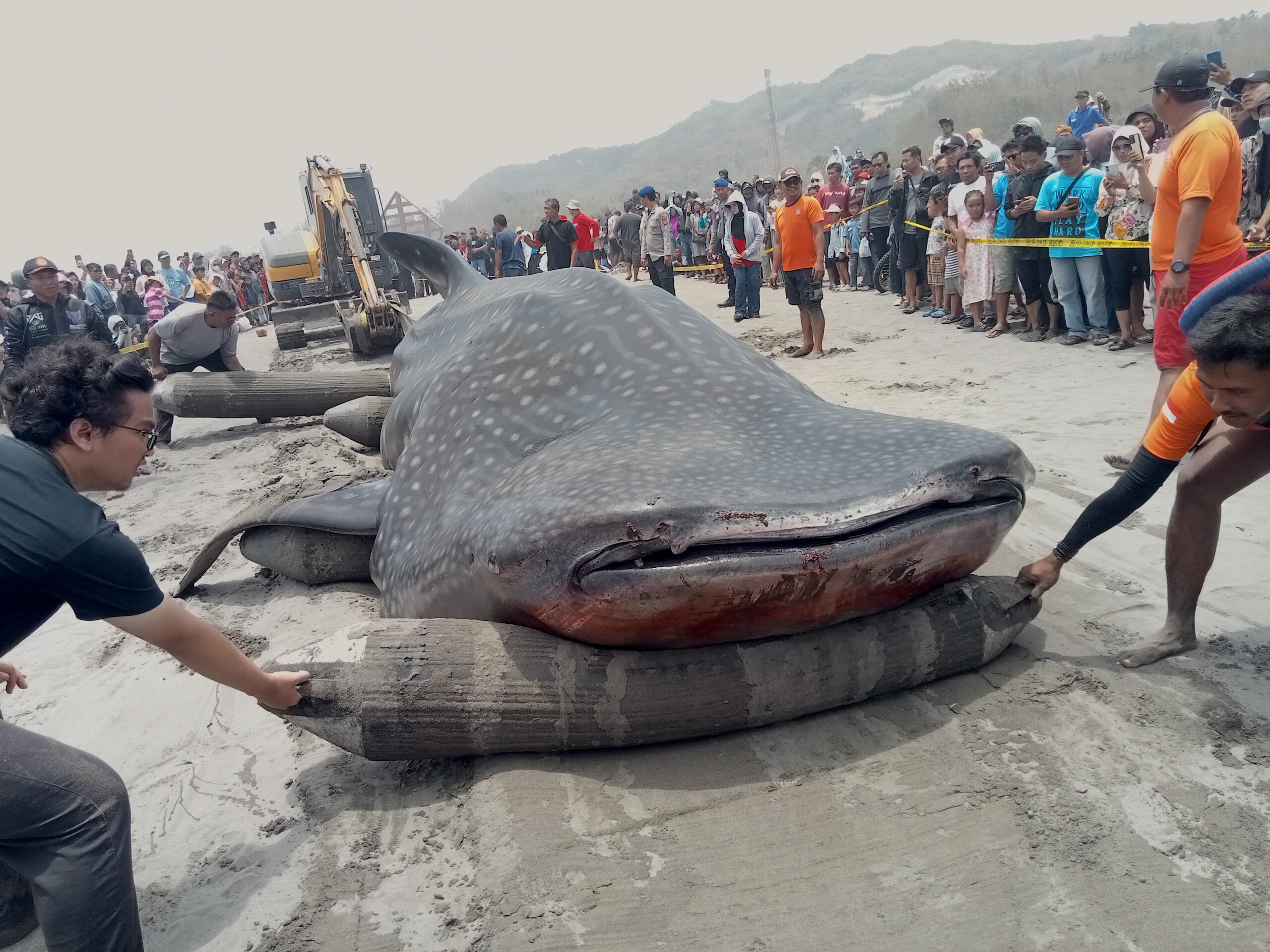
The quiet dawn at Parangkusumo Beach, Bantul, Yogyakarta, was shattered on Sunday, October 18, 2026, not by the usual rhythmic crashing of waves, but by a distress call from local fishermen. As they prepared their nets in the early hours of 03:00, they stumbled upon a colossal silhouette struggling in the intertidal zone. A massive whale shark—a gentle giant of the ocean—had run aground, marking yet another tragic chapter in a series of maritime incidents that have left conservationists and authorities in a state of high alert.
Despite the valiant efforts of a local emergency response coalition, the outcome was grim. By the time the creature was assessed, the window for a successful rescue had already closed. This incident is not an isolated event; it is a grim symptom of a larger, systemic crisis affecting Indonesia’s coastal waters, where whale shark strandings have reached an alarming, unprecedented frequency.
The Chronology of a Failed Rescue
When the initial report reached the Sealife First Responder team, the response was immediate. Within two hours, a multi-agency coalition—comprising the Satlinmas of the Parangtritis Coast, the Jogo Segoro Task Force, the Marine and Air Police (Ditpolairud) of the Yogyakarta Regional Police, and local environmental activists—converged on the scene.
Armed with flashlights and rudimentary equipment, the team worked against the relentless pull of the tide. The animal, a male whale shark measuring nine meters in length and weighing over two tons, was alive when the responders first arrived. However, the sheer size of the creature and the unforgiving nature of the beach made extraction impossible.
"When we arrived, the animal was at ‘code one’—alive," explained Galang, a member of the Jaga Segara Task Force. "But despite our best efforts, it transitioned to ‘code two’—newly dead—before we could even attempt to drag it back into the deeper waters of the ocean."
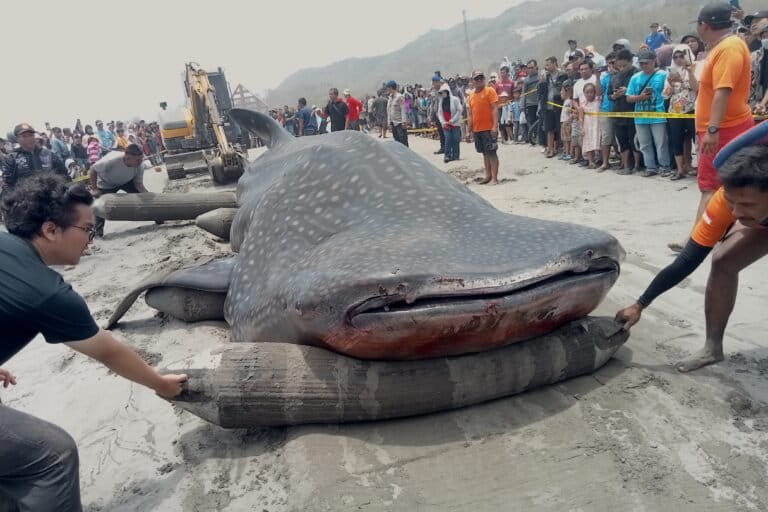
Following the animal’s expiration, the focus of the operation shifted from rescue to forensic analysis and burial. Two heavy-duty excavators were deployed to manage the massive carcass. Before the whale was interred in the dry, sandy dunes, a team of veterinarians from Sealife Indonesia and the Department of Marine Affairs and Fisheries (DKP) performed a full necropsy, carefully extracting tissue and organ samples.
The process, however, was marred by a lack of public cooperation. Scores of local residents swarmed the site, ignoring police lines and safety barriers. Their primary goal was not to assist, but to secure a "selfie" with the deceased megafauna.
"We understand the curiosity, but the behavior was reckless," Galang lamented. "Beyond the fact that it severely hindered our operations, these people were putting themselves at risk. We did not know why the animal died; it could have been carrying pathogens or toxic levels of heavy metals. Treating the carcass as a photo opportunity is both disrespectful to the animal and a public health hazard."
A Nation Under Siege: Supporting Data and Trends
The incident in Bantul is part of a harrowing statistical surge. According to Iqbal Herwata, Senior Manager of Species Conservation at the Yayasan Konservasi Indonesia, the last 13 years (2011–2023) have seen 115 reported cases of whale shark strandings in Indonesia, involving 127 individual animals across 23 provinces.
To put this in perspective, global historical records spanning over a century (1880–2021) only accounted for 114 cases worldwide. Indonesia is now seeing an average of 20 cases per year, a dramatic increase from the four cases annually recorded prior to 2020. While part of this "spike" can be attributed to better reporting via social media, the sheer volume of incidents suggests an environmental pressure cooker that is unique to the Indonesian archipelago.
"What we are seeing in Indonesia is fundamentally different from the rest of the world," Herwata noted. "In other regions, whale shark populations are generally stable or facing different threats. Here, we are witnessing a systematic disruption that is essentially unparalleled globally."

The data suggests that the southern coast of Java—specifically the provinces of West Java and East Java—are the primary hotspots for these tragedies. This, experts believe, is not a coincidence, but a result of the region’s unique oceanographic characteristics, specifically the upwelling phenomenon. During the third and fourth quarters of the year, cold, nutrient-rich water rises from the depths of the Indian Ocean to the surface. While this creates a feeding frenzy for marine life, it also draws juvenile whale sharks (typically 3–9 meters in length) into dangerous proximity to the coastline, where they become trapped by shallow waters, turbulent weather, or human-made hazards.
The Cost of Conservation: Institutional Challenges
The logistical burden of these operations often falls on the shoulders of underfunded local response teams. Galang revealed that for the Bantul operation, the team had to personally secure funding for the excavators, specialized surgical kits, chemical preservatives like formalin, and laboratory testing fees.
Veronika Foniroro of the Yogyakarta DKP admitted that budget constraints are a chronic issue. While she assured the public that the Bantul incident was fully supported, she acknowledged that the "ad-hoc" nature of emergency response funding is unsustainable. "At the very least, we need a dedicated budget line for heavy equipment rental and urgent laboratory analysis," she stated.
The scientific community is equally frustrated by the lack of comprehensive data. Dwi Suprapti, a veterinarian specializing in aquatic megafauna, led the necropsy on the Bantul shark. She reported that the animal’s stomach was full of undigested krill and anchovies, showing no immediate signs of physical trauma or starvation. "The animal died suddenly," she said. "We have seen eight whale sharks wash up on the southern coast in just the first six months of this year alone. Yet, we still lack a cohesive, peer-reviewed study that links these individual deaths to a broader environmental cause."
The current research gap is critical. Without a systematic analysis that bridges necropsy findings with oceanographic data and water quality assessments, the government is essentially shooting in the dark.
Official Responses and Strategic Shifts
The Ministry of Marine Affairs and Fisheries (KKP) has recognized the gravity of the situation. Under the leadership of Andrian Saputra from the Balai Pengelolaan Kelautan, the government is currently drafting the National Action Plan (RAN) for Whale Shark Conservation for the 2026–2029 period. This follows the initial framework established by the 2021 Ministerial Decree.

"We are moving toward a more structured approach," Saputra said. "We are establishing a nationwide network of rapid responders to ensure that when a stranding occurs, the response is professional, scientific, and efficient. We are also looking into the root causes—are these animals ingesting plastic, or are they victims of heavy metal poisoning from industrial runoff and aquaculture waste?"
The KKP acknowledges that every carcass is a "silent messenger." By analyzing the tissues of these stranded sharks, researchers are piecing together a map of ocean health. "The necropsy results are intended to open the eyes of policymakers," Saputra added. "If the water is toxic enough to kill a massive, resilient whale shark, what does that say about the health of the fish that feed our local communities?"
Implications for the Future: A Race Against Time
The implications of these recurring strandings extend far beyond the conservation of a single species. The whale shark is a "charismatic megafauna"—a flagship species whose protection often necessitates the protection of the entire marine ecosystem.
The threats are multifaceted:
- Anthropogenic Debris: Ingestion of microplastics and discarded fishing gear remains a leading cause of death.
- Industrial Pollution: Suspected heavy metal contamination from shrimp farm runoff is being investigated as a primary suspect in the sudden deaths of seemingly healthy juvenile sharks.
- Climate Change: Shifting ocean currents and temperature fluctuations are altering the migratory paths of these animals, leading them into increasingly treacherous coastal corridors.
Despite the gloom, there is a glimmer of hope. In the last few years, local intervention teams have managed to rescue and release 71% of the whale sharks that were found alive. This high success rate proves that if the community is equipped, trained, and funded, these lives can be saved.
Iqbal Herwata remains cautiously optimistic. "If we have the political will and the necessary financial resources, I believe we can stabilize these populations within the next century," he stated. "But we must stop treating these strandings as random, isolated tragedies. They are a systemic warning."
As the sun sets over the southern coast of Java, the beach in Bantul is quiet again. The hole where the nine-meter giant was buried is now just another patch of sand. However, for the scientists, the local rescuers, and the government officials, the work is only beginning. The death of this whale shark is not just a statistic to be filed away in a government report; it is a call to action. The ocean is changing, and the species that call it home are paying the ultimate price for the environmental neglect occurring on the surface.
For Indonesia, the next few years will be a test of its commitment to marine conservation. Whether the nation can move from a culture of "post-mortem documentation" to one of "proactive protection" will determine if these gentle giants remain a part of the Indonesian seas or become mere ghosts of a forgotten, polluted past.