
Kharkiv in Flames: Russian Missile Strike Devastates Major Shopping Center Amid Escalating Conflict
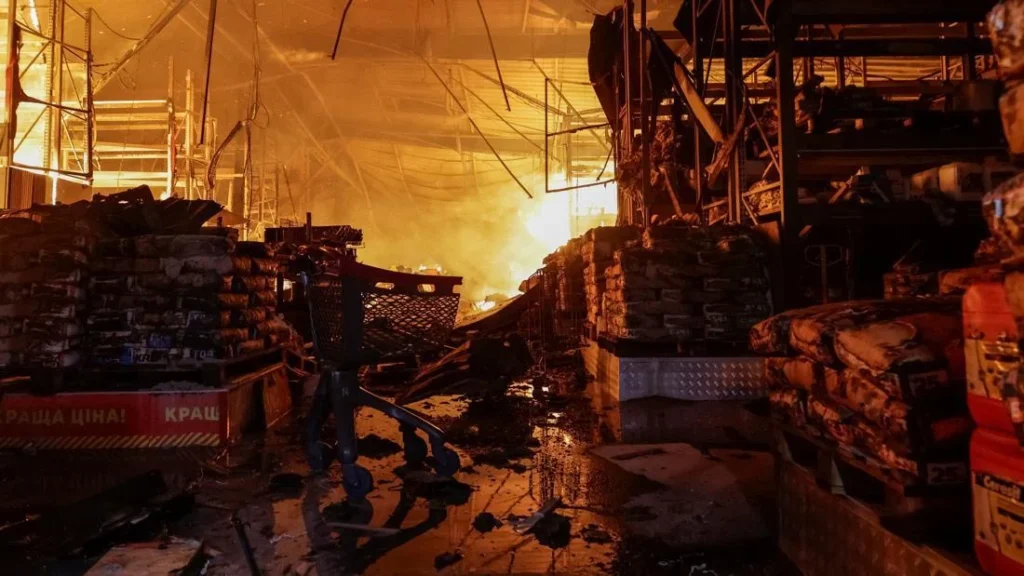
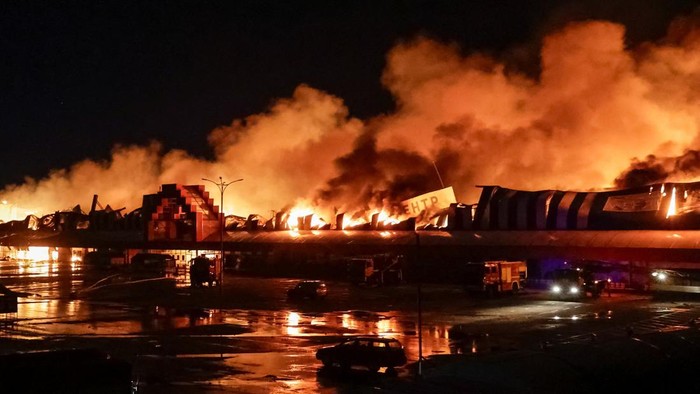
Kharkiv, Ukraine — The relentless toll of the ongoing conflict between Russia and Ukraine reached a grim new milestone on Saturday, October 24, 2026. A devastating Russian missile strike tore through a bustling commercial hub in Kharkiv, Ukraine’s second-largest city, directly hitting a major shopping center specializing in household goods and daily necessities. The high-impact strike triggered massive secondary explosions, ignited roaring fires, and left a trail of structural devastation in what is historically one of the nation’s most vital economic and cultural centers.
As emergency services continue to sift through the charred rubble, the incident has once again thrust the vulnerability of urban civilian infrastructure into the global spotlight. With the war showing no signs of de-escalation, this latest assault underscores the severe humanitarian and economic toll borne by non-combatants trapped in the crossfire.
1. Main Facts
The missile strike occurred during daylight hours on Saturday, striking a densely populated commercial area in Kharkiv. The primary target was a sprawling retail facility dedicated to home goods and everyday necessities—a cornerstone of the local community’s routine commerce.

- Location: Kharkiv, northeastern Ukraine (approximately 30 kilometers from the Russian border).
- Date & Time: Saturday, October 24, 2026.
- Target: A major commercial shopping center specializing in household appliances, home furnishings, and daily consumer goods.
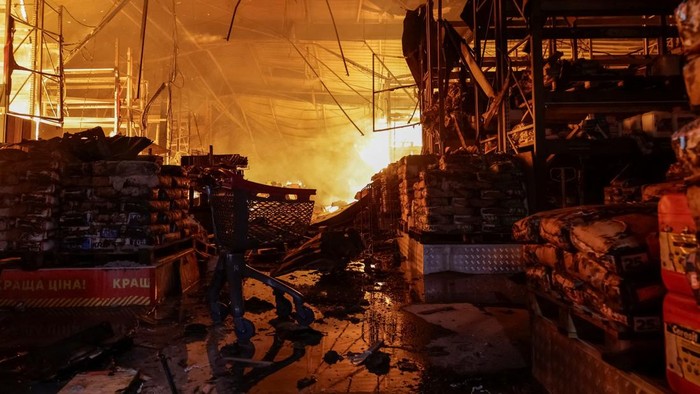
- Immediate Consequences: Severe structural collapse, widespread fires engulfing multiple sections of the complex, immediate deployment of municipal emergency crews, and severe disruption to local business operations and civilian logistics.
- Casualties: As of the latest updates from local authorities, comprehensive data regarding injuries and fatalities is still being verified due to ongoing safety hazards and active firefighting operations at the scene.
The attack highlights a recurring pattern in the conflict wherein commercial, residential, and municipal spaces far removed from active front-line military engagements find themselves in the crosshairs of long-range missile barrages.
2. Chronology of Events
The Strike and Initial Chaos
At approximately midday on Saturday, residents across Kharkiv reported hearing the chilling, sharp whistle of incoming ordnance followed by a thunderous explosion. Eyewitness accounts describe a thick plume of black smoke billowing into the sky as a precision missile struck the heart of the shopping complex. The force of the blast instantly shattered windows across neighboring blocks, sending panicked shoppers and local merchants scrambling for cover.
Rapid Response by Emergency Services
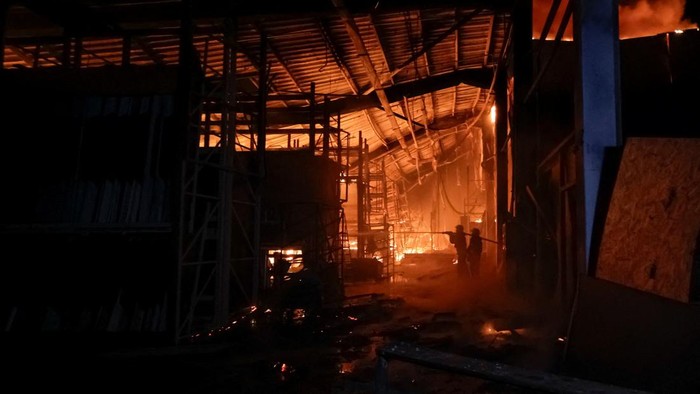
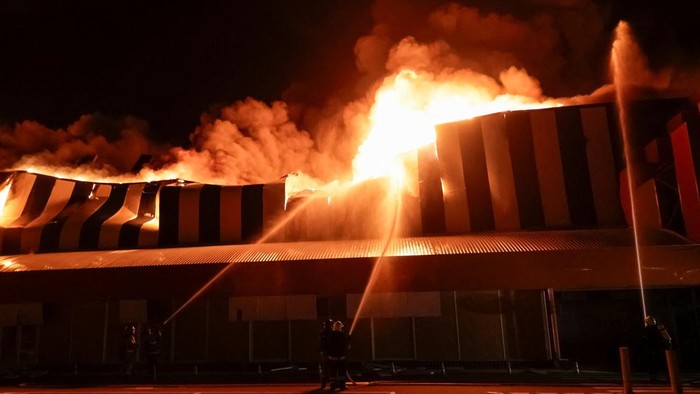
Within minutes of the impact, sirens wailed across the district as state emergency service units, firefighters, and medical personnel rushed to the scene. The intensity of the blaze required a multi-pronged firefighting effort. Crews deployed high-pressure hoses and foam trucks to battle infernos raging inside the collapsing structure, while simultaneously monitoring for secondary detonations and unstable structural walls.
Containment and Post-Disaster Operations
By late Saturday evening, firefighters had managed to bring the primary blazes under control, though smoldering pockets and hot spots persisted well into Sunday. Emergency teams shifted their focus to dampening down residual fire zones and conducting search-and-sweep operations to account for anyone who may have been trapped inside the sprawling facility during the strike.
3. Supporting Data and Strategic Context
To understand the gravity of the strike on Kharkiv, one must examine the city’s unique geopolitical and geographical positioning within the broader Russia-Ukraine conflict.
Kharkiv: A Front-Line Metropolis
Kharkiv has historically served as a major industrial, cultural, and educational engine for Ukraine. However, its geographic reality—situated in the northeastern corner of the country, mere miles from the Russian border—has made it a primary theater of war since the full-scale invasion began.
- Proximity to the Border: Because of its short distance from staging grounds inside Russia, Kharkiv often has mere seconds or minutes of warning before incoming missiles or drones reach the city, making air defense systems critically strained.
- Repeated Targeting: Over the course of the multi-year war, the city has sustained heavy bombardment targeting power grids, educational institutions, residential apartment blocks, and commercial retail spaces.
- Economic Resilience: Despite constant threats, local business owners and citizens have repeatedly attempted to maintain a semblance of normalcy, reopening markets, cafes, and retail spaces to sustain the local economy. Attacks on commercial centers like the one hit on Saturday directly aim to dismantle this economic resilience.
4. Official Responses and Local Impact
Local Authorities and Emergency Personnel
Municipal leaders in Kharkiv condemned the attack as another blatant act of aggression against civilian life and non-military infrastructure. Representatives from the State Emergency Service of Ukraine emphasized the logistical challenges faced by first responders, noting that operating under the constant threat of secondary strikes complicates rescue operations.
"Our primary goal is to secure the perimeter, extinguish the fires completely, and ensure no civilian lives are lost beneath the rubble," a local emergency spokesperson stated during a field briefing. "Attacks on places where families buy everyday household goods have no military justification whatsoever."
Civilian Anxiety and Community Resilience
The psychological impact on the residents of Kharkiv cannot be overstated. For a community that has endured years of intermittent shelling, the destruction of a local retail hub deepens the collective trauma.
Local merchants who relied on the shopping center for their livelihoods now face an uncertain future. Many small-business owners who survived previous economic downturns and regional skirmishes find their stock, capital, and storefronts reduced to ash in a matter of seconds. Yet, despite the pervasive atmosphere of anxiety, community solidarity remains high, with neighbors organizing aid, offering shelter, and supporting the families most severely affected by the disruption.
5. Broader Implications
The missile strike on Kharkiv carries profound ramifications on multiple fronts—humanitarian, economic, and strategic.
Humanitarian Concerns and Civilian Protection
The incident reinforces international concerns regarding the protection of civilians and civilian objects under international humanitarian law. Humanitarian organizations have repeatedly pointed out that the systematic destruction of commercial hubs, grocery markets, and residential zones degrades the basic conditions necessary for human survival. As winter approaches, the loss of major retail and storage infrastructure in a major urban center complicates the distribution of essential winter supplies, heating equipment, and daily necessities.
Economic Aftershocks
Regionally, the destruction of a major commercial node delivers a severe blow to Kharkiv’s fragile local economy. Supply chains are disrupted, employment opportunities vanish overnight, and consumer confidence plummets. For a nation attempting to rebuild and sustain its internal market amid a protracted war, the erosion of commercial infrastructure represents a continuous drain on national productivity.
Strategic and Security Outlook
Military analysts note that strikes on urban centers far from active frontlines often serve psychological and strategic objectives—stretching Ukraine’s finite air defense inventories, terrorizing the civilian population, and attempting to break the national morale. As long as long-range missile capabilities remain a central component of the conflict, cities like Kharkiv will remain on the front line of an invisible, high-stakes defense.
Conclusion
The devastation of the shopping center in Kharkiv on October 24, 2026, serves as a sobering reminder of the brutal realities facing ordinary Ukrainians. Beyond the twisted steel, shattered concrete, and billowing smoke lies the steady erosion of normalcy for thousands of citizens. As firefighters clear the final embers and investigators document the wreckage, the international community continues to watch closely, acutely aware that the safety of civilian infrastructure in Ukraine remains perilously fragile in the face of ongoing hostilities.