Mastering the 2026 Academic Proficiency Test (TKA): A Comprehensive Guide for High School Students
The landscape of secondary education in Indonesia is undergoing a significant transformation. With the official announcement from the Ministry of Basic and Secondary Education (Kemendikdasmen), students across the nation are preparing for the 2026 Academic Proficiency Test—or Tes Kemampuan Akademik (TKA). Scheduled to take place between October and November, this assessment marks a pivotal milestone for students in SMA, SMK, and equivalent institutions. As the clock ticks down, understanding the nuances of this examination is no longer optional; it is essential for academic success.
Understanding the Essence of the TKA
At its core, the TKA is not merely an exam; it is a sophisticated diagnostic tool designed to evaluate a student’s mastery of the national curriculum. While the abolition of the National Examination (UN) years ago sought to reduce student pressure, it inadvertently created a disparity in how academic performance was measured across different regions and schools.
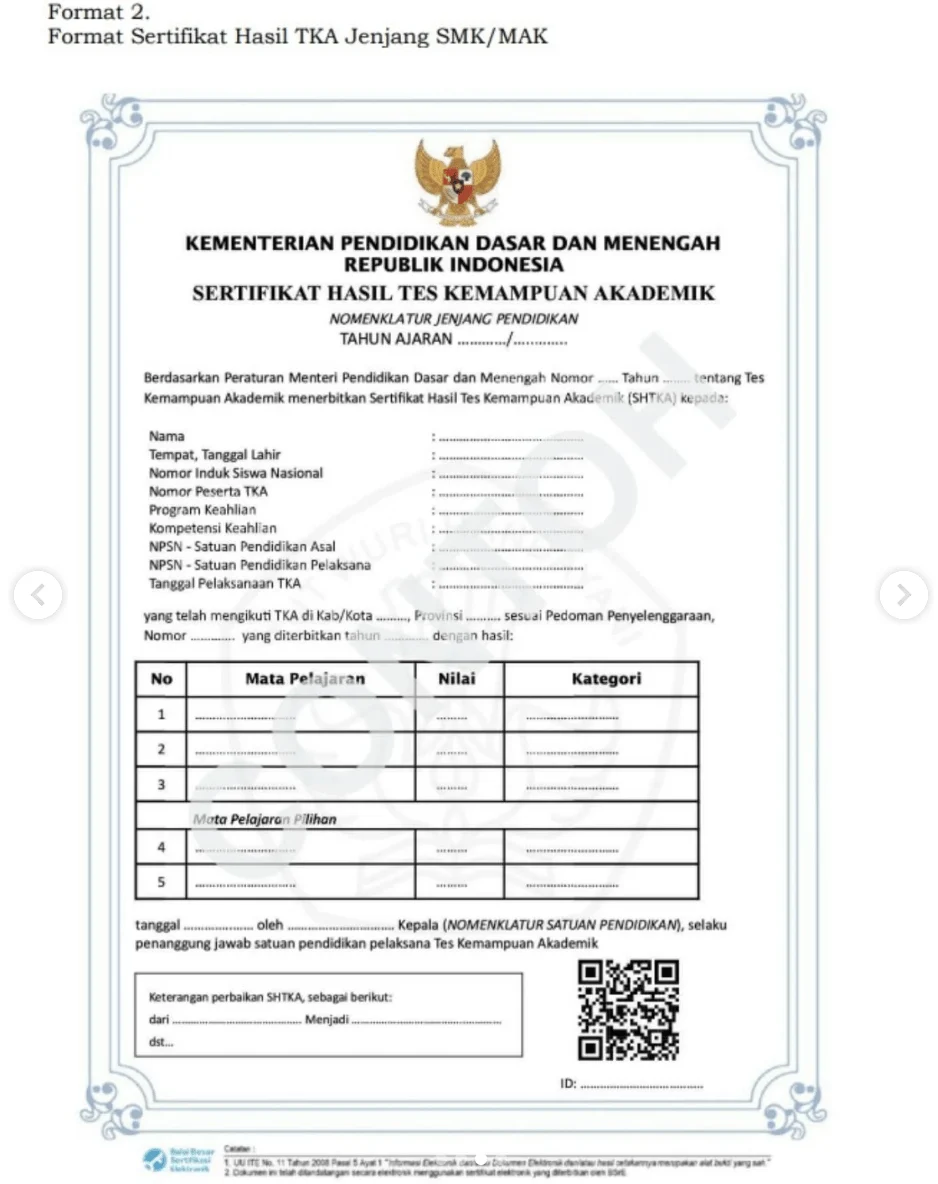
The TKA serves as the definitive validator for school report cards. In an era where grade inflation or inconsistent assessment standards can skew academic records, the TKA provides a standardized, objective metric. By offering a uniform yardstick, this test ensures that a student’s GPA—the "rapor"—carries authentic weight when used for university admissions, scholarship applications, or even initial career screenings. It bridges the gap between local classroom assessments and national academic standards.

The Chronology: Preparing for D-Day
The path to the TKA involves several critical phases. The Ministry has emphasized that the testing window—set for October and November—is the culmination of a rigorous preparation period.
The Simulation and Gladi Bersih
Before the actual test, the Ministry mandates two crucial stages:
- Simulations: These are designed to familiarize students with the digital interface, the logic of the questions, and the time-management requirements of the computer-based test (CBT).
- Gladi Bersih (Dress Rehearsal): This is the full-scale simulation of the exam day. It tests the technical infrastructure, from server stability and internet connectivity to the distribution of login credentials and the integrity of the proctoring process. Participation in these stages is non-negotiable for any student aiming for a seamless experience on the actual test day.
Structural Breakdown of the Examination
The TKA is meticulously structured to assess both breadth of knowledge and depth of critical thinking. The exam spans two consecutive days, with a clear distinction between core subjects and elective disciplines.

Day One: The Mandatory Core
The first day is dedicated to the foundational pillars of secondary education: Mathematics, Bahasa Indonesia, and English. These subjects are deemed essential for all students, regardless of their specialization. The session lasts 150 minutes, requiring intense focus and rapid information processing.
Day Two: Specialization through Electives
On the second day, students are tested on two elective subjects. The duration for this session is 130 minutes. The selection of these subjects allows students to demonstrate proficiency in areas relevant to their future career paths or intended university majors.
Eligibility and Enrollment: Navigating the System
According to the latest Kemendikdasmen guidelines, the TKA is open to all students in their final year of SMA, MA, SMK, or MAK. The registration process is strictly managed through the school administration to ensure data integrity.
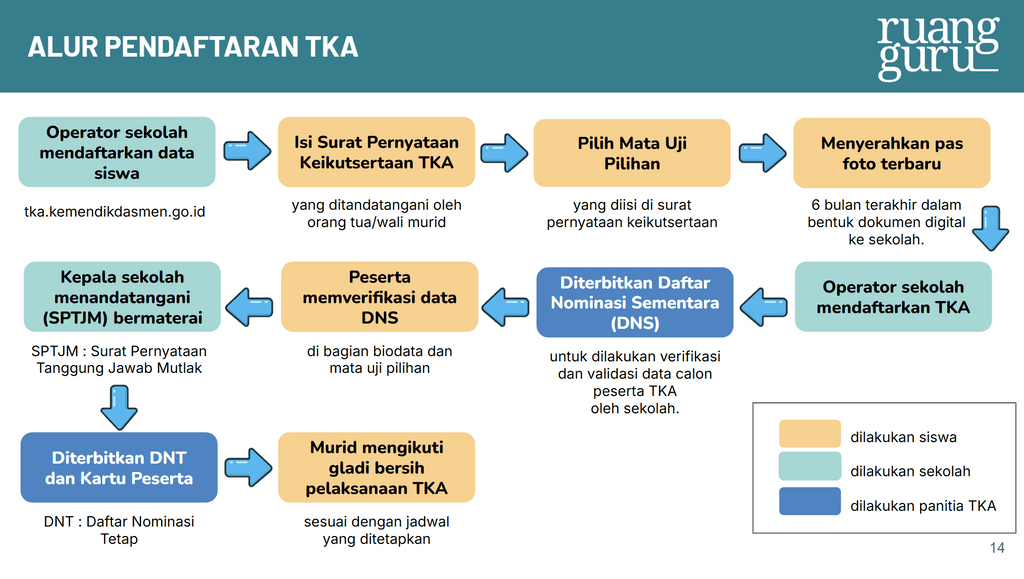
The Workflow for Registration:
- Verification: Schools verify the student data against the national education database.
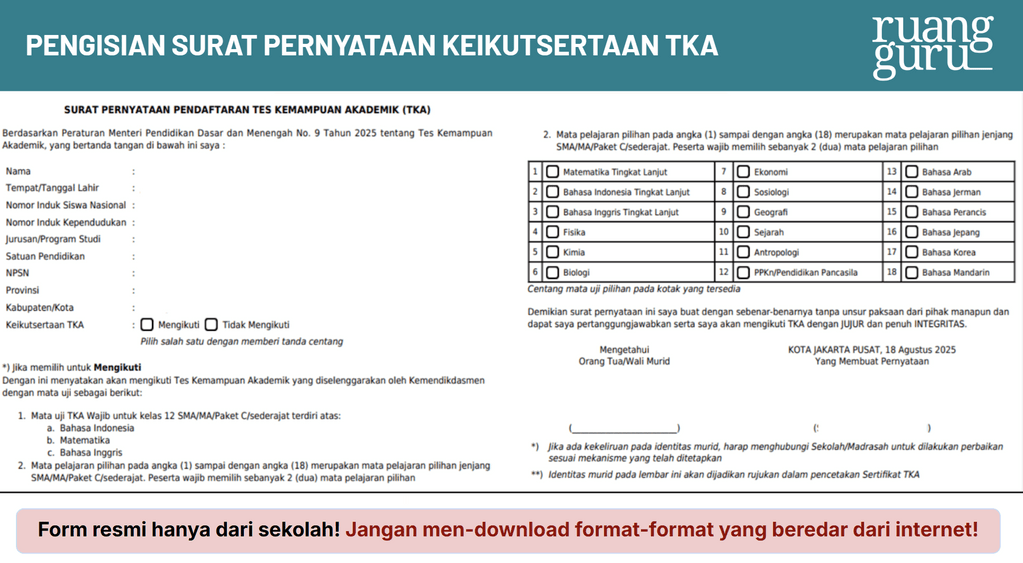
- Submission: Students fill out the official statement of intent to participate, which is then processed by the school’s administration team.
- Authentication: Upon successful registration, students receive a unique set of login credentials.
- Credential Distribution: These credentials are for the student’s eyes only and are required for the login process on the day of the exam.
The Nature of the Assessment: Beyond Memorization
A common misconception is that the TKA mimics the rote-learning style of the defunct National Exam. On the contrary, the TKA is designed to prioritize higher-order thinking skills (HOTS). The questions are structured to challenge a student’s ability to analyze, synthesize, and evaluate information.
Whether a student follows the Merdeka Curriculum or the 2013 Curriculum, the core competency measured remains the same: the ability to apply academic knowledge to solve real-world problems. The official framework, as dictated by the Decree of the Head of the Agency for Educational Standards, Curriculum, and Assessment (BSKAP) Number 045/H/AN/2025, emphasizes reasoning over mere recall.
Implications for Higher Education
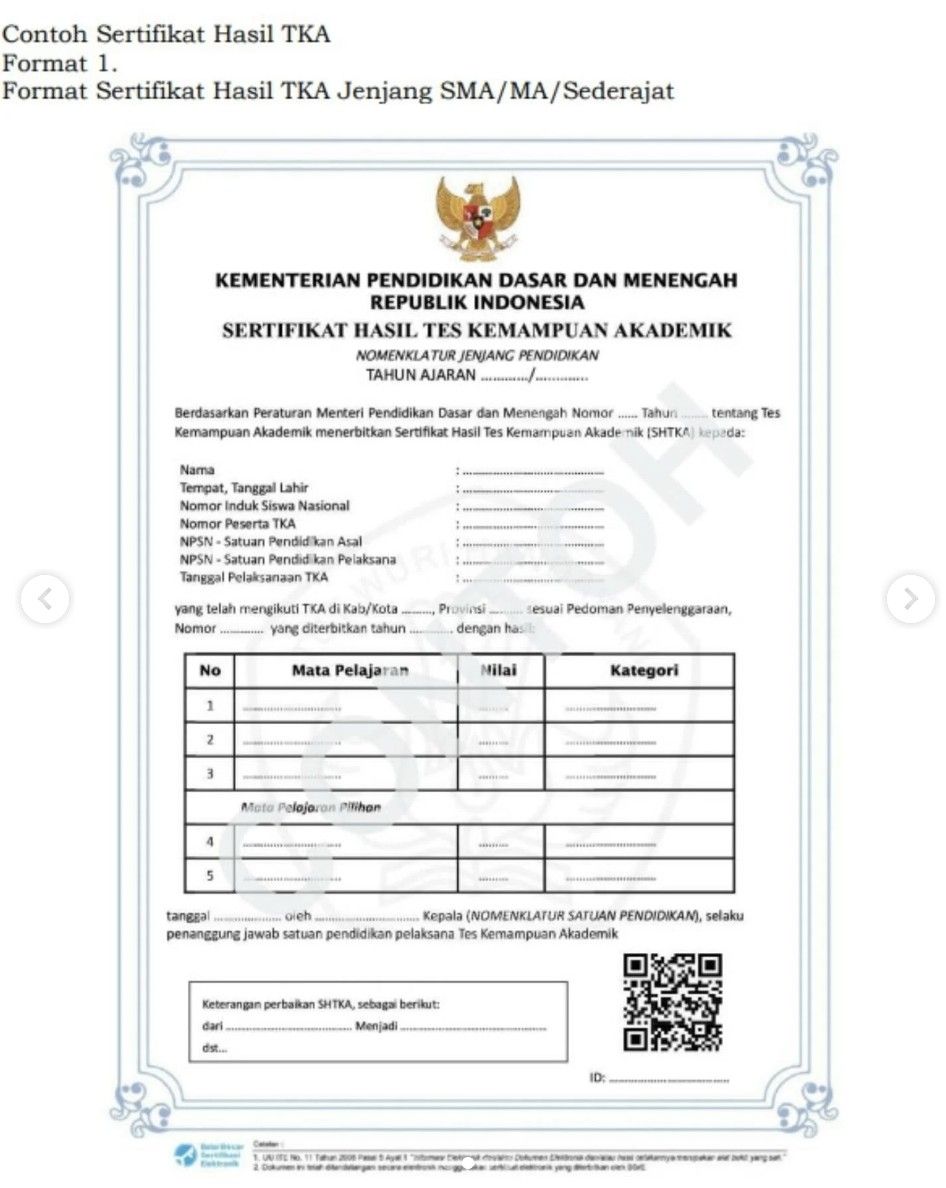
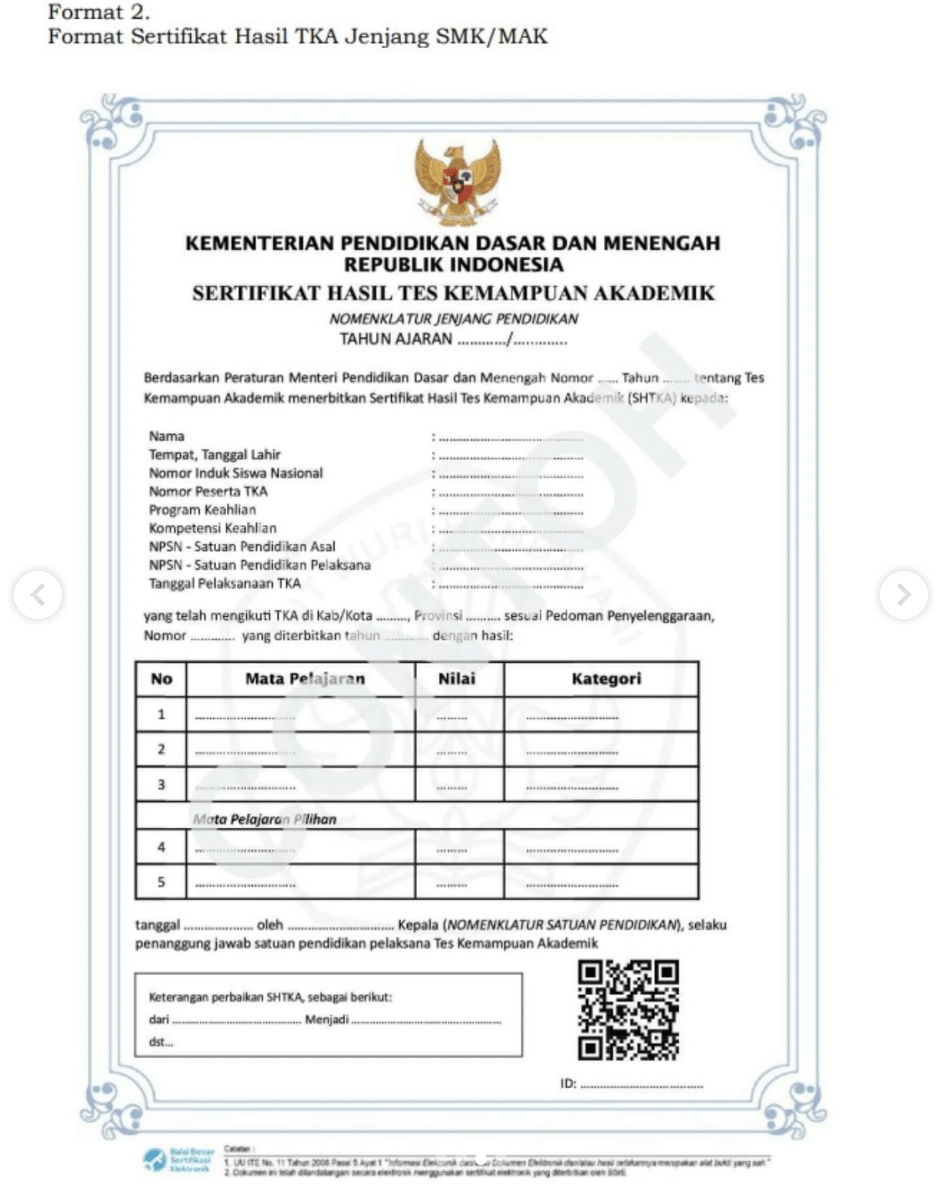
The results of the TKA are more than just a certificate; they are a high-stakes asset. In the context of university admissions, particularly for state universities (PTN), the TKA score acts as a "confidence multiplier" for the report-based selection pathway.
Universities increasingly favor applicants who possess a validated, high-standard TKA score, as it correlates strongly with the student’s ability to thrive in a university environment. For the student, this means that the effort put into the TKA today could directly impact their acceptance into their dream program tomorrow.
Official Guidelines and Technical Protocols
The technical execution of the TKA is governed by strict protocols to ensure fairness and prevent malpractice.
- Proctored Environment: The exam is conducted in a controlled environment. Students must arrive 15 minutes before the start time. Late arrivals are subject to strict scrutiny and may be denied entry.
- Prohibited Items: The use of personal electronic devices, cameras, calculators, or unauthorized study materials is strictly prohibited. The system is designed to detect irregularities in real-time.
- Contingency Management: Should a technical failure occur, students are instructed to immediately notify the proctor or the system administrator (proctor). The system is built with fail-safes to ensure that student progress is saved even in the event of a minor network interruption.
The Role of Support Systems
Preparing for an exam of this magnitude requires more than just attending classes. It requires a systematic approach to study, such as using integrated learning platforms like Ruangguru. The "Kitab TKA" or specialized prep books, combined with digital tryouts (RUANGUJI), offer students a competitive edge. These resources are designed to simulate the actual test environment, allowing students to master the pacing and question types they will face in October.
Rights and Obligations: A Mutual Commitment
Every participant has the right to a fair, non-discriminatory, and technically sound testing environment. In exchange, the participant has the obligation to adhere to the code of conduct:
- Integrity: Absolute honesty during the test is expected. Any attempt to copy or share content will result in immediate disqualification.
- Protocol Adherence: Following the instructions of the proctors is mandatory.
- Accountability: Students must ensure they are using their own login credentials and not attempting to sit for others.
Conclusion: Turning Potential into Achievement
As we look toward the TKA 2026, it is clear that this assessment is a cornerstone of the modern Indonesian education system. It serves as a bridge between the classroom and the future. By focusing on critical thinking, objective validation, and standardized assessment, the TKA prepares students for the rigors of higher education.
For the students, the upcoming months are not just about studying; they are about positioning themselves for success. Whether you are aiming for a top-tier university or a specialized career track, the TKA is your opportunity to shine. Embrace the preparation process, utilize the available digital resources, and approach the exam with the confidence that comes from thorough readiness. The 2026 TKA is not just an obstacle—it is the launchpad for your academic journey.
References:
- Kemendikdasmen, "Official Announcement on TKA 2026 Registration Protocols," July 2026.
- BSKAP Decree No. 045/H/AN/2025, "Framework for Academic Proficiency Assessment (TKA) for Secondary Education."
- Guidelines for National Academic Assessment, Ministry of Basic and Secondary Education, 2026.