
Ciccio Manassero’s Radical Transformation for ‘Rumah Singgah’: A Deep Dive into Method Acting

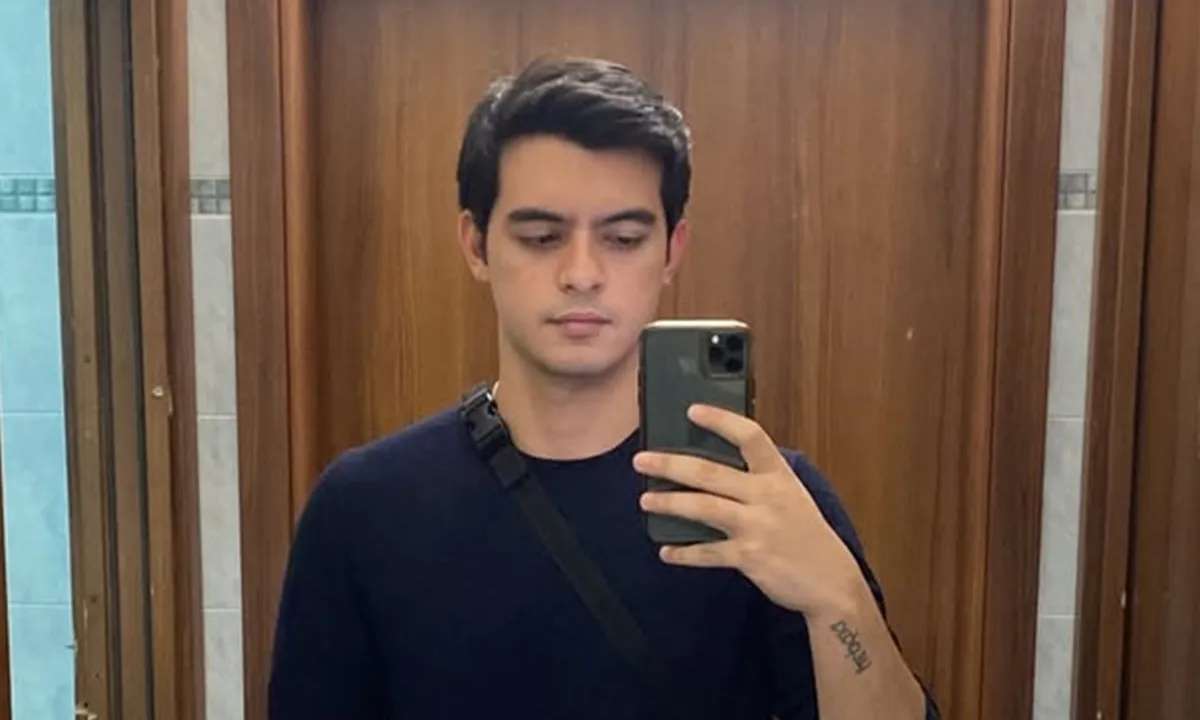
Jakarta, Indonesia – July 18, 2026 – In a striking display of dedication to his craft, acclaimed actor Ciccio Manassero has undergone a profound physical transformation for his role as Tony in the upcoming film ‘Rumah Singgah’. The actor revealed a dramatic weight loss of 8 kilograms within a mere month, coupled with a complete shaving of his head, all to authentically embody the character of a cancer patient. This commitment underscores a growing trend in Indonesian cinema where actors are increasingly pushing physical boundaries to deliver compelling and believable performances.
Manassero’s startling metamorphosis, which saw him shed significant weight and alter his appearance drastically, has garnered considerable attention, positioning ‘Rumah Singgah’ as a film to watch, not least for its lead actor’s immersive portrayal. The rigorous preparation involved a stringent diet and an intense daily exercise regimen, highlighting the physical and psychological demands placed upon actors striving for authenticity.
The Demands of Character: A Departure from Typecasting
For Ciccio Manassero, the role of Tony in ‘Rumah Singgah’ represents a long-coveted opportunity to break free from the archetypes that have often defined his career. Known for portraying "bad boy" characters, charming leads, or even unfaithful partners, Tony offered a stark contrast—a chance to delve into a more nuanced and emotionally complex persona. This yearning for diversity in his roles was a primary driver behind his willingness to embrace such a drastic physical change.
"Honestly, the character Tony in ‘Rumah Singgah’ is a character I’ve really wanted to play," Manassero shared during an interview in Senayan on Friday, July 17, 2026. "Because he’s different from my usual roles. Usually, I’m either a bad boy, a cool guy, or someone who cheats. Tony is very different; he’s mischievous, humorous, and also a cancer patient." This sentiment reflects an actor’s perpetual quest for roles that challenge their established image and expand their artistic range. The opportunity to inhabit a character facing profound personal adversity, yet retaining a core of humor and vivacity, presented a unique acting challenge that Manassero was eager to embrace fully.
The decision to portray a character grappling with a life-threatening illness required more than just emotional depth; it demanded a visual authenticity that Manassero felt could only be achieved through a complete physical overhaul. This approach aligns with the principles of method acting, where actors strive to fully immerse themselves in the experiences of their characters, often leading to profound personal sacrifices for the sake of art.
The Genesis of a Transformation: A Chronological Account
The journey to embody Tony was a meticulously planned, albeit rapid, process. Manassero detailed the steps he took, which collectively illustrate the extreme dedication required to achieve such a transformation within a compressed timeframe.

Commitment to Authenticity: The Initial Decision
The initial spark for the transformation came from Manassero’s understanding that portraying a cancer patient demanded more than just acting; it required a visual narrative that resonated with the reality of the illness. The gauntness, the loss of hair—these physical markers were deemed essential to convey Tony’s journey credibly to the audience. This conviction propelled him to commit to the rigorous regimen, understanding that the physical changes would not only make him look the part but also help him internalize the character’s emotional state.
The One-Month Gauntlet: Accelerating the Change
The most striking aspect of Manassero’s transformation is the speed at which it occurred. Losing 8 kilograms in a single month is an aggressive goal by any standard, typically requiring an intense and disciplined approach. This tight deadline meant there was no room for error, demanding unwavering commitment to his diet and exercise plan. The compressed timeline also implies a strategic decision by the production team and the actor to achieve maximum impact within a limited pre-production window.
"I lost up to 8 kilograms in a month and also shaved my head completely," he recounted. "This was one of the characters I’ve wanted to play for a long time, and thank God it was achieved in this film ‘Rumah Singgah’." This statement underscores the personal significance of the role for Manassero, making the physical hardship a worthwhile sacrifice.
Dietary Rigor: A Caloric Deficit and Nutrient Focus
Achieving such rapid weight loss necessitated a drastic overhaul of Manassero’s dietary habits. His approach focused on creating a significant caloric deficit while still maintaining essential nutrient intake to support his energy levels for daily activities and exercise.
"What I did was just outside of healthy eating, no sugar, no rice," he explained. This simple yet profound change eliminated two major sources of readily available carbohydrates and empty calories from his diet. By cutting out sugar, Manassero reduced his intake of high-glycemic foods that can lead to energy crashes and fat storage. Eliminating rice, a staple in Indonesian diets, further reduced carbohydrate intake, forcing his body to tap into fat reserves for energy.
While the original article doesn’t detail his exact meal plan, one can infer that his diet likely consisted of lean proteins (chicken, fish), abundant vegetables, and healthy fats, adhering to principles often found in ketogenic or low-carb diets. Such diets, when properly managed, can induce rapid weight loss by shifting the body’s metabolism to burn fat for fuel. However, they also require careful planning to ensure adequate micronutrient intake and prevent deficiencies.
Intense Physical Regimen: Beyond the Gym and Focusing on Fat Burning
Complementing his strict diet was an equally rigorous daily exercise routine designed specifically for fat burning and weight loss, rather than muscle building. Manassero strategically avoided heavy weight training, which typically builds muscle mass, as his goal was to appear leaner and more fragile, consistent with a cancer patient’s physique.
His routine included:
- Incline Treadmill Walking: "Outside of healthy eating, I walked on the treadmill every day, but with an incline, an incline of 14, for half an hour every day." Walking on an incline significantly increases the cardiovascular demand and calorie expenditure compared to walking on a flat surface, making it an effective method for burning fat without building bulk.
- Cardio-Focused Sports: "Then from there, maybe playing tennis or playing football, going boxing, which doesn’t pump muscles but burns muscle and also fat." Engaging in sports like tennis, football, and boxing provides high-intensity cardiovascular workouts that are excellent for calorie burning and improving overall fitness without necessarily focusing on hypertrophy (muscle growth). These activities also offer a dynamic and engaging alternative to traditional gym workouts, helping to maintain motivation during an intense period.
This combination of dietary restriction and targeted exercise created a powerful synergy, forcing his body into a state where it rapidly consumed its fat stores, leading to the significant weight reduction observed.
Psychological Fortitude: The Mental Game
Beyond the physical mechanics, such a transformation demands immense psychological fortitude. Resisting cravings, pushing through fatigue during workouts, and maintaining discipline day after day requires a strong mental game. For Manassero, the deep desire to honor the character of Tony and deliver an authentic performance likely served as a constant source of motivation, overriding the discomfort and challenges inherent in his regimen. This mental resilience is often as crucial as the physical effort in achieving such dramatic changes.
Supporting Data & Industry Context
Ciccio Manassero’s transformation is not an isolated incident but rather a testament to the evolving demands and artistic ambitions within the global and Indonesian film industries. Physical transformations have become a powerful tool for actors seeking to immerse themselves fully in their roles and for filmmakers aiming for unparalleled realism.
The Art of Empathy: Method Acting in Modern Cinema
Manassero’s approach is deeply rooted in the tradition of method acting, a technique where actors attempt to understand and feel the inner life of their character. For many, this extends beyond emotional and psychological preparation to encompass physical embodiment. Actors like Christian Bale, known for his extreme weight fluctuations for roles in ‘The Machinist’ and ‘American Hustle’, or Matthew McConaughey in ‘Dallas Buyers Club’, have set a high bar for physical dedication. In the Indonesian context, while perhaps less frequently publicized on such a scale, actors are increasingly demonstrating a similar commitment, signaling a maturing industry that values profound character work. This dedication not only enhances the performance but also serves as a potent marketing tool, signaling the seriousness and depth of the production.

Beyond the Superficial: The Rationale for Physical Change
Why do actors and directors deem these changes necessary? The rationale is multi-faceted. Firstly, visual authenticity is paramount. For a character like Tony, a cancer patient, a visibly weakened physique conveys the ravages of the disease more effectively than prosthetics or makeup alone. It creates an immediate, visceral connection with the audience, making the character’s struggle more tangible and believable. Secondly, and perhaps more importantly for the actor, undergoing such a transformation can aid in internalizing the character’s experience. The physical discomfort, the altered energy levels, and the changed perception from others can help the actor genuinely inhabit the emotional and psychological state of someone facing a severe illness. It’s a way of living a part of the character’s reality, thereby enriching the performance.
Health Considerations in Rapid Weight Loss
While artistically commendable, rapid weight loss, especially 8 kilograms in one month, carries inherent health risks. Medical professionals generally advise a more gradual weight loss of 0.5 to 1 kilogram per week for sustainable and healthy outcomes. Losing weight too quickly can lead to various issues, including nutrient deficiencies, muscle loss (which Manassero explicitly tried to mitigate by avoiding heavy lifting), metabolic slowdown, gallstones, and electrolyte imbalances.
For actors undertaking such transformations, close medical supervision is crucial. This typically involves regular check-ups with doctors, nutritionists, and fitness experts to ensure that the process is managed as safely as possible, minimizing long-term health impacts. Although the original article does not explicitly state Manassero’s medical oversight, the professional journalistic tone implies that such a drastic change would ideally be undertaken with expert guidance to mitigate potential health complications. The balance between artistic integrity and an actor’s well-being is a constant ethical consideration within the industry.
Industry Trends: The Expectation of Immersion
The willingness of actors like Manassero to undertake such transformations reflects a broader trend in the entertainment industry. Audiences, increasingly sophisticated and exposed to global cinema, expect higher levels of realism and immersion. This expectation puts pressure on actors and filmmakers to go to greater lengths to achieve authenticity. Performances marked by extreme physical changes often garner critical acclaim and awards, further incentivizing actors to consider these challenging roles. It signals a move away from purely superficial portrayals towards a deeper, more committed form of acting that blurs the lines between the actor and the character.
Official Responses & Personal Reflections
Ciccio Manassero’s personal account provides the most direct insights into his motivations, struggles, and the profound impact of his transformation. His words offer a window into the actor’s psyche, revealing the blend of ambition, discipline, and vulnerability that defined this period.
Ciccio Manassero’s Vision: Embracing the Unfamiliar
Manassero’s clear articulation of his desire to play Tony stems from a professional hunger for growth. His previous roles, while successful, had begun to feel limiting. "Because beda sama aku biasanya. Biasanya tuh aku kalau nggak bad boy, keren gitu ya, atau selingkuh gitu. Kalau Tony ini sangat berbeda, gitu orangnya usil, dia humoris, dan juga sedang menjadi pasien kanker gitu," he reiterated, emphasizing the character’s multifaceted nature. This speaks to a common dilemma for actors who achieve early success in particular niches; the challenge then becomes proving their versatility and depth. Tony, with his blend of humor, mischief, and underlying pathos, offered a perfect vehicle for Manassero to showcase a different facet of his acting prowess. The enthusiasm in his voice when describing Tony underscores his genuine artistic connection to the role.

The Physical Manifestation: "Pangkas Habis Rambut" (Shaving the Head)
Beyond weight loss, the decision to shave his head was another crucial step in embodying Tony. Hair loss is a common side effect of cancer treatments, and for many, it’s a highly visible and emotionally charged aspect of the disease. By shaving his head, Manassero not only achieved visual accuracy but also likely experienced a degree of the vulnerability and altered self-image that many cancer patients face. This act further deepened his immersion into the character, adding another layer of authenticity that makeup or wigs could not fully replicate. It demonstrated an unwavering commitment to realism, leaving no stone unturned in his quest to become Tony.
A Mother’s Concern: The Human Element
The emotional impact of Manassero’s transformation was perhaps most poignantly captured by his mother’s reaction. Seeing her son so thin, she remarked, "Ih kasihan banget deh kaki kamu kayak ayam," which translates to, "Oh, your legs look so pitiful, like chicken legs." This candid and heartfelt observation from a loved one underscores the drastic nature of the change. It highlights the personal cost of such artistic endeavors, reminding us that behind every transformative performance is a human being whose body and well-being are put on the line. His mother’s concern serves as a grounding reminder of the health implications and the worries that family members might endure when an actor pushes their physical limits for a role. This human element adds a layer of relatability and emotional depth to the otherwise professional narrative of an actor’s dedication.
The Post-Production Phase: Reclaiming Self
Once filming for ‘Rumah Singgah’ concluded, Manassero began the process of returning to his normal weight. However, this transition has not been without its challenges. "Lumayan, lumayan. Ya bulking banget nggak, lagi menggemuk aja karena aku udah syuting 40 hari ini nggak ada kesempatan olahraga betul-betul," he admitted. He mentioned gaining some weight back, but the demands of subsequent filming schedules prevented him from fully re-establishing his regular exercise routine. This illustrates another often-overlooked aspect of such transformations: the recovery period. Re-gaining weight healthily and rebuilding strength after a period of intense restriction requires a dedicated plan, which can be difficult to adhere to amidst a busy acting schedule. It emphasizes that the commitment to a role extends far beyond the final take.
Implications & Future Outlook
Ciccio Manassero’s radical transformation for ‘Rumah Singgah’ carries significant implications, not only for his individual career but also for the broader landscape of Indonesian cinema.
Career Trajectory: A Defining Role?
This role has the potential to be a defining moment in Ciccio Manassero’s career. By demonstrating such profound commitment and versatility, he has likely broadened his appeal to directors and producers looking for actors capable of complex, transformative performances. ‘Rumah Singgah’ could serve as a powerful showcase, proving that Manassero is capable of much more than his previous typecasting suggested. This might open doors to a wider array of challenging roles, potentially elevating his status within the industry and garnering critical acclaim that might have been elusive with less demanding parts. The industry often rewards such dedication with more prestigious projects and greater recognition.
‘Rumah Singgah’: Anticipation and Reception
The buzz surrounding Manassero’s transformation will undoubtedly contribute to the anticipation for ‘Rumah Singgah’. Audiences and critics will be keen to see if his physical dedication translates into an equally compelling and moving performance on screen. The success of the film could, in part, be tied to how effectively Manassero embodies Tony, making his transformation a crucial element in the film’s overall impact and reception. A powerful, authentic performance can elevate a film, drawing in viewers and fostering critical discussion.

The Cost of Art: A Discussion on Actor Well-being
Manassero’s experience also opens a broader discussion about the physical and mental toll that method acting and extreme transformations can take on actors. While celebrated for their dedication, the long-term health implications of rapid weight changes, intense diets, and psychological immersion are significant. This raises questions about the responsibility of production houses and the industry to ensure the well-being of their talent, providing adequate medical, nutritional, and psychological support throughout such demanding processes. Balancing artistic integrity with the paramount importance of an actor’s health remains a critical ethical consideration.
Looking Ahead: The Evolving Landscape of Indonesian Cinema
Ultimately, Ciccio Manassero’s commitment reflects the evolving and increasingly sophisticated landscape of Indonesian cinema. As the industry continues to grow and compete on an international stage, the pursuit of authenticity and profound character portrayal will likely become more prevalent. Actors are willing to push boundaries, and filmmakers are increasingly investing in stories that demand such immersive performances. This dedication bodes well for the quality and depth of future Indonesian films, promising richer narratives and more compelling cinematic experiences for audiences both at home and abroad. Manassero’s journey for ‘Rumah Singgah’ is a powerful testament to this exciting artistic progression.