
Beyond the Tube: The Scientific and Legal Odyssey Behind Pringles
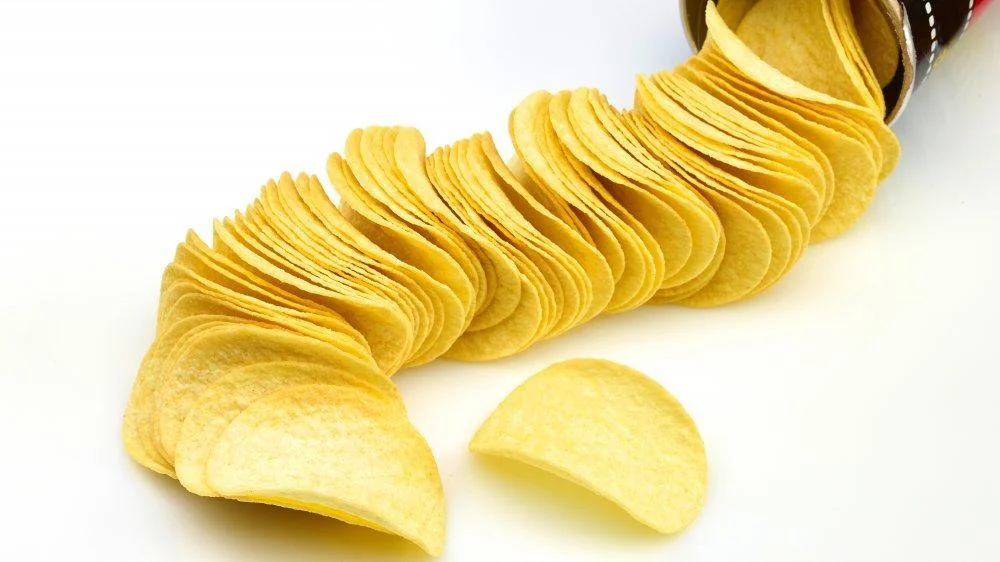
For decades, Pringles have occupied a unique space in the global snack aisle. With their uniform, hyper-geometric curvature and iconic cylindrical packaging, they are a staple of movie nights, office desks, and road trips. However, there is a culinary and legal secret hidden behind that familiar "pop" of the lid: Pringles are not, strictly speaking, potato chips.
While consumers globally may classify them as such, the truth is far more complex. The Pringle is a marvel of food engineering, a product born from the minds of scientists rather than the simple frying of sliced tubers. Below, we delve into the anatomy, history, and legal battles that define one of the world’s most recognizable processed snacks.
1. The Anatomy of a Snack: Why Pringles Defy Definition
To the average consumer, a potato chip is a thin slice of a potato, fried or baked until crispy. This is the traditional definition of a "chip" or "crisp." Pringles, however, do not follow this lineage.
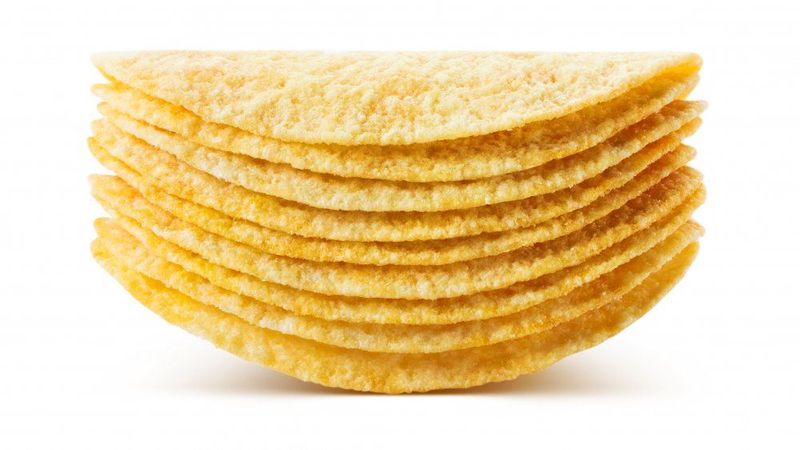
The manufacturing process of a Pringle is more akin to baking a complex dough than frying a vegetable. It begins with a mixture of dehydrated potato flakes, corn, wheat, and rice flour. This mixture is transformed into a malleable dough, which is then pressed into thin, uniform sheets. These sheets are cut into the iconic oval shape and pressed into molds to ensure their signature hyperbolic paraboloid curvature—a shape that is not just aesthetically pleasing but structurally significant.
Because Pringles are manufactured from a reconstituted potato paste rather than being sliced directly from a whole potato, the industry—and legal systems—have struggled to categorize them accurately. This fundamental difference in production is the reason for the ongoing debate over whether they qualify for the "potato chip" moniker at all.
2. A Chronology of Innovation and Controversy
The journey of Pringles began in the mid-20th century, driven by a desire to solve the most persistent problem in the snack industry: breakage.
The Quest for Perfection (1950s–1960s)
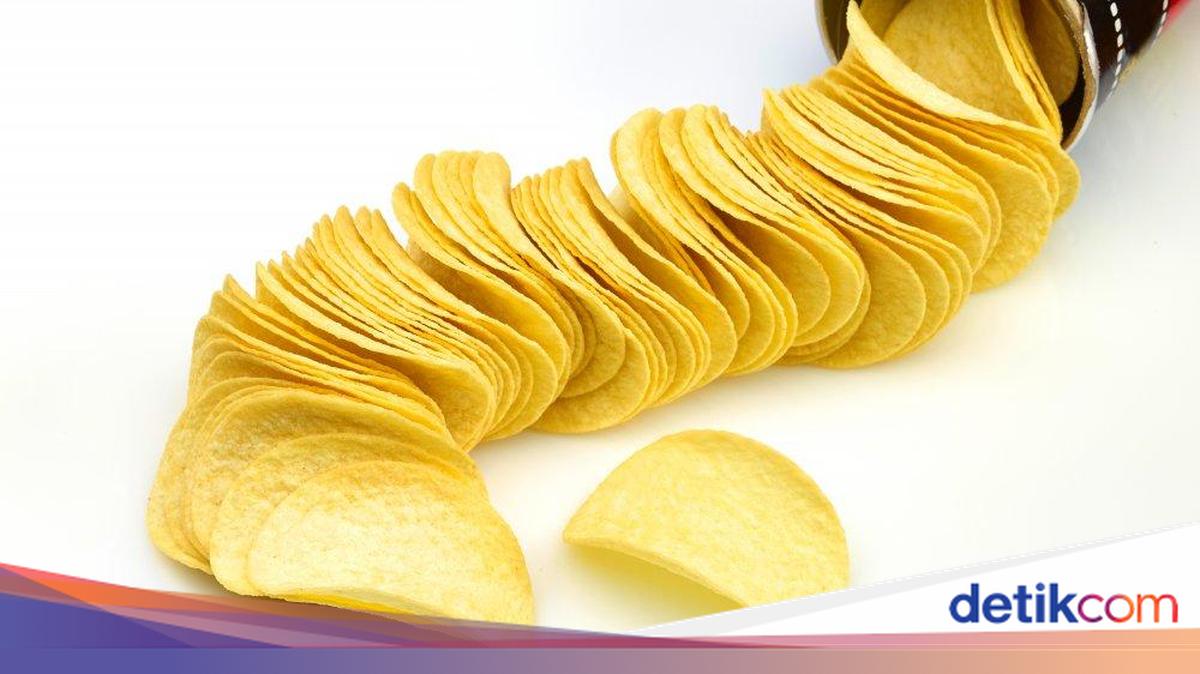
In the 1950s, Procter & Gamble (P&G) sought to address consumer complaints regarding "potato chip fatigue"—the experience of opening a bag to find half the contents shattered or stale. Fred Baur, an organic chemist and food storage technician, was tasked with creating a new type of chip. Baur experimented with various shapes and materials, eventually settling on the "saddle shape" (technically a hyperbolic paraboloid) because it allowed the chips to be stacked perfectly, eliminating air gaps and preventing breakage.
The Launch (1968)
Originally branded as "Newfangled Potato Chips," the product hit test markets in 1968. By the 1970s, it had become a national sensation. However, the success brought unwanted attention from regulators who were concerned about the labeling of processed foods.
The Regulatory Clash (1975)
The U.S. Food and Drug Administration (FDA) stepped in, asserting that the term "potato chip" was misleading because Pringles were made from dehydrated potato flakes rather than sliced potatoes. Faced with a potential mandate to label their product as "dehydrated potato chips," P&G opted to use the term "potato crisps." This distinction was a strategic move to distance the product from the traditional definition of chips while maintaining its consumer appeal.
The Global Tax Wars (2000s)
The legal saga moved to the United Kingdom in the late 2000s. The debate centered on Value Added Tax (VAT). In the UK, traditional potato chips were subject to a "luxury" tax, whereas other snack foods were often exempt. P&G argued that because Pringles contained so little potato and were made from dough, they were not "potato chips" and should therefore be exempt from the tax. In 2009, a British court ruled against the company, concluding that the content and manufacturing process were sufficiently "potato-based" to warrant the tax, effectively cementing Pringles’ status as a potato-based snack in the eyes of the law.
3. Supporting Data: The Composition of a Pringle
One of the most surprising facts about Pringles is how little of the snack is actually potato. According to reports from The Atlantic and industry analyses, the potato content in a standard Pringle is approximately 42 percent.
The remaining 58 percent is a carefully calibrated blend of:
- Vegetable Oil: Used to provide the fat content and crispy texture during the frying process.
- Rice, Wheat, and Corn Flours: These act as binders, ensuring the dough maintains its structural integrity and creates the specific "snap" consumers expect.
- Maltodextrin and Dextrose: These sugars and stabilizers assist in browning and provide a consistent flavor profile across every chip.
- Salt and Seasoning: The final layer that defines the individual variety.
This precise formulation is why every Pringle looks, tastes, and feels exactly the same as the last. It is a masterpiece of mass-production engineering that eliminates the variability inherent in natural agricultural products.
4. Official Responses and Industry Stance
The manufacturers of Pringles have consistently maintained that their product is a unique culinary category. When questioned about the lack of "real" potato content, representatives for the brand emphasize the "uniformity" and "stackability" that set the product apart.
From an industry perspective, Pringles represent the pinnacle of "processed food science." By controlling the ingredients from the start, the company can ensure that a customer in Jakarta gets the same experience as a customer in London. The brand’s official position has always been that they are selling a snack experience defined by its innovative shape and consistent crunch, rather than an agricultural commodity.
Regulatory bodies, however, continue to treat the product as a "processed potato product," a classification that influences how it is marketed and taxed in various international markets.
5. Implications: Why Does It Matter?
The classification of Pringles as a "crisp" rather than a "chip" may seem like a pedantic linguistic debate, but it carries significant implications for the food industry:
Transparency in Labeling
The Pringles case serves as a landmark study in food labeling transparency. It forced manufacturers to be more precise about the ingredients used in "reconstituted" foods. It highlights the consumer’s right to know whether a product is a processed imitation or a natural agricultural product.
The Evolution of Snack Technology
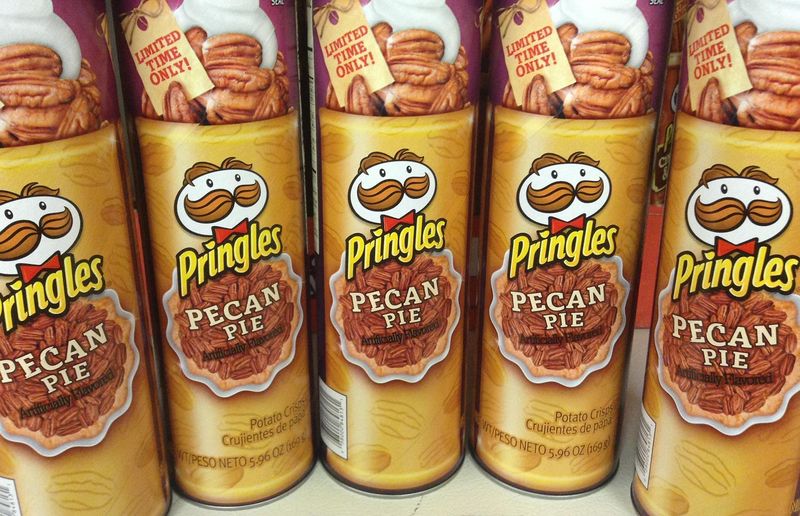
The success of Pringles paved the way for a wave of other engineered snacks. Today, we see a variety of products made from corn, pulse, and potato flours, all designed to solve the issues of freshness and durability. The "Pringle model" proved that consumers are often willing to trade the "natural" aspect of a snack for the convenience and consistency of an engineered one.
The Tax and Policy Connection
As seen in the UK court cases, how a product is labeled has direct financial consequences. If a product is not classified as a "chip," it can avoid certain taxes. Conversely, if it is classified as a "snack food," it may fall under stricter nutritional disclosure requirements. This creates a constant tension between corporate branding strategies and government consumer protection policies.
Conclusion: A Scientific Achievement
Pringles remain one of the most successful food products in history, not because they are traditional potato chips, but precisely because they are not. They are a triumph of 20th-century food science, designed by chemists and engineers to satisfy the human craving for salt, fat, and crunch without the unpredictability of nature.
While the "potato chip vs. potato crisp" debate may continue in courtrooms and academic journals, for the average person, the distinction is secondary to the experience. Whether they are a "real" chip or an engineered marvel, Pringles have successfully occupied a unique category of their own—the quintessential, indestructible, and universally recognizable snack.