
The Unseen Enemy: How Seven Design Flaws in Your Laundry Area Can Condemn Your Kitchen to Dampness
Published: July 03, 2026, 14:01 WIB
Main Facts: The Silent Threat of a Damp Kitchen
The kitchen, often considered the heart of the home, is a hub of activity, culinary creation, and social gathering. Yet, within this vital space lies a potential Achilles’ heel: the laundry or dishwashing area. This zone, constantly exposed to water and steam, is a prime contributor to elevated humidity levels. If not meticulously designed and maintained, it can transform a vibrant kitchen into a perpetually damp environment, fostering myriad issues from unpleasant odors and mold growth to accelerated material degradation and significant health risks. As of July 3, 2026, experts continue to highlight the critical importance of proactive design, warning homeowners against seven common yet often overlooked mistakes that can swiftly turn a dream kitchen into a damp nightmare.
The continuous cycle of washing dishes, rinsing ingredients, and handling wet utensils inevitably generates water vapor and splashes. Without adequate provisions for air circulation and moisture management, this localized dampness quickly permeates the entire kitchen. Beyond mere discomfort, a humid kitchen creates an ideal breeding ground for microscopic organisms like mold and mildew, leading to musty smells and potential respiratory problems for occupants. Furthermore, the persistent moisture relentlessly attacks kitchen cabinets, walls, ceilings, and even appliances, significantly shortening their lifespan and necessitating costly repairs. Thus, an optimal design for the washing area is not merely an aesthetic consideration but a fundamental requirement for maintaining a healthy, durable, and comfortable home environment.
Chronology: From Blueprint to Daily Deterioration
The journey towards a damp kitchen, or conversely, a perpetually dry one, begins long before the first dish is washed. It starts at the very genesis of the kitchen’s design, progresses through its construction, and is influenced by the daily habits of its users.
1. The Initial Design Phase: Seeds of Future Problems
At the blueprint stage, critical decisions are made regarding layout, material selection, and system installations. It is here that the seeds of future dampness are often unwittingly sown. Overlooking adequate ventilation, misjudging the proximity of wet zones to air sources, or neglecting proper drainage slopes can set a kitchen on a path toward chronic humidity. Designers and homeowners alike must approach this phase with foresight, considering not just the immediate aesthetics but the long-term functional implications of every choice, particularly concerning moisture-prone areas. A common mistake is prioritizing open-plan aesthetics without accounting for the increased spread of moisture.
2. The Operational Phase: Daily Habits and Gradual Accumulation
Once the kitchen is built and in daily use, the cumulative effect of design flaws becomes evident. Each act of washing, each spill, and each humid cooking session contributes to the moisture load. If ventilation is poor, the air becomes heavy with humidity, and water splashes linger on surfaces. Small issues, like a slow-draining sink or a tiny pipe leak, which might seem negligible initially, compound over time. The constant exposure to elevated moisture begins its slow, corrosive work, gradually weakening materials and creating an environment ripe for microbial growth. This is the phase where homeowners might first notice the telltale signs: a persistent musty smell, condensation on windows, or warped cabinet doors.
3. The Long-Term Consequences: Degradation and Devaluation
Left unaddressed, the chronic dampness escalates from an inconvenience to a serious structural and health hazard. Mold and mildew colonies become visible, spreading across surfaces and potentially infiltrating deeper structures. Wooden cabinets begin to rot, paint peels, plaster crumbles, and metal fixtures rust. Electrical components can be compromised, posing safety risks. The home’s indoor air quality deteriorates, potentially leading to or exacerbating respiratory illnesses. Financially, the home’s value can diminish due to visible damage and the need for extensive, costly remediation. This chronological progression underscores the urgency of addressing design flaws early and maintaining vigilance throughout the kitchen’s lifespan.
Seven Critical Design Flaws Leading to Kitchen Dampness
Understanding the specific pitfalls in laundry area design is the first step toward prevention. Here are seven crucial mistakes that can turn your kitchen into a breeding ground for dampness:
1. Insufficient Ventilation: The Suffocated Kitchen
The single most critical factor in controlling kitchen humidity is effective ventilation. During washing activities, a significant amount of water vapor is released into the air. Without adequate means for this humid air to escape and be replaced by drier air, it becomes trapped, leading to a rapid increase in relative humidity.
- The Science of Trapped Moisture: Warm, moist air is lighter and tends to rise, but without an exit point, it cools, condenses, and settles on cooler surfaces, leading to visible dampness and potential water damage. High humidity creates an ideal environment for mold spores, which are ubiquitous in the air, to land and proliferate.
- Consequences: Beyond the obvious musty smell and discomfort, chronic poor ventilation leads to:
- Mold and Mildew Growth: These fungi not only look unsightly but can trigger allergies, asthma attacks, and other respiratory issues.
- Material Degradation: Wood swells, warps, and rots; paint peels; plaster softens; and metal fixtures corrode.
- Reduced Air Quality: Airborne mold spores and volatile organic compounds (VOCs) released by damp materials can significantly degrade indoor air quality.
- Solutions:
- Natural Ventilation: Ensure the kitchen has adequately sized windows that can be opened frequently, especially during and after washing. Cross-ventilation, achieved by opening windows on opposite sides of the house, is highly effective.
- Mechanical Ventilation: Install an appropriately sized exhaust fan (ducted to the exterior, not just recirculating air) directly above the washing area or in the ceiling. Consider fans with humidistats that automatically activate when humidity levels rise. The fan’s CFM (Cubic Feet per Minute) rating should be suitable for the kitchen’s volume.
2. Suboptimal Placement of the Washing Zone: Distant from the Breath of Air
Even with some ventilation present, its effectiveness can be severely hampered if the washing area (sink, dishwasher) is situated too far from the primary air openings.
- The Dynamics of Airflow: Airflow follows the path of least resistance. If the sink is tucked away in a corner far from a window or exhaust fan, the moist air generated there will have to travel a greater distance, dispersing and settling along the way, before it can be expelled. This significantly slows down the natural drying process.
- Consequences:
- Localized Persistent Dampness: The area immediately around the sink remains wet for longer, increasing the risk of mold growth on countertops, backsplashes, and the undersides of cabinets.
- Increased Spread of Moisture: Before it can be vented, the moisture spreads to other parts of the kitchen, affecting a wider area.
- Solutions:
- Proximity to Windows: Whenever possible, position the sink directly beneath or very close to a window. This allows for immediate expulsion of moisture and facilitates rapid air drying of surfaces.
- Strategic Exhaust Fan Placement: If a window isn’t feasible, ensure the mechanical exhaust fan is optimally positioned to directly capture moisture from the washing area.
- Open Layout Considerations: In open-plan kitchens, consider how moisture from the washing area might affect adjacent living spaces and plan ventilation accordingly.
3. Inadequate Drainage Systems: The Peril of Standing Water
A well-designed kitchen floor is not perfectly level. It incorporates a subtle, almost imperceptible slope towards a drain to ensure that any spilled or splashed water quickly finds its way out. A failure in this fundamental aspect of design leads to standing water, a perpetual source of dampness.
- The Mechanics of Water Flow: Water always seeks the lowest point. If the floor around the washing area is flat or slopes incorrectly, water will collect in puddles, creating a localized reservoir of moisture.
- Consequences:
- Increased Slipping Hazards: Standing water on hard surfaces is a significant safety risk.
- Persistent Humidity: The slow evaporation of standing water continuously releases moisture into the air, exacerbating overall kitchen humidity.
- Subfloor Damage: If the water seeps through grout lines or material imperfections, it can damage the subfloor, leading to rot and structural issues.
- Microbial Growth: Stagnant water is an ideal breeding ground for bacteria, mold, and even insects.
- Solutions:
- Proper Floor Gradient: Ensure the floor in the washing area has a slight, consistent slope (typically 1-2%) towards a floor drain or the main kitchen drain. This is a crucial step during construction.
- Effective Floor Drains: In dedicated laundry zones or high-volume kitchens, consider installing a floor drain. Regular cleaning of these drains is essential to prevent blockages.
- Waterproofing: Apply waterproofing membranes beneath the flooring in high-risk areas to protect the subfloor from any water penetration.
4. Inappropriate Flooring Materials: The Absorbent Trap
The choice of flooring material in a kitchen, particularly around the washing area, is paramount. Some materials are inherently porous and absorb water, becoming sponges for moisture.
- Material Porosity and Absorption: Materials like untreated wood, some natural stones (e.g., marble, travertine without proper sealing), or certain types of laminate are highly susceptible to water absorption. Once wet, they retain moisture for extended periods.
- Consequences:
- Prolonged Dampness: The floor itself becomes a source of humidity as it slowly releases absorbed water.
- Material Damage: Swelling, warping, staining, and eventual rotting of absorbent materials. Grout lines in tile can also become porous if not sealed, trapping moisture.
- Mold and Mildew in Substrates: Moisture trapped beneath the flooring can lead to extensive mold growth in the subfloor, often undetected until significant damage occurs.
- Difficult Maintenance: Porous surfaces are harder to clean and disinfect effectively.
- Solutions:
- Water-Resistant Materials: Opt for non-porous and water-resistant materials such as ceramic or porcelain tile, vinyl (LVT/LVP), sheet vinyl, or sealed concrete.
- Proper Installation: Ensure these materials are installed correctly with waterproof grout and sealants where necessary to prevent water from seeping into the subfloor.
- Regular Sealing: For natural stone or grout, periodic sealing is crucial to maintain their water resistance.
5. Lack of Segregation Between Wet and Dry Zones: The Spreading Spill
In many modern kitchen designs, the washing area is seamlessly integrated with cooking and preparation zones. While aesthetically pleasing, a lack of clear separation between these ‘wet’ and ‘dry’ functions can allow moisture to spread unchecked.
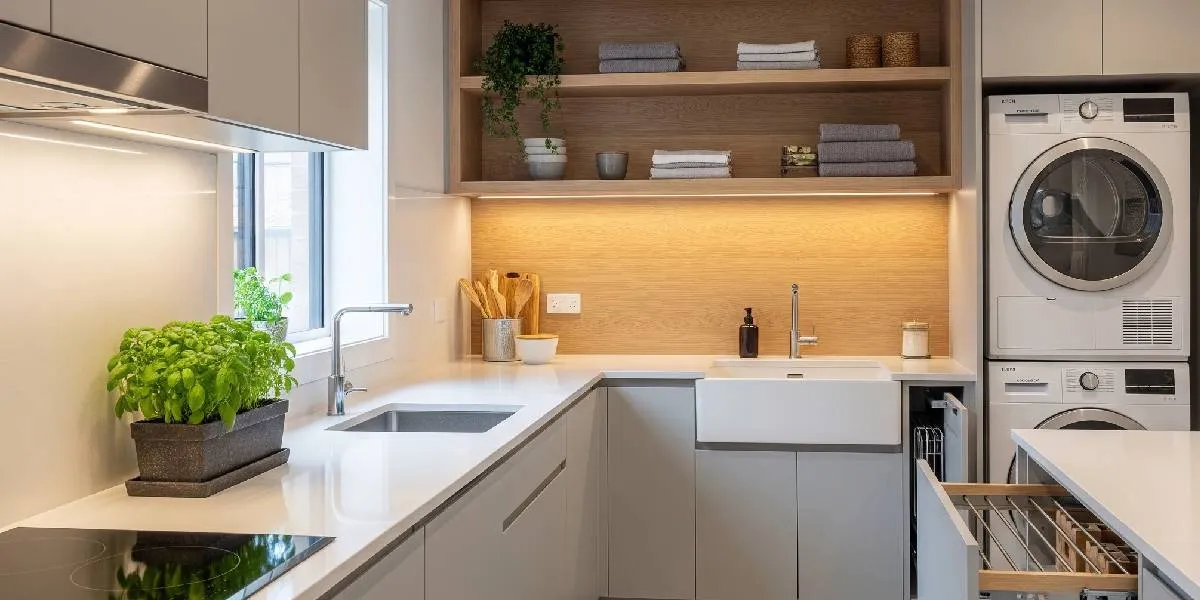
- The Zone Concept: Effective kitchen design often involves creating distinct zones for different activities (e.g., prep zone, cooking zone, cleaning zone). When the cleaning zone isn’t properly delineated, its inherent moisture can contaminate other areas.
- Consequences:
- Widespread Dampness: Splashes and steam from the sink easily reach countertops, cabinets, and appliances in the dry zones, subjecting them to unnecessary moisture.
- Material Damage in Dry Zones: Materials not intended for constant moisture exposure (e.g., certain countertop laminates, unsealed wood cabinets) can suffer damage.
- Hygiene Issues: Cross-contamination risk if wet areas are not kept separate from food preparation areas.
- Solutions:
- Physical Barriers: Use low splash guards, partial walls, or even tall backsplashes to contain splashes around the sink.
- Level Changes: A slight change in floor elevation can subtly delineate the wet area, though this requires careful planning to avoid trip hazards.
- Strategic Layout: Design the kitchen so the wet zone is somewhat isolated or positioned where moisture spread is minimized, perhaps at the end of a countertop run.
- Material Selection for Adjacencies: Ensure materials immediately surrounding the wet zone are also water-resistant.
6. Negligence in Plumbing Installation and Maintenance: The Silent Drip
Hidden leaks, often starting as tiny drips from pipes, faucets, or appliance connections, are insidious sources of chronic dampness that can go unnoticed for extended periods, causing significant damage.
- The Nature of Hidden Leaks: A slow drip from a faulty pipe joint, a worn faucet washer, or a poorly sealed connection under the sink can release water constantly into enclosed cabinet spaces, walls, or under the floor.
- Consequences:
- Extensive Structural Damage: Water slowly saturates wood, drywall, and insulation, leading to rot, mold, and structural compromise.
- Mold Proliferation in Concealed Areas: These dark, damp spaces are perfect for mold to thrive, often without any visible signs until the damage is severe.
- Pest Infestation: Damp, decaying materials attract pests like cockroaches and termites.
- Increased Repair Costs: Undetected leaks typically lead to more extensive and costly repairs, as the damage is usually widespread by the time it’s discovered.
- Solutions:
- Professional Installation: Always use qualified plumbers for new installations and repairs to ensure all connections are secure and leak-free.
- Quality Materials: Invest in durable, high-quality pipes, fittings, and faucets that are less prone to failure.
- Regular Inspections: Periodically check under sinks, behind dishwashers, and around pipe connections for any signs of moisture, drips, or water stains. Early detection is key.
- Moisture Alarms: Consider installing inexpensive water leak detectors in high-risk areas (e.g., under sinks, near dishwashers) that will alert you to the presence of water.
7. Suboptimal Storage Solutions for Wet Items: The Humid Cabinet
The way wet utensils, dishes, or even damp cleaning cloths are stored directly impacts the internal humidity of cabinets and the overall kitchen environment.
- The Microclimate of Enclosed Spaces: Placing damp items inside an enclosed, unventilated cabinet creates a microclimate of high humidity. The trapped moisture has nowhere to go and slowly evaporates, keeping the interior perpetually damp.
- Consequences:
- Cabinet Damage: Wood cabinets can warp, swell, and develop mold on their interior surfaces. Laminated cabinets can delaminate.
- Unpleasant Odors: Stagnant moisture and mold lead to persistent musty smells emanating from the cabinets.
- Contamination of Stored Items: Clean dishes can become contaminated with mold spores if stored in a damp environment.
- Pest Attraction: Damp, dark cabinets are attractive to various household pests.
- Solutions:
- Air Drying First: Always ensure dishes, pots, and pans are thoroughly dry before storing them in cabinets. Use a dish rack for air drying.
- Ventilated Storage: Opt for cabinets with integrated ventilation (e.g., slatted shelves, small vents) or consider open shelving for frequently used items that might still be slightly damp.
- Moisture-Resistant Cabinet Materials: Use moisture-resistant materials for cabinet interiors in high-risk areas, such as marine-grade plywood or laminated particleboard.
- Regular Airing: Periodically open cabinet doors to allow air circulation and dry out any trapped moisture.
Supporting Data: The Far-Reaching Impact of Moisture
The consequences of a persistently damp kitchen extend far beyond mere inconvenience, touching upon health, home integrity, and financial well-being.
1. Health Risks:
The primary health concern stemming from dampness is the proliferation of mold and mildew. Mold spores are common allergens, and exposure can trigger:
- Respiratory Issues: Worsening of asthma, chronic cough, wheezing, and shortness of breath.
- Allergies: Nasal stuffiness, throat irritation, eye irritation, and skin rashes.
- Infections: In immunocompromised individuals, certain molds can cause more serious infections.
- General Malaise: Headaches, fatigue, and difficulty concentrating are also reported in damp environments.
The World Health Organization (WHO) explicitly states that dampness and mold in buildings are associated with adverse health effects.
2. Structural and Material Degradation:
Moisture is a relentless enemy of building materials.
- Wood: Rot, warping, swelling, and delamination of cabinets, flooring, and structural timbers. This can compromise the structural integrity of the kitchen.
- Drywall and Plaster: Softening, crumbling, discoloration, and peeling paint.
- Metal: Rusting of appliances, plumbing fixtures, and cabinet hardware, leading to aesthetic damage and functional failure.
- Electrical Systems: Moisture can corrode electrical wiring and components, posing significant fire and shock hazards.
- Insulation: Damp insulation loses its effectiveness, leading to higher energy bills.
3. Financial Burden:
The costs associated with a damp kitchen can be substantial:
- Repair and Remediation: Replacing damaged cabinets, flooring, drywall, and treating mold infestations are expensive and often require professional services. A full mold remediation can cost thousands of dollars.
- Property Devaluation: A home with chronic dampness and mold issues will likely sell for a lower price, if it sells at all, due to the visible damage and potential health risks.
- Increased Utility Bills: If dehumidifiers are constantly running to combat humidity, energy consumption will increase. Poorly maintained or damaged insulation due to dampness also leads to higher heating/cooling costs.
4. Environmental Concerns:
Beyond direct financial and health costs, chronic dampness can contribute to a less sustainable household. The need to replace materials frequently, the energy consumption of dehumidifiers, and potential health issues all represent an increased environmental footprint. A well-designed, dry kitchen is inherently more sustainable, requiring fewer repairs and consuming less energy.
Official Responses and Expert Recommendations
Architects, interior designers, and building science experts consistently emphasize a proactive, holistic approach to kitchen design to mitigate moisture issues.
- Integrated Design Thinking: Professionals advocate for considering moisture management from the earliest design stages. This means integrating ventilation, drainage, and material choices as interconnected elements rather than afterthoughts. "A kitchen isn’t just about aesthetics; it’s a complex system that needs to function optimally in a high-moisture environment," states Sarah Chen, a renowned architectural consultant specializing in residential design. "Ignoring the fundamentals of moisture control is an invitation for future problems."
- Compliance with Building Codes: While specific codes vary by region, general principles regarding ventilation, plumbing, and waterproofing in wet areas are universally enforced. These codes are minimum standards designed to ensure safety and prevent major structural failures. Homeowners are advised to consult with certified professionals who are familiar with local building regulations to ensure compliance.
- Material Specification: Industry experts recommend specifying materials proven for their moisture resistance and durability in wet environments. This includes not only flooring and countertops but also cabinet construction and finishes. "Investing in high-quality, moisture-resistant materials upfront is far more cost-effective than dealing with water damage later," advises Michael Green, a certified kitchen designer.
- Emphasis on Maintenance: Beyond initial design, experts stress the importance of ongoing maintenance. Regular checks of plumbing, prompt repairs of leaks, and consistent cleaning of drains and ventilation systems are crucial for long-term success. "A perfectly designed kitchen can still fall victim to dampness if not properly maintained," Green adds. "Homeowners need to be vigilant."
- Sustainable and Healthy Home Design: Modern design principles increasingly merge functionality with sustainability and occupant health. A dry kitchen is a cornerstone of a healthy home, contributing to better indoor air quality and reduced energy consumption. Professionals are increasingly guiding clients towards designs that prioritize these long-term benefits.
Implications: A Call for Proactive Design and Vigilance
The implications of neglecting effective moisture management in the kitchen’s washing area are profound, affecting everything from daily comfort and long-term financial stability to the very health of a home’s occupants.
The journey from a poorly designed washing zone to a chronically damp kitchen is often subtle, a gradual accumulation of moisture and its insidious effects. However, the trajectory is predictable and preventable. By understanding the seven critical design flaws – from insufficient ventilation and suboptimal placement to inadequate drainage and neglected plumbing – homeowners and designers can make informed decisions that safeguard the kitchen.
A kitchen, particularly its wet zones, is a dynamic environment. Its design must anticipate the constant interaction with water and steam. Proactive measures, taken during the planning and construction phases, are exponentially more effective and less costly than reactive repairs. This involves a commitment to robust ventilation systems, intelligent layout planning, selection of appropriate, durable materials, and meticulous attention to plumbing details.
Furthermore, the responsibility doesn’t end with construction. Regular inspection and diligent maintenance are crucial for ensuring the longevity of the kitchen’s moisture-resistant features. A small drip, if caught early, is a minor repair; left unchecked, it can lead to extensive and expensive structural damage and mold remediation.
Ultimately, a dry kitchen is not just about preventing damage; it’s about fostering a healthy, comfortable, and resilient living space. It enhances the enjoyment of cooking and dining, preserves the aesthetic and functional integrity of valuable investments, and protects the well-being of those who inhabit the home. The call to action is clear: prioritize thoughtful design and maintain unwavering vigilance to ensure that the heart of your home remains vibrant, dry, and healthy for years to come.