Caught Between Cables and Captivity: The Perilous Journey of the Javan Slow Loris
By [Your Name/Journalistic Desk]
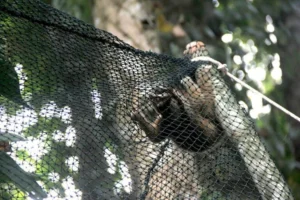
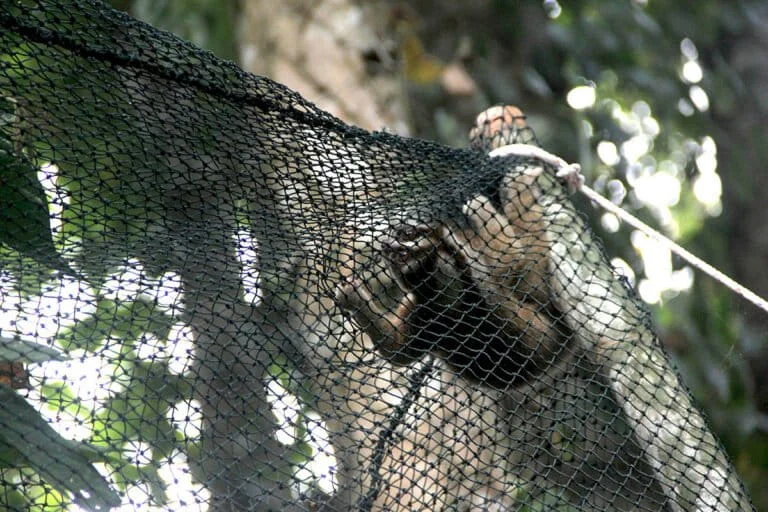
The discovery of a Javan slow loris (Nycticebus javanicus) clinging to a tangle of electrical wires in Pamekasan, Madura, on September 23, 2026, was more than just an unusual sighting—it was a stark reminder of the tenuous survival of one of Indonesia’s most protected and misunderstood primates. While the sight of the nocturnal, wide-eyed creature in a suburban landscape may seem like an anomaly, it has triggered a complex, multi-stage conservation response from the East Java Natural Resources Conservation Agency (BBKSDA).
This incident raises fundamental questions: What happens when a wild, venomous primate is displaced from its natural forest habitat? Can it simply be returned to the wild, or is the journey back to nature fraught with the necessity of rigorous rehabilitation?
The Anatomy of a Rescue: From Cables to Care
When the Pamekasan loris was retrieved, it was immediately transferred to the Wildlife Rescue Unit (UPS) of the BBKSDA East Java in Sidoarjo. According to Nur Patria Kurniawan, Head of the BBKSDA, the creature’s survival is now contingent upon a series of meticulous, science-based protocols.
“The intervention is not merely about pulling a creature off a wire; it is about assessing whether the individual can function as a wild animal,” Patria explained on October 24, 2026. “Our process involves exhaustive medical screenings, a mandatory quarantine period to prevent the transmission of zoonotic diseases, and a behavioral assessment that determines if the loris has retained the instinctual tools required for survival in the canopy.”
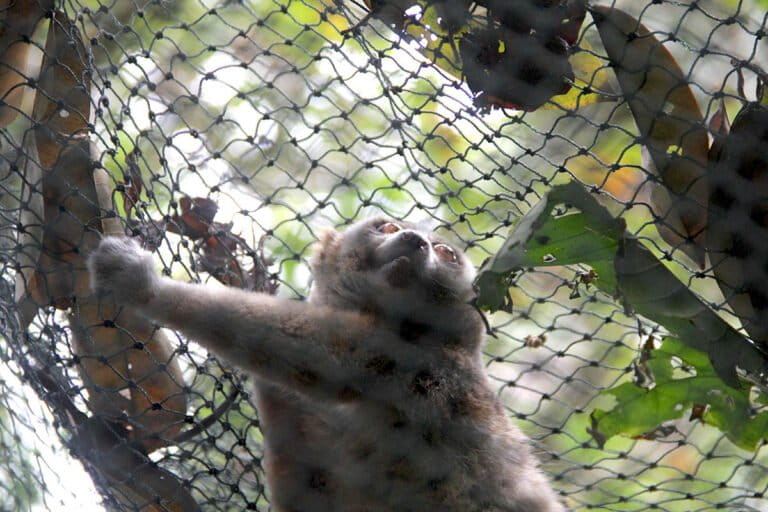
The initial phase focuses on physical stabilization. Lorises recovered from urban environments are often suffering from trauma, dehydration, or, in many cases, severe electrical burns. Veterinarians perform comprehensive exams to identify underlying infections or injuries that may not be visible to the naked eye. This is followed by a period of strict quarantine, a non-negotiable step to protect both the individual and the existing animal population within the rescue facility.
Defining the Behavioral Threshold for Release
The transition from a cage to the wild is perhaps the most difficult phase for any rescued primate. For a species as specialized as the Nycticebus javanicus, "releasing" them is not simply a matter of opening a door in a remote forest. It is a calculated scientific endeavor.
"Physical health is a baseline, not a guarantee," says Patria. "We must observe whether the loris demonstrates the necessary nocturnal activity, the agility to navigate complex arboreal structures, and the ability to forage for natural prey without showing the maladaptive, human-dependent behaviors often acquired during captivity."
The assessment criteria are rigorous. Experts look for:
- Natural Foraging: Can the animal identify and access its natural diet?
- Arboreal Proficiency: Does it exhibit the slow, deliberate movement patterns required for forest life?
- Environmental Responsiveness: Does it exhibit appropriate fear and avoidance of humans?
- Social Dynamics: Can it integrate into, or thrive alongside, existing local populations without causing ecological disruption?
The Geographical Dilemma: Navigating the Madura Anomaly
The location of the rescue—Pamekasan, Madura—adds a layer of complexity to the conservation effort. The Javan slow loris typically occupies habitats in West and Central Java, with only limited, specific pockets in East Java. Finding one in Madura, an island where they are not historically endemic, implies that the animal may have been a victim of the illegal pet trade.
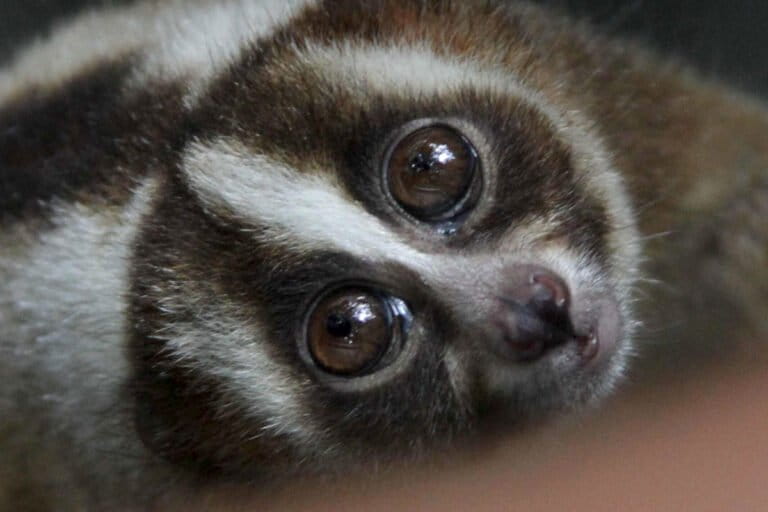
BBKSDA is currently conducting a formal investigation into the origins of the loris. They are tracing the potential route of its displacement, seeking to understand whether it was kept as an exotic pet and subsequently escaped or was abandoned.
"If the animal is a product of illegal trade, it carries the trauma of human interaction," noted one wildlife biologist familiar with the case. "This makes the rehabilitation process exponentially longer, as we are not just healing a body; we are potentially unlearning a life of captivity."
The selection of a release site is therefore critical. The chosen habitat must fall within the natural distribution range of the species, possess the necessary ecological carrying capacity, and be free from the threat of poaching or further human encroachment. If the loris fails to meet these criteria, it faces the prospect of indefinite sanctuary in a rehabilitation facility.
The Invisible Killer: The Crisis of Electrical Infrastructure
Beyond the immediate case in Pamekasan, the broader picture of loris conservation is grim. Data provided by the Yayasan Inisiasi Alam Rehabilitasi Indonesia (YIARI) underscores a rising, often overlooked threat: the proliferation of electrical grids in areas encroaching upon forest fragments.
Ismail Agung Rusmadipraja, Senior Manager of Education and Awareness at YIARI, revealed sobering statistics for 2026. Between January and September, the organization handled 39 Javan slow lorises. Of that number, a staggering 14 individuals—roughly 36%—were victims of electrocution.
"These numbers are just the tip of the iceberg," Ismail explained. "They only represent cases that were reported to us. For every loris that makes it to a rescue center, many more likely die in the canopy, undiscovered."
A longitudinal study of YIARI’s rehabilitation center in Bogor from 2019 to 2025 provides further evidence of this trend. During that six-year period, 51 cases of electrocution were documented. The statistics paint a volatile picture:
- 2019: 12 cases
- 2020: 4 cases
- 2021: 7 cases
- 2022: 9 cases
- 2023: 7 cases
- 2024-2025: 6 cases annually
The medical consequences of these accidents are catastrophic. Of the 51 individuals tracked in the report, 25 perished due to the severity of their injuries—often third or fourth-degree burns. Only 41.2% (21 individuals) were successfully rehabilitated and returned to the wild.
"The tragedy is that the damage is often progressive," Ismail noted. "Electrocution causes deep-tissue necrosis that can spread days after the initial contact. Even with the best veterinary care, the odds are frequently stacked against them."
The Path Forward: Conservation and Human Responsibility
The story of the Pamekasan loris serves as a microcosm of the challenges facing Indonesia’s biodiversity. As urban and industrial landscapes expand, the "wild" is increasingly forced to navigate an environment designed for humans.
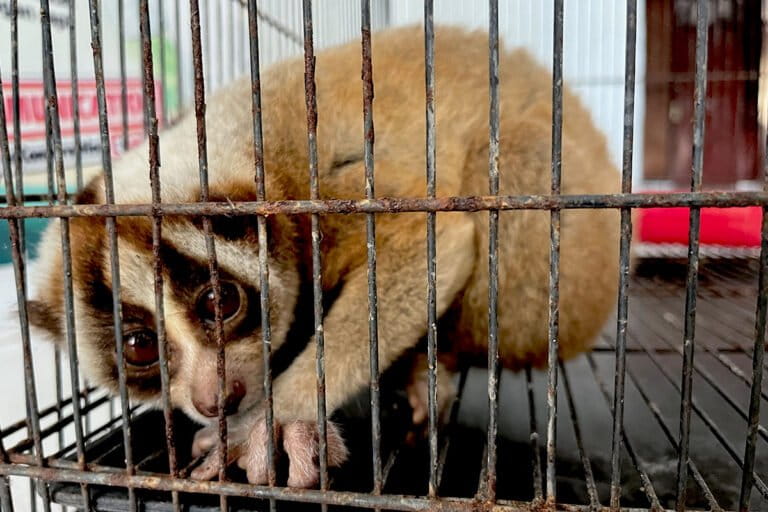
The BBKSDA’s commitment to a holistic, scientific approach—from rescue to rigorous behavioral evaluation—is the gold standard for modern wildlife management. However, experts emphasize that individual rescues are not a long-term solution.
Key Implications for the Future:
- Habitat Connectivity: Efforts must be made to maintain arboreal corridors that allow lorises to move without crossing power lines or high-traffic areas.
- Public Education: The illegal trade remains a primary driver of displacement. Public awareness campaigns are essential to discourage the ownership of protected wildlife.
- Infrastructure Modification: Working with utility companies to insulate power lines in high-risk areas could significantly reduce the number of electrocution-related fatalities.
- Policy Enforcement: Strengthening the legal repercussions for the trade and capture of Nycticebus javanicus is vital to curbing the influx of animals into the rehabilitation system.
As the Pamekasan loris continues its recovery, its fate remains uncertain. Will it return to the canopy, or will it remain a permanent ward of the state? Regardless of the outcome for this one individual, the conversation it has sparked is clear: the survival of the Javan slow loris is inextricably linked to our willingness to adapt our infrastructure and our behaviors to coexist with the silent, nocturnal life that still clings to the edges of our world.
The task ahead is monumental, requiring a synergy between government agencies, NGOs, and the local communities who share their space with these elusive creatures. Until then, the rescue of a single loris serves as a poignant, if fragile, victory in the ongoing fight to preserve one of Java’s most iconic, yet vulnerable, species.