Ensuring Pilgrimage Resilience: Indonesia’s Strategic Pivot to Mandatory Health Manasik by 2027
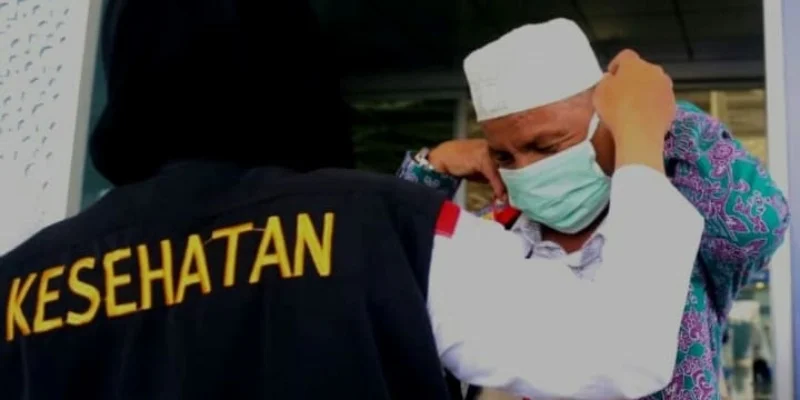
JAKARTA – In a move aimed at fundamentally restructuring the logistical and medical preparedness of Indonesia’s Hajj pilgrimage, the government has announced the implementation of a comprehensive "Health Manasik" (Health-Focused Pilgrimage Guidance) program, set to become mandatory by 2027. This initiative marks a significant departure from traditional administrative preparation, shifting the focus toward proactive physical conditioning and stringent medical screening to align with the evolving health standards enforced by the Kingdom of Saudi Arabia.
As the Indonesian government looks toward the future of its Hajj operations, the emphasis is increasingly placed on the concept of Istitaah—the fundamental requirement that a pilgrim must be physically and mentally capable of performing the arduous rites of Hajj.
The Core Objective: Moving Beyond Formalities
The mandate, as underscored by stakeholders and policymakers, is designed as a preventive bulwark against the medical emergencies that have historically plagued the Hajj season. Mahdalena, a legislator from the National Awakening Party (PKB) representing West Nusa Tenggara, has emerged as a vocal proponent of this policy.
"We fully support the implementation of the Hajj health manasik program starting in 2027," Mahdalena stated during an interview in Jakarta. "This program must serve as more than just a medical formality on paper; it must be a tangible instrument to reduce the rate of medical emergencies and fatalities among Indonesian pilgrims in the Holy Land."
For years, critics have argued that the pre-departure health checks were often treated as a bureaucratic checkbox. By formalizing "Health Manasik," the government aims to transform the pre-departure period into a rigorous conditioning phase, ensuring that only those who are truly fit—or have been medically managed to be fit—are cleared for travel.
Chronology of a Policy Shift
The decision to formalize this health-centric approach did not happen in a vacuum. It is the result of years of analyzing data regarding the demographics and health profiles of Indonesian pilgrims.
- Pre-2025: Hajj health screenings were largely siloed from spiritual guidance (Manasik). While basic health checks existed, there was little integration between physical conditioning and the logistics of the pilgrimage.
- 2025-2026: Increasing pressure from Saudi health authorities regarding the standard of health for incoming pilgrims prompted a review of Indonesia’s medical clearance processes.
- July 2026: The formal announcement of the 2027 rollout. The government signaled that it would integrate the health curriculum into the standard religious guidance provided by the Ministry of Religious Affairs and local health departments.
- 2027 and Beyond: Full implementation, where completion of the Health Manasik becomes a prerequisite for final Hajj clearance.
Integrating Medicine with Spirituality
The "Health Manasik" curriculum represents a holistic approach to pilgrimage. Mahdalena emphasized that the program would not be limited to basic blood pressure or cholesterol screenings. Instead, it is designed to be comprehensive, covering several critical areas:
1. Proactive Comorbidity Management
Many Indonesian pilgrims suffer from chronic conditions such as diabetes, hypertension, or cardiovascular issues. The early detection window provided by this program gives medical teams the necessary lead time to intervene, treat, and stabilize these conditions well before the flight to Jeddah.
2. Education on Physical Resilience
The Hajj is physically demanding, involving long hours of walking under extreme temperatures. The program will mandate:
- Structured Exercise: Pilgrims will be encouraged to engage in routine physical conditioning tailored to their age groups.
- Hydration Strategies: Education on preventing extreme dehydration, a leading cause of heat-related illness in Saudi Arabia.
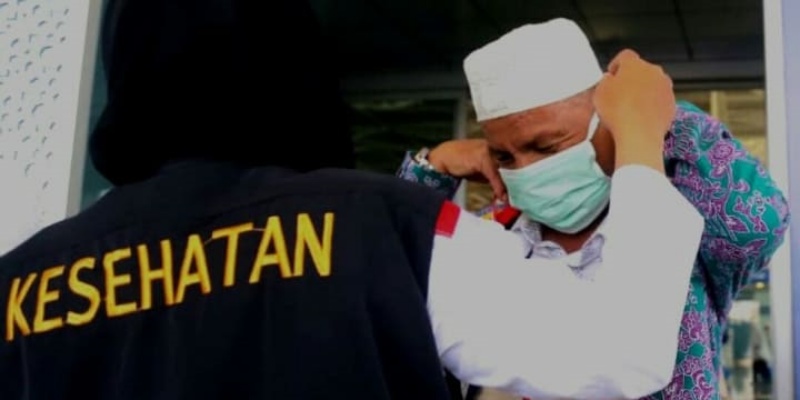
- Respiratory Protection: Protocols for avoiding the spread of infectious diseases, particularly respiratory infections common in crowded environments.
3. Medication Literacy
A significant challenge identified by medical teams in the Holy Land is the improper management of medications by elderly pilgrims. The new curriculum will train pilgrims on proper medication storage, dosage timing, and the importance of adhering to regimens even amidst the travel chaos.
Official Perspectives and the Role of Stakeholders
The success of this initiative hinges on the coordination between the central government, local regional offices, and the Kelompok Bimbingan Ibadah Haji dan Umrah (KBIHU)—the private groups that guide pilgrims through the rituals.
"All parties involved in the organization of the Hajj pilgrimage must possess the same level of understanding and commitment," Mahdalena asserted. "The success of reducing the Hajj mortality rate can only be achieved if all institutions involved display the same firmness in enforcing the flight-readiness standards of our pilgrims."
The government is tasked with the immediate challenge of distributing these standardized health guidelines to every province and regency. By standardizing the curriculum, the government aims to ensure that a pilgrim in a remote area of Indonesia receives the same quality of health-readiness preparation as a pilgrim in a major metropolitan center like Jakarta.
Implications: The Quest for ‘Istitaah’
The term Istitaah—or the capacity to perform Hajj—is a religious obligation. However, the interpretation of Istitaah is evolving. It is no longer viewed solely through the lens of financial capability; it is now viewed as an intersection of spiritual readiness and physical viability.

The Economic and Logistical Impact
By ensuring a healthier pilgrim population, the government expects a reduction in the burden on the Indonesian Hajj Health Clinic (KKHI) in Saudi Arabia. Currently, the sheer volume of pilgrims requiring medical attention for preventable issues consumes significant resources and personnel. A healthier cohort of pilgrims means a more efficient use of the limited medical staff deployed by the government.
The Human Impact
The goal is to ensure that the "Guest of Allah" can focus entirely on the spiritual aspects of the pilgrimage rather than being sidelined by preventable health crises. For many, the Hajj is a once-in-a-lifetime journey. The trauma of medical complications not only affects the individual pilgrim but also impacts their families and the collective experience of the Indonesian delegation.
Challenges Ahead
Despite the optimism surrounding the policy, challenges remain. Critics point to the vast geographic diversity of Indonesia and the varying levels of access to health facilities.
- Uniformity of Service: Can a remote rural clinic provide the same level of "Health Manasik" as a major city hospital?
- Compliance: Ensuring that pilgrims actually adhere to the conditioning programs at home requires high levels of motivation and monitoring.
- Cultural Sensitivity: Introducing medical regimens into religious spaces requires a careful balance to ensure the health advice is seen as an extension of spiritual care rather than a deterrent.
A New Era for Indonesian Pilgrims
As the 2027 deadline approaches, the Ministry of Health and the Ministry of Religious Affairs are expected to collaborate on a digital tracking system. This system would allow health workers to monitor a pilgrim’s progress through the Health Manasik modules, ensuring that by the time a pilgrim steps onto the plane, they have met the medical criteria for a safe journey.
The policy shift is not merely an administrative update; it is a profound recognition that the health of the nation’s citizens is a priority that transcends the borders of the country. By institutionalizing the Health Manasik, Indonesia is taking a leadership role in the region, setting a standard for how modern, health-conscious pilgrimages should be managed in the 21st century.
"We are aiming for a generation of pilgrims who are not only spiritually ready but physically resilient," Mahdalena concluded. "When a pilgrim is physically prepared, the Hajj becomes a source of peace rather than a source of stress. That is the ultimate goal of this policy."
As stakeholders continue to refine the details of the program, the focus remains clear: through early intervention, rigorous education, and a shared national commitment to health, the Hajj experience for millions of Indonesians can be transformed into a safer, more spiritually fulfilling journey. The year 2027 will not just be another Hajj season; it will represent the dawn of a new, more robust approach to one of the most significant religious duties in the Islamic world.