The End of an Era: Sony Announces Phased Closure of PlayStation Store for PS3 and PS Vita
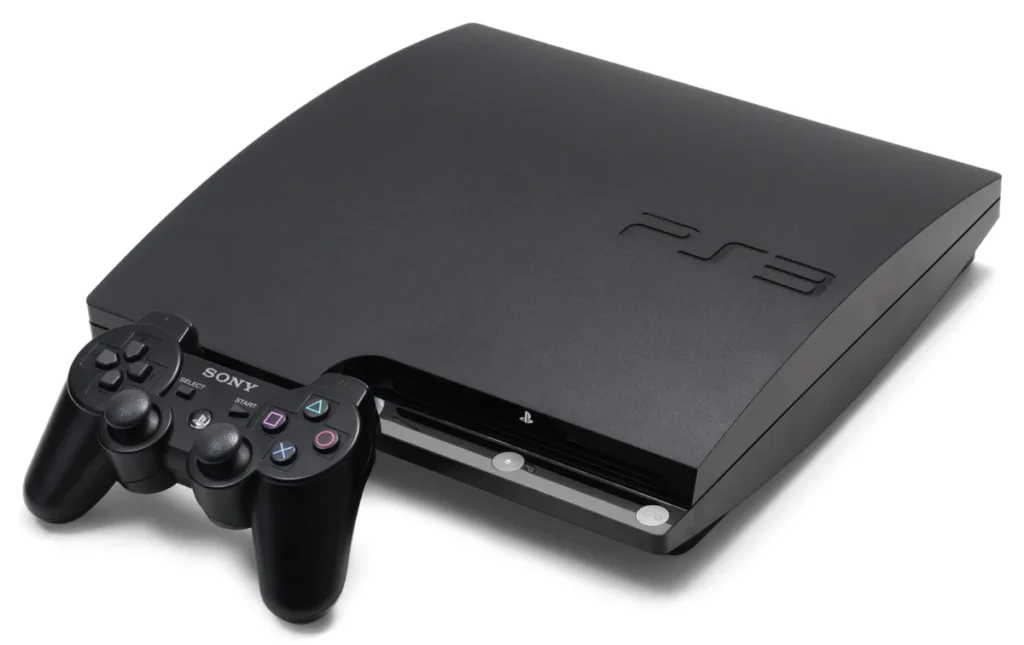
The landscape of digital gaming is shifting once again, and this time, the transition marks the sunset of a beloved era. Sony Interactive Entertainment (SIE) has officially announced that it will begin a phased decommissioning of the PlayStation Store for its legacy consoles, the PlayStation 3 (PS3) and the PlayStation Vita (PS Vita). This decision effectively draws the curtains on platforms that, for many, defined a pivotal decade in interactive entertainment.
While the closure is not immediate, it sets a clear expiration date for the digital storefronts of these classic systems. By July 2027, the PlayStation Store will cease operations globally for both the PS3 and the PS Vita, signaling the end of an era where digital distribution was still finding its footing.
The Chronology of the Sunset
The decommissioning process is not a "one-size-fits-all" switch. Sony has opted for a staggered approach, allowing users in different global territories varying amounts of time to finalize their purchases.
- August 2026: The initial phase of the closure will begin in specific regions, starting with Mexico, Honduras, and Nicaragua.
- Late 2026 – Mid 2027: The closure will systematically expand to other international markets. Sony intends to roll out these restrictions based on regional infrastructure and existing support logistics.
- July 2027: The final date for global operations. By this point, the digital storefronts for both the PS3 and the PS Vita will be fully decommissioned, rendering the "Store" application on these consoles non-functional for new transactions.
Official Justification: Technical Debt and Future Focus
In a statement released via the official PlayStation Blog, Sony clarified the reasoning behind this difficult decision. The primary driver, according to the tech giant, is the obsolescence of the backend systems powering these stores.
"The payment processing and security protocols utilized on the PlayStation 3 and PlayStation Vita architectures were designed in a different era of internet security," a spokesperson for SIE noted. Maintaining these legacy systems requires significant, dedicated resources—not just in terms of server maintenance, but in ensuring that the payment gateways meet modern cybersecurity standards, such as PCI-DSS compliance and updated encryption protocols.
Sony emphasized that their development teams are now fully pivoting toward optimizing the user experience for the current generation of hardware, including the PlayStation 5 and future iterations of the PlayStation ecosystem. By reallocating the engineering talent tasked with patching legacy vulnerabilities, Sony aims to bolster the performance and security of its modern digital services.
Preserving the Library: What Happens to Your Games?
A critical concern for the gaming community is the fate of existing digital libraries. Sony has provided a necessary clarification: while the ability to purchase new content is ending, the ability to access previously acquired content remains intact.
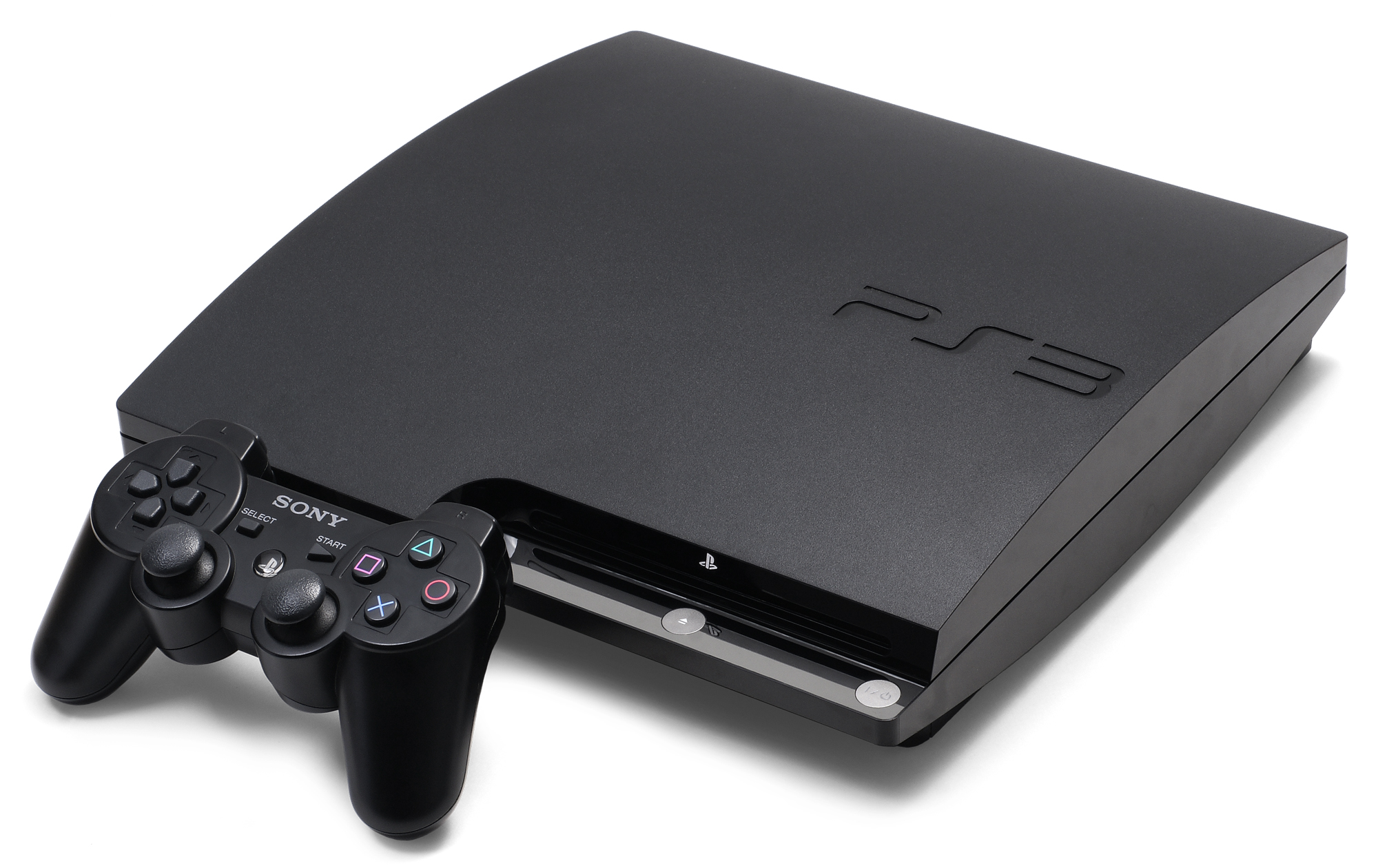
Users will continue to be able to download their previously purchased games, DLC, themes, and avatars indefinitely. The "Download List" on the consoles will remain active for the foreseeable future. This distinction is vital; it prevents the total erasure of a player’s digital history. However, users should be aware that if a specific title is removed from the store by a third-party publisher for licensing reasons, those specific titles may become harder to re-download if not already present in the user’s history.
The Cultural Legacy: PS3 and PS Vita’s Impact
To understand why this news carries such weight, one must look at what these consoles represented.
The PlayStation 3 was a powerhouse of innovation. Launched in 2006, it weathered a difficult start to become a foundational pillar of modern gaming. It was on the PS3 that many of the industry’s most revered franchises—Uncharted, The Last of Us, Demon’s Souls—were born or perfected. It also served as the primary testbed for the PlayStation Network (PSN), teaching Sony—and the industry at large—how to handle massive digital downloads, trophy systems, and online multiplayer integration.
The PS Vita, conversely, holds a special place in the hearts of enthusiasts. Despite being eclipsed by the explosive growth of mobile gaming and the subsequent dominance of the Nintendo Switch, the Vita was a "gamer’s console." With its OLED screen, dual analog sticks, and a robust library of JRPGs, indie darlings, and "cross-buy" titles, it offered a premium handheld experience that many still consider unmatched. Its closure is viewed by many as the definitive end of Sony’s direct commitment to the dedicated handheld hardware market.
The "Digital Dark Age" and the Preservation Debate
The announcement has reignited the firestorm surrounding the ethics of digital-only media. As Sony simultaneously announced a shift toward a 100% digital-first distribution model for new games starting in 2028, the industry is facing a crisis of preservation.
When a digital store closes, the barriers to entry for newcomers become insurmountable. Titles that were released exclusively on the PS3 or PS Vita storefronts—often referred to as "PSN Exclusives"—are effectively deleted from the market once the store goes dark. Without the ability to buy these games, the history of these titles relies entirely on pre-existing ownership or the secondary market for physical media, which is often prohibitively expensive or non-existent for digital-only releases.
Critics argue that "buying" digital content is, in reality, merely "licensing" it. This realization has prompted calls for:

- Open Source Archiving: Advocacy groups are pushing for publishers to allow for offline, DRM-free backups of digital purchases.
- Extended Support Windows: A mandate that companies must provide a "grace period" of several years where servers remain active for downloading content before shutting down entirely.
- Cross-Platform Compatibility: The desire for a unified library where a purchase on a PS3 or Vita is automatically recognized and playable on modern hardware, effectively "grandfathering" in classic titles.
Preparing for the Deadline
For collectors and enthusiasts, the clock is now ticking. If there are titles on the PS3 or PS Vita store that you have been eyeing, now is the time to prioritize those acquisitions.
Recommended Actions for Users:
- Audit Your Library: Check your download history to ensure all your titles are accounted for.
- Back Up Your Data: Ensure your consoles are in good working order and consider backing up your hard drives where possible.
- Finalize Purchases: If there are classic titles or indie games exclusive to these stores, they should be purchased before your specific region reaches its cutoff date.
- Physical Media: In light of the 2028 shift toward digital-only, the value of physical discs for the PS3 is expected to rise. Collectors should prioritize acquiring physical copies of their favorite games while the market remains relatively stable.
Conclusion: Looking Ahead
The closure of the PlayStation Store for PS3 and PS Vita is a sobering reminder of the ephemeral nature of the digital age. While technology must inevitably evolve and legacy systems must be retired to make room for the future, the loss of these storefronts serves as a cautionary tale for the gaming industry.
As we move toward the 2028 all-digital future, the industry must grapple with the responsibility of preservation. A game should not simply vanish because a corporate server has been unplugged. Until a more robust solution for digital longevity is implemented, the gaming community will continue to view these closures with a mix of resignation and resentment, mourning the loss of the digital spaces where so many memories were forged.
For now, the PS3 and PS Vita live on in our collections—at least for a little while longer.