
The $5,500 GPU: ASUS Redefines Luxury with the ROG Astral RTX 5090 Edition 20
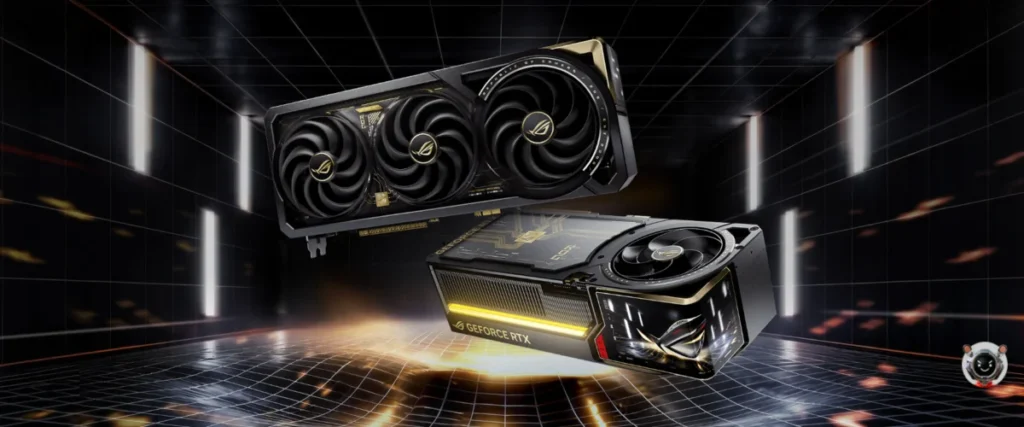
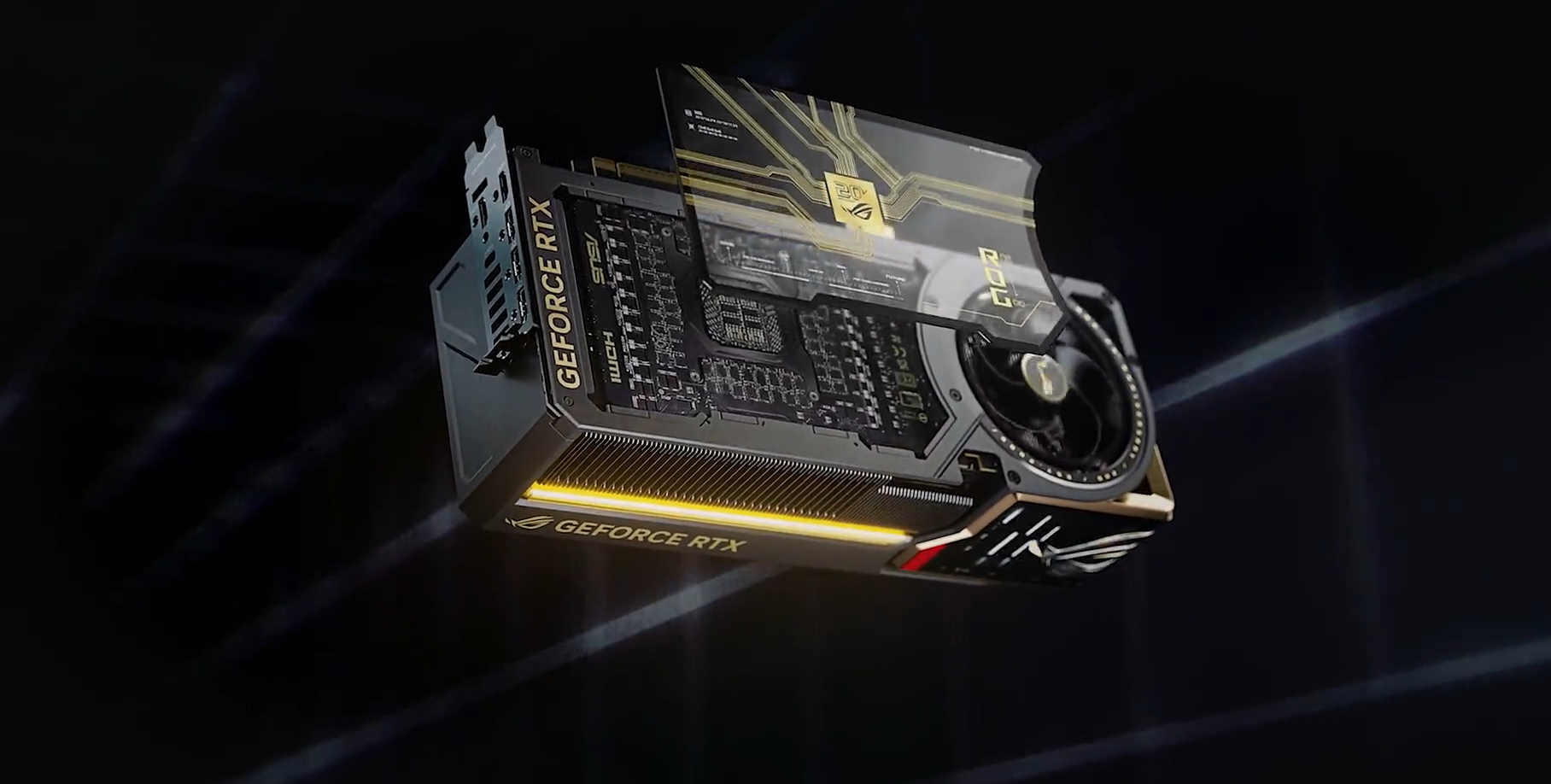
The landscape of PC enthusiast hardware has long been defined by the pursuit of the "ultimate" performance. For years, the metric for success was simple: higher frame rates, lower latency, and better cooling. However, a new paradigm has emerged—one where exclusivity, aesthetic opulence, and collector status carry as much weight as raw silicon performance. ASUS, the titan of the motherboard and graphics card market, has officially signaled this shift with the announcement of its most audacious product to date: the ASUS ROG Astral GeForce RTX 5090 Edition 20.
Priced at a staggering $5,499.99, this card is not merely a component; it is a statement piece. Released to commemorate the 20th anniversary of the Republic of Gamers (ROG) brand, it shatters all previous pricing benchmarks for consumer graphics cards, leaving the flagship ROG Matrix Platinum and the ROG Astral LC variants in its wake.
The Facts: A Titan of Excess
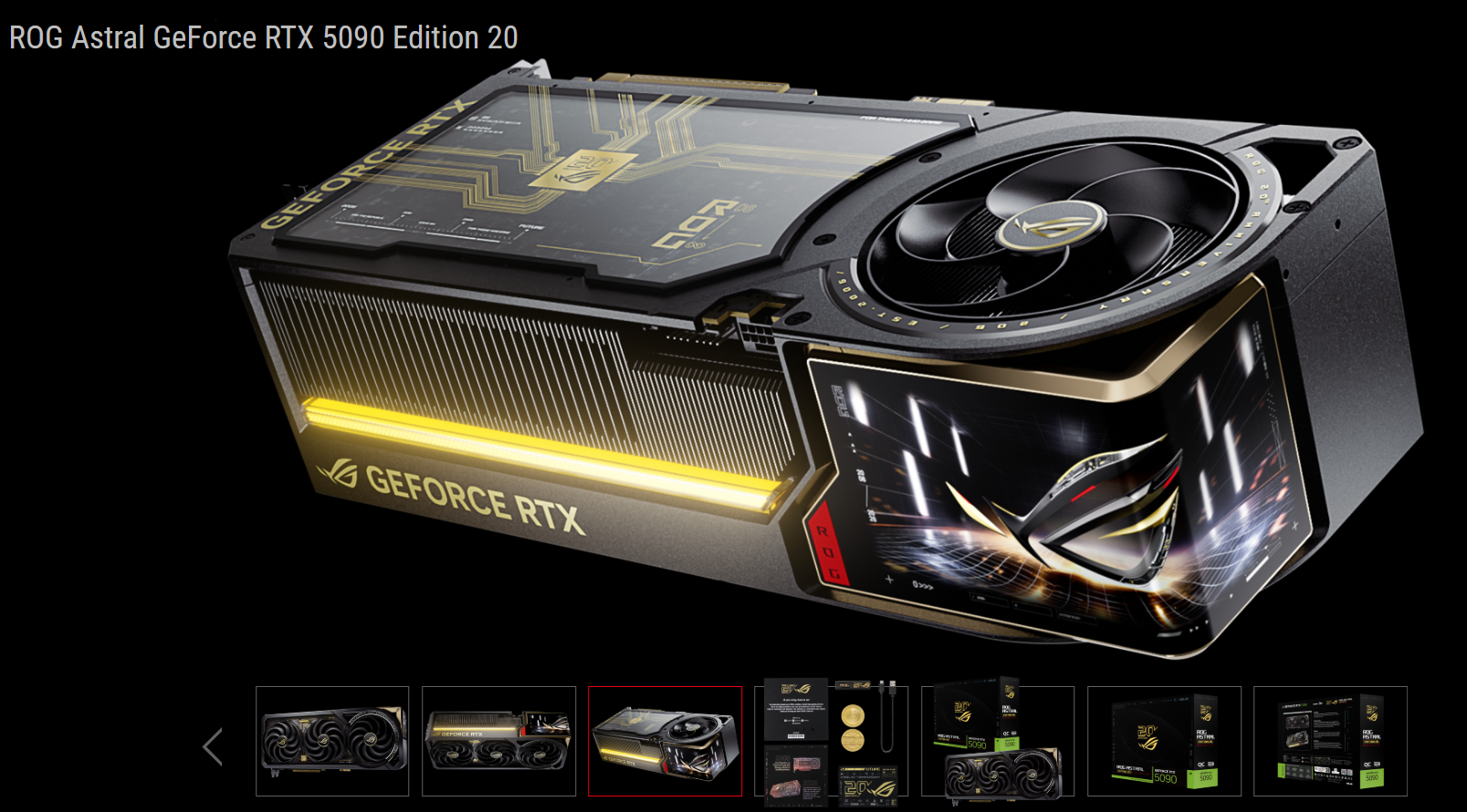
The ASUS ROG Astral RTX 5090 Edition 20 stands at the apex of the current GPU market. While the core engine remains the formidable NVIDIA GeForce RTX 5090—equipped with 32GB of cutting-edge GDDR7 memory—the "Edition 20" is far from a standard factory-overclocked card.
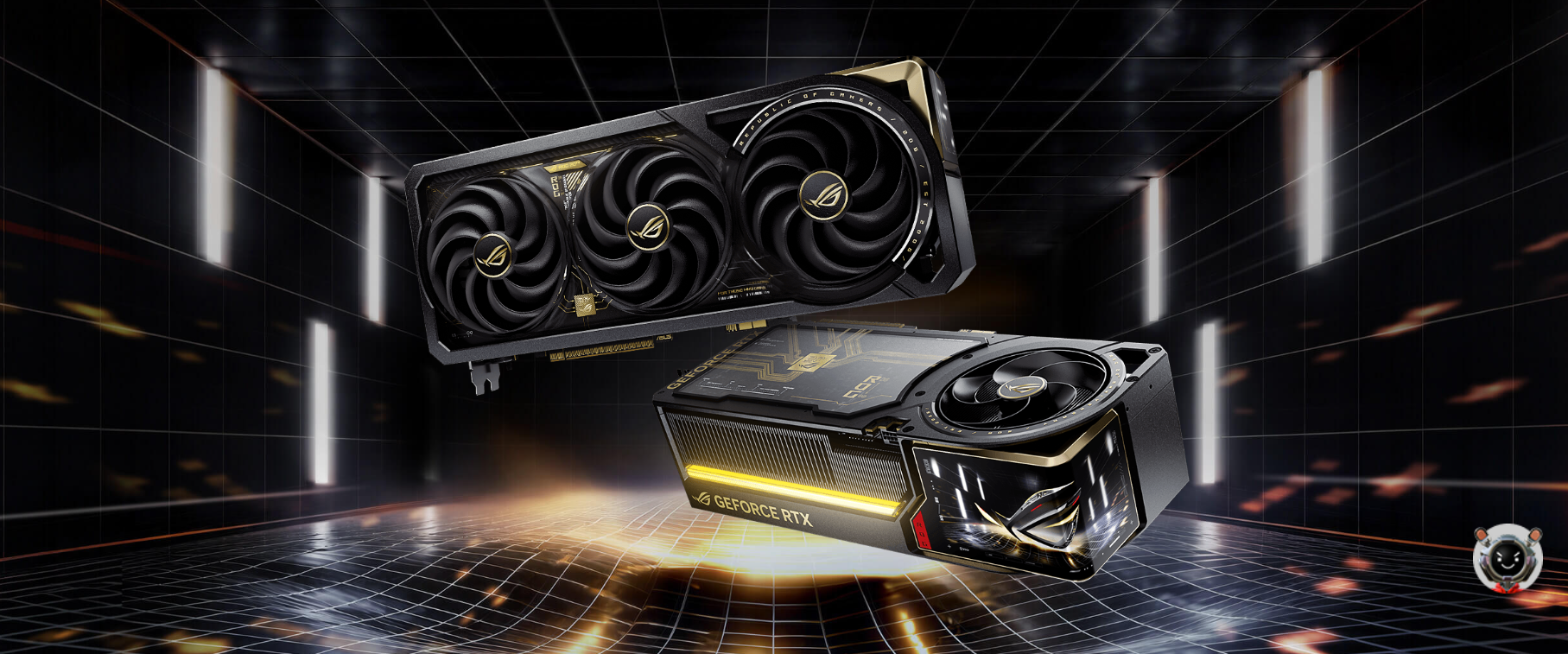
Key Specifications and Features:
- Aesthetic Architecture: The card features a bespoke industrial design defined by a striking black and gold color scheme, signifying its prestige.
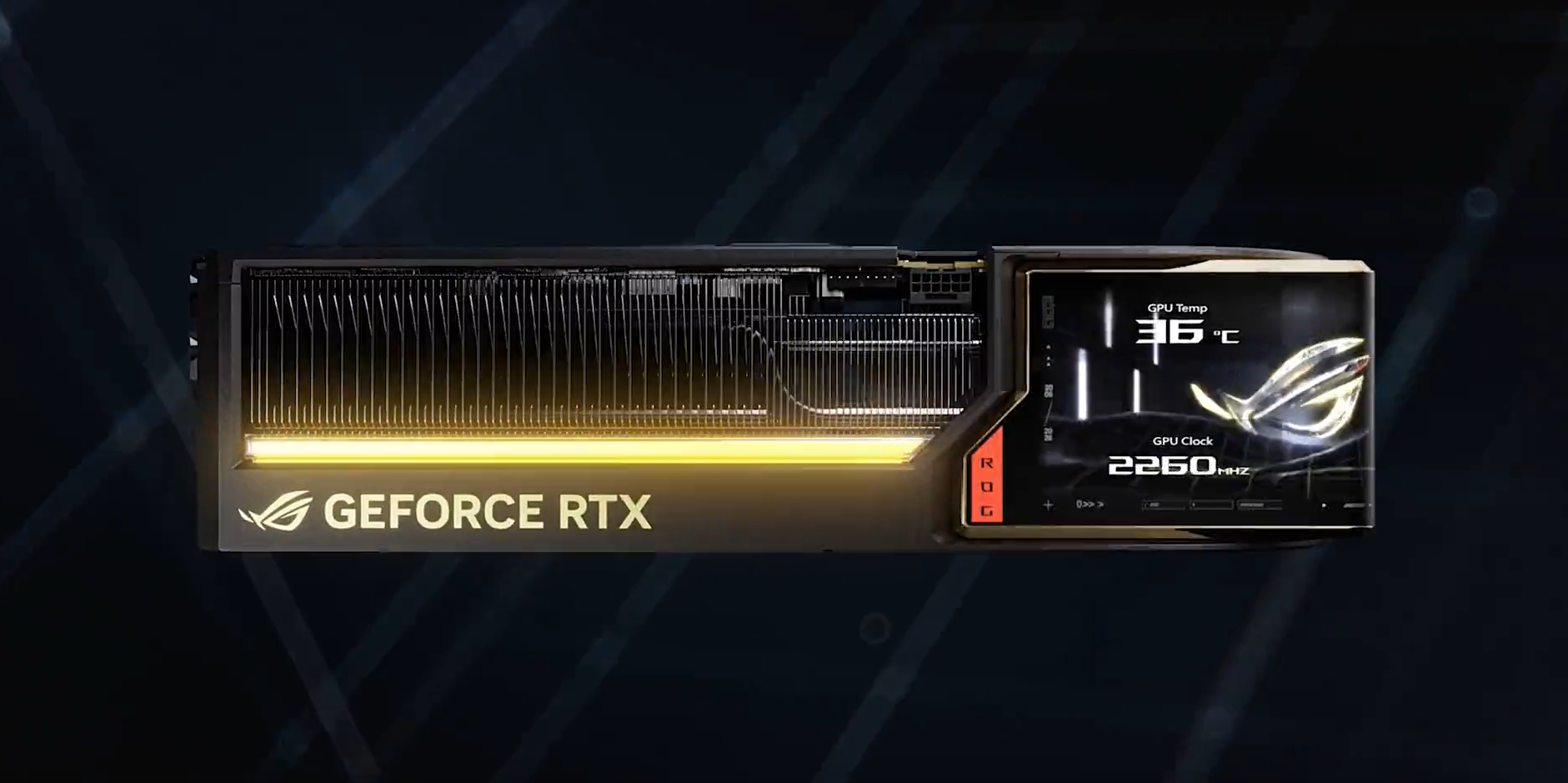
- Integrated AMOLED Display: A curved, high-resolution AMOLED panel is built directly into the shroud, providing real-time telemetry, hardware monitoring, and customizable animations.
- Thermal Engineering: To manage the thermal output of such a beast, ASUS has employed an advanced quad-fan cooling system paired with a massive vapor chamber, ensuring that peak performance is maintained under heavy load.
- Power Delivery: The card supports a staggering 800-watt power delivery via a specialized GC-HPWR adaptor, underscoring its status as a platform for extreme overclockers and enthusiasts.
- Collector’s Bundle: The retail package is designed as an experience rather than a shipment, including an exclusive backplate, a custom-machined graphics card holder, branded magnets, limited-edition keycaps, a specialized PCB ruler, and a commemorative letter from the ROG design team.
A Chronology of Escalation
The journey to the $5,500 price point did not happen overnight. It is the result of years of market conditioning and a push toward "ultra-premium" hardware tiers.
The Build-Up
In the months leading up to the release, rumors circulated regarding a "super-flagship" from ASUS. The market expected a high price, but speculation varied wildly. Initial reports from European retailers suggested a price tag exceeding $7,000, driven by aggressive VAT policies and supply chain scarcity. When the card finally appeared on the official ASUS U.S. store, the $5,499.99 price tag was, ironically, met with a sigh of relief by some, even as it set a new record for the most expensive consumer-grade GPU ever listed.
The "Ghost" Listing
Adding to the intrigue, shortly after the price was confirmed and the product page went live, the pricing information vanished from the official ASUS portal. As of this writing, the listing exists as a placeholder, fueling further speculation about limited inventory and potential "invitation-only" purchasing models.

Supporting Data: The Cost of Extremism
To understand why this card exists, one must look at the economic reality of the high-end PC enthusiast sector.
| Model | Price (USD) | Positioning |
|---|---|---|
| Standard RTX 5090 | ~$2,000 – $2,500 | High-End Performance |
| ROG Astral LC 5090 OC | $4,529 | Enthusiast Liquid-Cooled |
| ROG Matrix Platinum 5090 | $3,999 | Professional Enthusiast |
| ROG Astral Edition 20 | $5,499 | Collector’s/Ultra-Luxury |
The data indicates a clear strategy: ASUS is segmenting the top of the market. While the ROG Matrix series targets the performance-obsessed, the Astral Edition 20 targets the "luxury" demographic—the same audience that buys limited-edition timepieces or bespoke automotive modifications. The cost of manufacturing is undoubtedly high due to the custom vapor chambers, the AMOLED implementation, and the premium materials used in the shroud, but the price-to-performance ratio is objectively low. This is a product sold on prestige rather than just frames per second.
Official Responses and Industry Context
ASUS has maintained a relatively guarded stance regarding the production numbers of the Edition 20, though it is widely understood to be a strictly limited run. In previous communications, the company has emphasized that the "Astral" line represents their commitment to the "limitless potential of gaming technology."
Industry analysts suggest that ASUS is testing the price elasticity of the enthusiast market. With AI hardware demand surging and the "prosumer" demographic having more disposable income than ever, manufacturers are finding that there is no "ceiling" to what some consumers are willing to pay for the best of the best.
Implications: The Future of Hardware
The existence of a $5,500 graphics card has profound implications for the gaming community.
1. The Death of the "Standard" Flagship
If a company can successfully sell a card at this price point, it validates the strategy of "super-premium" tiers. We may see a future where the standard "flagship" card is no longer the top-of-the-line, but merely a mid-point between the standard offering and a multi-thousand-dollar "collector" tier.
2. Hardware as a Status Symbol
PC building has moved away from purely functional assembly toward an expression of personal brand and aesthetic taste. The inclusion of AMOLED screens, gold plating, and collector’s bundles signals that these cards are being positioned similarly to luxury jewelry or limited-edition sneakers. The value lies in the scarcity and the craftsmanship, not just the raw silicon.
3. The "Barrier to Entry" Dilemma
While this card is undoubtedly a marvel of engineering, it risks alienating the core gaming community. When the price of a single component exceeds the cost of a high-end, complete gaming PC, the hardware industry risks becoming a gated community for the ultra-wealthy. This creates a cultural divide between the "average enthusiast" and the "ultra-enthusiast."
Conclusion: Is it Worth It?
The question of "worth" is entirely subjective. For the average gamer, the answer is a resounding no; the performance delta between a $2,000 RTX 5090 and this $5,500 Edition 20 is, by all accounts, marginal. However, for the collector who demands the most exclusive piece of technology in their rig, the ROG Astral Edition 20 is the holy grail.
It is a monument to what is possible when engineering talent is given an unlimited budget and a marketing department focused on prestige. As we look toward the future, the ASUS ROG Astral RTX 5090 Edition 20 will likely be remembered not for how it ran Cyberpunk 2077 or Microsoft Flight Simulator, but for the moment it transformed the graphics card from a functional tool into a luxury commodity.
The final question remains: If you had the funds to build the ultimate PC, would you be willing to part with $5,500—or nearly 90 million Rupiah—for a piece of silicon that will eventually be surpassed by the next generation? For the few who answer "yes," the ROG Astral is waiting. For the rest, it remains a fascinating study in the evolution of the premium PC market.