Scorched Earth: Unraveling the History and Devastation of the World’s Largest Wildfires
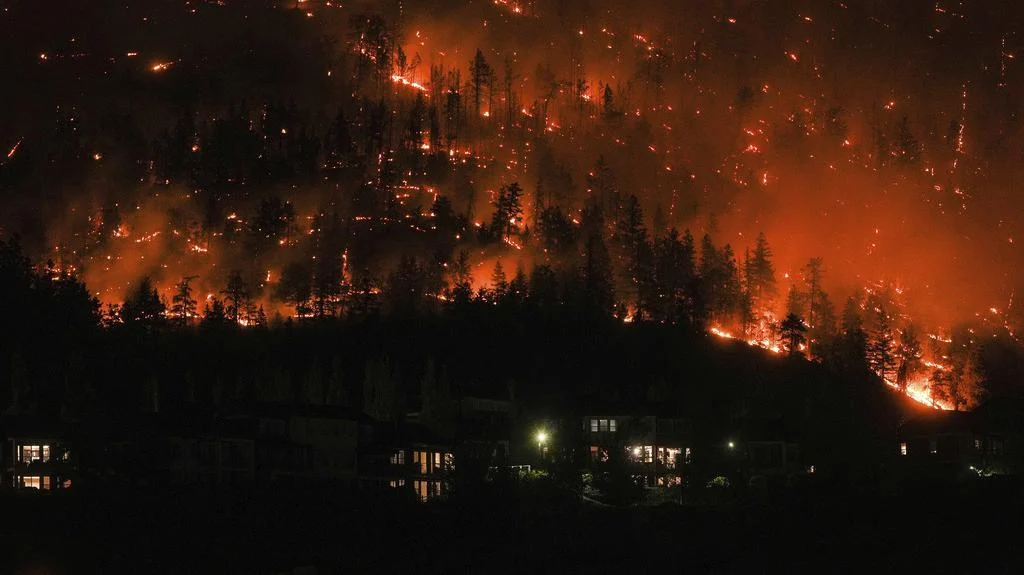
Jakarta – Across the globe, the relationship between fire and nature is complex. While fire is a natural element of a healthy ecosystem—clearing dead organic matter and returning vital nutrients to the soil—the narrative shifts dramatically when wildfires transform into uncontrollable, catastrophic events. In recent decades, the frequency and intensity of these infernos have reached unprecedented levels, fueled by a dangerous cocktail of climate change, extreme heat, and human intervention.
From the vast, desolate stretches of the Australian outback to the dense taiga of Siberia and the tropical forests of Southeast Asia, wildfires have reshaped landscapes and claimed thousands of lives. This report examines the most significant wildfire events of the modern era, the factors driving them, and the devastating socioeconomic and environmental consequences they leave in their wake.
The Anatomy of a Wildfire: Natural Catalyst vs. Human Agency
In a natural cycle, fires ignited by lightning or extreme drought act as a restorative force, stimulating plant growth and maintaining ecological balance. However, the modern era of "mega-fires" bears little resemblance to these natural cycles. Today, the scale of destruction is driven by prolonged heatwaves, persistent drought, and, frequently, human negligence.
When wildfires escape containment, the result is more than just the loss of flora and fauna. They release vast quantities of toxic smoke, carbon, and particulate matter into the atmosphere, creating hazardous air quality that can travel thousands of miles. The following list, compiled from historical records including Britannica and scientific reports, highlights the most expansive wildfire events since the early 20th century.
Chronology of Catastrophe: The World’s Largest Wildfires
1. The New South Wales Inferno, Australia (1974–1975)
The record for the largest wildfire in modern history belongs to Australia. Between 1974 and 1975, an astonishing 117 million hectares were scorched. This figure represents roughly 15% of the total landmass of the Australian continent. While the majority of the burning occurred in the sparsely populated center of the country, the tragedy still claimed six lives and obliterated critical communication systems, agricultural facilities, and remote infrastructure. The sheer scale of this event remains a benchmark for the raw power of uncontained bushfire.
2. The Siberian Taiga Conflagration, Russia, China, and Mongolia (2003)
In 2003, the vast boreal forests of the Siberian Taiga became the site of a 22.5-million-hectare fire. The smoke plume from this event was so massive that NASA reported it stretching 5 kilometers into the atmosphere. Triggered by record-breaking heat and dry conditions, the fire crossed international borders, affecting Russia, China, and Mongolia. Despite the immense environmental damage, there were no confirmed human fatalities, largely due to the extreme remoteness of the region.
3. The "Black Summer," Australia (2019–2020)
During the height of the COVID-19 pandemic, Australia faced another historic disaster. The 2019–2020 bushfires burned 19 million hectares, resulting in 33 human deaths and the catastrophic loss of an estimated one billion animals. This disaster coincided with the hottest and driest summer in Australian history, creating a tinderbox environment that made containment nearly impossible.
4. The Russian Record-Breaker (2021)
Russia once again saw massive destruction in 2021, when 18.2 million hectares of land were consumed. This event marked the most destructive fire season in the country’s recorded history. Experts suggest that nearly 90% of these fires were human-induced, resulting from power line failures or abandoned campfires.
5. The Canadian Crisis (2023)
In 2023, the world witnessed a massive environmental disaster in Canada, where 15 million hectares burned. Driven by extreme drought and record temperatures, the fires forced hundreds of thousands of residents to evacuate and tragically claimed the lives of eight courageous firefighters. The event highlighted the increasing vulnerability of northern forests to climate-driven fires.
6. The Black Dragon River Fires, China and Russia (1987)
In 1987, a massive fire broke out along both sides of the Amur River (the Black Dragon River). Over 1.3 million hectares burned on the Chinese side, while a staggering 6 million hectares were consumed in Russia. This disaster resulted in approximately 200 deaths and left tens of thousands homeless, illustrating the human toll of cross-border fire disasters.
Indonesia’s Battle with Fire: A Case Study in Human Impact
Indonesia’s experience with wildfires—or Kebakaran Hutan dan Lahan (Karhutla)—is distinct, often driven by the conversion of peatlands for agriculture.
The most catastrophic event occurred in 1997–1998, when an estimated 9.7 million hectares were scorched. Fueled by a severe El Niño event, the drought turned lush forests into massive fire hazards. However, reports from the Center for International Forestry Research (CIFOR) and the World Bank suggest that nature was not the sole culprit. The use of "slash-and-burn" techniques to clear land for palm oil and pulpwood plantations significantly exacerbated the crisis.
The implications were global. A thick, toxic haze blanketed Kalimantan for months, drifting across Southeast Asia to affect Malaysia, Singapore, Brunei, Thailand, and the Philippines. The World Bank estimated the economic impact at USD 4.5 billion (equivalent to over IDR 70 trillion at the time).
Recent years have shown that the threat remains persistent. According to data from the Ministry of Forestry’s SiPongi system, 2026 has already seen over 202,000 hectares burned between January and July, with the toll continuing to rise throughout the year.
Implications: Climate, Health, and Economics
The aftermath of these mega-fires extends far beyond the charred landscape. The primary implications include:
- Climate Feedback Loops: Large-scale fires release billions of tons of carbon dioxide into the atmosphere, which in turn accelerates the greenhouse effect, leading to hotter, drier conditions that make future fires more likely.
- Public Health Crisis: Smoke inhalation is a silent killer. Fine particulate matter (PM2.5) from wildfires penetrates deep into the lungs and bloodstream, causing long-term respiratory and cardiovascular issues for millions living in surrounding regions.
- Economic Instability: The cost of fire suppression, combined with the loss of timber, agricultural yield, and tourism, represents a massive drain on national budgets. For developing nations, these costs can derail economic growth for years.
- Biodiversity Loss: The destruction of critical habitats threatens endangered species with extinction. When millions of hectares are lost, ecosystems take decades, or even centuries, to recover their previous biological diversity.
Official Responses and The Path Forward
Governments globally are moving toward more aggressive management strategies. In Indonesia, the government has implemented stricter regulations on land clearing, increased the use of satellite monitoring through systems like SiPongi, and initiated water-bombing operations as soon as hotspots are detected.
However, experts agree that technological intervention alone is insufficient. Sustainable land management, reforestation of degraded peatlands, and stricter enforcement of environmental laws are required to break the cycle of human-induced fires.
As the world faces an increasingly volatile climate, the history of these wildfires serves as a somber warning. The fires of the past were often treated as isolated tragedies; the fires of the future must be treated as a systemic global challenge requiring international cooperation, robust policy reform, and a fundamental shift in how humanity interacts with the natural world.