The Efficiency Revolution: ASUS Unveils the ProArt GR1X Mini PC Powered by NVIDIA RTX Spark
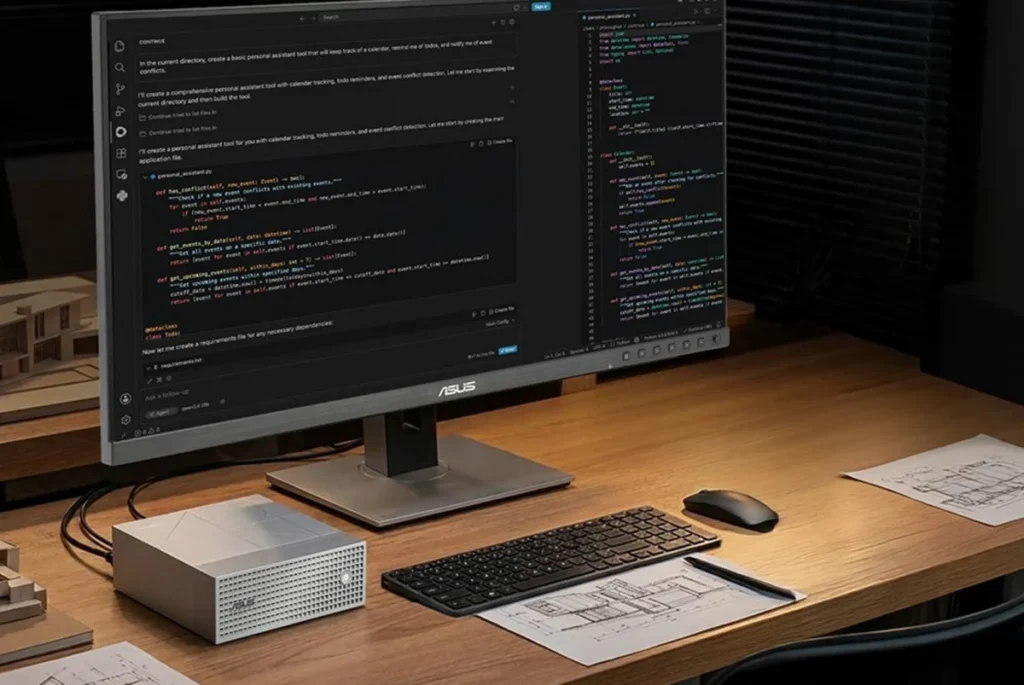
In a bold departure from traditional high-performance computing, ASUS has officially pulled back the curtain on the ProArt GR1X, a compact powerhouse that challenges the long-held notion that desktop-grade gaming and professional AI development require massive, power-hungry towers. Built upon the revolutionary NVIDIA RTX Spark platform, this mini PC is poised to redefine the intersection of thermal efficiency, small-form-factor design, and raw computational output.
While the RTX Spark architecture was initially introduced to the market through ultra-thin, AI-focused ARM-based laptops, ASUS has pivoted the technology toward a more stationary, yet incredibly versatile, desktop role. With a bold claim of delivering 100 frames per second (FPS) at 1440p resolution while maintaining an astonishingly low power envelope, the ProArt GR1X is signaling a new era for both content creators and enthusiast gamers alike.
Main Facts: A Technical Marvel in Miniature
The ProArt GR1X is defined by its architectural heartbeat: the NVIDIA RTX Spark superchip. This silicon feat integrates a 20-core NVIDIA Grace CPU with a robust GPU based on the cutting-edge Blackwell architecture, boasting 6,144 CUDA cores.
The primary specifications that have captured the industry’s attention include:
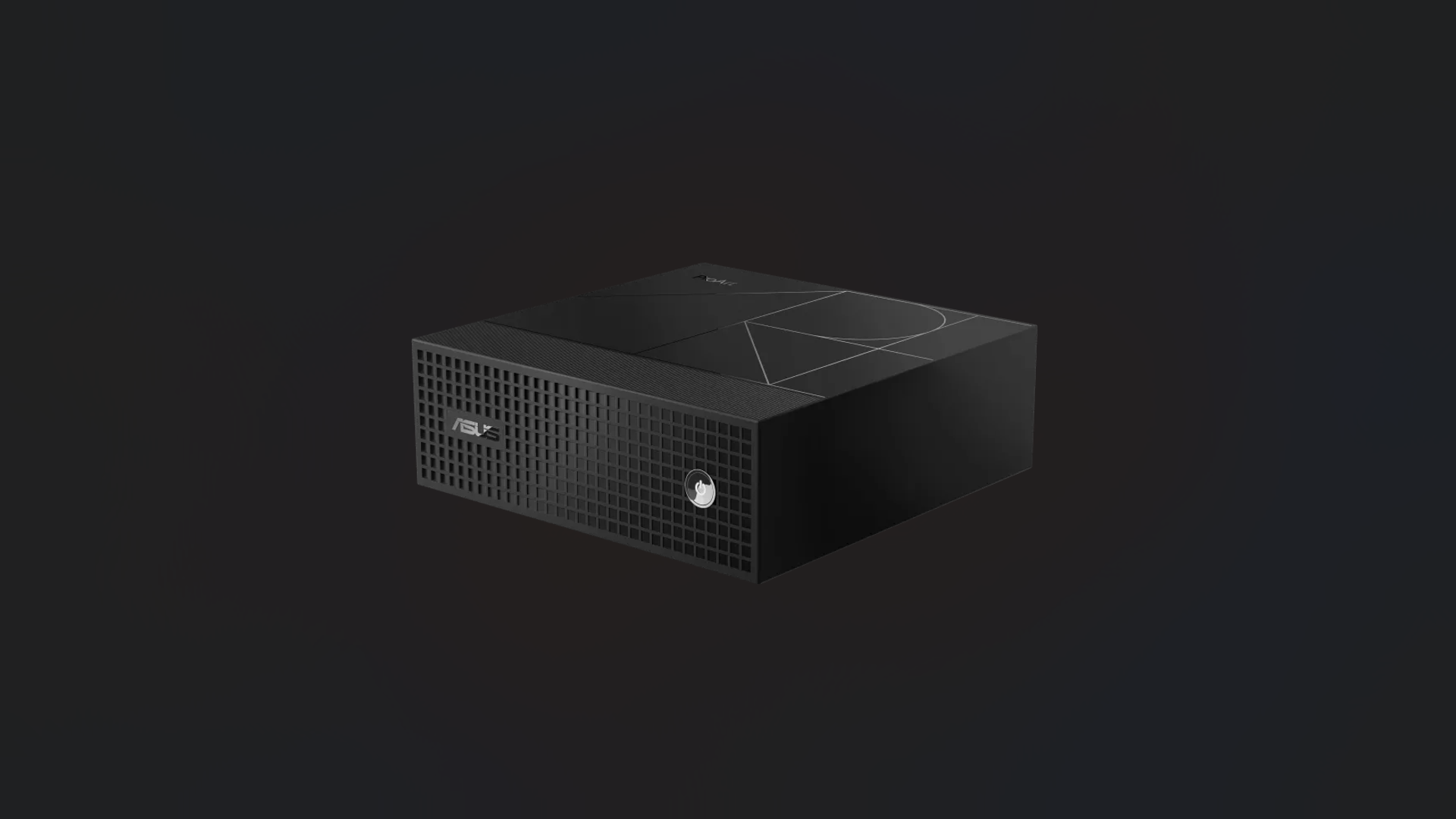
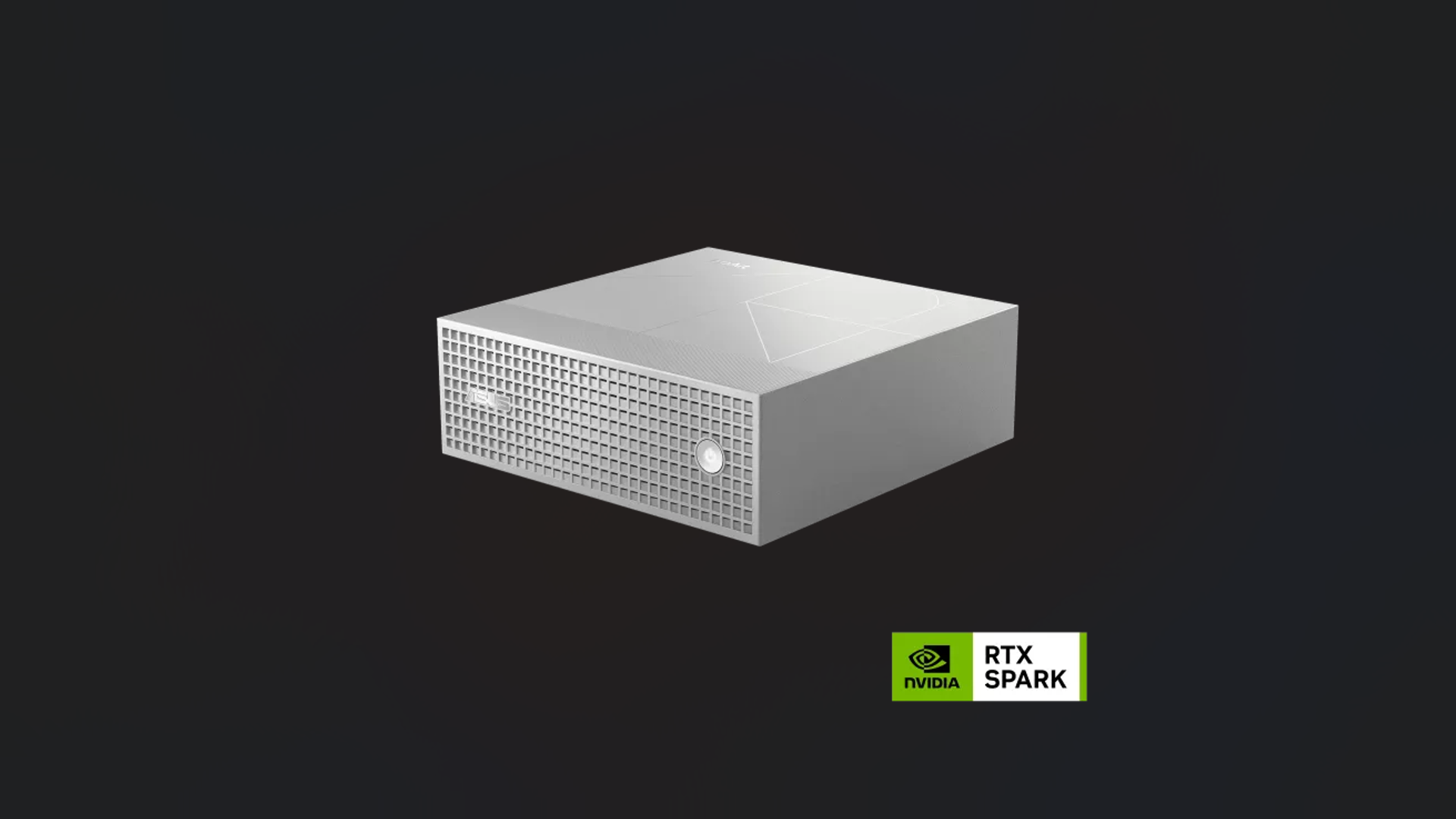
- Dimensions & Portability: With a chassis measuring only 150 x 150 x 51 mm and a total volume of roughly 1.1 liters, the device weighs a mere 1.48 kg, making it perhaps the most potent ultra-compact system currently available.
- Memory Configuration: ASUS offers unified LPDDR5X memory options starting at 64GB and scaling up to 128GB, facilitating seamless communication between the CPU and GPU—a critical requirement for heavy AI workloads and professional content creation.
- Thermal Management: Despite its diminutive size, the system utilizes a dual-fan array paired with four precision-engineered heat pipes to ensure sustained performance without thermal throttling.
- Power Consumption: Perhaps the most impressive metric is the system’s 140W power limit, a figure that provides an incredible performance-per-watt ratio compared to traditional desktop components.
Chronology of Development: From AI Research to Living Room Utility
The journey of the ProArt GR1X is reflective of the rapid evolution in NVIDIA’s hardware strategy.
Phase 1: The AI-Centric Debut
The NVIDIA RTX Spark platform was first introduced to the industry with a primary focus on the "AI PC" movement. Manufacturers targeted the mobile sector, utilizing the power-efficient ARM-based Grace CPU to provide long-lasting, AI-accelerated performance for mobile professionals.
Phase 2: ASUS’s Strategic Pivot
Recognizing that the same efficiency that benefits battery life in laptops could be leveraged to create a high-performance, silent, and compact desktop unit, ASUS engineers began integrating the Blackwell-based RTX Spark chip into the ProArt lineup. This series, historically reserved for the most demanding professional creators, served as the perfect home for this new technology.
Phase 3: The Public Reveal
Earlier this month, ASUS officially confirmed the existence of the GR1X via its global product portal. This announcement moved the conversation beyond the enterprise sector, explicitly marketing the device as a capable gaming machine, a move that surprised many industry analysts who viewed the chip solely through the lens of productivity.
Supporting Data: Understanding the Performance Claims
The claim of 1440p gaming at 100 FPS is significant, though it requires a nuanced look at the supporting technology. ASUS is leaning heavily on the NVIDIA Blackwell architecture’s advanced AI upscaling and frame generation capabilities.
The Role of DLSS and Frame Generation
Modern gaming performance in compact systems is rarely achieved through raw rasterization alone. The RTX Spark platform utilizes the latest iteration of NVIDIA DLSS (Deep Learning Super Sampling) and Multi-Frame Generation.

- Frame Interpolation: By using AI to insert synthetic frames between traditionally rendered frames, the GR1X can achieve high perceived frame rates without putting the full load on the GPU’s physical render pipeline.
- Thermal Efficiency: Because the Blackwell architecture is designed for high-efficiency AI processing, the GPU generates significantly less heat than a desktop-class RTX 40-series card of similar performance, allowing the 140W power envelope to remain a realistic operating ceiling.
The Power Envelope Reality
While 140W is a remarkable figure, industry experts caution that this is a "total system" limit. It represents a carefully curated balance between the CPU and GPU. Under extreme synthetic stress, the system’s firmware manages the power budget dynamically to ensure the CPU has enough resources for complex calculations, while the GPU maintains the visual fidelity required for gaming.
Official Responses and Industry Perspectives
ASUS has maintained a measured but optimistic tone regarding the ProArt GR1X. In the official product documentation, the company describes the device as a "creative workspace essential" that doubles as an "entertainment powerhouse."
A representative from the ASUS ProArt division noted, "We aren’t just building a mini PC; we are building a bridge between the high-end workstation and the enthusiast home office. The GR1X proves that you don’t need a massive, loud, and power-hungry chassis to achieve the visual fidelity that modern AAA gaming and creative workflows demand."
Independent analysts have noted that the success of the GR1X will depend on its software optimization. Because the system utilizes an ARM-based Grace CPU, the success of its gaming performance will hinge on how effectively the system translates x86 instructions or how many titles support native ARM architectures.
Implications: The Future of Small Form Factor (SFF) Computing
The launch of the ProArt GR1X carries significant implications for the PC hardware landscape.
1. The Decline of the "Desktop Tower"
For years, the gold standard for gaming has been the ATX tower. The GR1X challenges this by offering a performance tier that was previously impossible in a 1-liter chassis. If this product sees mass adoption, we may see a shift in the DIY market toward smaller, more efficient builds that prioritize integrated, power-efficient architectures over massive, power-hungry discrete components.
2. Unified Memory Architecture
The use of 64GB/128GB of LPDDR5X unified memory is a game-changer. By allowing the GPU to tap into the same high-speed memory pool as the CPU, ASUS is effectively bringing professional workstation architecture to the consumer market. This has profound implications for video editors and 3D animators who operate within limited physical spaces.
3. Sustainability and Energy Costs
In an era of rising energy costs and increased focus on corporate sustainability, the 140W cap on the GR1X is a major selling point. Users can potentially leave the system running for rendering or background tasks with a fraction of the electricity required by a high-end desktop, which typically pulls 500W to 800W under load.
4. The AI PC Evolution
The GR1X solidifies the notion that the "AI PC" is not just a marketing buzzword. By integrating hardware specifically designed for neural network processing, ASUS is future-proofing the machine against upcoming generative AI tools that will become standard in both professional software and consumer games.
Conclusion: Is the Future Small?
The ASUS ProArt GR1X is more than just a piece of hardware; it is a statement of intent. It challenges the traditional hierarchy of computing, suggesting that the future of high-end performance lies in efficiency, integration, and clever thermal management rather than sheer size and wattage.
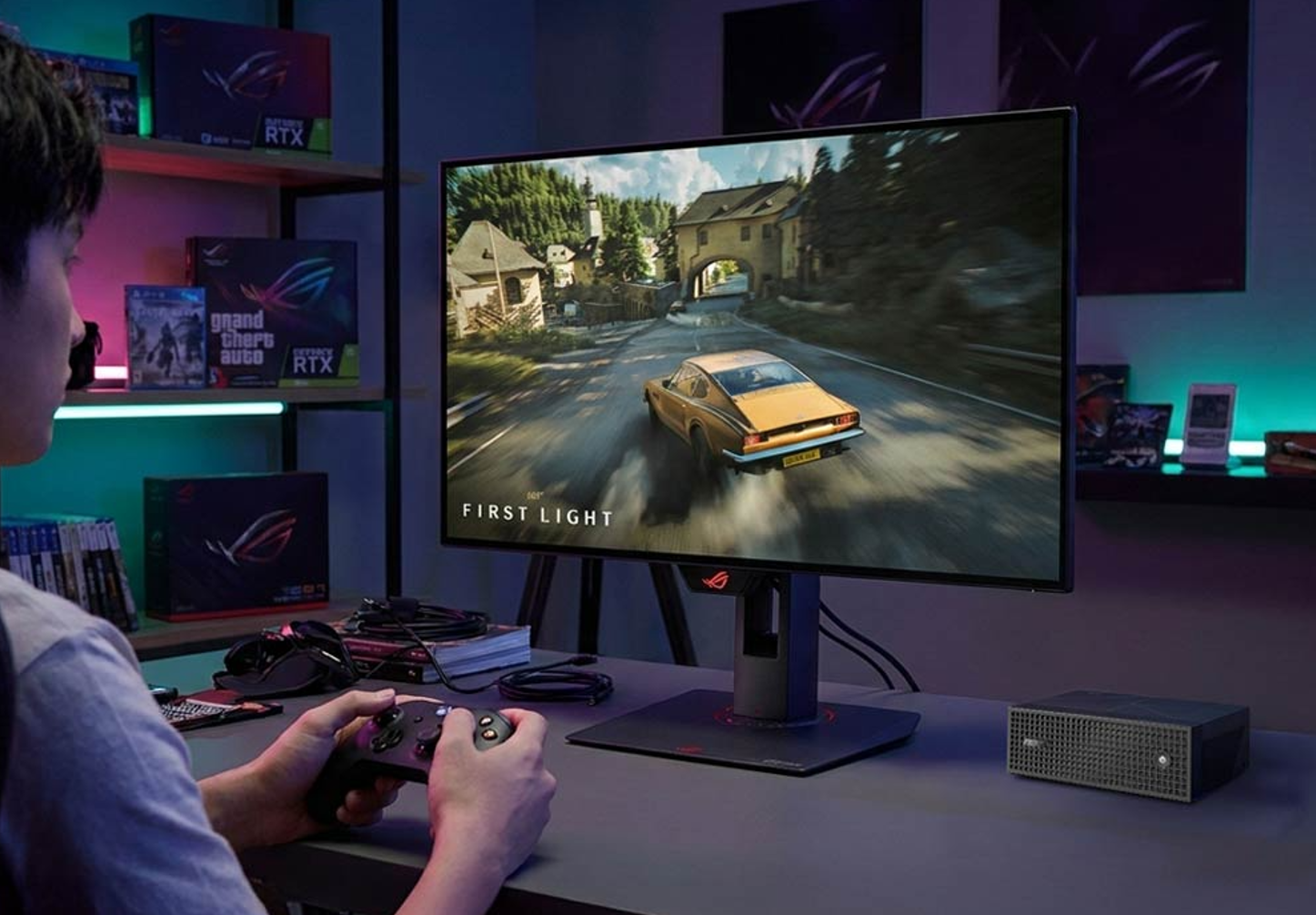
While the gaming community awaits more concrete benchmarks—specifically regarding which titles were used to validate the 100 FPS, 1440p claim—the technological foundation of the RTX Spark platform is undeniable. For the professional who needs a workstation by day and a gaming rig by night, and for the enthusiast who values a clean, minimalist desk, the ProArt GR1X is a compelling, perhaps even essential, piece of technology.
Whether this device becomes the new standard or remains a niche high-end offering depends on the ecosystem’s adoption of the ARM/Blackwell combination. However, one thing is clear: the era of the giant, power-hungry desktop is officially being contested by a pint-sized, efficient, and incredibly capable competitor.
Are you ready to shrink your footprint without shrinking your performance? The ASUS ProArt GR1X suggests that the time to switch is now.