Elegance and Heritage: Arumi Bachsin Channels the Spirit of Tribhuwana Tunggadewi at Kriyanusa 2026
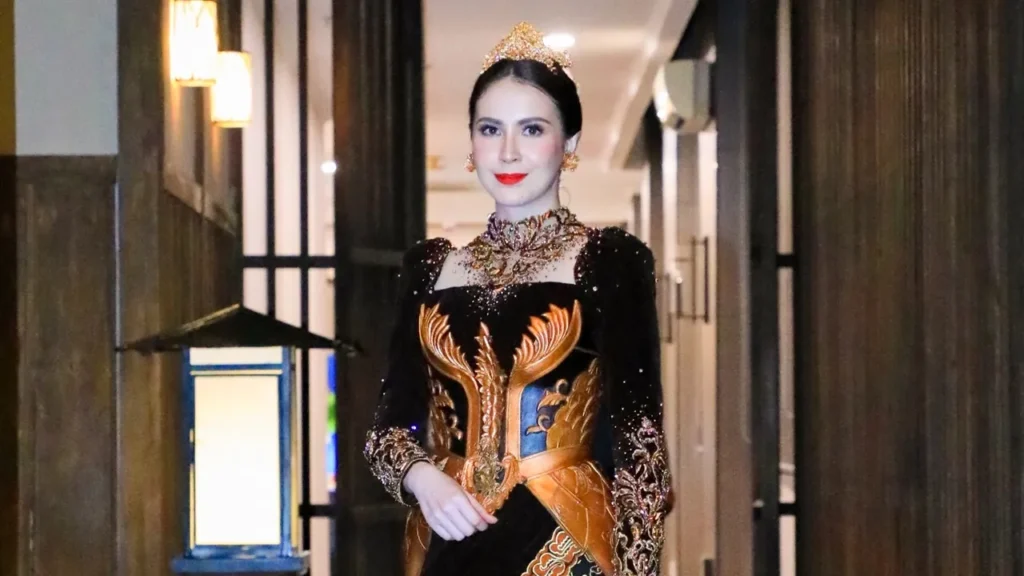
Jakarta, Indonesia – The grandeur of Indonesian heritage took center stage at the Jakarta International Convention Center (JICC) in Senayan this week as the nation prepares to celebrate National Batik Day. Among the highlights of the Kriyanusa 2026 exhibition, a standout moment featured Arumi Bachsin, the Chairperson of the Dekranasda (National Crafts Council) of East Java, who captivated audiences during the Parade of Regional Wastra (Traditional Textiles). Clad in a bespoke gown that bridged the gap between ancient history and modern fashion, Bachsin’s appearance served as a poignant reminder of the enduring power of Indonesian cultural identity.
The Intersection of History and Haute Couture
The Kriyanusa 2026 exhibition, held on Wednesday, September 30, served as the backdrop for a sophisticated display of Indonesia’s diverse textile heritage. As a prominent figure in the promotion of local crafts, Arumi Bachsin utilized the platform not merely for aesthetic display, but as a medium for storytelling.
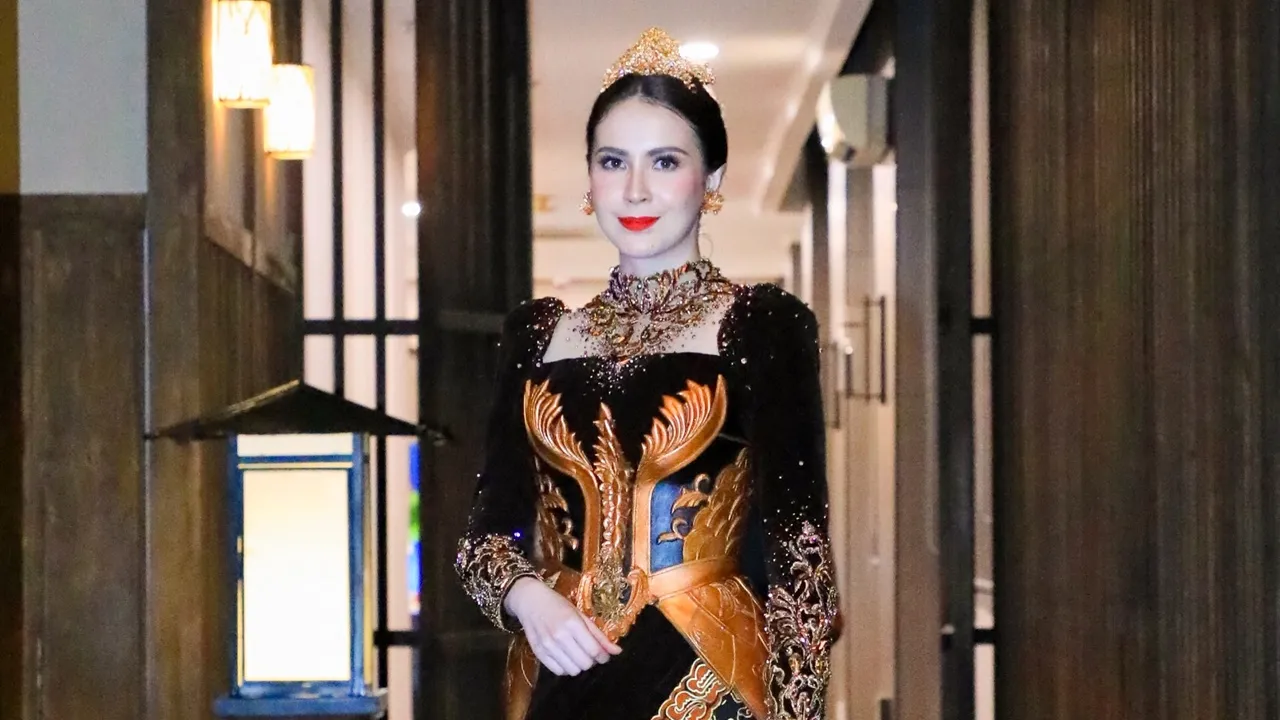
The gown, a collaborative masterpiece designed by the renowned fashion visionary Diana M. Putri, was the focal point of the parade. It was not a conventional batik garment; rather, it was a complex architecture of fabric that reinterpreted the visual language of the Majapahit era. By merging intricate batik patterns with contemporary silhouettes and opulent gold accessories, the ensemble successfully translated historical gravitas into a modern fashion narrative.
Chronology of the Event: A Celebration of Wastra
The parade, which unfolded within the sprawling halls of the JICC, was meticulously curated to showcase the evolution of Indonesian textiles. The event served as a prelude to the upcoming National Batik Day, an annual celebration held on October 2nd to commemorate the UNESCO recognition of Indonesian batik as a Masterpiece of Oral and Intangible Heritage of Humanity.
- September 30, 2026: The Parade of Regional Wastra commences at the Jakarta International Convention Center. Designers and regional representatives present collections that emphasize the craftsmanship of local artisans.
- The Runway Presentation: Arumi Bachsin makes her appearance as the closing highlight of the showcase. Her presence is marked by a deliberate, measured walk that draws attention to the structural integrity and historical symbolism of the garment.
- October 2, 2026: Official reports and social media documentation of the event circulate, drawing widespread praise for the synthesis of historical narrative and artisanal textiles.
The Muse: Tribhuwana Tunggadewi
The core of the article—and indeed the soul of the outfit—was the inspiration drawn from Tribhuwana Tunggadewi. As the third monarch of the Majapahit Empire, she is celebrated in history as one of the most formidable female leaders of the Nusantara region. Under her reign, the empire witnessed a period of territorial expansion and cultural flourishing.
In her post-event reflection, Arumi Bachsin articulated the intent behind the choice of muse. "Terinspirasi dari sosok Tribhuwana Tunggadewi, perempuan yang meninggalkan jejak besar dalam sejarah Nusantara," Bachsin wrote. She emphasized that the gown was intended to be "not just clothing, but a story about women, strength, and historical heritage that remains relevant to this day."
This choice of inspiration is significant. By embodying the spirit of a queen who wielded power with wisdom, Bachsin sought to empower modern Indonesian women, framing the wearing of batik not as an act of nostalgic performance, but as a reclamation of ancestral strength.
Supporting Data: The Impact of Kriyanusa on the Creative Economy
Kriyanusa has long served as a vital barometer for the health of Indonesia’s creative economy. As an event organized by Dekranas, it bridges the gap between rural craftspeople and the urban luxury market.
The Role of Wastra in the Modern Economy
Data from the Ministry of Industry suggests that the creative craft sector, particularly batik and woven fabrics, contributes significantly to Indonesia’s GDP. The Kriyanusa 2026 exhibition is a key strategic initiative aimed at:
- Market Expansion: Providing a direct channel for regional artisans to connect with national and international buyers.
- Sustainability: Encouraging the use of natural dyes and traditional techniques, which are increasingly valued by eco-conscious luxury markets.
- Digital Integration: Utilizing platforms like Instagram—where influencers like Arumi Bachsin reach millions—to bridge the generational gap in textile appreciation.
The collaboration between a public figure and a high-end designer like Diana M. Putri serves to elevate the status of batik from a "traditional uniform" to a "high-fashion statement," thereby increasing the perceived value of regional artisanal products.
Official Responses and Public Sentiment
The public and professional reaction to Arumi Bachsin’s appearance has been overwhelmingly positive. Fashion critics have praised the garment’s structure, noting that Diana M. Putri successfully avoided the "costume" trap, instead creating a piece that felt inherently regal and timeless.
In official circles, the Chairperson of Dekranasda East Java is seen as a key ambassador for regional development. Her active involvement in the parade is perceived as a commitment to keeping the crafts sector competitive. Government representatives present at the event noted that the synergy between historical storytelling and economic promotion is exactly the trajectory the ministry hopes to encourage in the lead-up to 2030’s cultural milestones.
"Arumi represents the modern Indonesian woman who is rooted in her culture but forward-looking in her professional endeavors," said a spokesperson for the exhibition. "Her ability to highlight the work of local artisans through the lens of a historical icon like Tribhuwana Tunggadewi provides a template for how we can continue to market our heritage globally."
Implications for the Future of Indonesian Fashion
The implications of this event extend beyond the runway. It highlights three major trends in the Indonesian fashion landscape:
1. Historical Re-contextualization
There is a growing trend among Indonesian designers to move away from generic batik motifs and toward historical storytelling. By centering a collection on a specific queen or historical era, designers create a "value-add" for the consumer, who is no longer just buying a shirt or dress, but a piece of history.
2. The Empowerment of the "Cultural Ambassador"
Public figures like Arumi Bachsin are evolving into more than just representatives of government bodies; they are becoming brand architects for the national heritage. By curating their public image around cultural discourse, they lend significant social capital to the craft industries they represent.
3. Bridging the Urban-Rural Divide
The success of Kriyanusa 2026 lies in its ability to bring the work of small-scale weavers from remote villages into the spotlight of the Jakarta International Convention Center. The "halo effect" created by high-profile showcases ensures that demand for authentic, handmade textiles remains robust, even in an era of mass-produced fast fashion.
Conclusion: A Legacy Carried Forward
As the echoes of the Kriyanusa 2026 parade fade, the impact of Arumi Bachsin’s tribute to Tribhuwana Tunggadewi remains. It stands as a testament to the fact that batik is a living, breathing tradition—one that is capable of evolving, adapting, and inspiring.
The gown, with its golden accents and intricate motifs, was more than a fashion statement; it was a manifesto for the modern era. It suggested that as Indonesia looks toward the future, the strength of its past—the strength of its queens, its artisans, and its history—is not merely a backdrop, but the very foundation upon which the nation’s cultural and creative future will be built. As Arumi Bachsin aptly noted, these stories remain relevant today, serving as a beacon for the next generation of Indonesian women to lead with the same grace and fortitude as the icons who came before them.
Disclaimer: This article is a professional report based on the events surrounding the Kriyanusa 2026 exhibition. For further information on the participating designers or regional crafts featured in the exhibition, readers are encouraged to visit the official Dekranasda portals.