Echoes of the Empire: Remarkable Military and Cultural Discoveries Uncovered at Tell al-Abqain
By The Archaeology Desk
Wednesday, September 30, 2026
In a monumental development for Egyptology, a dedicated mission of archaeologists working in the Beheira Governorate has unearthed a sprawling complex of artifacts and architectural remnants that peel back the curtain on the military might and daily life of New Kingdom Egypt. The site, Tell al-Abqain, has long been suspected of holding secrets of the past, but the recent findings—spanning the reigns of two of Egypt’s most formidable rulers, Ramses II and Merneptah—provide a remarkably vivid portrait of a civilization at its zenith.
The discovery, announced by the Egyptian Ministry of Tourism and Antiquities, transcends mere military history. It offers a rare, multi-dimensional look at how the Egyptian state managed its borders, projected power through elite cavalry, and fostered thriving communities on the fringes of its vast empire.
The Military Nexus: Unearthing the Guardians of the Frontier
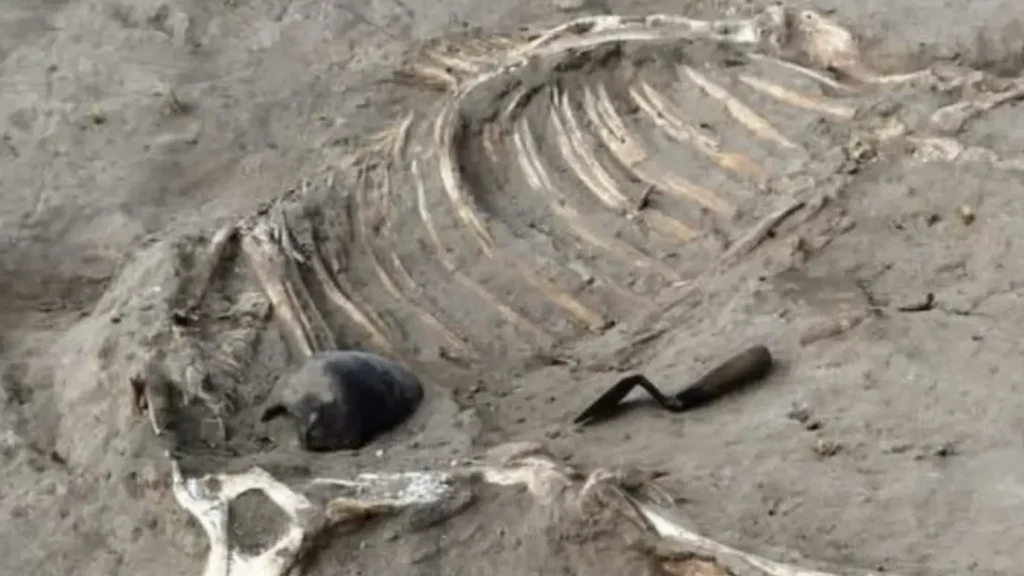
The focal point of the excavation is a fortified settlement that served as a critical node in the defense of Egypt’s western frontiers. Among the most startling finds is the perfectly preserved skeletal remains of a young stallion. Initial osteological assessments suggest the animal belonged to a breed characterized by agility and moderate size—the ideal equine partner for the chariot-based warfare that defined the military superiority of the Ramesside period.
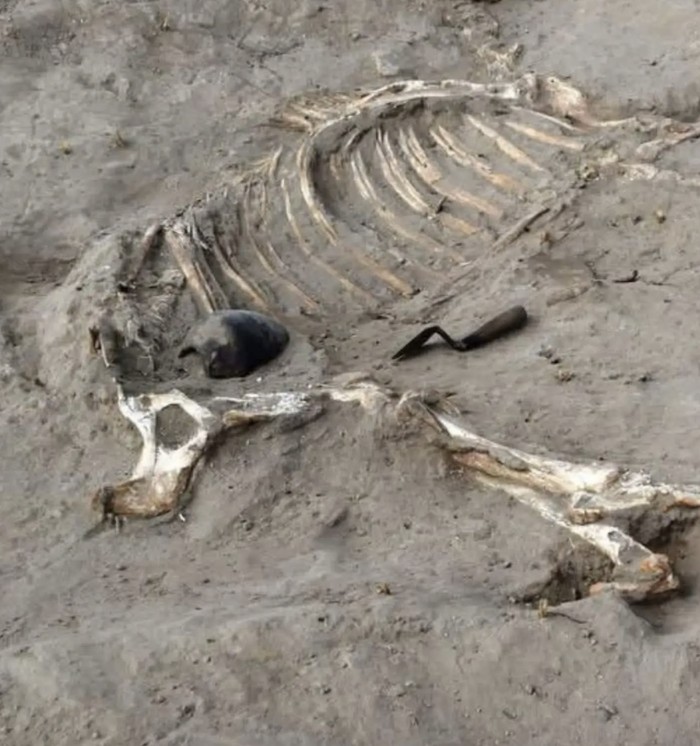
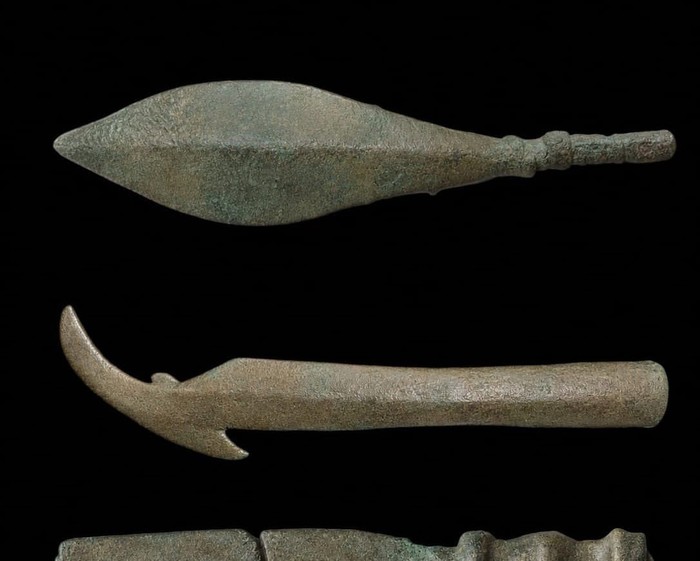
The burial of the horse was not a haphazard event; the deliberate, careful placement of the remains suggests a profound sense of respect or perhaps a ritualistic acknowledgement of the animal’s value to its handlers. Located merely meters away, researchers discovered fragments of alabaster and limestone, which experts have identified as remnants of specialized chariot equipment. These artifacts offer tangible proof of a sophisticated military infrastructure designed to maintain rapid response forces capable of neutralizing threats along the volatile Libyan border.
A Chronicle of Conquest: The Legacy of Ramses II and Merneptah
The chronological significance of the Tell al-Abqain site is anchored by the presence of two titans of the 19th Dynasty.
The Era of Ramses II
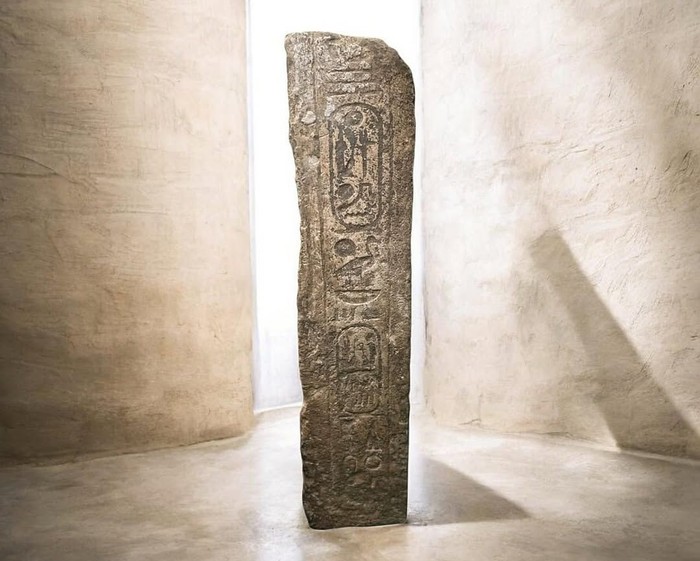
Ramses II, known as "The Great," was famous for his expansive architectural projects and military campaigns. At Tell al-Abqain, archaeologists recovered stone inscriptions bearing his royal cartouche. One particularly poignant discovery is a relief depicting captive Libyans, specifically from the Meshwesh tribe, shown in a state of subjugation. This serves as a grim reminder of the perpetual struggle for dominance in the region and the role of the fort in asserting Pharaonic hegemony over neighboring territories.
The Merneptah Connection
Adding to the site’s historical weight, the team discovered a rare limestone slab featuring Hieratic inscriptions—a cursive script used by Egyptian scribes—attributing the site’s development to the reign of Pharaoh Merneptah. This marks the first time such evidence has been definitively linked to the Beheira excavation, confirming that the site remained a high-priority strategic asset long after the death of Ramses II.
Beyond the Battlefield: Daily Life and Social Stratification
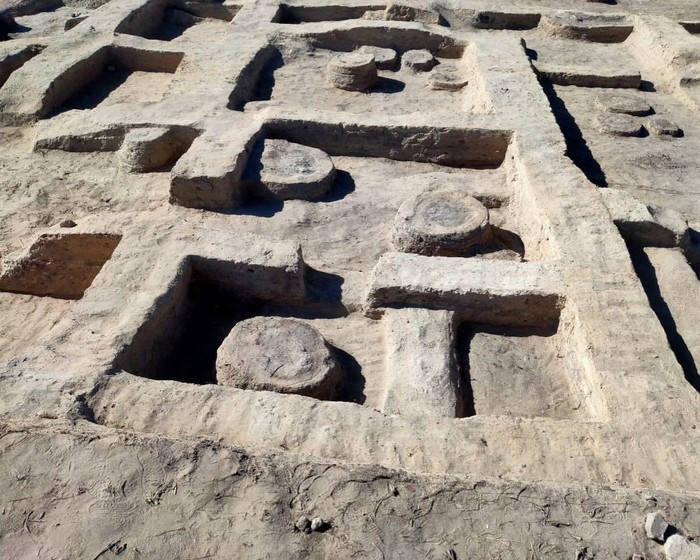
While the military aspect of Tell al-Abqain is undeniable, the site was far from a mere barracks. The archaeological team uncovered an expansive residential complex, complete with meticulously planned streets and structural layouts that indicate a stable, long-term civilian presence.
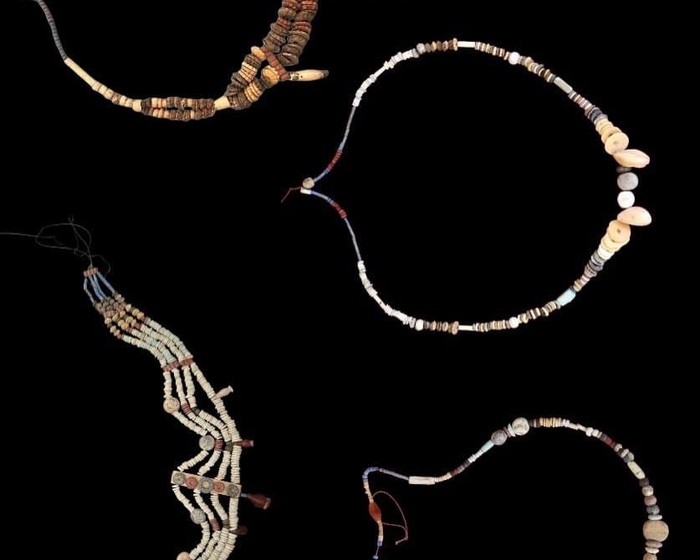
The Ministry of Tourism and Antiquities has emphasized that these findings provide a "holistic view" of the settlement. The residents of Tell al-Abqain did not live in isolation; they were part of a functioning, hierarchical society. Evidence of this is found in the recovery of intricate jewelry, including fine beadwork, which suggests that even at the edge of the empire, residents maintained a high standard of aesthetic culture and social stratification.
Religious and Economic Microcosms
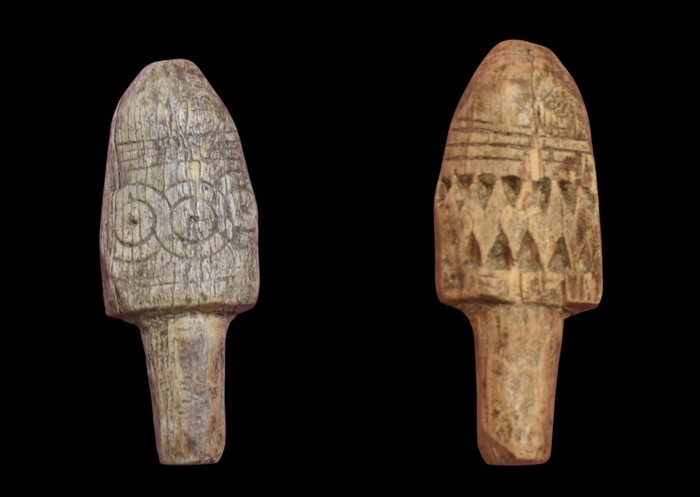
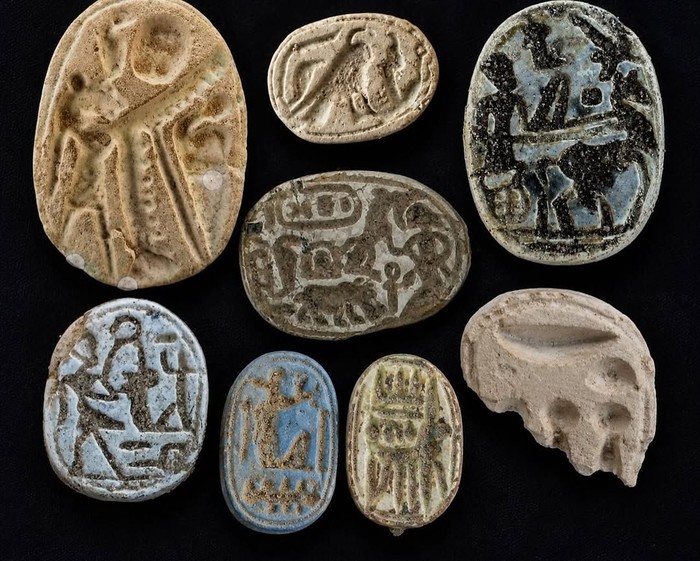
The discovery of scarab amulets, diverse pottery shards, and various household tools provides a window into the spiritual and economic realities of the site’s inhabitants. The amulets, in particular, highlight the deeply ingrained religious practices of the time—protective charms worn or stored to ensure favor from the gods in a harsh, frontier environment. These household items demonstrate that the fort was a self-sustaining ecosystem where grain storage, trade, and local artisan production were woven into the fabric of military duty.
Official Perspective: Sherif Fathy on the Significance of the Find
Sherif Fathy, the Minister of Tourism and Antiquities, underscored the profound nature of the discovery during his site inspection. "These findings," Fathy noted, "offer us a bridge to the past that goes beyond the glorification of battle. We are seeing how the Egyptian state integrated its military objectives with the realities of human survival, religious expression, and administrative planning."
Fathy emphasized that the site acts as a microcosm of the Egyptian state’s ability to maintain order. The integration of storage facilities, residential zones, and military garrisons demonstrates a sophisticated understanding of logistics—a hallmark of the New Kingdom’s bureaucratic success.
Implications for Egyptology and Regional History
The excavation at Tell al-Abqain carries significant implications for our understanding of the Late Bronze Age in North Africa.
- Border Management: The discovery forces a reassessment of how Egypt managed its "western gate." It suggests a more permanent and nuanced presence than previously hypothesized, with the fort serving as a command-and-control center for monitoring tribal movements.
- Military Evolution: The presence of the horse and chariot hardware provides primary source data on the tactical shift toward mobile warfare, which was essential for countering the guerilla tactics of desert-dwelling tribes.
- Societal Integration: The site demonstrates that military outposts in Ancient Egypt were not sterile environments. They were vibrant communities where families lived, traded, and practiced religion alongside the soldiers, reflecting a highly centralized society capable of projecting its culture into remote locales.
A Window into the Future of Archaeology
As the excavation continues, the scientific community awaits the detailed analysis of the ceramic and epigraphic data. The discovery of the Hieratic inscription of Merneptah is particularly exciting, as it may shed light on the specific administrative orders that governed the fort’s day-to-day operations.
The site of Tell al-Abqain is a testament to the enduring mystery of the Nile Valley. Even after centuries of exploration, Egypt continues to yield treasures that fundamentally alter our perception of the past. For historians and archaeologists alike, this site is not just a collection of stones and bones; it is a narrative of a civilization that meticulously documented its existence, from the highest royal proclamations of a Firaun to the simple, everyday prayers etched onto a small scarab amulet.
As the Ministry of Tourism and Antiquities prepares for further study, Tell al-Abqain stands as a beacon for future research. It is a place where the clamor of chariots and the quiet devotion of ancient life meet, reminding us that behind every great empire lies a complex network of ordinary people, soldiers, and administrators who built the foundations of history.
With ongoing analysis and potential plans for public exhibition of these artifacts, the legacy of Tell al-Abqain will continue to unfold, offering future generations a clear look at the strength, artistry, and resilience of the New Kingdom. The story of this fort, from its foundation under Ramses II to its continued importance under Merneptah, is now firmly etched into the annals of global history, ensuring that the voices of those who walked these streets over 3,000 years ago are heard once more.