Beyond the Tropics: The Dark, Complex Histories Hidden Inside 5 Iconic Caribbean Dishes
JAKARTA — To the modern traveler, the Caribbean is synonymous with sun-drenched white-sand beaches, crystal-clear turquoise waters, and an exuberant culinary landscape defined by warmth, vibrant spices, and aromatic harmony. From street-side grills to high-end resort dining, Caribbean cuisine is celebrated as a joyous fusion of cultures—a melting pot of Indigenous traditions, European colonial influences, and rich African heritage.
However, beneath the tantalizing aromas of allspice, scotch bonnet peppers, and bubbling broths lies a deeply complex, often painful past. The culinary identity of the Caribbean was not forged merely through peaceful exchanges in tropical kitchens; it was shaped by centuries of colonialism, the horrors of the trans-Atlantic slave trade, fierce resistance, and human survival against insurmountable odds.
A closer examination of five of the region’s most beloved dishes reveals that what is served on a modern plate is frequently a testament to historical trauma transformed into triumph.
Main Facts: The Intersection of History and Gastronomy
The culinary traditions of the Caribbean archipelago are living archives. Every distinct flavor profile tells a story of survival, resourcefulness, and cultural preservation. According to historical analyses of the region’s foodways, the formation of Caribbean cuisine can be categorized into three primary historical pillars:
- Indigenous Innovations: Long before European contact, native populations such as the Taino and Arawak cultivated advanced agricultural practices, mastering the processing of native flora, including toxic tubers.
- Colonial Exploitation and Trade: European powers imported global commodities—such as North Atlantic salt cod and African slaves—radically altering the demographic and dietary landscape of the islands.
- Resilience and Resistance: Enslaved Africans and maroons took scraps, unwanted animal parts, and restrictive rations, elevating them through brilliant culinary techniques into complex, flavorful dishes that now serve as national treasures.
As culinary historians note, food in the Caribbean is more than sustenance; it is a political statement, a symbol of independence, and a preservation of identity.
Chronology of Flavors: From Pre-Colonial Survival to Post-Colonial Pride
To truly understand how these five iconic foods came to be, one must trace their evolution across centuries of upheaval.
Pre-Colonial Era (Pre-1500s)
- The Taino Mastery: Before the arrival of Christopher Columbus in 1492, Indigenous populations like the Taino developed sophisticated methods for utilizing the local ecosystem. Recognizing that certain indigenous root vegetables, particularly bitter cassava, contained deadly hydrogen cyanide, they engineered elaborate grating, pressing, and baking techniques to detoxify the plant, creating staples like cazabe.
The Era of Colonization and Slavery (16th–19th Century)
- The Trans-Atlantic Slave Trade and Dietary Rations: As European powers established brutal plantation economies, they required cheap, high-calorie, and long-lasting food provisions to sustain enslaved labor forces. This led to the import of salted cod (saltfish) from North America.
- The Politics of the Kitchen: Plantation owners reserved premium cuts of meat for themselves, forcing enslaved Africans to make do with discarded parts—such as pig feet, ears, and heads. In Haiti, colonial slaveholders famously forbade enslaved people from consuming soup joumou, a rich pumpkin-based delicacy reserved exclusively for the white elite.
- The Maroon Resistance: In mountainous terrains like those of Jamaica, enslaved Africans who escaped bondage—known as Maroons—formed independent communities. To survive guerrilla warfare against colonial forces, they mastered dry-curing and smoking meats using local pimento wood and fiery scotch bonnet peppers, laying the groundwork for modern jerk cuisine.
Emancipation and Modern Era (1804–Present)
- January 1, 1804: Following the successful Haitian Revolution, Haiti declared its independence. On this historic day, citizens reclaimed soup joumou, transforming it from a symbol of elite oppression into the ultimate dish of freedom and human dignity.
- 20th and 21st Centuries: Once-stigmatized foods of survival—ranging from Jamaican bammy and ackee and saltfish to Barbadian souse—gradually transitioned from poverty-driven meals into celebrated national dishes and global culinary icons.
Supporting Data & Deep Dive: The 5 Iconic Dishes and Their Dark Pasts
1. Bammy: The Ancient Art of Neutralizing Cassava Poison
- Origin: Jamaica (Taino Indigenous heritage)
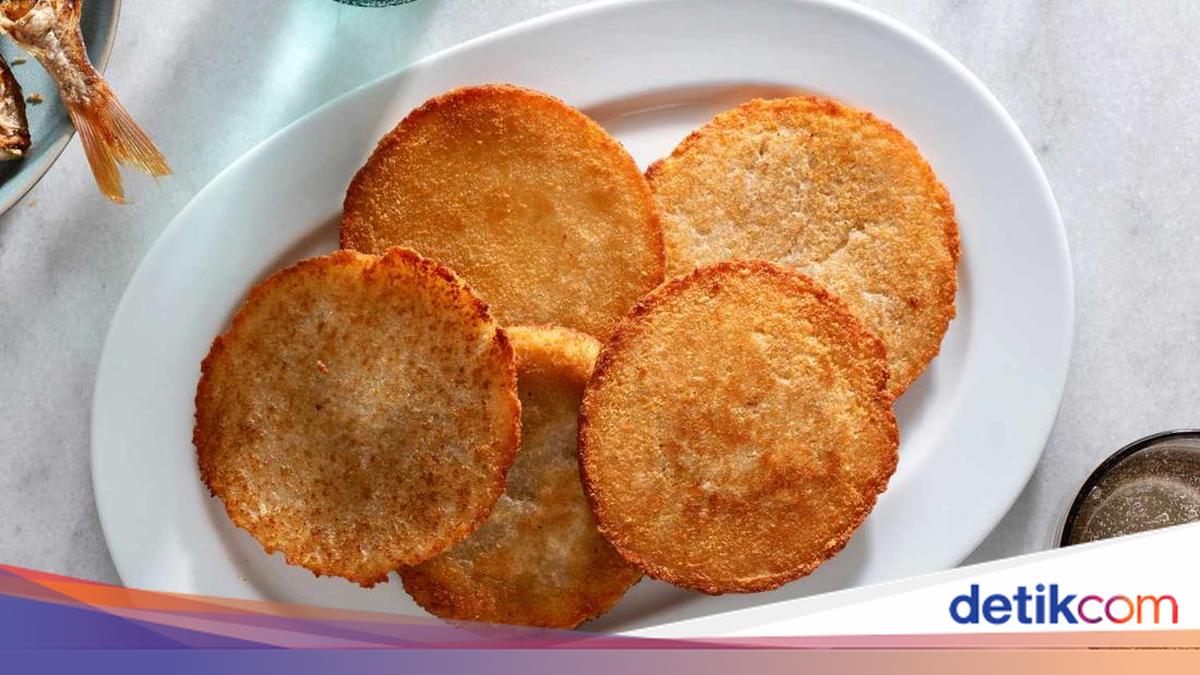
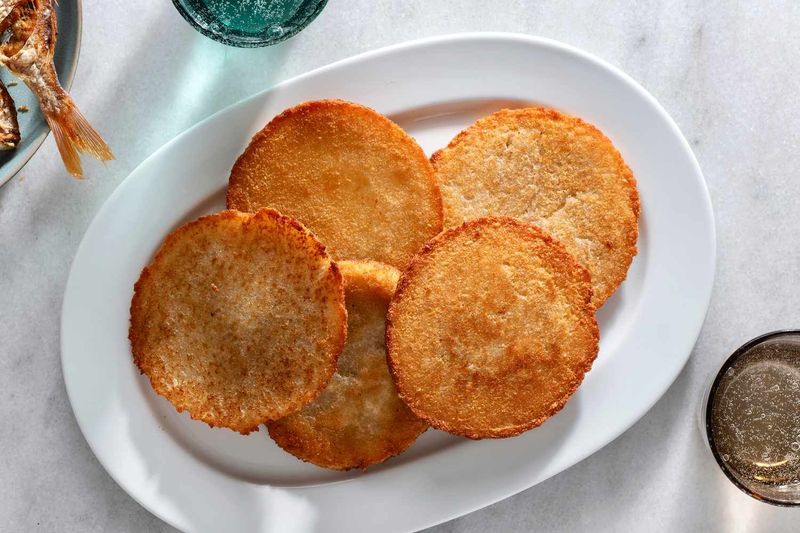
- The Dish: A dense, flatbread made from cassava, typically soaked in coconut milk before being pan-fried, often served alongside fish.
[Raw Bitter Cassava]
       │
       ▼ (Contains Cyanogenic Glycosides)
[Grated & Pressed] ──> (Removal of Toxic Liquid/Cyanide)
       │
       ▼
[Baked/Sun-Dried Cazabe] ──> Modern [Bammy]
While cassava is a dietary staple across the tropics, bitter varieties contain cyanogenic glycosides that release deadly hydrogen cyanide when ingested raw or improperly prepared. The Taino people engineered a meticulous system of harvesting, peeling, grating, and heavy pressing to squeeze out the lethal juices. This ancestral survival technique was adopted and adapted over generations, ensuring that a potentially fatal root became a resilient cornerstone of Jamaican heritage.
2. Soup Joumou: The Forbidden Broth of Haitian Liberation
- Origin: Haiti
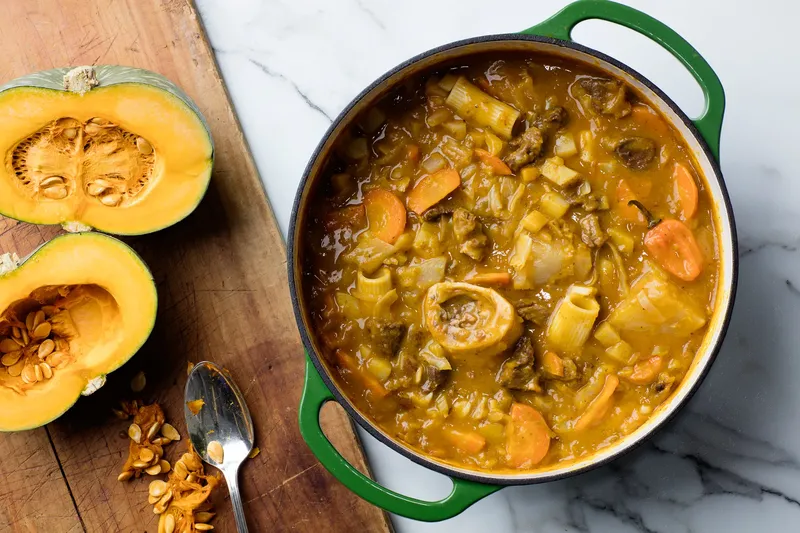
- The Dish: A hearty, complex soup featuring a base of pureed giraumon (squash), beef, plantains, potatoes, pasta, and aromatic herbs.
Under French colonial rule in Saint-Domingue, soup joumou was an exclusive delicacy enjoyed strictly by the white plantation owners. Enslaved laborers who harvested the squash and cooked the meal were legally and socially barred from consuming it.
When the Haitian Revolution culminated in the defeat of Napoleon’s army, the newly liberated citizens claimed the soup as their own. Today, eating soup joumou every New Year’s Day is a sacred ritual commemorating the world’s first successful slave-led revolution and the birth of a free republic.
3. Souse: Transforming Plantation Refuse into a Delicacy
- Origin: Barbados
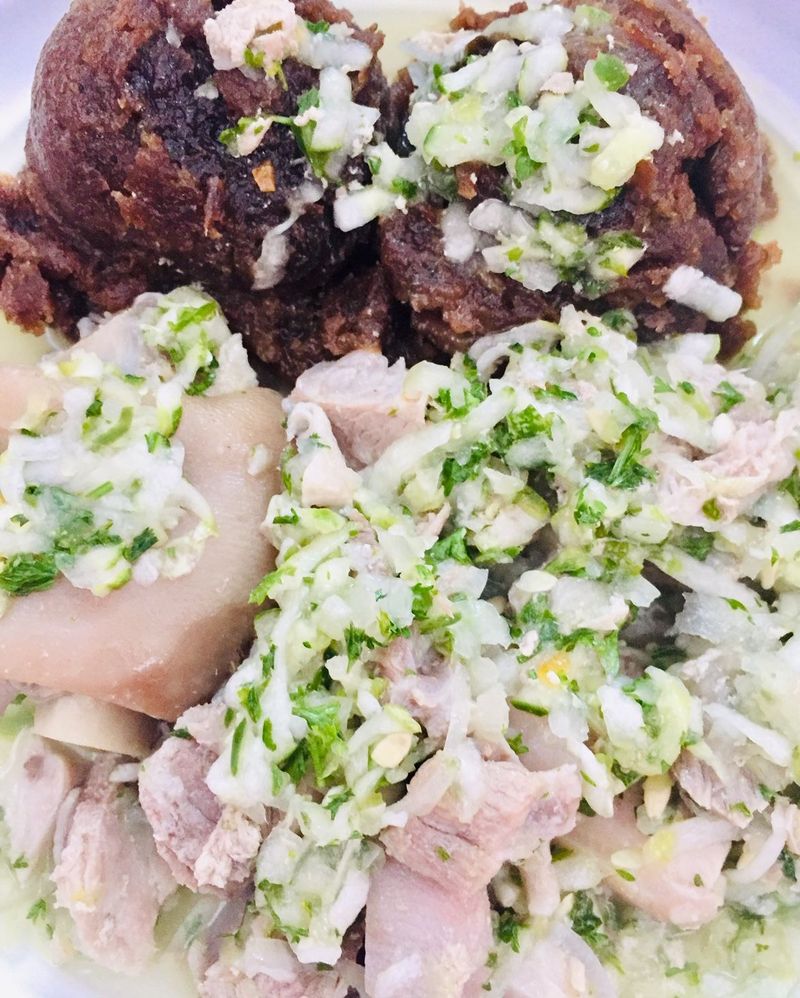
- The Dish: A pickled pork dish traditionally made with pig’s head, feet, ears, and tongue, marinated in lime juice, cucumber, onions, scotch bonnet peppers, and traditional herbs.
During the height of the sugar cane plantation era in Barbados, enslaved Africans were given minimal, substandard rations. Plantation owners retained prime cuts of meat, tossing away parts deemed undesirable—the head, trotters, and ears.
Refusing to waste anything, enslaved cooks applied West African flavor preservation techniques. By thoroughly acidifying, marinating, and spicing these unwanted cuts, they transformed tough, gelatinous scraps into a tangy, refreshing delicacy. Today, pudding and souse remains an institutional Saturday tradition across Barbados, prized for its complex textures and bright, zesty profile.
4. Saltfish: The Economic Preservation of the Plantation Economy
- Origin: Throughout the Caribbean, notably Jamaica (Ackee and Saltfish)
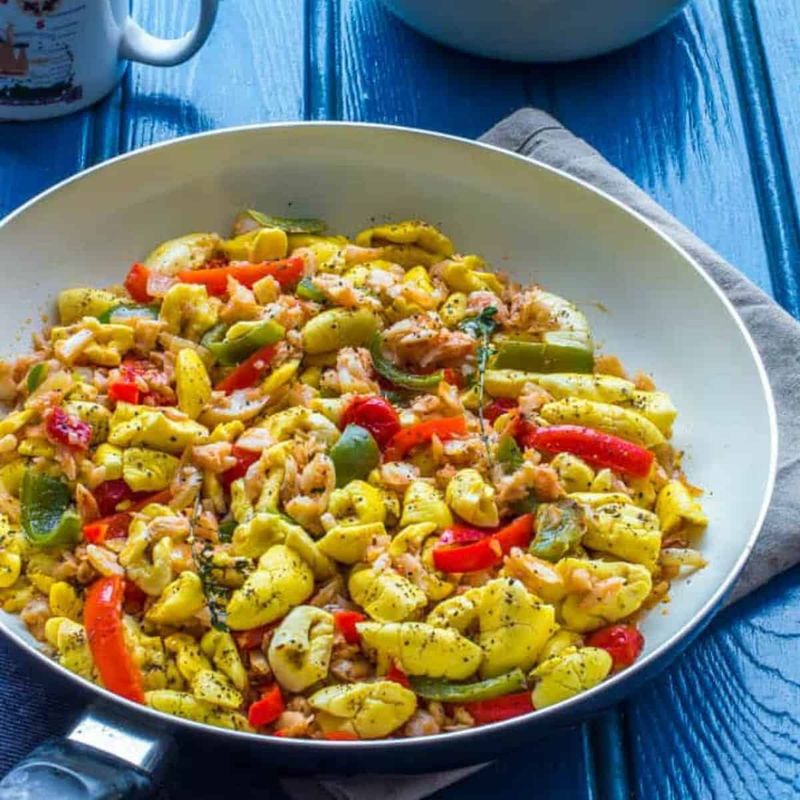
- The Dish: Atlantic cod, preserved through heavy salting and sun-drying, then rehydrated and sautéed with vegetables and fruits like ackee.
The presence of salt cod in the warm tropical waters of the Caribbean seems counterintuitive at first glance. However, saltfish is a direct byproduct of the triangular trade network. Atlantic cod, harvested in cold northern waters off North America and Europe, was heavily salted and dried specifically because it could endure long shipping voyages without refrigeration.
Colonial traders shipped this cheap, imperishable protein south to feed enslaved populations efficiently. Enslaved cooks combined the imported fish with local flora, eventually pairing it with the nutrient-dense, buttery ackee fruit. What started as an economical, industrial ration is now celebrated worldwide as Jamaica’s national dish.
5. Jerk: The Survival Tactics of Jamaican Maroons
- Origin: Jamaica
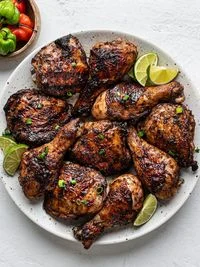
- The Dish: Meat (historically wild game, now predominantly chicken or pork) dry-rubbed or marinated in a fiery paste of scotch bonnet peppers, allspice berries (pimento), thyme, and scallions, then slow-smoked over aromatic wood.
The word "jerk" evokes images of smoke-filled barrels and backyard barbecues, but its origins are rooted in fierce military strategy and survival. When the British captured Jamaica from the Spanish in 1655, many enslaved Africans fled into the rugged, inaccessible Cockpit Country, establishing autonomous communities known as the Maroons.
Living as guerilla fighters, the Maroons could not light large fires that would reveal their positions to colonial trackers. They developed a unique technique of marinating meat with wild spices and slow-cooking it underground in pits lined with hot coals and pimento wood. This method preserved the meat while infusing it with an unmistakable, pungent smokiness—a culinary blueprint that endures in modern Jamaican culture as a symbol of unbroken defiance.
Official Responses and Cultural Preservation Efforts
In recent years, governments, cultural institutions, and international bodies have increasingly recognized the historical weight embedded in Caribbean gastronomy.
- UNESCO Recognition: The cultural significance of culinary traditions like Haiti’s soup joumou received formal international validation when UNESCO inscribed the soup onto its Representative List of the Intangible Cultural Heritage of Humanity in 2021. Haitian officials hailed the decision as a global acknowledgment of the nation’s revolutionary history and resilience.
- Culinary Tourism and Decolonization of Food: Caribbean tourism boards and chefs are actively reframing how food is presented to international visitors. Rather than presenting dishes merely as "tropical treats," culinary education programs across Jamaica, Barbados, and Haiti are placing historical context front and center. Chefs are consciously tracing ingredients back to their Indigenous and African roots, ensuring that tourists understand the blood, sweat, and ingenuity that seasoned the plates before them.
Implications: Why This History Matters Today
Understanding the dark past of popular Caribbean foods is not merely an academic exercise; it carries profound implications for modern cultural identity, social justice, and the global perception of foodways.
- Reclaiming Narrative Sovereignty: For centuries, colonial narratives erased or minimized the contributions of Indigenous and enslaved populations to global culinary history. Highlighting the origins of dishes like souse and bammy shifts the power of storytelling back to the descendants of those who survived the plantation system.
- Combating Culinary Appropriation: As Caribbean cuisine gains massive popularity across North America, Europe, and Asia, commercialization often strips dishes of their historical context. Recognizing the roots of these foods helps protect their cultural integrity against superficial trend-chasing.
- A Legacy of Resilience: Ultimately, these five foods serve as powerful metaphors for the human spirit. They demonstrate how marginalized communities did not merely survive systemic oppression—they transmuted pain into art, turning the discarded scraps of colonial empires into a rich, enduring culinary legacy that continues to nourish the world.