Culinary Heritage in a Bowl: 5 Legendary Soto Tangkar Spots in Jakarta Serving Rich, Spiced Coconut Broths
JAKARTA — Amidst the relentless modernization and fast-paced culinary evolution of Indonesia’s capital, Jakarta’s historic food scene continues to stand as a resilient testament to cultural heritage. For decades, traditional dishes have bridged generational divides, carrying forward secret spice pastes, time-honored cooking techniques, and rich flavors that refuse to fade into obscurity.
Among these enduring treasures is soto tangkar—a quintessential Betawi delicacy celebrated for its deeply savory, spiced coconut milk broth, tender cuts of beef, and an array of offal that satisfies the soul. As modern cafes and fusion restaurants dominate the urban landscape, traditional soto tangkar vendors maintain a loyal following, offering a comforting taste of historical Batavia that remains as vibrant and sought-after today as it was half a century ago.
Main Facts: Decoding the Essence of Soto Tangkar
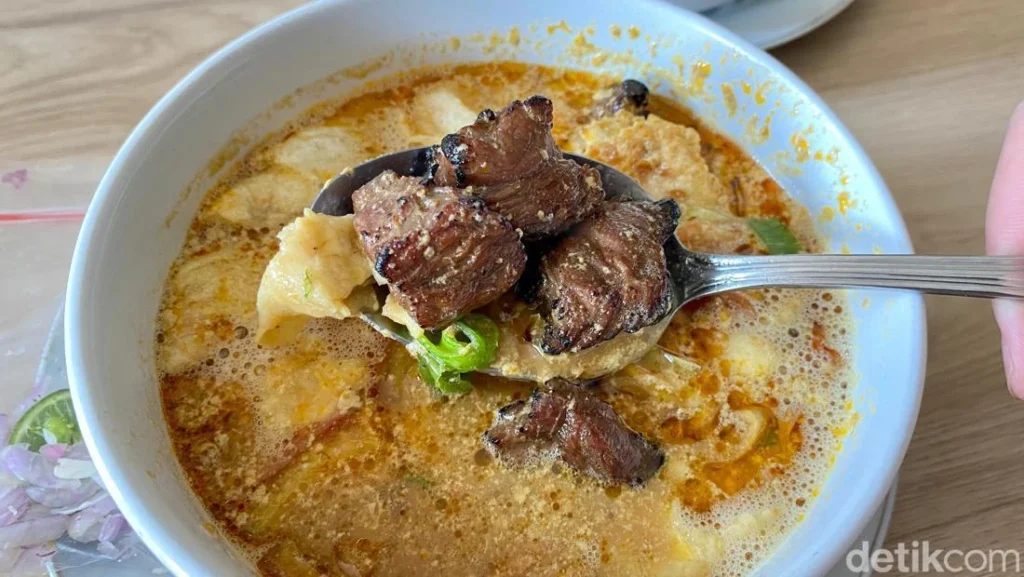
To understand the enduring allure of soto tangkar, one must look closely at its components and origins. Rooted in the Betawi culinary tradition—the indigenous culture of Jakarta—soto tangkar is a rich soup featuring a coconut milk base infused with a complex blend of traditional Indonesian spices.
The name "tangkar" itself is a Betawi term historically referring to beef ribs. According to culinary folklore dating back to the Dutch colonial era, the working-class Betawi people could rarely afford to buy prime cuts of meat like sirloin or tenderloin. Instead, they purchased affordable parts like ribs, bone marrow, and various offal. Ingeniously transforming these humble ingredients, they simmered them in a robust broth laden with shallots, garlic, galangal, lemongrass, kaffir lime leaves, turmeric, and coriander, creating a rich, reddish-hued soup that nourished generations.
Today, while the dish has evolved to include premium cuts of meat, the foundational philosophy remains unchanged: a harmonious marriage of creamy coconut milk, intense aromatics, and tender, slow-cooked beef parts. The dish is typically served piping hot, garnished with freshly sliced tomatoes, scallions, crisp fried shallots, a squeeze of fresh lime juice, and a side of steamed rice or ketupat (rice cakes).
Despite the proliferation of modern dining establishments, street-side stalls and modest warungs across Jakarta continue to draw crowds who queue for hours just to savor a bowl of this legendary soup. Below are five of the most iconic soto tangkar institutions in Jakarta that have preserved this culinary art form across decades.
Chronology: The Evolution and Preservation of Jakarta’s Oldest Bowls
The history of soto tangkar is intrinsically tied to the migration and socio-economic history of old Batavia. While exact founding dates for the street-level consumption of the soup stretch back into the early 20th century, the established warungs that survive today date their origins back to the mid-1900s, surviving political shifts, economic crises, and urban development.
1. The Post-Independence Pioneer: Soto Tangkar Tanah Tinggi (Est. 1946)
Beginning its journey shortly after Indonesia proclaimed its independence, Soto Tangkar Tanah Tinggi represents the oldest surviving legacy on this list. Founded in 1946, the business originally operated out of the bustling Tanah Tinggi neighborhood. Over nearly eight decades, the stall has witnessed the transformation of Jakarta from a modest post-colonial city into a sprawling metropolis. Though it has since relocated to the more central locale of Gondangdia in Menteng, Central Jakarta, the core recipe has remained remarkably untouched, serving as a living museum of Betawi flavors.
2. The Mid-Century Era of Street Culinary Resilience (1960–1980)
As Jakarta experienced rapid urbanization in the 1960s and 1980s, soto tangkar transitioned from localized neighborhood fare into institutional city favorites.
- Soto Tangkar Bang Edi traces its roots back to 1960, operating through multi-generational stewardship in the Tanah Abang district.
- Soto Tangkar Metro Glodok (Pak Mad) established its presence in 1971 within the historic commercial hub of West Jakarta, catering to traders, shoppers, and laborers alike.
- Soto Tangkar 46 Kerajinan, founded in 1980, institutionalized the traditional method of cooking over charcoal inside clay pots, preserving a smoky depth of flavor that modern gas stoves struggle to replicate.
3. The Modern Era and Contemporary Survival (2007–Present)
Entering the 21st century, even newer additions like Soto Tangkar Kang Jaja (established in 2007 in Jagakarsa, South Jakarta) proved that traditional soto tangkar could thrive in outer residential districts. By maintaining affordable pricing and utilizing authentic spice blends, these modern-classic stalls ensure that younger generations of Jakartans remain connected to their culinary roots.
Supporting Data: The 5 Legendary Soto Tangkar Destinations
1. Soto Tangkar 46 Kerajinan (West Jakarta)
For purists seeking an authentic, old-school preparation method, Soto Tangkar 46 Kerajinan is an unmissable destination. Operating since 1980, this legendary spot is deeply embedded in the culinary fabric of West Jakarta.
- Location: Jalan Kerajinan IV No. 15, Jakarta Barat.
- Price Range: Starting from IDR 20,000 per portion, varying by selected fillings.
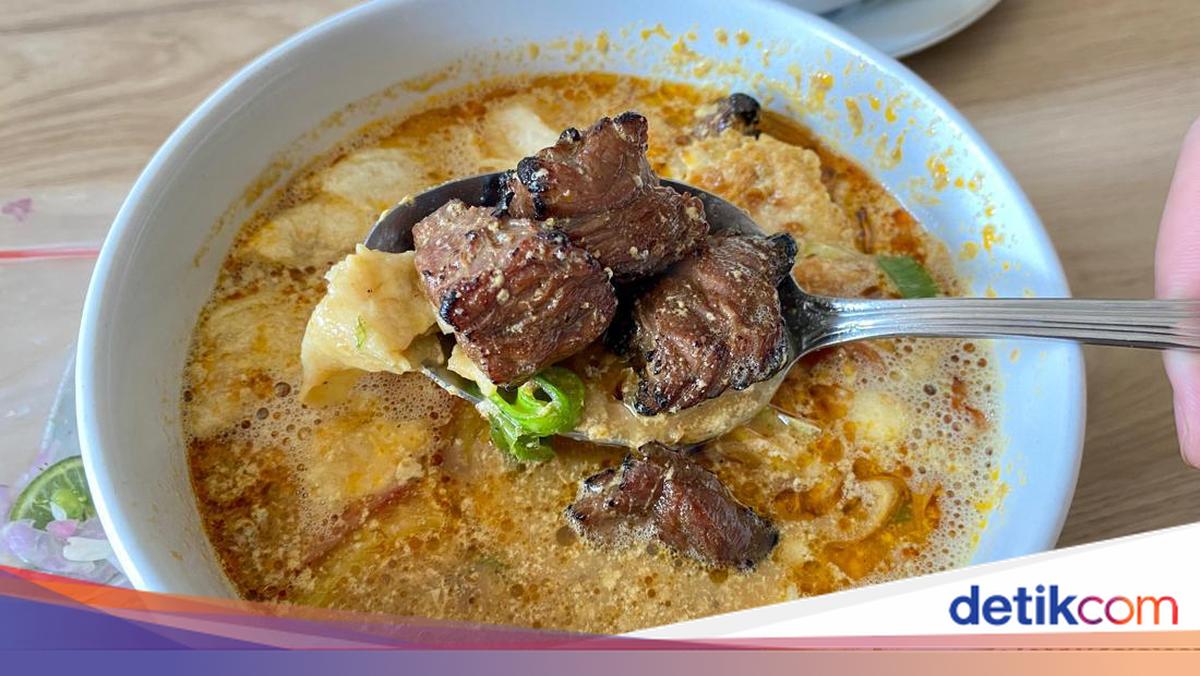
- Signature Characteristics: The broth relies on a rich, thick coconut milk base infused with a heavy, aromatic spice paste (bumbu medok). True to its traditional roots, the soto is cooked slowly over charcoal embers inside traditional clay pots or heavy-duty earthenware, imparting a distinct, rustic aroma that elevates the dish. Diners can customize their bowls with a mix of tender beef, assorted offal, and cartilage/young bones (tulang muda).
2. Soto Tangkar Kang Jaja (South Jakarta)
Proving that legendary status is not solely reserved for decades-old institutions, Soto Tangkar Kang Jaja has built a stellar reputation in the southern reaches of the capital since opening its doors in 2007.
- Location: Jalan Moch. Kahfi II No. 12E, Ciganjur, Jagakarsa, Jakarta Selatan.
- Price Range: Around IDR 30,000 per portion.
- Signature Characteristics: Operating as a humble street-side tent (kaki lima), this spot is famed for its generous portions and deeply satisfying, spice-laden coconut broth. The menu offers a comprehensive array of fillings, including beef slices, kikil (tendon), cartilage, sinew (urat), and various offal cuts. As a bonus, they also serve traditional Bogor-style chicken noodle soup (soto mie Bogor) with a clear, refreshing broth for those looking for a different flavor profile.
3. Soto Tangkar Metro Glodok / Pak Mad (West Jakarta)
Operating continuously for over half a century since 1971, Soto Tangkar Pak Mad in the Metro Glodok area is a legendary culinary anchor in West Jakarta’s historic commercial district.
- Location: Jalan Blustru, Keagungan, Taman Sari, Jakarta Barat.
- Price Range: IDR 20,000 to IDR 40,000, depending on meat selections, rice pairings, and side dishes.
- Signature Characteristics: Located near the bustling Glodok market district, this stall offers robustly flavored soto tangkar featuring cuts of beef or mixed offal such as tripe (babat) and lung (paru). A major highlight here is the availability of Betawi-style sweet soy-marinated meat skewers (sate kuah), which diners can dip directly into the spiced coconut broth for an elevated flavor experience.
4. Soto Tangkar Tanah Tinggi (Central Jakarta)
Holding the title of the oldest surviving vendor on this list, Soto Tangkar Tanah Tinggi has served historical figures, local politicians, and everyday workers since 1946.
- Location: Jl. RP. Soeroso, Gondangdia, Menteng, Jakarta Pusat (relocated from its original Tanah Tinggi address).
- Price Range: Starting from IDR 50,000 per portion.
- Signature Characteristics: Known for its uncompromising commitment to quality, this establishment utilizes massive, exceptionally tender cuts of beef ribs (iga sapi) that melt in the mouth. Customers can also mix in classic offal components according to personal preference. Despite its relocation to the upscale Menteng district, the pricing reflects the premium quality of the beef and its historic stature.
5. Soto Tangkar Bang Edi (Central Jakarta)
Thriving for roughly three decades in the commercial heart of Tanah Abang, Soto Tangkar Bang Edi traces its lineage back to a family business started in the 1960s.
- Location: Jalan Tanah Abang II No. 41D, Gambir, Jakarta Pusat.
- Price Range: Approximately IDR 25,000 per portion.
- Signature Characteristics: This spot is a legendary lunchtime sanctuary for local office workers and market traders. The broth is notably thick, savory, and aggressively spiced with an assertive aromatic profile. Diners can select from a wide variety of additions, including beef slices, honeycomb tripe, tendon, and fresh tomatoes that cut through the richness of the coconut milk.
Official Responses and Culinary Perspectives
Food historians, cultural preservationists, and culinary experts have long emphasized the importance of safeguarding dishes like soto tangkar against the tide of globalization.
Betawi cultural observers note that traditional foods are living archives of social history. When interviewed regarding the preservation of historic street foods, culinary experts frequently highlight that dishes like soto tangkar reflect the resourcefulness of Jakarta’s ancestors. “Soto tangkar is not merely a meal; it is a narrative of survival, creativity, and cultural identity,” noted one local culinary researcher. “The fact that a dish born from humble scraps of meat can survive for nearly a century in the heart of a modern metropolis proves that authentic flavors hold profound emotional and cultural value for the people of Jakarta.”
Furthermore, modern vendors have expressed pride in continuing ancestral legacies. Second- and third-generation owners interviewed across these legendary stalls emphasize that maintaining traditional recipes—refusing to substitute fresh spices with instant flavorings or cheap commercial additives—is the key to retaining their dedicated customer base. Even as real estate pressures force some historical stalls, such as Soto Tangkar Tanah Tinggi, to relocate from their original alleyways to formal addresses, the commitment to the original 1946 flavor profile remains absolute.
Implications: Cultural Heritage, Urban Tourism, and Economic Sustenance
The enduring presence of these five legendary soto tangkar establishments carries significant implications for Jakarta’s cultural landscape, urban tourism economy, and micro-entrepreneurship.
1. Preserving Intangible Cultural Heritage
As Jakarta continues to shed its historic architecture in favor of high-rise commercial developments, traditional culinary institutions function as tangible and intangible cultural landmarks. They provide contemporary urbanites with a sensory connection to the city’s Betawi roots, ensuring that indigenous heritage is tasted, celebrated, and passed down to younger generations rather than erased by homogenization.
2. Culinary Tourism and Economic Growth
Gastronomy tourism has emerged as a major driver of domestic and international travel within Indonesia. Legendary food hubs like Glodok, Tanah Abang, and Menteng attract adventurous eaters eager to experience authentic local flavors. These family-run warungs contribute directly to the grassroots economy, sustaining local spice farmers, meat suppliers, and multi-generational families who rely on the daily trade of traditional street food.
3. The Challenge of Generational Succession
Despite their current popularity, these historic culinary icons face systemic challenges. Rising operational costs, volatile beef and coconut prices, and the grueling physical labor required to prepare authentic broths often deter younger family members from taking over family businesses. Ensuring the survival of soto tangkar requires conscious institutional support, digital exposure, and increased appreciation from younger urban consumers who hold the power to keep these historic bowls steaming for decades to come.