Preserving the Past: Nusantara’s Legends as Cultural Heritage and Educational Tools
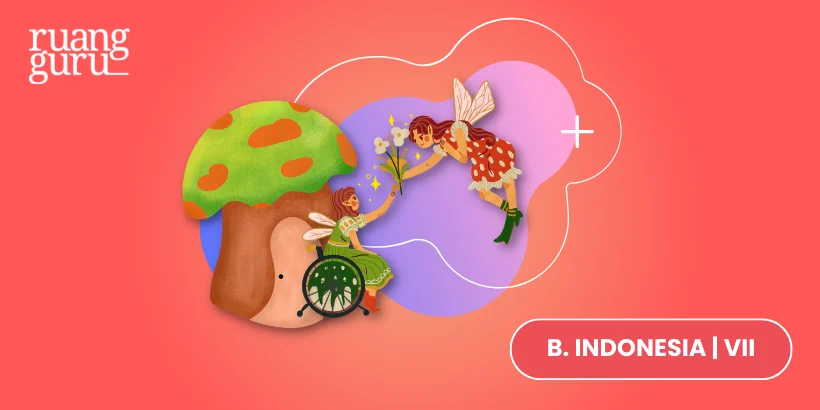
JAKARTA — Indonesia’s rich cultural tapestry is deeply intertwined with its folklore, a vast collection of traditional narratives passed down through generations. Known locally as legenda, these stories do more than simply entertain; they serve as a unique bridge between historical fact and ancient mythology, offering profound insights into the nation’s cultural identity, ecological history, and moral values. From the tragic shores of Danau Toba in Sumatra to the mystical slopes of Mount Merapi in Java and the enchanting realms of Bali and Maluku, Indonesian legends remain a cornerstone of national heritage and a vital pedagogical tool in modern education.

Defining the Legenda: History Meets Myth
Etymologically, the word "legenda" derives from the Latin “legere,” which translates to "to read" or "gathered stories." According to the Great Dictionary of the Indonesian Language (KBBI), a legend is a folkloric narrative from antiquity that maintains a tangible connection to historical events.

Unlike pure fairy tales or fables, legends occupy a complex space blending historical occurrences with mythological elements. They typically center around specific figures, monumental events, or geographical landmarks. Because these narratives feature human actors performing extraordinary deeds—often intertwined with supernatural elements—they are frequently treated by both storytellers and listeners as collective history.

In the modern educational framework, particularly within the Indonesian curriculum for junior high schools, legends are defined as community-born folktales that explain the origins of places, regional names, and environmental phenomena.

Key Characteristics of Indonesian Legends
Folklorists and educators identify several distinct characteristics that separate legends from other oral traditions:

- Historical Connection: Legends are rooted in real geographical locations and often trace back to actual historical epochs, even if heavily romanticized.
- Secular and Sacred Blend: Unlike myths, which are strictly tied to cosmology and religion, legends are viewed as secular history, though they often incorporate magical elements.
- Supernatural Elements: Characters frequently possess extraordinary powers, such as the ability to curse others into stone, summon mythical beasts, or wield invulnerability.
- Etiological Significance: Many legends serve as origin stories (asal-usul), explaining how lakes, mountains, or towns came into existence.
Chronology of Preservation: From Oral Tradition to Digital Curricula
For centuries, Indonesian legends survived exclusively through the oral tradition—shared by elders around evening fires, chanted during rituals, or told to children as lullabies. This chronology of transmission reflects the broader evolution of the archipelago’s literary heritage:

- The Oral Era: Stories like Lutung Kasarung (West Java), Malin Kundang (West Sumatra), and Roro Jonggrang (Central Java) were preserved by word of mouth, leading to numerous regional variations of the same core narrative.
- The Manuscript and Colonial Era: During the 19th and early 20th centuries, Dutch scholars and local scribes began documenting these oral accounts into written anthologies, such as the Babad Tanah Jawa.
- The National Education Era: Post-independence, the Indonesian government integrated folklore into the national curriculum to foster patriotism, moral fortitude, and cultural appreciation among students.
- The Digital Age: Today, legends have transitioned into digital ecosystems. EdTech platforms, animated adaptations, and interactive modules have made these stories accessible to millions of students nationwide, ensuring that traditional wisdom adapts to modern learning styles.
Supporting Data and Prominent Regional Examples
Indonesia’s vast archipelagic geography has yielded thousands of distinct legends. Educators often categorize these tales by region to teach students about local history and geography. Notable examples from across the islands include:

1. Sumatra and Surrounds
- Danau Toba (North Sumatra): The story of Toba and the golden fish, whose broken promise transformed a fertile valley into Indonesia’s largest volcanic lake, with Samosir Island marking the spot where their son climbed a tree.
- Malin Kundang (West Sumatra): A cautionary tale of filial piety from Air Manis beach, where an ungrateful merchant was cursed into stone by his heartbroken mother.
- Bawang Merah and Bawang Putih (Riau): A classic tale of step-siblings contrasting cruelty and kindness, ultimately resolved through a magical encounter with an old forest dweller.
2. Java and Bali
- Roro Jonggrang & Candi Prambanan (Central Java/Yogyakarta): The tale of a princess who imposed an impossible overnight task—building a thousand temples—resulting in a majestic temple complex and a cursed stone monument.
- Sangkuriang (West Java): The tragic origin of Mount Tangkuban Perahu, born from a giant’s frustrated kick at a magical boat after his mother thwarted his unwitting marriage proposal.
- Manik Angkeran (Bali): A cautionary tale of greed and gambling leading to the creation of the strait separating Java and Bali, mediated by the holy dragon Naga Besukih.
3. Eastern Indonesia
- Tanjung Menangis (Halmahera): A tale of political betrayal, royal imprisonment, and a volcanic eruption that memorialized a ruthless prince’s final moments of remorse.
Educational Implications and Official Responses
Educational authorities and cultural preservationists emphasize that teaching legends goes far beyond literary analysis. Institutions such as the Ministry of Education, Culture, Research, and Technology have continuously updated curricula to ensure students grasp both the structural mechanics of narrative texts and the ethical lessons embedded within them.
Pedagogical Integration
Modern Indonesian classrooms utilize adaptive learning technologies—such as interactive digital modules, video animations, and AI-driven assessment tools—to teach narrative texts. Educators note that analyzing legends helps students develop:

- Critical Thinking: Differentiating between historical context and mythic exaggeration.
- Moral Literacy: Internalizing values such as honesty, respect for elders, humility, and environmental stewardship.
- Cultural Pride: Cultivating a deep appreciation for Indonesia’s multicultural heritage.
Academic Support Systems
To assist students mastering these concepts, educational platforms provide personalized tutoring and comprehensive competency tests (tryouts). These tools help learners evaluate their understanding of narrative structures, intrinsic elements (such as theme, plot, setting, and characterization), and reading comprehension.

Conclusion
Indonesian legends are far more than relics of a bygone era; they are living components of the nation’s cultural identity. By examining the complex interplay of history and myth within tales like Sangkuriang, Danau Toba, and Calon Arang, students and scholars alike gain a deeper appreciation for the values that have shaped Indonesian society for generations. As these stories continue to evolve through digital preservation and modern education, they ensure that the wisdom of the archipelago’s ancestors endures for centuries to come.