Navigating the Aftermath of Anak Krakatau’s Eruption: Essential Maintenance Protocols for Commercial Fleets Exposed to Volcanic Ash
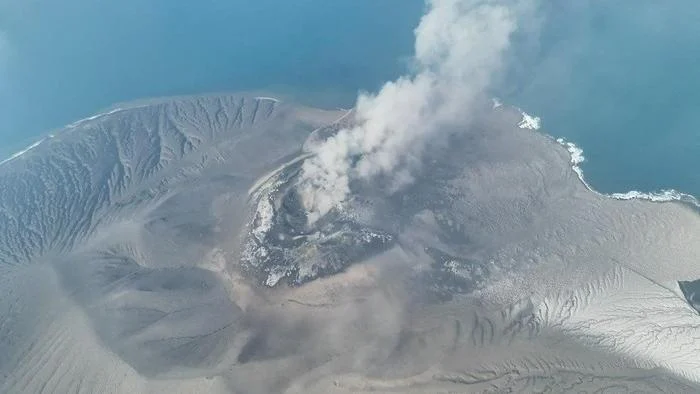
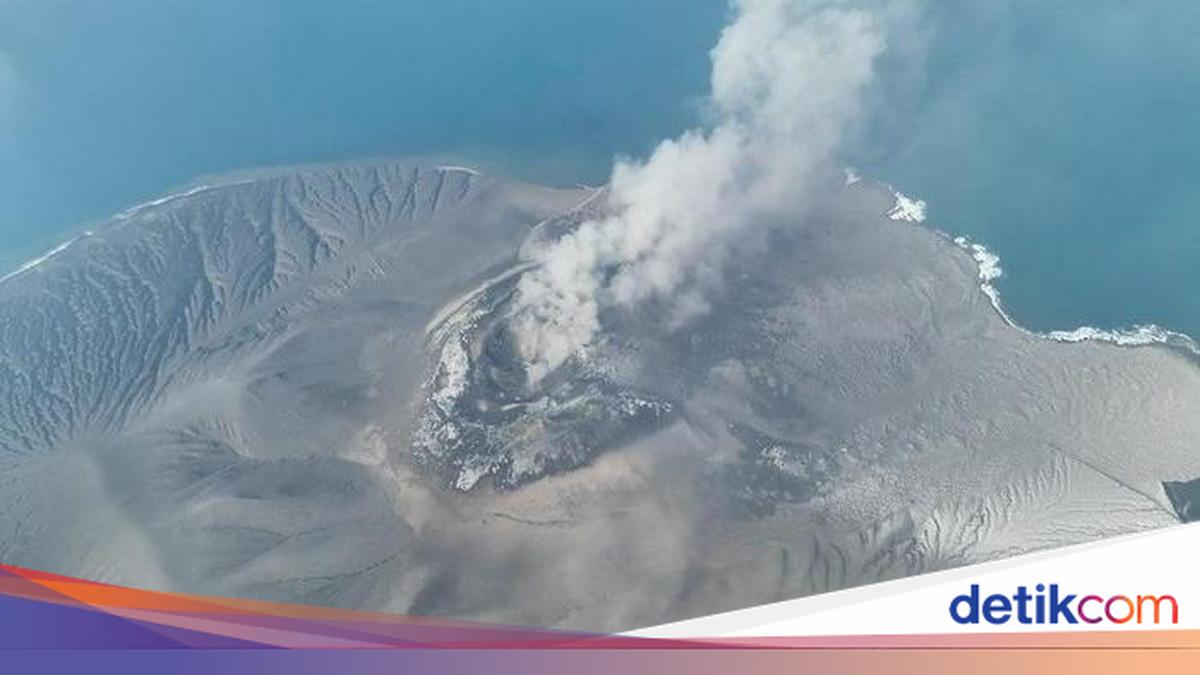
JAKARTA — The recent volcanic activity and eruption of Mount Anak Krakatau in the Sunda Strait have sent plumes of fine ash drifting across multiple regions, blanketing infrastructure, residential areas, and major transportation routes. While individual motorists frequently receive safety advisories during natural phenomena of this scale, the impact on heavy-duty commercial fleets and transport vehicles presents a critical operational challenge.
Logistics companies, freight operators, and business owners are now forced to navigate the hidden perils of volcanic fallout. Industry leaders, including PT Isuzu Astra Motor Indonesia (IAMI), have issued urgent maintenance advisories emphasizing that commercial vehicles require immediate, specialized post-exposure inspections to safeguard engine longevity, prevent catastrophic mechanical failures, and maintain uninterrupted supply chain operations.
1. Main Facts: The Threat of Volcanic Ash to Heavy-Duty Engines
Volcanic ash is fundamentally different from ordinary road dust or urban pollution. Composed of pulverized rock, minerals, and glass shards, volcanic fallout possesses extreme abrasiveness and microscopic fineness. When suspended in the atmosphere and drawn into a vehicle’s intake system, these microscopic particles bypass standard environmental filtration if maintenance schedules are ignored.
For commercial vehicles—which often operate under grueling daily workloads, heavy cargo payloads, and high-intensity driving cycles—the ingestion of volcanic ash accelerates wear and tear exponentially. The primary components at risk include:
- Air Induction Systems: The rapid accumulation of abrasive particles clogs filtration media within a fraction of its normal lifespan.
- Turbochargers: High-speed turbine components subjected to unfiltered or partially filtered abrasive air suffer from rapid blade erosion.
- Internal Combustion Chambers: Unfiltered silica particles entering the cylinders act as a grinding paste, scoring cylinder walls, damaging piston rings, and contaminating engine oil.
- Optical Visibility Systems: Windshields and side windows coated in dry ash become prone to severe scratching if wiped improperly.
2. Chronology: The Escalation of the Sunda Strait Hazard
The intensification of Mount Anak Krakatau’s eruptive phase triggered a cascading series of safety and logistical adjustments across the affected provinces in the Sunda Strait corridor and surrounding coastal zones.
- Phase I – The Eruption and Atmospheric Dispersion: Mount Anak Krakatau erupted, propelling volcanic ash high into the atmosphere. Prevailing winds carried the lightweight particulate matter across regional airspace, leading to heavy ash rain across surrounding thoroughfares and logistics hubs.
- Phase II – Fleet Exposure: Commercial trucks, logistics carriers, and passenger transport vehicles operating along key inter-provincial distribution routes unknowingly traversed heavy ash-fall zones.
- Phase III – Fleet Manager Alerts: Recognizing the potential for widespread engine damage and unexpected fleet downtime, automotive manufacturers and maintenance networks began broadcasting urgent technical advisory notices.
- Phase IV – Implementation of Emergency Protocols: Transport companies initiated preventive maintenance sweeps, focusing heavily on filter replacements, intake hose checks, and professional vehicle decontamination to protect commercial assets.
3. Supporting Data and Technical Insights: Protecting the Intake and Engine Bay
The intricacies of modern diesel and gasoline commercial engines demand pristine operating conditions. When operating in environments compromised by volcanic ash, the technical margins for error shrink dramatically.
The Vulnerability of Air Filters
The air filter serves as the frontline defense for any internal combustion engine. Under normal operating conditions, filter replacement follows a strict mileage or time-based schedule. However, exposure to heavy volcanic ash compresses this timeline drastically.
Due to the microscopic nature of the ash, particles wedge deeply into the porous matrix of the filter element. This creates a severe restriction in airflow, choking the engine and forcing it to work significantly harder to draw in the necessary oxygen for fuel combustion. This restriction not only causes a noticeable drop in engine performance and fuel efficiency but also creates microscopic gaps through which high-velocity suction can pull abrasive dust past a compromised filter element.
Securing Pipes, Hoses, and Turbochargers
Beyond the primary filter housing, the entire pathway leading to the combustion chambers must remain entirely airtight and structurally sound.
"Udara yang kotor dan membawa debu atau abu vulkanik perlu diantisipasi karena dapat meningkatkan beban kerja sistem penyaringan udara. Filter udara yang sudah kotor perlu diperiksa dan ditangani sesuai prosedur perawatan kendaraan," explained Anjar Rosjadi, Business Solution Director of PT Isuzu Astra Motor Indonesia (IAMI).
Rosjadi further emphasized the necessity of inspecting the surrounding hardware: "Selain itu, pengguna juga perlu memastikan pipa dan hose saluran udara menuju mesin dalam kondisi baik serta memiliki kekencangan yang sesuai. Hal ini penting karena sistem pemasukan udara memiliki peran dalam menjaga performa mesin, termasuk pada kendaraan yang dilengkapi turbocharger."
If clamps loosen or rubber hoses develop microscopic cracks due to age and thermal stress, the vacuum created during engine operation will bypass the air filter entirely, sucking unfiltered volcanic grit straight into the intake manifold and turbocharger compressor wheel. Given the extreme RPMs at which turbochargers spin (often exceeding 100,000 RPM), the impact of abrasive ash particles can instantly pit and ruin the turbine blades, leading to catastrophic turbo failure.
4. Official Responses and Industry Guidance
In response to the environmental hazard, major automotive stakeholders have mobilized resources to support fleet owners. Rather than relying solely on reactive repairs, manufacturers are pushing proactive preventative education and mobile service solutions.
The Proper Way to Clear Windshield Ash
A critical operational hazard during volcanic events is the degradation of driver visibility. Drivers caught in ashfall often make the mistake of immediately activating dry windshield wipers or wiping the glass with a dry cloth. Because volcanic ash is essentially powdered glass and rock, dry wiping acts like sandpaper, instantly engraving permanent scratches into the glass surface.
To mitigate this, IAMI has issued clear, step-by-step cleaning procedures:
- Never Dry Wipe: Refrain from using dry wipers or cloths on ash-covered glass.
- Flush with Flowing Water: Liberally rinse the windshield and windows using a steady stream of clean, running water to gently wash away and dissolve the heavy abrasive particles.
- Wash with Soap: Once the abrasive grit has been completely flushed away, proceed to clean the glass surfaces using automotive soap and clean water.
- Inspect Wiper Blades: Check rubber wiper blades for embedded grit that could scratch the glass during subsequent operations.
Mobilizing Support: Authorized Service Networks and Mobile Units
Recognizing that commercial vehicles cannot afford extended periods off the road, manufacturers have scaled up their customer support infrastructure. Fleet operators dealing with heavy ash exposure are advised to leverage formal dealer networks.
"Selain melakukan pengecekan secara mandiri, kami menyarankan pengguna kendaraan komersial untuk melakukan pemeriksaan di jaringan bengkel Isuzu apabila kendaraan terpapar abu vulkanik dalam jumlah cukup banyak atau digunakan secara intensif di wilayah terdampak," noted Anjar Rosjadi.
To minimize logistical friction, specialized on-site support has been deployed. "Isuzu juga menyediakan Bengkel Isuzu Berjalan (BIB) untuk memberikan kemudahan layanan perawatan kendaraan di lokasi, sehingga pengguna dapat tetap fokus menjalankan aktivitas bisnis," added Rosjadi.
Furthermore, digital transformation has streamlined service scheduling. Fleet managers can easily locate authorized service centers, partner workshops, and book emergency maintenance slots directly through integrated digital platforms such as the MyIsuzuID application, reducing administrative delays during emergency operations.
5. Broader Implications for Commercial Logistics and Supply Chain Resilience
The eruption of Mount Anak Krakatau and the subsequent dispersion of volcanic ash offer a sharp reminder of the vulnerability of modern supply chains to natural disasters. For logistics directors and transport companies, vehicle resilience is inextricably linked to business continuity.
The Cost of Neglect
Neglecting post-disaster maintenance routines can lead to severe financial consequences. An engine failure caused by ash ingestion is rarely a minor fix; it often necessitates a complete engine overhaul, replacement of the turbocharger assembly, and extensive fuel system flushing. In the commercial transport sector, the cost of parts and labor is compounded exponentially by the loss of revenue resulting from vehicle downtime. A truck sitting idle in a repair bay fails to deliver goods on schedule, resulting in contractual penalties and diminished client trust.
Adopting a Proactive Maintenance Culture
The incident highlights the necessity for transport companies to integrate rapid-response maintenance protocols into their standard operating procedures (SOPs) whenever geological or meteorological events occur. Key takeaways for fleet management moving forward include:
- Rapid Stockpiling of Consumables: Maintaining an adequate inventory of replacement air filters, intake hoses, and high-grade lubricants specifically for emergency deployment.
- Driver Training and Awareness: Educating drivers on the immediate signs of air starvation (such as loss of power, abnormal engine noise, or black smoke) and training them on safe exterior cleaning methods to preserve visibility without damaging vehicle components.
- Leveraging Manufacturer Partnerships: Utilizing mobile service fleets (such as Isuzu’s BIB) to perform diagnostic evaluations directly at depot facilities, ensuring vehicles are vetted and cleared before embarking on long-haul journeys through ash-affected territories.
As volcanic activity continues to demand vigilance across the Indonesian archipelago, the intersection of rigorous mechanical maintenance and swift institutional support remains the ultimate shield for the commercial transport sector—ensuring that economic engines continue to turn, even when geological forces attempt to stall them.