Understanding the Evolution of the Indonesian Civil Service: The Rise of Part-Time PPPK
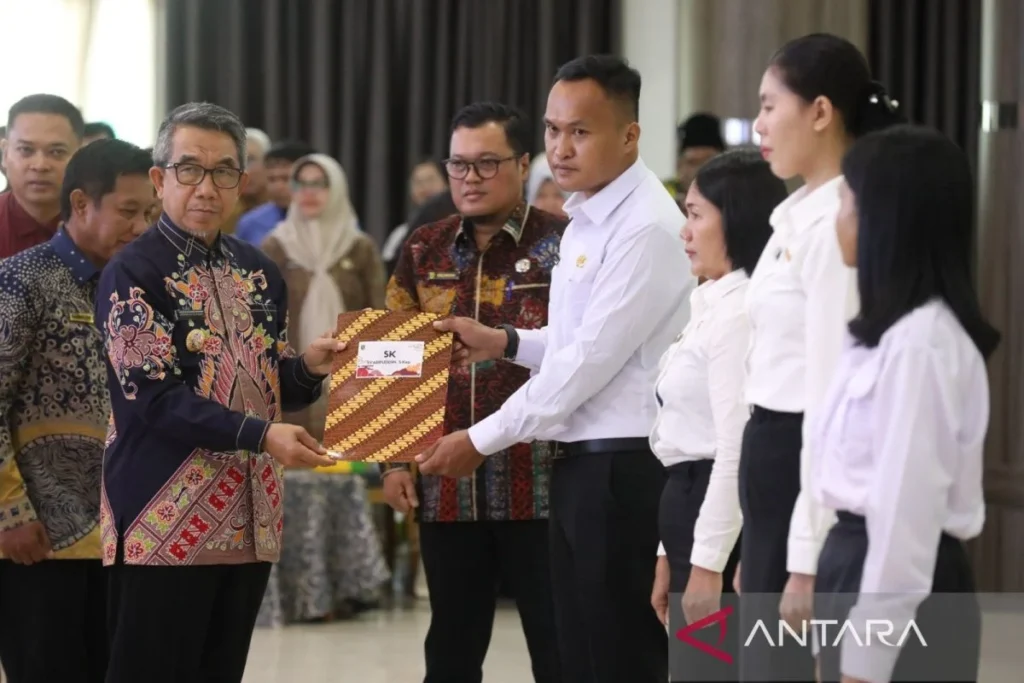
Jakarta – In the evolving landscape of Indonesia’s bureaucratic reform, the distinction between permanent civil servants and contractual government employees has become a focal point of public discourse. As the government continues its ambitious mission to professionalize the public sector, the emergence of the "Part-Time" Pegawai Pemerintah dengan Perjanjian Kerja (PPPK) represents a strategic shift in how the state manages human capital.
For many Indonesians, the dream of serving the nation has long been synonymous with the status of a Pegawai Negeri Sipil (PNS). However, with the formalization of PPPK roles—now categorized into "Full-Time" and "Part-Time" positions—the pathway into public service has become more diverse and flexible. This transition is governed by the latest regulatory framework, specifically the Minister of Administrative and Bureaucratic Reform (MenPAN-RB) Regulation No. 16 of 2025, which provides a roadmap for the integration of non-ASN (non-State Civil Apparatus) personnel into the official government structure.
The Regulatory Framework: Defining Part-Time PPPK
The issuance of MenPAN-RB Regulation No. 16 of 2025 serves as the legal bedrock for the "Part-Time" PPPK classification. Under this regulation, a Part-Time PPPK is defined as a civil servant hired under a specific employment contract, with remuneration determined by the fiscal availability of the respective government agency.
The primary objective of this initiative is three-fold:
- Resolution of Non-ASN Status: Providing a definitive legal bridge for the millions of temporary or honorary workers who have served the government for years without formal job security.
- Operational Efficiency: Addressing the urgent need for qualified personnel in specific government departments while maintaining fiscal sustainability.
- Enhanced Public Service: Ensuring that the quality of public services remains high by formalizing the status of those who have been the backbone of administrative support.
Unlike their full-time counterparts, who adhere to the standard office hours mandated for all ASN, Part-Time PPPK employees work on a reduced schedule. This flexibility allows agencies to scale their workforce according to seasonal demands or specific project-based requirements, marking a departure from the rigid "one-size-fits-all" staffing models of the past.
Chronology and Evolution of ASN Recruitment
The journey toward this dual-track system did not happen overnight. For decades, the Indonesian civil service was dominated by the monolithic PNS model, which provided lifetime tenure. However, as the demands of the digital age and the necessity for fiscal discipline increased, the government sought alternatives.
- The Early 2000s: The reliance on "honorer" (contract/temporary) workers became widespread as agencies struggled to fill gaps under strict hiring quotas for permanent PNS positions.
- The 2014 Civil Service Law: The introduction of the ASN Law (UU ASN) laid the groundwork for the PPPK scheme, creating a legal mechanism to hire professionals on a contractual basis.
- 2020-2024: The government intensified the focus on transitioning all non-ASN workers into either PPPK or PNS, leading to the enactment of various presidential and ministerial regulations aimed at eliminating the "honorer" category entirely.
- 2025: The implementation of the 2025 regulations solidified the "Part-Time" category, effectively creating a "probationary or flexible pathway" that allows for both stability and the scalability of the state workforce.
Compensation, Benefits, and Economic Implications
One of the most pressing questions for prospective applicants is the compensation structure. MenPAN-RB No. 16 of 2025 dictates that the salary for a Part-Time PPPK will be calculated based on one of three benchmarks:
- The salary previously received prior to being appointed as an ASN.
- The last wage earned before their new appointment.
- The Provincial Minimum Wage (UMP) applicable in the region of their service.
This regional variation ensures that PPPK salaries remain competitive relative to the local cost of living. For instance, a Part-Time PPPK in a high-cost hub like Jakarta will see a different wage bracket compared to those in more rural provinces, guided by the Minister of Manpower Regulation No. 16 of 2024.
Despite the "part-time" label, the government remains committed to protecting the welfare of these employees. They are entitled to essential benefits, including family allowances, food allowances, job-specific bonuses, holiday pay (THR), and formal leave rights. This ensures that even those on reduced hours are treated with the dignity and social security expected of government employees.
Professional Growth: From Part-Time to Full-Time
A common concern among applicants is whether a "Part-Time" role is a dead-end career path. The government has explicitly designed the system as a bridge. PPPK Part-Time contracts are generally issued for a duration of one year, subject to renewal.
Crucially, the regulation mandates that performance evaluations be conducted regularly. Those who demonstrate high productivity and proficiency, and for whom the agency has sufficient budget, are eligible for elevation to Full-Time PPPK status. Upon this transition, their remuneration is then adjusted to the standard PPPK salary scale, which is determined by the civil service grading system and "Masa Kerja Golongan" (MKG) as regulated by Presidential Decree No. 11 of 2024.
Comparative Analysis: PNS vs. PPPK
It is essential to clarify the legal distinctions between the three tiers of government employment in Indonesia:
1. PNS (Pegawai Negeri Sipil)
PNS are permanent civil servants. They are recruited through a rigorous process, hold lifetime tenure until retirement, and are subject to a standard, full-time working schedule. Their compensation is governed by a national grading system that accounts for seniority, rank, and tenure.
2. Full-Time PPPK
These are contractual government employees who work full hours. They hold a contract for a specific term (which can be renewed). They receive benefits nearly identical to those of a PNS, including pension potential, depending on the specific national pension reforms currently being debated.
3. Part-Time PPPK
These are the most flexible tier of the ASN. They are designed to meet the immediate, specific needs of the state. They possess a defined contract period, reduced hours, and a salary structure tied to the UMP or prior earnings, acting as a crucial entry point for those transitioning from the private sector or the informal "honorer" workforce.
Official Responses and Strategic Outlook
Government officials, including those from the Ministry of Administrative and Bureaucratic Reform, have emphasized that this policy is not merely about headcount management—it is about "Right-Sizing" the bureaucracy. By utilizing Part-Time PPPK, the government can avoid the bloated payroll costs associated with permanent staff while ensuring that specialized tasks—such as data entry, technical support, or seasonal administrative surges—are handled by legitimate, government-recognized professionals.
In a recent statement, government leaders stressed the importance of meritocracy, warning against "flexing" or abuse of status, and emphasizing that the transition to PPPK is an opportunity to serve the public with integrity. The focus has been on professionalizing the workforce so that every rupiah spent from the state budget directly translates into improved public service delivery.
Implications for the Future of Public Service
The introduction of the Part-Time PPPK system has profound implications for the Indonesian labor market:
- For the Youth and Professionals: It offers a more accessible entry point into the government sector. Many mid-career professionals who may not wish to commit to a 40-hour government week can now contribute their expertise in a part-time capacity.
- For Regional Governments: It provides a fiscal buffer. If a regional budget is tight, the agency can rely on part-time staff to keep essential services running without the long-term pension liabilities associated with a massive permanent workforce.
- For the Public: It ensures that government offices remain staffed and responsive. The "Part-Time" status does not mean "Part-Time service"; it means a flexible, professional workforce capable of adapting to the complexities of modern governance.
As Indonesia moves forward with these reforms, the success of the Part-Time PPPK model will depend on the transparency of the evaluation process and the consistency of the budget allocations. By creating a clearer, more segmented, and legally protected path for government employment, Indonesia is setting a new standard for bureaucratic efficiency in Southeast Asia.
Conclusion
The evolution of the ASN into a more flexible and robust institution is a necessary step for a nation striving for administrative excellence. The Part-Time PPPK is more than just a job title; it is a vital component of a modernized public sector. Whether serving as a stepping stone to a full-time career or as a dedicated part-time role, these employees are integral to the national agenda of "Reformasi Birokrasi." As the country continues to refine these policies, the focus must remain on merit, transparency, and the continuous improvement of the public services that every citizen relies upon.