Technical Hurdles in Battlefield 6: Why NVIDIA RTX 50 Series Users Are Forced to Roll Back Drivers
Gaming on a high-end PC is often touted as the pinnacle of interactive entertainment, offering unparalleled fidelity, frame rates, and customization. However, this vast landscape of hardware diversity is a double-edged sword. When the hardware ecosystem becomes too fragmented or when software updates fail to synchronize, the result can be catastrophic for the end-user experience. This is currently the reality for a significant portion of the Battlefield 6 player base, particularly those utilizing the latest NVIDIA GeForce RTX 50 Series graphics cards.
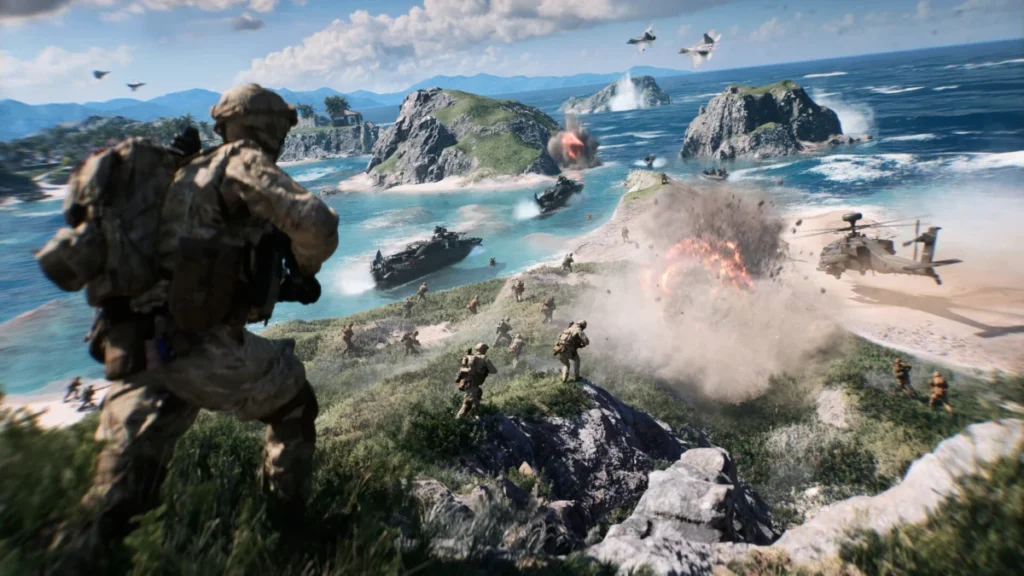
What should have been an exciting period—the launch of Season 4: Pacific Front—has instead been marred by technical instability. Players venturing into the new "Tsuru Reef" map are reporting consistent, game-breaking crashes, forcing developer Electronic Arts (EA) to issue an unconventional advisory: roll back your GPU drivers.
The Core of the Conflict: Stability Issues in "Pacific Front"
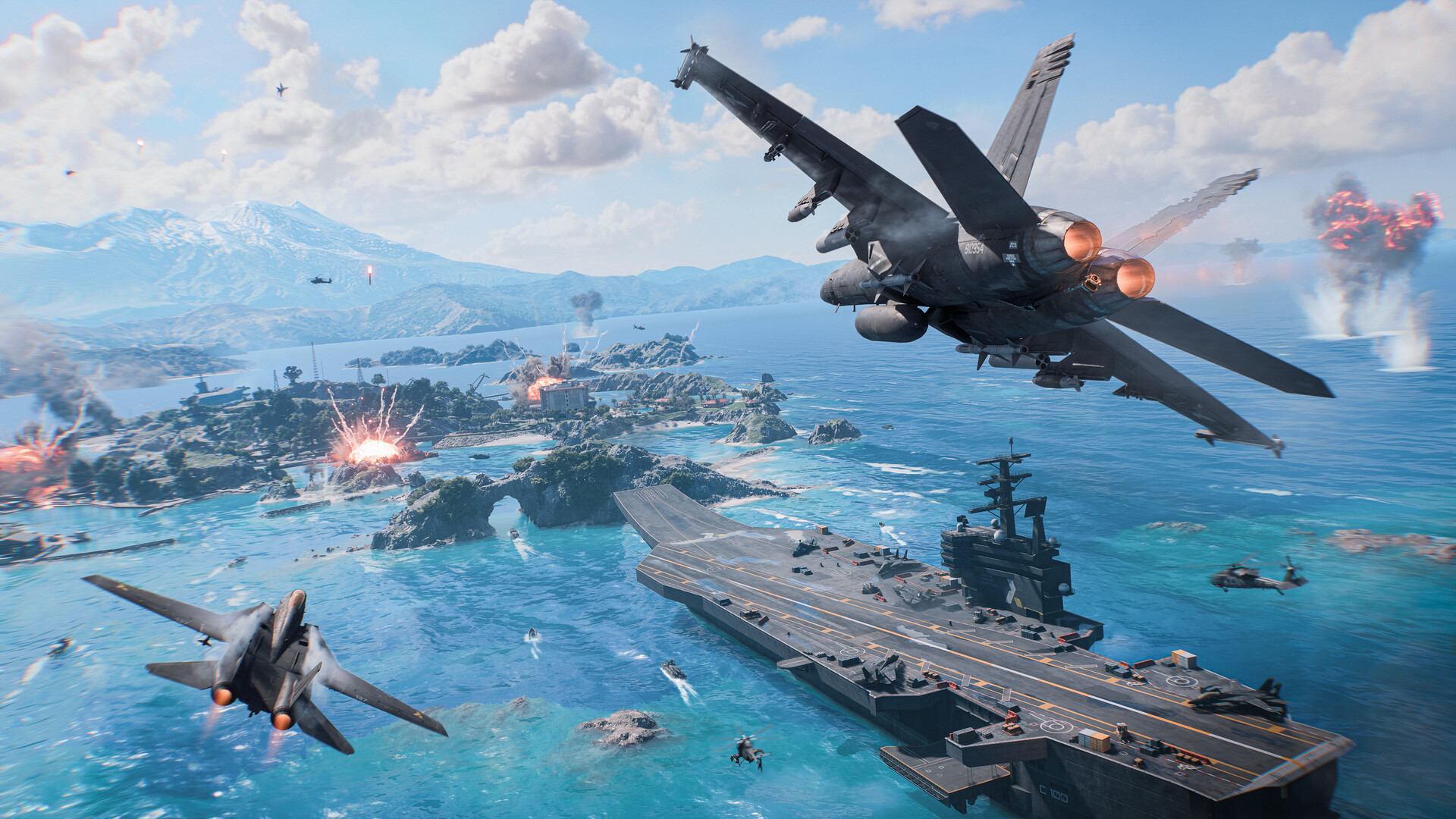
The issue centers on the rendering of water-heavy environments. Battlefield 6, known for its expansive, destructible, and highly detailed maps, has long pushed the boundaries of modern PC hardware. With the release of Season 4: Pacific Front, the developers introduced Tsuru Reef, a map dominated by complex aquatic textures, reflections, and fluid dynamics.
Reports from the community indicate that as soon as players engage in combat near these high-fidelity water assets, the game client experiences a fatal error, leading to a hard crash to the desktop. While game crashes are not uncommon in the weeks following a major content drop, the frequency and specific hardware correlation in this instance have raised significant alarms within the community.
Data gathered from community forums and crash logs suggests that the issue is not universal, but rather concentrated among users of the cutting-edge NVIDIA RTX 50 Series GPUs. While some reports of similar instability have trickled in from owners of the RTX 40 Series, the intensity of the issue is significantly higher for the 50 Series demographic, suggesting an incompatibility between the latest driver branch (610.74) and the engine’s current handling of water-rendering shaders.
Chronology of the Technical Crisis
The timeline of this incident reflects the rapid-response nature of modern live-service games:
- Launch Day (Season 4): The Pacific Front update goes live, bringing with it the highly anticipated Tsuru Reef map. Within hours, social media platforms and the official Battlefield forums are flooded with complaints regarding "DirectX device lost" errors and memory access violations.
- The Identification Phase: Early community testing by tech-savvy users points toward the NVIDIA Game Ready Driver version 610.74. Players who had not updated to this version reported significantly fewer issues, while those who had performed the update found the game unplayable on the new map.
- Official Acknowledgment: Recognizing the severity of the backlash, Electronic Arts and Battlefield Studios took to official communication channels, including X (formerly Twitter), to acknowledge the investigation. They confirmed that they were working in tandem with NVIDIA engineers to isolate the cause.
- The Interim Advisory: In an attempt to mitigate the frustration, EA released an official statement recommending that users revert to NVIDIA driver version 596.49. This temporary "downgrade" strategy was presented as the only viable path to maintaining stability while a more permanent fix is engineered.
- Ongoing Investigation: As of today, the developers remain in an active diagnostic phase, requesting that users submit specific hardware profiles, including GPU model, OS version, and detailed crash dumps, to assist in the troubleshooting process.
The Technical Dilemma: Who is at Fault?
The debate surrounding the cause of these crashes is heated. In the PC gaming community, the "blame game" usually centers on either the game developer or the GPU manufacturer. In this instance, the lines are blurred.
The Case for Game Optimization
Critics argue that the Battlefield 6 engine, specifically its implementation of ray-traced water reflections and fluid dynamics, may be utilizing undocumented or unstable API calls that are not fully optimized for the new architecture of the RTX 50 Series. If the game’s code is pushing the limits of the hardware in a way that falls outside of established industry standards, then the responsibility lies with the developers to patch their software.
The Case for Driver Incompatibility
Conversely, NVIDIA’s recent driver branch (610.74) was released with a focus on enhancing stability for new titles and improving performance for the RTX 50 Series. It is possible that this specific branch introduced a regression in how the GPU handles specific buffer types, which Battlefield 6 relies upon for its map rendering. NVIDIA recently released a hotfix (610.82) aimed at general system stability, but it notably lacked a specific mention of Battlefield 6, suggesting that the root cause may be deeper than a simple performance optimization.
Official Responses and EA’s Call to Action
Electronic Arts has been transparent about the ongoing struggle, though they have been careful not to point fingers at NVIDIA. Their official advisory states:
"We are aware of reports concerning game crashes on the Tsuru Reef map for PC players. Our internal investigations indicate a correlation with specific NVIDIA driver versions. While we continue to work on a permanent patch, we recommend that RTX 50 Series users revert to driver 596.49. Your participation in providing crash logs is invaluable to our engineering team."
This call to action underscores the collaborative nature of PC development. EA is effectively crowdsourcing the diagnostic process, utilizing the telemetry data from thousands of affected users to identify the specific shader or API command that triggers the crash. This process, while slow, is often the only way to resolve issues that appear only under specific, reproducible conditions—what developers call "edge cases."

Implications for the PC Gaming Ecosystem
The Battlefield 6 crash saga is a poignant reminder of the fragility of the PC ecosystem. When players invest thousands of dollars into flagship RTX 50 Series hardware, they expect a seamless "plug-and-play" experience. When that experience is interrupted, the brand loyalty of the player is tested.
The Burden of Maintenance
For the casual gamer, the requirement to perform a "clean install" of a GPU driver—which involves using software like DDU (Display Driver Uninstaller) to strip away previous files—is a daunting and often frustrating task. This creates a barrier to entry that developers and hardware manufacturers must work harder to remove.
The Future of Live-Service Stability
As games become more visually demanding, the complexity of the interaction between the GPU driver and the game engine increases exponentially. We are likely to see more of these incidents as hardware iterations become more frequent. The industry may need to move toward a more integrated testing environment where developers have earlier access to next-generation driver branches, ensuring that "Day One" stability is a standard, not a luxury.
Moving Forward: What Should Players Do?
If you are an RTX 50 Series user currently encountering these issues, the advice remains clear:
- Do not wait for an automatic fix: If the game is crashing consistently, perform a clean rollback to version 596.49.
- Monitor the NVIDIA and EA Support Pages: Keep an eye out for version 610.83 or higher, which will likely contain the official fix for this conflict.
- Contribute to the Data: If you experience a crash, ensure your "Crash Reporter" window is allowed to send data to EA. These reports are the primary mechanism by which the development team understands the specific memory addresses that are causing the failure.
In conclusion, while the current state of Battlefield 6 on high-end hardware is undeniably frustrating, it serves as a critical case study in modern software development. The interplay between massive-scale multiplayer maps and the raw power of the RTX 50 Series is a high-wire act that requires constant refinement. As EA and NVIDIA move toward a resolution, the player community waits with bated breath for the "Pacific Front" to become as stable as it is visually spectacular. Until then, the temporary fix of a driver rollback remains the community’s best defense against the chaos of Tsuru Reef.