
Beyond Topical Treatments: The Nutritional Blueprint for Clearer, Acne-Free Skin
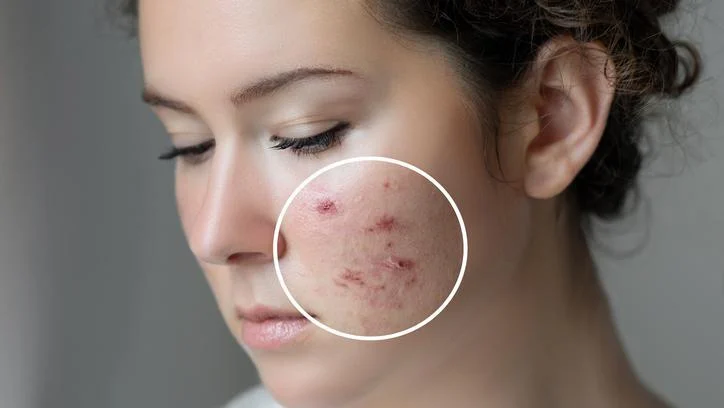
JAKARTA – For millions globally, the battle against acne is a persistent, often frustrating journey. While the beauty industry bombards consumers with an endless array of serums, creams, and expensive clinical procedures, a growing body of dermatological research suggests that the most effective solutions may not be found in a bottle, but on a dinner plate.
Acne vulgaris remains the most common skin condition worldwide, transcending age, gender, and geography. While the focus of treatment is traditionally external, current science indicates that systemic health—particularly diet—plays a pivotal role in the manifestation and severity of breakouts. As we navigate the complexities of skin health, understanding the link between internal nutrition and external complexion has become an essential pillar of modern dermatology.
The Multifaceted Nature of Acne: Why Skin Fails
Acne is not merely a superficial issue of clogged pores; it is a complex, multifactorial condition. According to dermatological experts, the root causes are often a convergence of genetic predisposition, hormonal fluctuations, chronic stress, environmental pollution, and, crucially, gut health.
When we talk about the "gut-skin axis," we are referring to the sophisticated biological communication between the digestive system and the integumentary system. Inflammation in the gut—often fueled by poor dietary choices—can manifest as systemic inflammation, which frequently erupts on the skin as papules, pustules, and cystic acne.
The Science of Nutrients: How Diet Influences Inflammation
The correlation between diet and skin health is no longer a matter of anecdotal evidence. Scientific studies have consistently shown that diets rich in fiber, antioxidants, and essential fatty acids are instrumental in mitigating systemic inflammation. By reducing the body’s inflammatory load, these nutrients effectively lower the frequency and intensity of acne outbreaks.
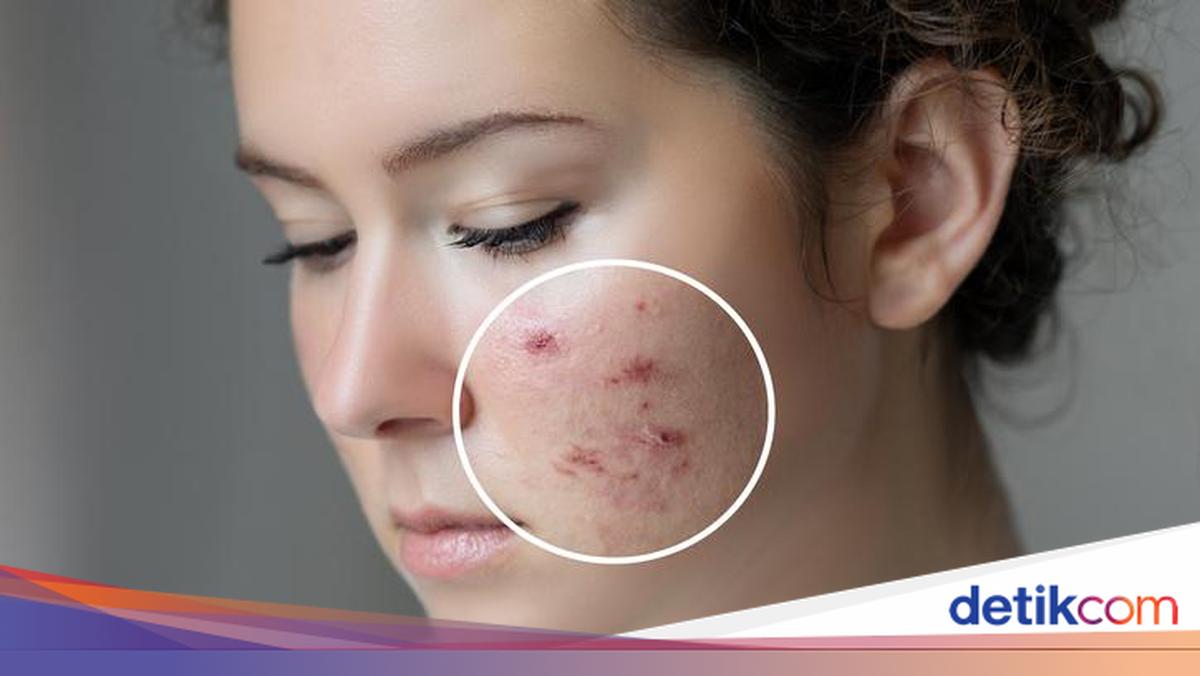
As reported by Everyday Health (July 2026), moving toward a diet that prioritizes anti-inflammatory foods can transform the skin from the inside out. Here is an in-depth analysis of five powerhouse foods that serve as nature’s defense against acne.
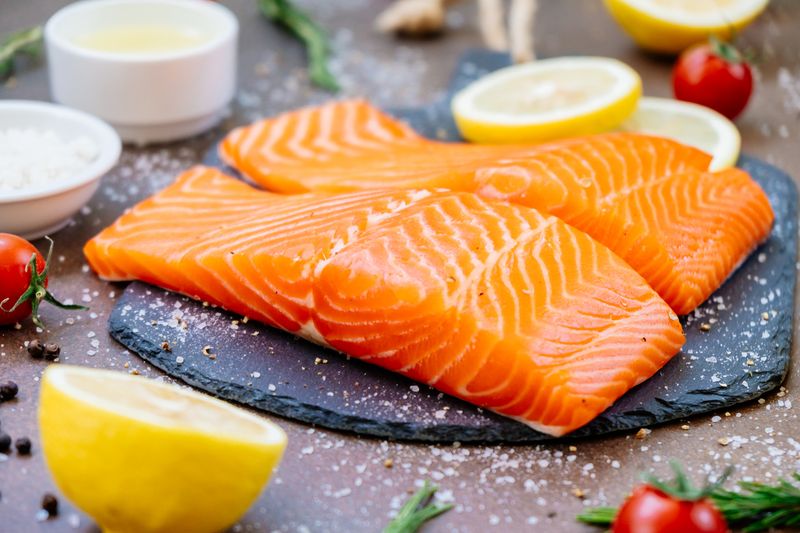
1. Salmon: The Omega-3 Powerhouse
The inclusion of fatty fish, particularly salmon, is frequently the first recommendation from skin experts. The secret lies in its high concentration of omega-3 fatty acids.
The Mechanism of Action:
Dermatologist Dr. Shoshana Marmon explains that omega-3s are potent anti-inflammatory agents. "These fatty acids work by inhibiting the pathways that lead to inflammatory acne," says Dr. Marmon. By modulating the body’s inflammatory response, omega-3s prevent the inflammation of hair follicles, thereby stopping the development of painful papules and pustules before they start.
Beyond the Salmon Fillet:
For those looking to diversify their intake, other cold-water fish like tuna and mackerel are excellent alternatives. Furthermore, plant-based sources such as chia seeds and flaxseeds provide essential alpha-linolenic acid (ALA), which the body converts into the necessary fatty acids for skin repair.
2. Yogurt: Cultivating a Healthy Microbiome
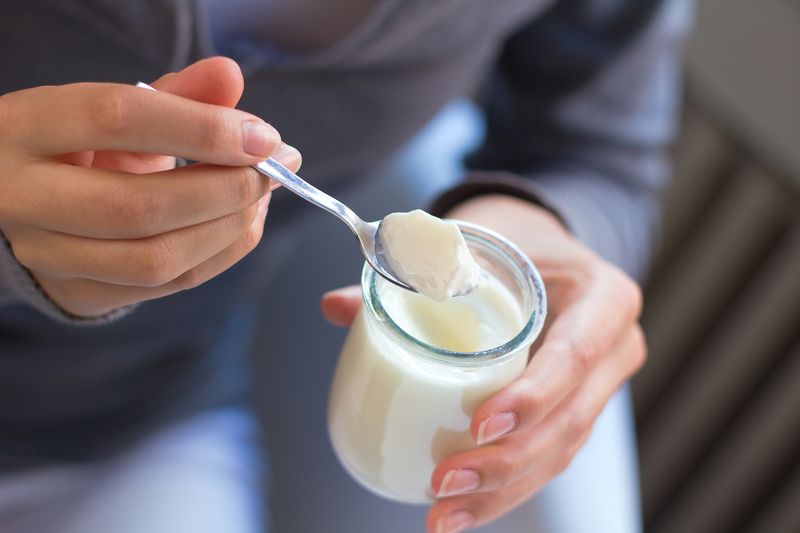
The rise of the "gut-skin axis" theory has brought fermented foods into the spotlight. Yogurt, rich in live probiotics, is a primary tool for maintaining a balanced gut microbiome.
The Microbiome Connection:
"The health of the gut microbiome is directly linked to the regulation of hormones and signaling molecules that dictate skin health," notes nutritionist Julia Zumpano. Probiotics in yogurt help populate the gut with beneficial bacteria, which subsequently lower systemic oxidative stress. When the gut is balanced, the body is less prone to the inflammatory spikes that trigger hormonal acne.
Integration Strategies:
To maximize these benefits, it is crucial to choose unsweetened, plain yogurt to avoid the inflammatory effects of refined sugar. Other potent probiotic alternatives include kimchi, kefir, and fermented vegetables, all of which contribute to a diverse and resilient gut ecosystem.
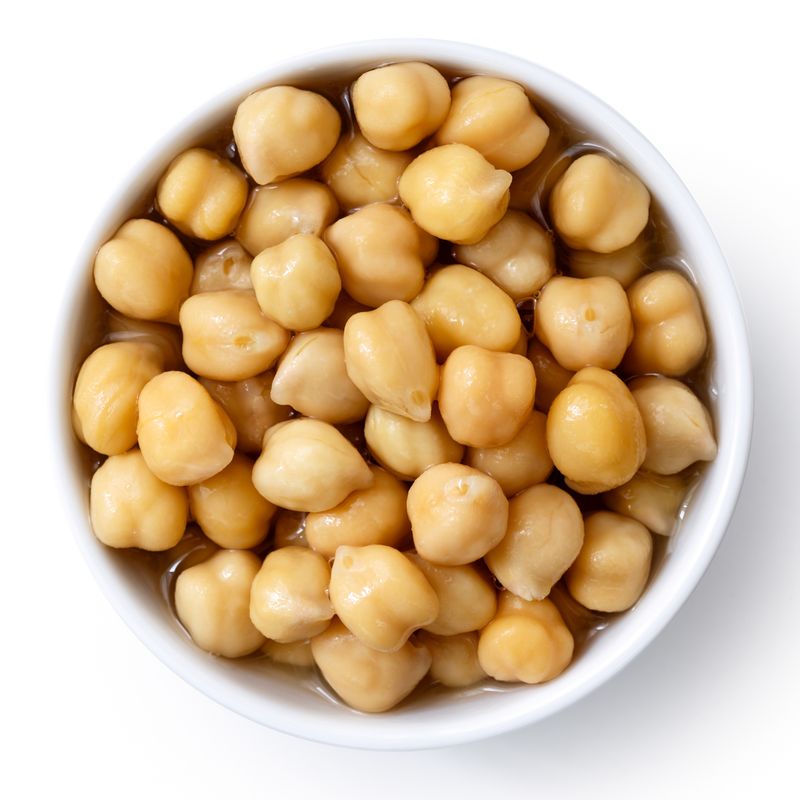
3. Chickpeas: Managing the Glycemic Index
The relationship between blood sugar and acne is well-documented. High-glycemic foods—those that cause rapid spikes in blood glucose—trigger a cascade of insulin production.
The Insulin-Androgen Link:
High insulin levels stimulate the production of androgens (male hormones), which in turn signal the sebaceous glands to produce excess sebum (oil). When this oil mixes with dead skin cells, the result is a perfect storm for clogged pores and bacterial growth. Chickpeas, with their low glycemic index and high zinc content, offer a dual-action defense. By stabilizing blood sugar, they prevent the insulin spikes that fuel oil production, while simultaneously providing the minerals necessary for skin healing.
4. Blueberry: The Antioxidant Shield
Oxidative stress—the imbalance between free radicals and antioxidants in the body—is a significant contributor to cellular damage and inflammation.
The Role of Phytochemicals:
Blueberries are dense with polyphenols, Vitamin C, and Vitamin E. According to Dr. Marmon, these antioxidants act as a shield, neutralizing the free radicals that cause skin inflammation. Incorporating a colorful variety of fruits and vegetables—including kale, spinach, strawberries, and cauliflower—ensures a broad spectrum of micronutrients that bolster the skin’s natural repair mechanisms. This is why the Mediterranean diet, known for its high intake of colorful produce, is frequently cited as the "gold standard" for clear skin.
5. Almonds: The Zinc Specialist
Zinc is an essential mineral for skin health, lauded for its potent anti-inflammatory and antibacterial properties. Almonds stand out as a convenient, nutrient-dense source of this mineral.
Mineral Support:
Zinc helps regulate the activity of sebaceous glands and promotes the healing of damaged skin tissue. For those struggling with stubborn acne, increasing zinc intake can be a game-changer. However, balance is key. While zinc is essential, excessive consumption through red meat—often recommended for its high mineral content—can pose risks to cardiovascular health. Therefore, plant-based sources like almonds, pumpkin seeds, and lentils are considered safer, more sustainable choices for long-term health.
Clinical Implications and Professional Guidance
While these dietary adjustments are effective for many, it is imperative to approach nutritional changes with professional guidance.
The Chronology of Change
Transitioning to an anti-inflammatory diet is not an overnight fix. Studies suggest that the skin cycle—the time it takes for skin cells to turnover—is approximately 28 days. Consequently, individuals should expect to commit to these dietary changes for at least four to eight weeks before observing visible improvements in their complexion.
Official Expert Warnings
Nutritionist Julia Zumpano warns against the indiscriminate use of supplements. "While zinc is beneficial, high-dose supplementation can interfere with the absorption of other vital nutrients, such as copper, and may interact negatively with common medications like antibiotics," she cautions.
Before starting any high-dose supplementation regimen, it is crucial to consult with a dermatologist or a registered dietitian. They can provide a tailored assessment, ensuring that any dietary changes align with your specific hormonal profile, lifestyle, and existing medical history.
Summary and Future Perspectives
The shift in dermatological perspective—from treating the skin as an isolated organ to treating it as a reflection of internal health—marks a significant milestone in healthcare. By focusing on low-glycemic foods, increasing omega-3 fatty acids, and nourishing the gut microbiome, individuals can gain greater control over their skin health.
While skincare products will always have their place in a daily routine, they serve as a secondary line of defense. The true foundation of clear, resilient skin is built from within. By embracing a diet rich in whole, anti-inflammatory foods, we provide our bodies with the raw materials needed to combat the underlying triggers of acne, ultimately leading to a healthier, more vibrant complexion.
As research continues to evolve, the integration of nutritional science and traditional dermatology will likely remain the gold standard for long-term acne management. For now, the message remains clear: the most potent skincare regimen is the one you eat.