The End of an Era: The Passing of a Hawker Legend and the Legacy of Ah Hock Hokkien Noodles
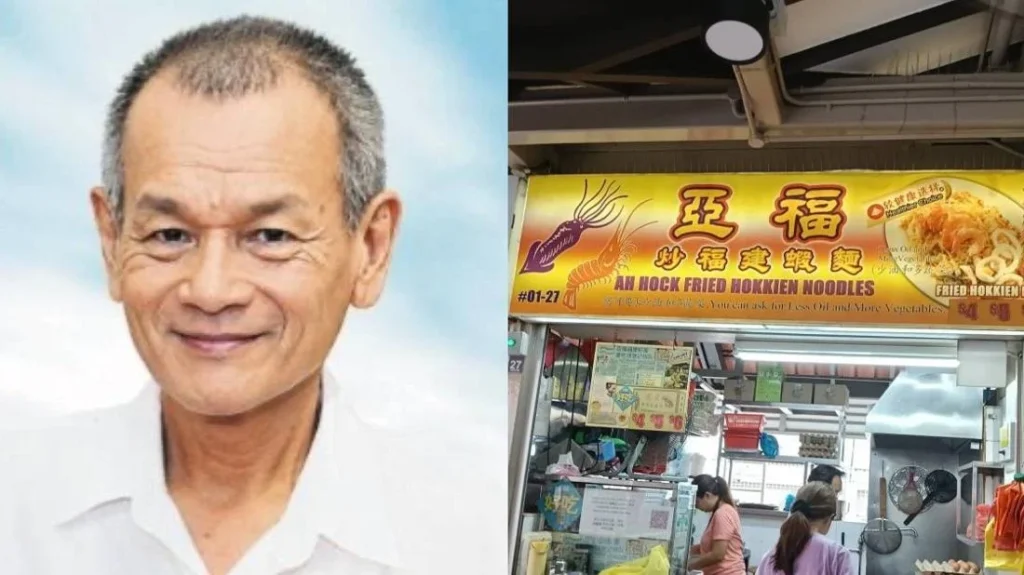
SINGAPORE – The vibrant tapestry of Singapore’s hawker culture, a pillar of the nation’s social and culinary identity, has lost one of its most cherished threads. Ng Hock Chuan, the venerable proprietor of the iconic "Ah Hock Hokkien Noodles" at the Chomp Chomp Food Centre, has passed away at the age of 79. His departure marks not just the end of an illustrious career, but the closing of a chapter in the history of one of Singapore’s most beloved street food staples.
For decades, the rhythmic clatter of his spatula against a seasoned wok and the distinct aroma of wok-hei (the "breath of the wok") wafting through the Serangoon Gardens food haven served as a sensory landmark for thousands. As the news of his passing reverberates through the local food community, it leaves behind a profound sense of loss and a wave of nostalgia for a dish that defined a generation of diners.
The Main Facts: A Culinary Icon Laid to Rest
The news of Mr. Ng’s passing first broke on July 20, shared by a long-time patron within the "Hokkien Mee Hunting" Facebook group. The discovery was incidental; a customer, intending to satisfy a craving for the legendary noodles, arrived at the Chomp Chomp Food Centre only to find the stall shuttered. Upon inquiring with neighboring vendors, the customer was met with the somber news that the master chef had passed away.
Ng Hock Chuan was not merely a cook; he was a pioneer of the Singaporean-style Hokkien Mee. While many hawker stalls in the city-state are managed by the first generation, the longevity and consistency of Ah Hock Hokkien Noodles set it apart. For over half a century, Mr. Ng dedicated his life to perfecting the balance of yellow noodles and thin vermicelli, soaked in a rich, savory broth imbued with the essence of fresh prawns, squid, and pork belly.
The stall, which earned recognition in the Michelin Guide Singapore starting in 2018, was more than a business—it was an institution. The news of his death has triggered an outpouring of grief from across the island, with social media platforms becoming digital shrines for fans to share their memories of the man behind the wok.
Chronology: From Humble Beginnings to Hawker Stardom
To understand the magnitude of Mr. Ng’s contribution to Singapore’s culinary landscape, one must look at the roots of his craft. Mr. Ng was the fourth son of Ng Seng, a legendary figure who was one of two brothers credited with pioneering the Singaporean iteration of Hokkien Mee. The dish, characterized by its wet, gravy-laden consistency compared to the drier versions found in Malaysia, became a hallmark of local identity.
1966: The Genesis of a Legacy
In 1966, Ng Hock Chuan struck out on his own, establishing his own business in the Serangoon Gardens area. This was a period when the local hawker scene was evolving from mobile pushcarts to the structured environment of the early hawker centers. Mr. Ng’s early years were defined by long hours and the arduous labor of perfecting the stock, which remains the "soul" of any reputable Hokkien Mee.
The 1980s: Finding a Permanent Home
It was in the 1980s that Mr. Ng moved his operations to the now-famous Chomp Chomp Food Centre. This move proved pivotal. The location, known for its late-night atmosphere and bustling energy, became the perfect stage for his craft. Over the next four decades, Ah Hock Hokkien Noodles became synonymous with the Serangoon area.
2018: Michelin Recognition
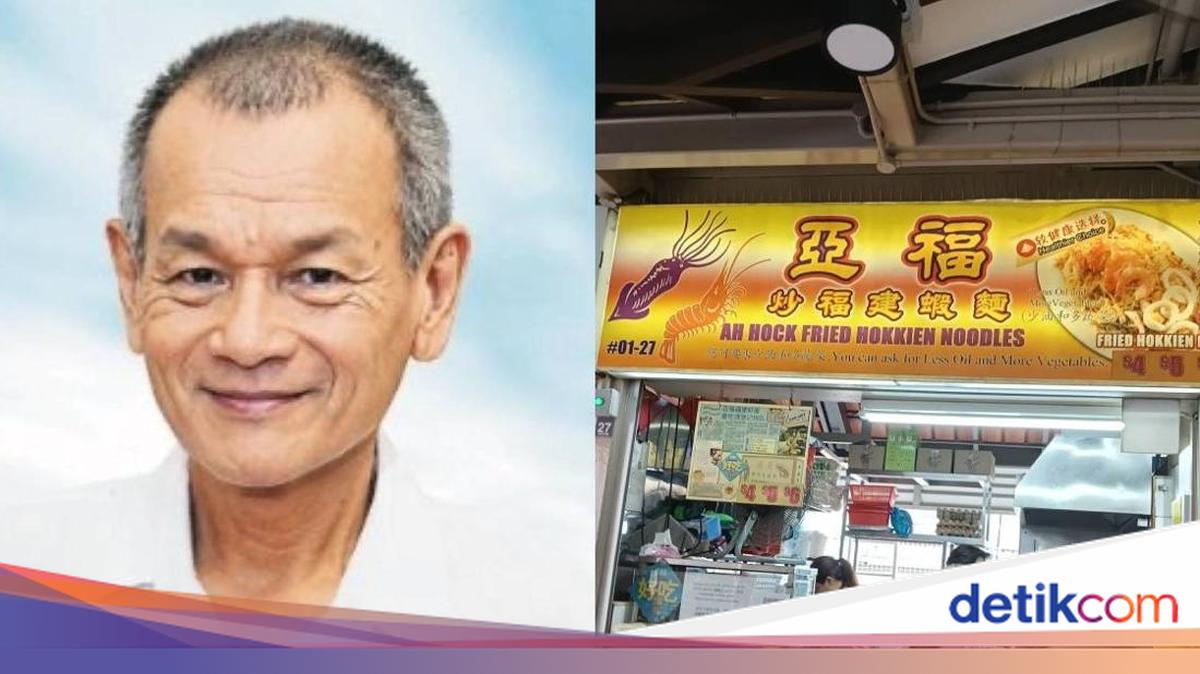
By 2018, the stall’s reputation was solidified on an international scale when it was included in the Michelin Guide Singapore. This recognition was not sought through marketing or social media trends, but through the consistent delivery of a dish that critics described as "unrivaled in its prime."
Supporting Data: The Anatomy of a Masterpiece
The enduring appeal of Ah Hock Hokkien Noodles was never a matter of chance; it was a product of rigorous technique and high-quality ingredients.
- The Components: A typical plate consisted of a precise ratio of yellow wheat noodles to thin rice vermicelli. This blend allowed the noodles to absorb the concentrated prawn and pork stock without becoming mushy.
- The Proteins: Fresh prawns, squid, and tender slices of pork belly provided the necessary texture, while the addition of crispy pork lard—often considered the "gold" of hawker cooking—added the requisite richness.
- The Price Point: Despite its legendary status and Michelin recognition, the stall maintained a humble pricing structure, with a plate typically priced at S$4. This accessibility was central to Mr. Ng’s philosophy of providing quality food for the common person.
- The "Wok-Hei": Fans of the stall often noted that the noodles possessed a distinct smoky depth, a testament to Mr. Ng’s mastery of heat control—a skill that is increasingly rare in the modern culinary landscape.
The Man Behind the Wok: Character and Legacy
Those who knew Mr. Ng or frequented his stall describe him as a man of few words but immense character. Unlike the modern "celebrity chef," Mr. Ng was defined by his quiet, focused, and unassuming nature.
"He was never one to boast or make a scene," a regular customer noted. "He would simply greet you with a calm smile, turn back to the stove, and pour his entire concentration into the wok. It was his way of communicating his respect for the ingredients and his customers."
This humility resonated with patrons. Many of the tributes flooding social media echo a similar sentiment: that the food tasted like "home" because the person cooking it approached his work with sincerity. For many, a visit to his stall was a rite of passage—a constant in a city that is perpetually undergoing rapid change.
Official Responses and Public Sentiment
The Singaporean hawker community is a tightly knit ecosystem, and the passing of a veteran of Mr. Ng’s caliber has been felt by both peers and the public.
"Beristirahatlah dengan tenang, Paman (Rest in peace, Uncle)," wrote one devoted customer on social media. "Thank you for the countless plates of Hokkien mee, for the dedication you poured into every wok, and for the legacy that will always be remembered and missed by many of us."
The sentiment shared by many is one of deep gratitude. As one netizen eloquently put it, "This Hokkien mee was unmatched in its prime. It was my favorite spot for years, especially when I lived in the area during my teenage and twenties. To this day, I have yet to find one that can match the original taste."
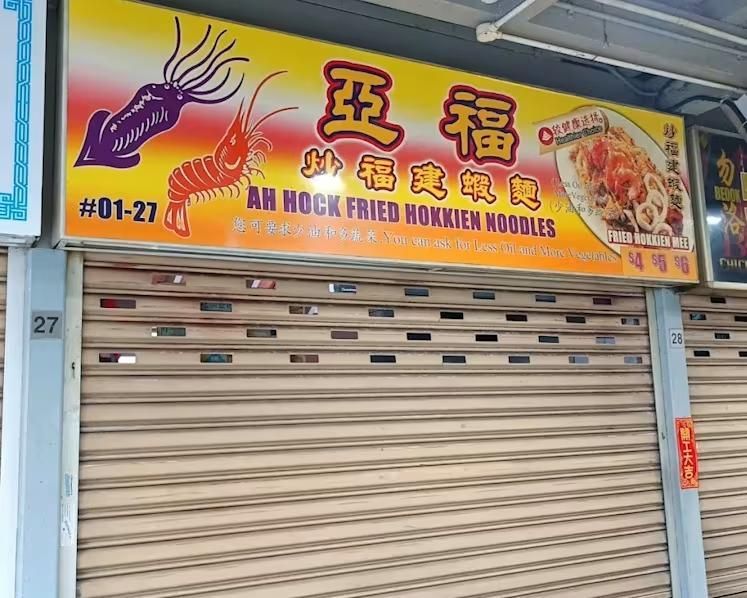
The loss has also sparked a wider conversation about the future of traditional hawker heritage in Singapore. With the passing of pioneers like Mr. Ng, there is an inherent anxiety regarding the preservation of "lost recipes."
Implications: The Challenge of Succession
The death of a master hawker brings to the forefront the critical issue of succession in the hawker trade. In Singapore, many iconic stalls have closed their doors permanently when the founding owner passes away or retires, largely due to the grueling nature of the work, the lack of interest from the younger generation, or the difficulty of replicating a "hand-feel" recipe.
The Hope for Continuation
There is a widespread, fervent hope among the community that Mr. Ng’s sons will step into his shoes. Many regulars have publicly stated that continuing the stall would be a "fitting tribute to a lifetime spent behind the wok." However, the path of a hawker is not an easy one. It requires years of apprenticeship to master the nuances of broth-making and heat management that made Ah Hock’s version of the dish legendary.
The Broader Hawker Ecosystem
The situation with Ah Hock Hokkien Noodles serves as a microcosm for the challenges facing Singapore’s UNESCO-recognized hawker culture. As the founding generation ages, the government and the community face the difficult task of incentivizing younger generations to take up the mantle. The preservation of these stalls is not just about the food; it is about maintaining the social fabric of the neighborhood, where stalls act as communal gathering points.
Conclusion: A Legacy Carved in Smoke and Savory Broth
Ng Hock Chuan’s journey from a small stall in 1966 to a name synonymous with one of Singapore’s most iconic dishes is a story of grit, dedication, and heart. He leaves behind more than just a business; he leaves behind a standard of excellence that defined the childhoods and adult lives of countless Singaporeans.
While the stall may be temporarily quiet, the legacy of Ah Hock Hokkien Noodles remains vibrant in the collective memory of the city. Whether his sons choose to carry the torch or the stall eventually becomes a memory, the impact of his 79 years—many of which were spent standing in the heat of the kitchen to serve others—will not be forgotten. As the city continues to modernize, the quiet, humble figure of Mr. Ng behind his wok will remain a symbol of the authentic, tireless spirit that built Singapore’s world-renowned hawker culture.
For now, the community mourns a master, but they celebrate a life well-lived—a life measured not in years, but in the countless bowls of noodles that brought joy to so many. Rest in peace, Mr. Ng. Your contribution to the table of Singapore will be sorely missed.