Silent Suffocation: The Human Cost of Kalimantan’s Unchecked Forest Fires
By Mongabay Indonesia
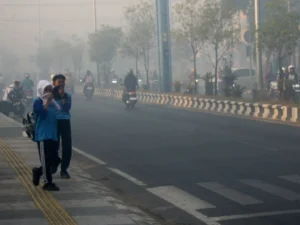
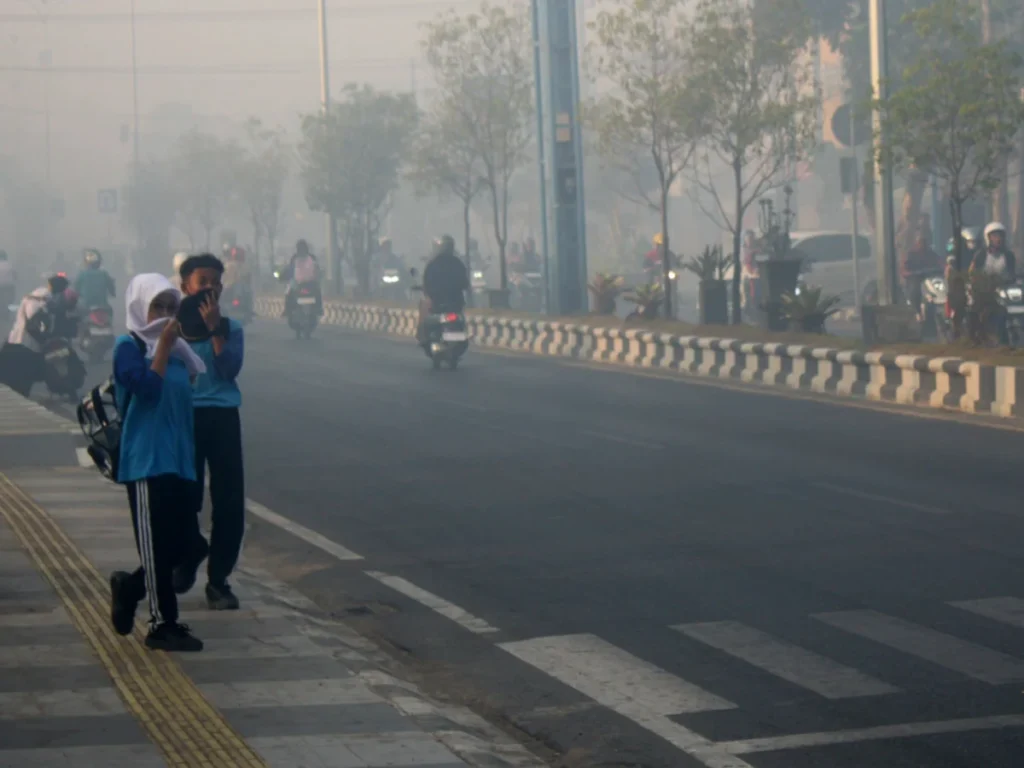
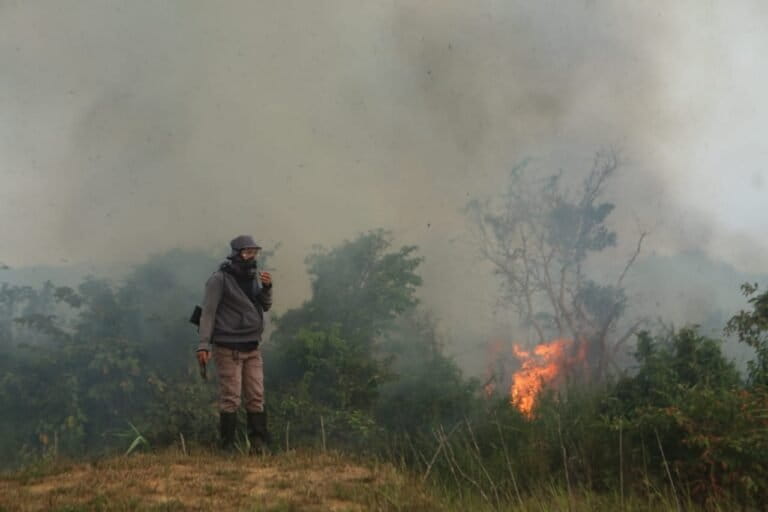
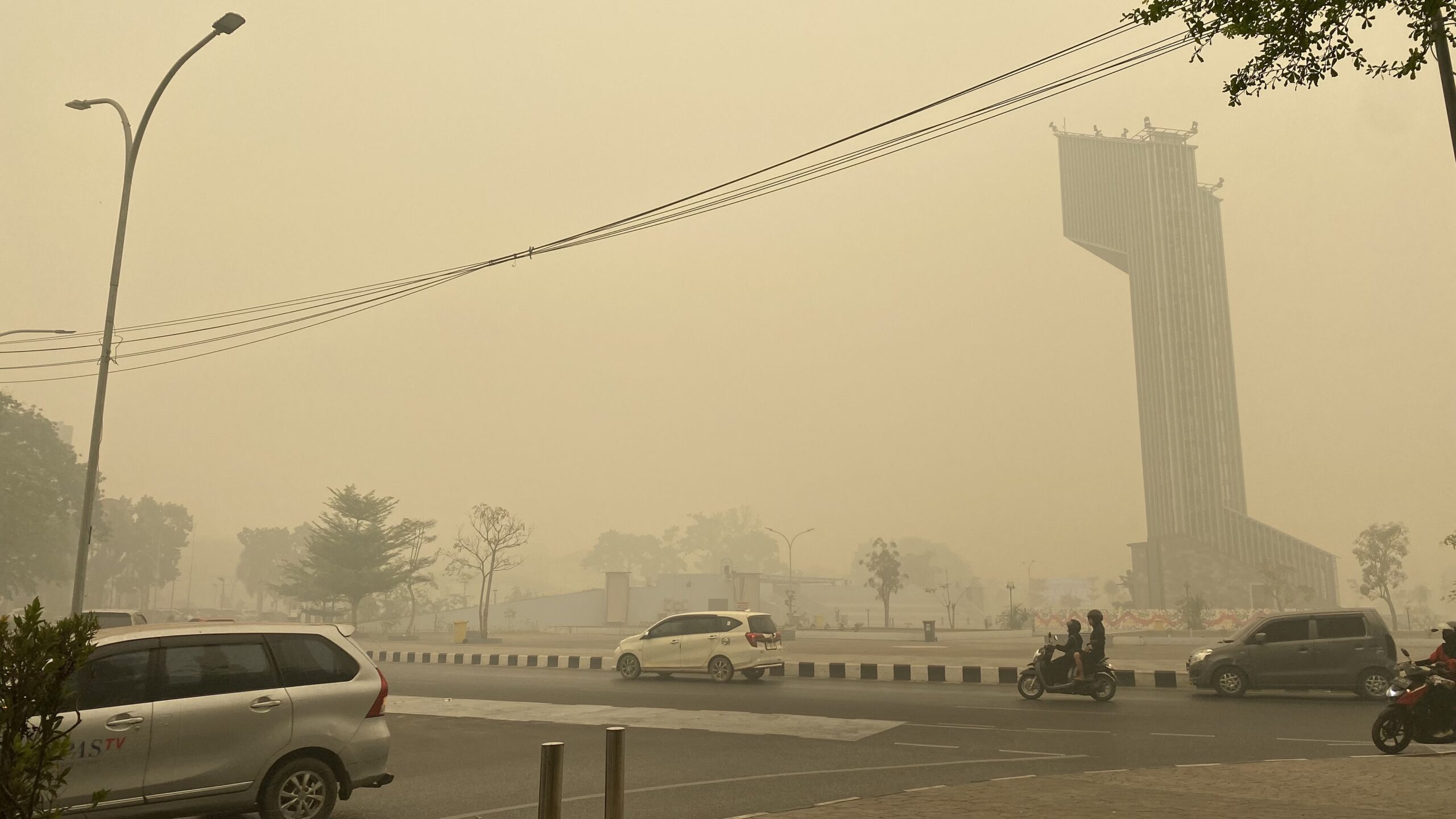
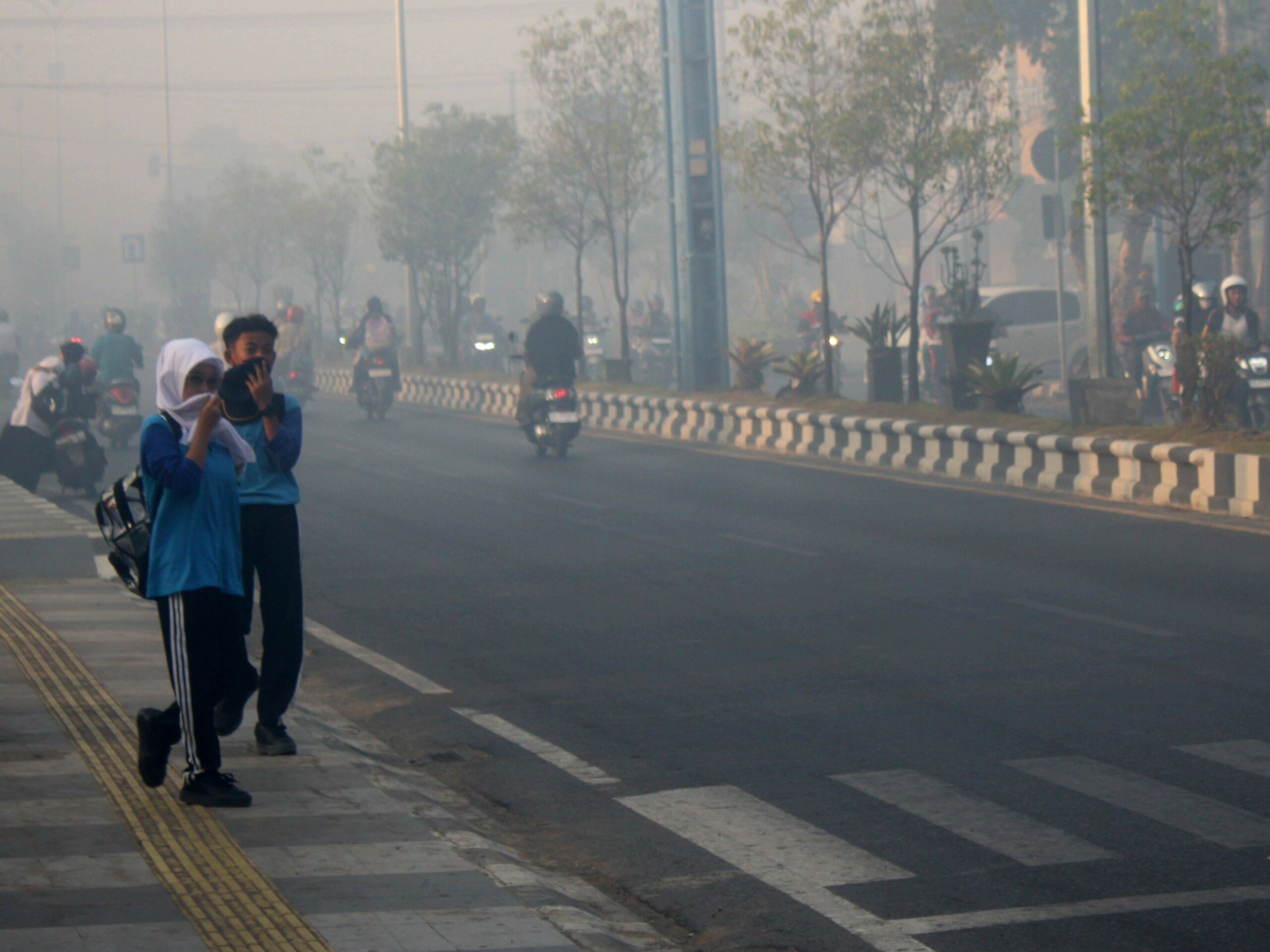
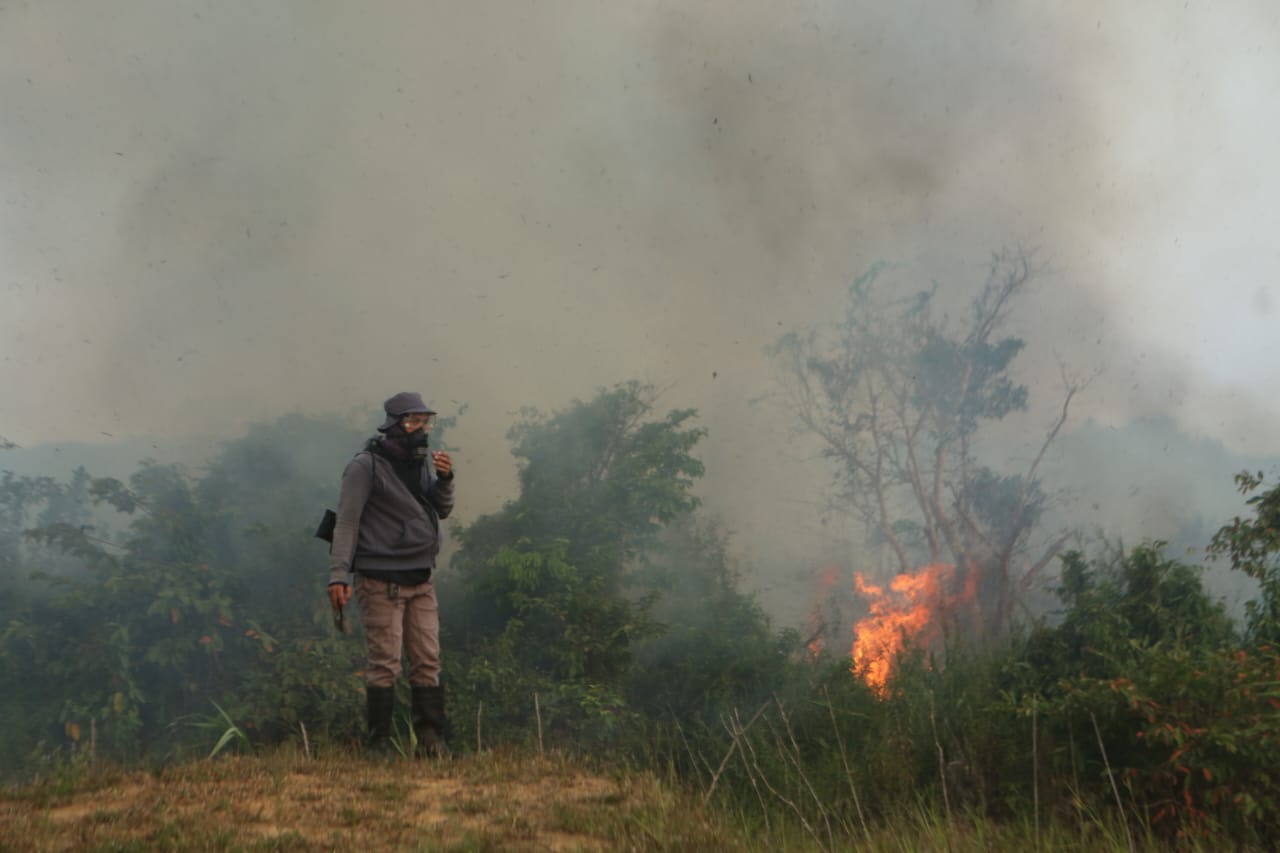
The sky over East Kalimantan has turned a haunting shade of sepia. For weeks, the horizon has been swallowed by a thick, acrid haze—the byproduct of relentless forest and land fires (karhutla) that show little sign of abating. While government officials discuss statistics and policy frameworks, the reality on the ground is marked by the labored breathing of children, the closure of schools, and the heartbreaking silence of families who have lost their most vulnerable members to a crisis they did not create.
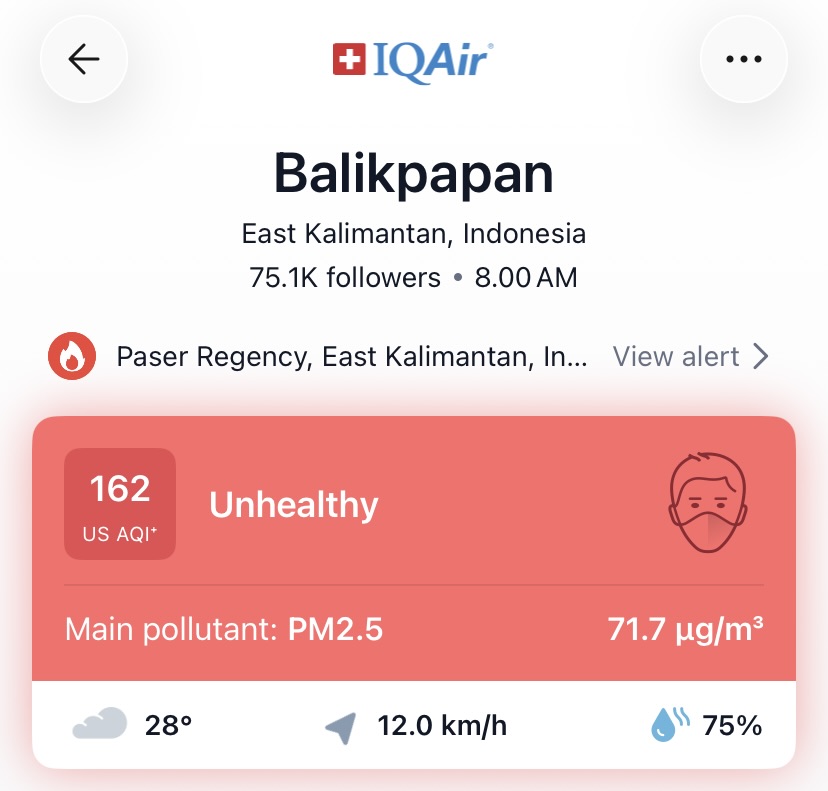
As the air quality index (AQI) remains trapped in the "unhealthy" to "hazardous" range, the residents of Balikpapan and Samarinda are living in a state of siege. The haze is no longer just an environmental issue; it has become a public health emergency that is testing the limits of the nation’s endurance.
The Human Toll: When Breathing Becomes a Luxury
For Michael, a resident of Balikpapan, the crisis hit home when his 20-month-old child was diagnosed with pneumonia. The illness began with a persistent cough and labored breathing, symptoms that quickly escalated. A visit to a private hospital and subsequent X-rays revealed infiltrates in the upper lobe of the child’s left lung.
"From the medical team, we learned that the primary factor contributing to this condition is the smoke that has become increasingly thick in Balikpapan," Michael told Mongabay. His story is not unique. He and his wife have effectively become prisoners in their own home, restricting all outdoor activities for their child in a desperate bid to filter the toxic air.
The tragedy is far more profound in Samarinda’s Palaran district. Yazlyn Syanindita, a 14-month-old infant, died suddenly following acute respiratory distress. Her grandfather, Sarno, recounts the evening of October 15, 2026, when the air quality reached a breaking point. "The smoke in Palaran was incredibly thick. It had been building up from fires the night before," Sarno said.
According to the family, Yazlyn had no prior history of respiratory illness. The collapse of her health was sudden and catastrophic, leaving the family with little time to seek professional intervention before she passed away. This follows the tragic death of a 60-year-old man, identified as LJ, who was found dead after being trapped in a fire in the Samarinda Ulu district, highlighting that the danger of the karhutla extends beyond the microscopic particulates in the air to the immediate threat of encroaching flames.
Chronology of a Mounting Crisis
The situation began to deteriorate rapidly in late September and early October 2026. By mid-October, the haze had blanketed entire cities, prompting the Tim Reaksi Cepat Perlindungan Perempuan dan Anak (TRC PPA) of East Kalimantan to hold a protest in front of the Governor’s office on October 19.
The protesters issued a clear ultimatum: the government must declare the karhutla a national disaster. Rina Zainun, Chairperson of TRC PPA, who herself required two weeks of oxygen therapy due to the smoke, questioned the government’s inaction. "Are they waiting for mass deaths? We have already lost an infant. How long will the government remain indifferent?" she asked during her address.
The narrative of the crisis is built upon a series of missed warnings. Despite the visible decline in air quality, many families report that initial visits to local health clinics (Puskesmas) resulted in dismissals, with doctors claiming the condition was not severe enough for hospitalization. It was only when conditions worsened that children were rushed to Pediatric Intensive Care Units (PICU), often too late.
Supporting Data: The Anatomy of the Haze
The correlation between the fires and health outcomes is stark. According to data from the East Kalimantan Early Warning and Response System (SKDR), there has been a 10-20% increase in suspected Acute Respiratory Infection (ISPA) cases since late June 2026.
Cumulative data from the District Health Information System (DHIS2) reveals that as of October, over 33,000 cases of ISPA related to the karhutla have been officially recorded in East Kalimantan. Of these, 8,407 cases involve children under the age of one. Balikpapan leads the list with over 12,000 recorded cases, followed by Paser and Samarinda.
However, experts argue these numbers are likely just the tip of the iceberg. Diah Satyani Saminarsih, Founder and CEO of the Center for Indonesia’s Strategic Development Initiatives (CISDI), explains that the health risks are both immediate and generational.
"When you breathe this air, you are inhaling over 1,000 types of toxic particulates," Saminarsih noted. "Many are carcinogenic. We are not just looking at immediate respiratory inflammation; we are looking at long-term triggers for lung cancer and other systemic diseases. For pregnant women, the risks include low birth weight and even fetal death."
Official Responses: Denial and Reactive Measures
The government’s response has been met with skepticism. Fitnawati, Head of Disease Prevention and Control at the East Kalimantan Health Office, confirmed that the office has clarified the death of the infant in Samarinda. "The City Health Office and the hospital have stated that the death was not caused by the forest fires," she asserted, citing hospital laboratory results.
Despite this denial, the government has acknowledged the severity of the ISPA surge. Fitnawati emphasized that the government is coordinating daily with the Minister of Health to monitor the situation. "We have distributed masks, vitamins, and medical supplies to all ten districts and cities. We are also preparing ‘oxygen houses’ in various health facilities," she stated.
When questioned about why a formal health emergency has not been declared, Fitnawati explained that the decision rests with the central government. Currently, the regional approach remains one of "preparedness" rather than "emergency status," relying on the existing capacity of primary health facilities to handle the influx of patients.
The Call for Systemic Accountability
The crisis has sparked a broader debate regarding legal and corporate responsibility. Haris Retno, Chairperson of the Center for Women and Children’s Legal Studies (PuSHPA) at Mulawarman University, argues that the government has normalized the disaster.
"We have gone months without seeing a blue sky," Retno said. "The government must move beyond firefighting and start auditing the companies responsible for these land concessions."
Retno contends that the current legal framework is insufficient because it focuses on catching individuals lighting fires while ignoring the owners of the land. "If a company cannot manage its own concession area and prevent fires, their permit should be audited. It is time to determine if these corporations are even capable of holding such vast lands," she added.
Implications: A Future at Risk
The situation in East Kalimantan serves as a grim case study of "people-centered care" failing in the face of industrial-scale environmental degradation. The reliance on remote learning and the distribution of masks are, at best, palliative measures for a systemic illness.
As Saminarsih pointed out, the ultimate responsibility lies with those who profit from the land use practices that lead to these fires. Until the government prioritizes public health over the convenience of corporate interests, the cycle of smog and suffering is destined to repeat.
The tragedy of Yazlyn and the thousands of children currently struggling to breathe represents a failure to protect the most basic human right: the right to clean air. As the fires continue to burn, the citizens of Kalimantan remain in a state of suspended animation, waiting for the government to move from administrative coordination to genuine protection.
For the families on the frontlines, the question remains: how many more lives must be lost before the smoke is finally cleared? The answer, for now, remains hidden behind the thick, grey veil of the Kalimantan haze.