The Power of Compact Gaming: ASUS Unveils the ROG NUC 16 Phantom Blade Zero Edition
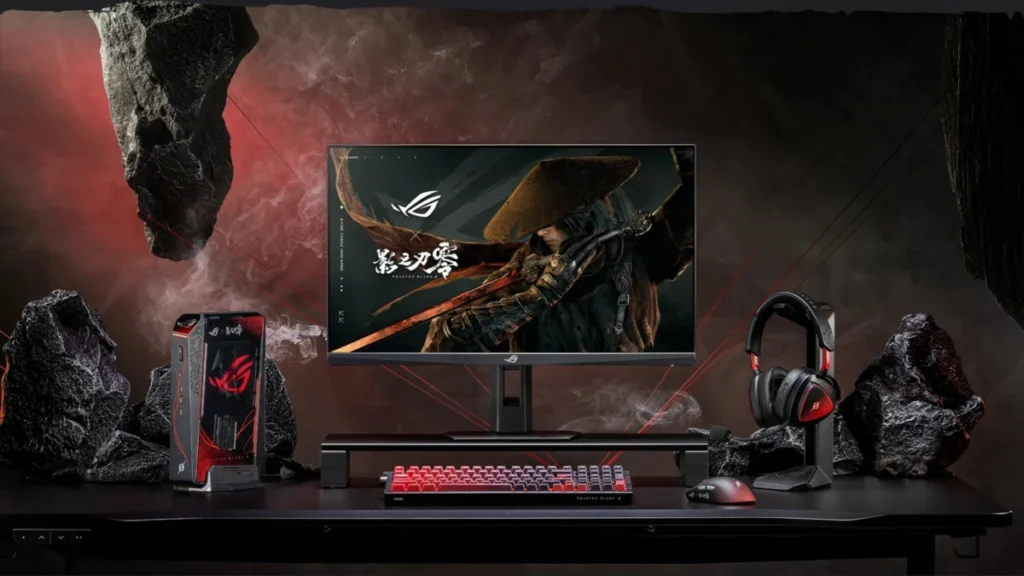
The landscape of high-performance computing is undergoing a radical shift. For decades, the gold standard for gaming enthusiasts was the towering ATX desktop—a massive, power-hungry monolith that occupied significant space. However, ASUS is challenging this paradigm with its latest innovation: the ROG NUC 16 Phantom Blade Zero Edition.
By merging the raw, unbridled power of Intel’s latest silicon with NVIDIA’s cutting-edge RTX 50-series mobile architecture, ASUS has effectively compressed the capabilities of a high-end gaming rig into a chassis that fits comfortably on a minimalist desk. This special edition, designed in collaboration with the developers of the action-RPG Phantom Blade Zero (S-GAME), is more than just a hardware refresh; it is a statement on the future of gaming aesthetics and form factor efficiency.
Main Facts: A Technical Powerhouse in Miniature
At its core, the ROG NUC 16 Phantom Blade Zero is a masterclass in thermal management and spatial optimization. While the device retains the foundational architecture of the original ROG NUC 16 launched in May 2026, the Phantom Blade Zero edition introduces a striking visual identity.
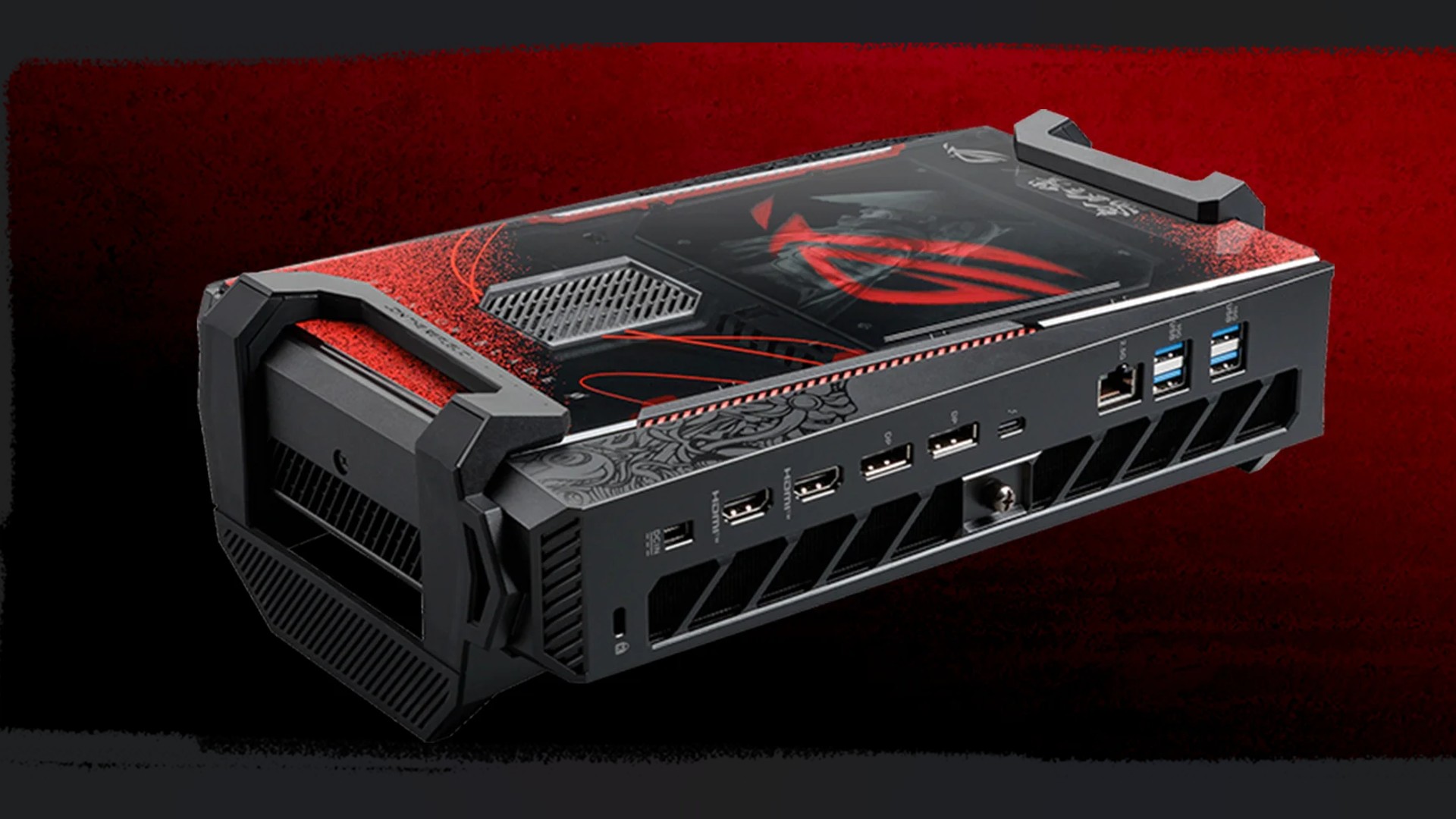
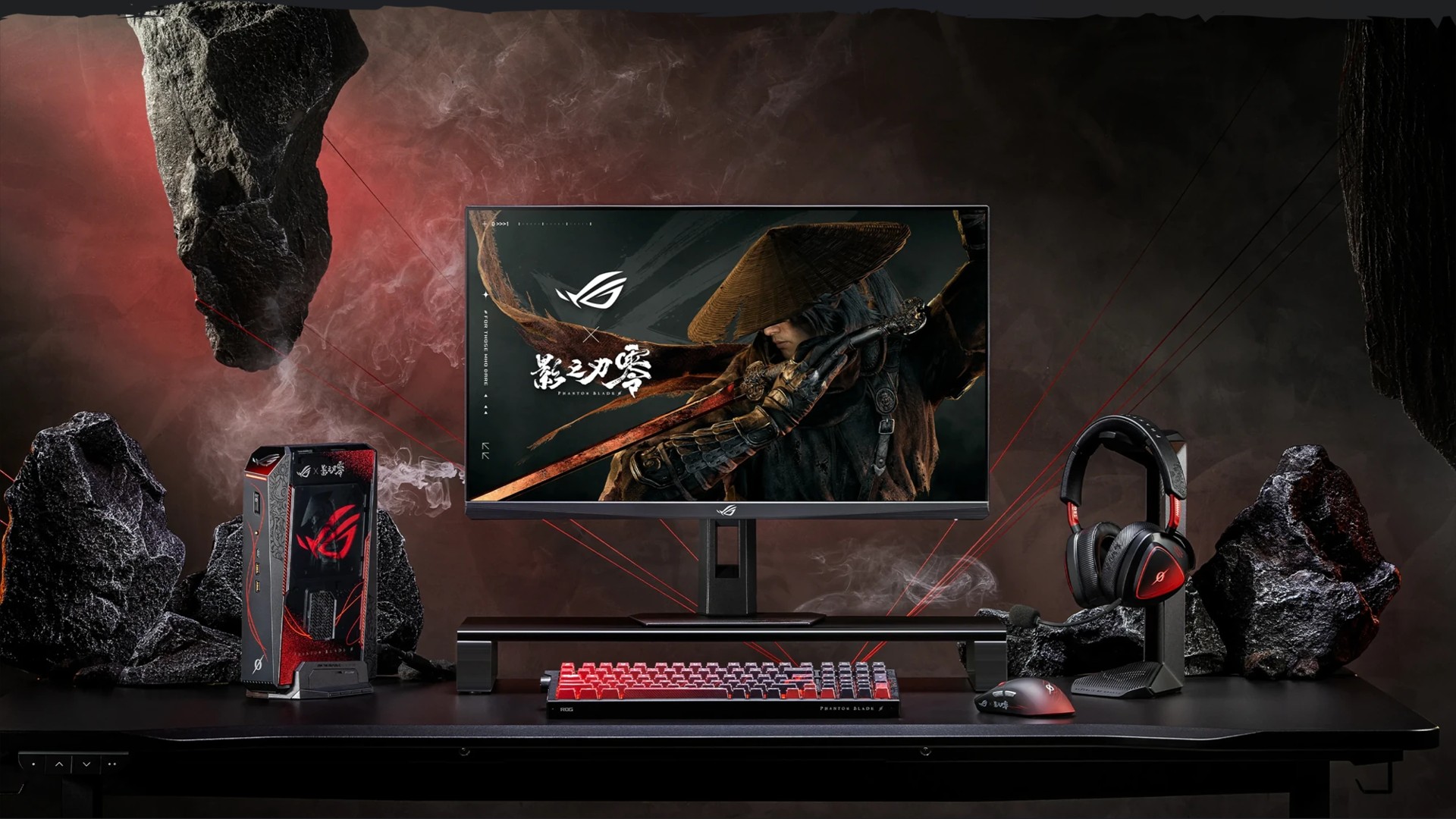
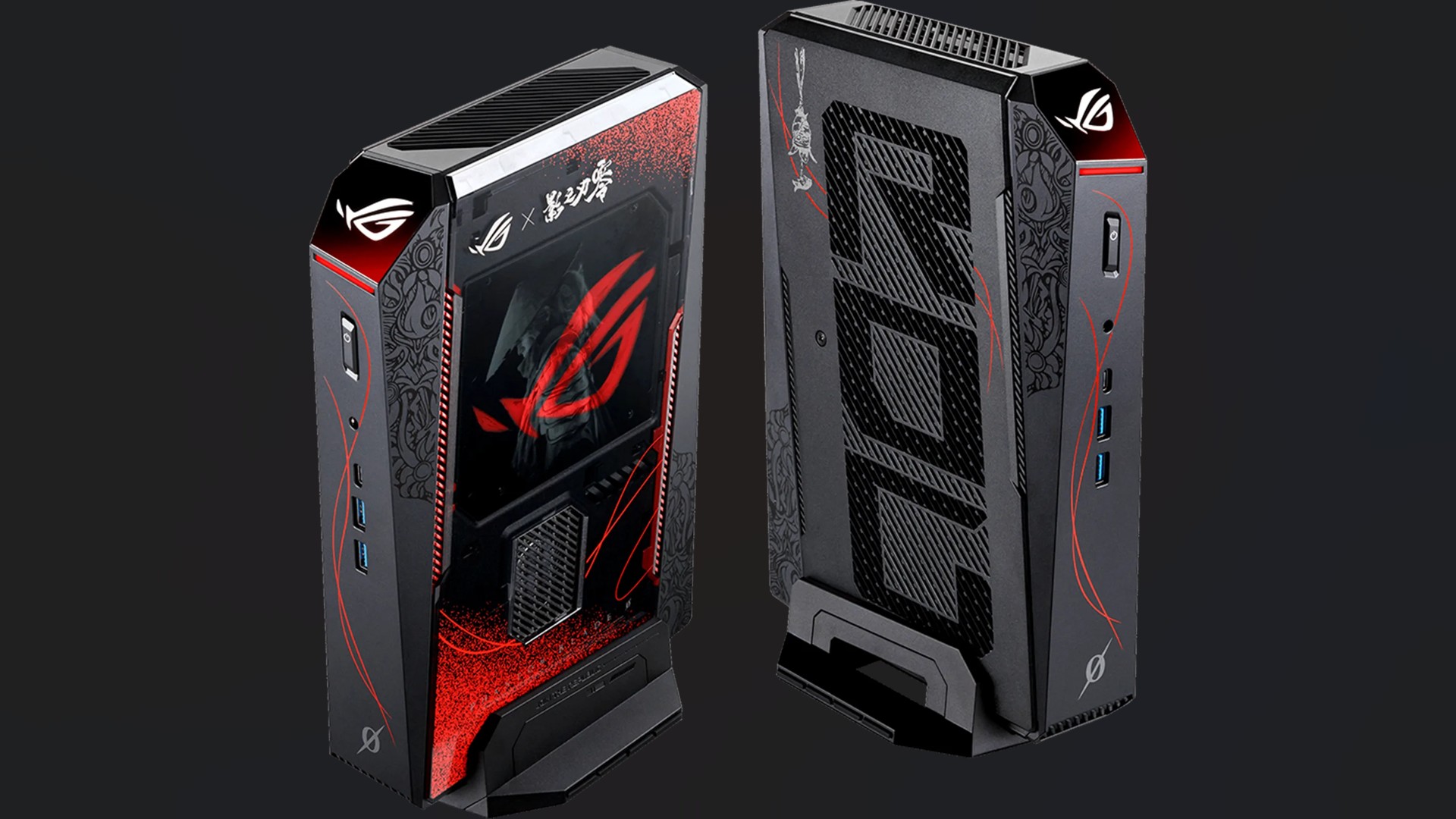
The exterior features a sophisticated red-and-black gradient finish, accented by a bold graphic of the Phantom Blade Zero protagonist on the side panel. Beyond the aesthetics, the unit is engineered for versatility, utilizing a detachable stand supported by integrated orientation sensors that ensure the interface remains user-friendly regardless of the device’s positioning.
Performance Specifications
The heart of this machine is the Intel Core Ultra 9 290HX Plus processor. Boasting a 24-core architecture and boost clock speeds reaching 5.5 GHz, this chip is designed to handle intensive multitasking, high-fidelity gaming, and heavy creative workloads without breaking a sweat.
ASUS has provided two distinct configurations for graphics enthusiasts:
- The RTX 5070 Variant: Equipped with 12GB of VRAM, perfect for high-refresh-rate 1440p gaming.
- The RTX 5080 Variant: Equipped with 16GB of VRAM, targeting enthusiast-level 4K gaming and ray-tracing mastery.
The memory and storage capabilities are equally impressive, supporting up to 128GB of DDR5 RAM and a dual-SSD setup capable of housing up to 8TB of high-speed NVMe storage.
Chronology: The Evolution of the ROG NUC Line
To understand the significance of the Phantom Blade Zero edition, one must look at the timeline of the ROG NUC series.

- May 2026: ASUS officially launches the first iteration of the ROG NUC 16, solidifying their commitment to the mini-PC market. The device was lauded for its accessibility, featuring tool-less entry that allowed users to upgrade components with ease—a rarity in the small-form-factor (SFF) segment.
- Late 2026: Following the successful reception of the ROG NUC 16, ASUS begins exploring partnerships to elevate the brand’s visual appeal.
- October 2026: The official announcement of the Phantom Blade Zero special edition occurs, specifically targeting the high-growth gaming market in China. This move represents a strategic pivot toward "thematic hardware," where the intersection of pop culture and high-end engineering creates a premium product experience.
Supporting Data: Engineering and Connectivity
The primary concern with any high-performance mini PC is heat dissipation. Cramming a high-wattage CPU and a flagship GPU into a compact box often results in thermal throttling. ASUS addresses this with a sophisticated cooling array featuring three high-performance fans. This active cooling system is specifically tuned to draw heat away from the core components, maintaining stability even during prolonged gaming sessions.
Connectivity Suite
Despite its small footprint, the ROG NUC 16 is a connectivity powerhouse, ensuring it can serve as the central hub for any high-end gaming station:
- Wireless Networking: Equipped with the latest Wi-Fi 7 and Bluetooth 5.4, ensuring minimal latency and high-speed data transfer.
- Wired Networking: A 2.5 Gbps LAN port for stable, low-ping online gaming.
- Visual Output: Dual display support via HDMI 2.1 and DisplayPort 2.1, allowing for multi-monitor setups with high refresh rates and resolution capabilities.
Official Responses and Market Positioning
ASUS has positioned the Phantom Blade Zero as a luxury item. According to the official product documentation provided by ASUS China, the pricing reflects its "limited edition" and "high-performance" status:
- RTX 5070 Configuration: Starting at 24,499 Yuan (~US$3,688).
- RTX 5080 Configuration: Starting at 31,499 Yuan (~US$4,716).
These prices place the device well into the "enthusiast" category, far exceeding the cost of a standard mid-tower build with equivalent specs. When reached for comment regarding a global release, ASUS representatives noted that while the product is currently exclusive to the Chinese market, they are "closely monitoring global demand and consumer interest" in localized, themed high-performance hardware.
Implications: The Future of SFF Gaming
The introduction of the ROG NUC 16 Phantom Blade Zero brings several implications to the broader PC market.
1. The "Mobile-in-Desktop" Trend
The use of laptop-grade GPUs (RTX 50-series mobile) in a desktop-style enclosure is a calculated trade-off. While purists may argue that desktop-class cards offer higher power envelopes and performance ceilings, the industry is clearly moving toward a balance of efficiency and footprint. By utilizing mobile components, ASUS achieves a form factor that would be impossible with standard desktop GPUs, which often require massive cooling solutions and power supplies.
2. The Rise of Thematic Hardware
ASUS is tapping into a growing consumer segment: the collector-gamer. By aligning their hardware with high-profile gaming titles like Phantom Blade Zero, manufacturers are creating products that serve as both functional tools and display pieces. This moves the PC away from being a "beige box" toward being a lifestyle accessory, much like high-end gaming consoles or collector-edition sneakers.
3. The Accessibility of Upgradability
One of the most praised aspects of the ROG NUC 16 is its tool-less design. By ensuring that the RAM and storage remain user-accessible, ASUS is countering the industry trend toward soldered, non-upgradeable components. This commitment to longevity is vital for a device at this price point, as it allows the user to extend the machine’s lifespan as software requirements evolve.
4. Economic Barriers
While the technology is impressive, the price tag remains a significant barrier. With costs approaching $5,000 for the top-tier configuration, this device is not aimed at the mass market. Instead, it serves as a "halo product"—a device that showcases what is possible in engineering, even if it is out of reach for the average consumer. For those who choose to invest, however, it offers an unparalleled combination of style, silence, and speed in a package that fits in a backpack.
Conclusion
The ASUS ROG NUC 16 Phantom Blade Zero Edition is a fascinating intersection of art and engineering. It proves that the "mini PC" category has moved beyond the realm of office work and media streaming, firmly establishing itself as a viable home for top-tier gaming.
While its price tag and regional availability currently limit its reach, the design philosophy behind it—emphasizing thermal efficiency, user-accessible hardware, and striking aesthetics—sets a new benchmark for the industry. As the line between laptop components and desktop performance continues to blur, we can expect to see more of these "ultra-compact powerhouses" dominating the desks of enthusiasts who demand high-end performance without the clutter of a traditional tower.
For the gamer who values space, aesthetic exclusivity, and cutting-edge silicon, the Phantom Blade Zero is more than just a computer—it is a glimpse into a future where the size of a machine no longer dictates the power it commands.