JAKARTA — Incorporating fresh fruit into a daily diet is universally recommended by health professionals worldwide. Bursting with essential vitamins, vital minerals, potent antioxidants, and dietary fiber, fruits form the cornerstone of a wholesome, balanced lifestyle. However, for millions of individuals managing metabolic conditions—such as prediabetes, type-2 diabetes, or insulin resistance—navigating the fruit aisle requires a strategic approach.
Not all fruits are created equal when it comes to glycemic impact. Because fruits contain natural sugars known as fructose alongside varying glycemic index (GI) ratings, consuming certain varieties can trigger rapid glucose spikes. Understanding how to select the right fruits can mean the difference between stable long-term energy and frustrating blood sugar rollercoasters.
Recent health guidelines emphasize that selecting fruits rich in dietary fiber and specific bioactive compounds can fundamentally transform metabolic health. Far from being forbidden territory, the right fruits can actively assist in managing blood glucose, supporting sustained weight management, and shielding cardiovascular health from the long-term complications of chronic inflammation.
According to recent insights published by Health.com, incorporating specific fruits into your daily nutrition plan offers a powerful shield for your metabolic health. Here is the comprehensive breakdown of the five best fruits to help you naturally maintain stable blood sugar levels.
Main Facts: Decoding Glycemic Control and Fruit Selection
To understand why certain fruits support metabolic health while others disrupt it, one must examine the mechanics of glycemic index (GI) and dietary fiber.
The glycemic index is a system that ranks foods on a scale from 0 to 100 based on how gradually or rapidly they cause blood sugar levels to rise. Foods with a high GI are broken down quickly by the digestion process, causing sharp, dramatic spikes in blood glucose and insulin. Conversely, low-GI foods are digested, absorbed, and metabolized much more slowly, resulting in a gradual, manageable rise in blood sugar.
When managing blood sugar, the goal is twofold:
Prioritize Low-Glycemic Index Options: Selecting fruits that score low on the GI scale prevents sudden surges in circulating glucose.
Maximize Fiber Intake: Dietary fiber—particularly soluble fiber—acts as a physiological speed bump in the digestive tract. It binds to sugars and fats, delaying gastric emptying and slowing the rate at which glucose enters the bloodstream.
Furthermore, many fruits contain powerful polyphenols, flavonoids, and antioxidants that enhance insulin sensitivity, allowing the body’s cells to utilize glucose more efficiently. For individuals managing type-2 diabetes, selecting nutrient-dense, fiber-rich fruits is not merely about preventing sugar spikes; it is a proactive strategy to protect against cardiovascular disease, hypertension, and systemic inflammation.
Chronology: The Evolution of Dietary Advice for Diabetics
For decades, conventional nutritional advice surrounding diabetes management took an overly restrictive approach, often discouraging patients from consuming sweet foods altogether—including nutrient-dense whole fruits.
The Early Restriction Era: In the late 20th century, medical professionals frequently advised strict carbohydrate limits that inadvertently lumped the natural, fiber-bound sugars of whole fruit into the same category as refined, processed sugars. Patients were often told to drastically cut back on fruit consumption out of fear that the fructose content would impair glycemic control.
The Shift Toward Glycemic Index (1980s–1990s): The introduction and popularization of the Glycemic Index shifted the nutritional paradigm. Researchers began recognizing that the speed at which carbohydrates enter the bloodstream matters just as much as the quantity consumed. Whole fruits, protected by thick cellular walls of fiber, were re-evaluated.
Modern Clinical Findings (2000s–Present): Contemporary nutritional science has firmly established that whole fruit consumption is not only safe for individuals with diabetes, but actively therapeutic. Landmark studies over the last decade have highlighted how specific antioxidant-rich and fiber-dense fruits can improve long-term glycemic markers, such as HbA1c, while simultaneously lowering systemic markers of inflammation and improving cardiovascular resilience.
Supporting Data: The Top 5 Fruits for Blood Sugar Management
Based on current nutritional research and expert recommendations, here are the five best fruits to keep your blood sugar stable, supported by their unique biochemical properties.
1. Berries (Blueberries, Raspberries, and Blackberries)
Berries are widely celebrated as nutritional powerhouses. Varieties such as blueberries, raspberries, and blackberries offer exceptional benefits for regulating blood sugar and minimizing post-meal insulin spikes.
The Mechanism: Berries are exceptionally rich in soluble dietary fiber, which slows down the digestion and absorption of sugars into the bloodstream.
Clinical Impact: Research indicates that regular consumption of blueberries and cranberries can significantly lower blood sugar levels and improve hemoglobin A1c (HbA1c) readings in individuals with diabetes. HbA1c serves as a critical diagnostic marker reflecting average blood glucose levels over a span of two to three months.
Beyond Blood Sugar: Alongside metabolic control, the heavy concentration of vitamins, minerals, antioxidants, and anti-inflammatory compounds in berries helps reduce the risk of hypertension, cardiovascular disease, and specific forms of cancer.
How to Enjoy: Toss them fresh into morning oatmeal, enjoy them as a standalone snack, or blend them into a low-glycemic green smoothie.
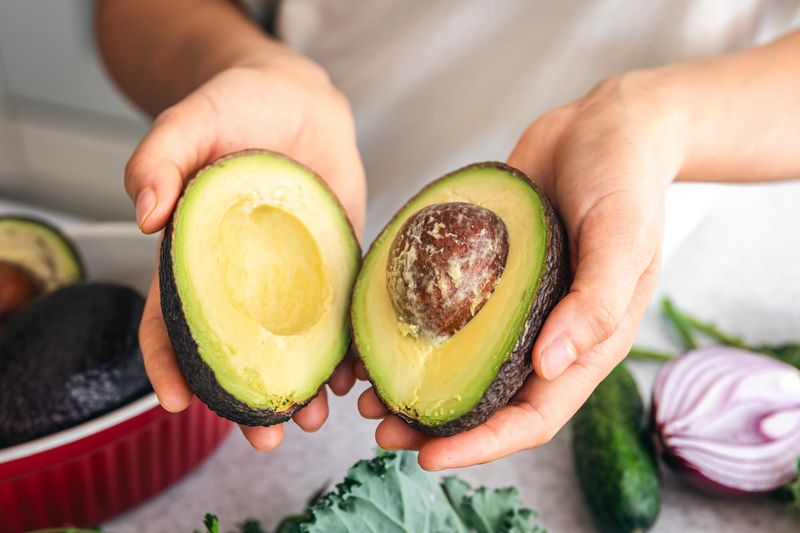
2. Avocados
While many view avocados primarily as a savory culinary ingredient, botanically they are single-seeded berries. Unlike most other fruits, avocados are remarkably low in carbohydrates and exceptionally high in healthy fats.
The Mechanism: Avocados are packed with monounsaturated fatty acids (MUFAs), which have been clinically linked to superior glycemic control in individuals with type-2 diabetes compared to diets high in polyunsaturated fats. Additionally, their high fiber content buffers against post-meal glucose surges.
Clinical Impact: A diet rich in the fiber-and-fat matrix found in avocados supports lipid profiles, reduces systemic inflammation, and improves overall body weight management—a crucial factor in reversing insulin resistance.
Satiety and Weight Control: The unique combination of healthy fats and viscous fiber delays gastric emptying, promoting long-lasting satiety and preventing overeating.
3. Citrus Fruits (Oranges, Lemons, and Pomelos)
The citrus family encompasses some of the world’s most widely consumed and refreshing fruits, including oranges, grapefruits, lemons, and pomelos. These fruits are remarkably friendly to metabolic health.
The Mechanism: Oranges boast a notably low glycemic index of approximately 43. Low-GI foods are proven allies in helping individuals with diabetes lower their HbA1c levels, manage blood pressure, and protect heart health.
Pectin Content: Citrus fruits are rich in pectin, a type of soluble dietary fiber that dissolves in water to form a gel-like substance in the gut. This gel slows stomach emptying, ensuring a gradual, sustained release of glucose into circulation.
Antioxidant Power: Citrus fruits contain abundant bioflavonoids, such as naringenin, a potent polyphenol displaying strong anti-diabetic properties.
4. Apples
The age-old adage "an apple a day keeps the doctor away" holds profound scientific truth, particularly for those monitoring their metabolic health.
The Mechanism: Apples combine a low glycemic index with a dense matrix of dietary fiber. A single medium-sized apple provides roughly 4 grams of fiber, including high concentrations of soluble pectin.
Clinical Evidence: A notable 2022 clinical study involving individuals with impaired glucose tolerance demonstrated that participants who consumed an apple before a meal of white rice experienced a statistically significant reduction in postprandial (post-meal) blood sugar levels compared to when they ate the rice alone. Researchers attribute this to the immediate buffering effect of the apple’s soluble fiber and anti-diabetic phytonutrients.
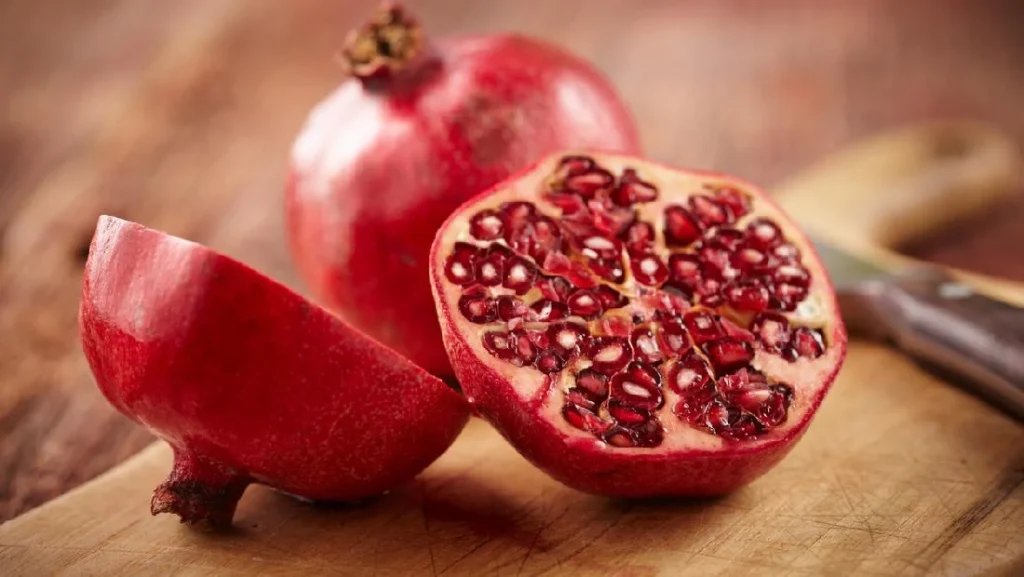
5. Pomegranates
Distinguished by their leathery red skin and jewel-like, juice-filled arils, pomegranates offer a sweet-tart flavor profile backed by serious metabolic benefits.
The Mechanism: Pomegranates feature an impressive ratio of dietary fiber paired with a low glycemic index.
Clinical Impact: Regular consumption of pomegranates—including both the edible seeds and fresh pomegranate juice—has been shown to lower systolic and diastolic blood pressure, reduce cholesterol levels, and ameliorate insulin resistance in patients with type-2 diabetes.
Bioactive Compounds: These benefits are driven by unique bioactive compounds, including ellagitannins, anthocyanins, and specialized organic acids that protect endothelial function and reduce cardiovascular strain.
Official Responses and Expert Perspectives
Nutritional scientists, endocrinologists, and dietitians continually emphasize that fruit should never be vilified in the context of diabetes management.
Dr. Maya Lin, a leading clinical endocrinologist, notes:
"There is a persistent misconception among patients that because fruit tastes sweet, it must be avoided. This is entirely false. The sugar in whole fruit is bound inside a complex cellular matrix of fiber, water, and micronutrients. When you eat a whole apple or a bowl of berries, your body processes that sugar fundamentally differently than it processes the refined, high-fructose corn syrup found in processed beverages."
Dietary associations worldwide, including the American Diabetes Association (ADA), consistently endorse the inclusion of fresh, frozen, or canned fruits (packed in water or natural juices without added sugars) as part of a heart-healthy, balanced meal plan. Experts advise focusing on portion control and prioritizing whole fruits over fruit juices, as juicing strips away the vital fiber that prevents rapid glucose absorption.
Implications: What This Means for Your Daily Health
Integrating these five fruits—berries, avocados, citrus, apples, and pomegranates—into your daily routine carries profound implications for long-term health and wellness.
Sustainable Glycemic Stability: By choosing low-GI, high-fiber fruits, individuals can avoid the exhausting cycle of energy crashes and sugar spikes, fostering steadier daily energy levels.
Cardiovascular Protection: Because diabetes and metabolic syndrome significantly elevate the risk of heart disease, incorporating antioxidant-rich foods like berries and pomegranates provides dual-action protection for both blood vessels and metabolic pathways.
Empowered Dietary Choices: Dispelling the myth that fruit is "forbidden" empowers patients to embrace a colorful, flavorful, and enjoyable diet rather than enduring restrictive, unsustainable eating patterns.
Ultimately, managing blood sugar does not mean stripping the joy from eating. By making informed, strategic choices at the grocery store and focusing on whole, fiber-rich fruits, you can nourish your body, protect your heart, and keep your blood sugar wonderfully balanced for years to come.