
Securing the Future: Indonesia’s Strategic Push for a Sustainable Pension Scheme for National Athletes
Introduction
The life of a professional athlete is often defined by peak performance, podium finishes, and the roar of the crowd. However, once the lights dim and the curtains close on their competitive careers, many athletes face a stark reality: financial instability. Recognizing this systemic vulnerability, Indonesian Minister of Youth and Sports, Erick Thohir, has spearheaded a pivotal initiative to establish a dedicated pension fund for the nation’s athletes.
The program aims to bridge the gap between a short-lived career in sports and the long-term requirements of financial security. As the government navigates the complexities of implementing this welfare system, it faces the dual challenge of adapting to the irregular income streams of athletes while ensuring absolute fiscal transparency to prevent the corruption that has historically plagued pension funds in the country.
The Core Argument: Why Athletes Need a Safety Net
The professional lifespan of an athlete is significantly shorter than that of the average workforce participant. While traditional professionals may remain in the labor market until age 55 or 60, elite athletes often reach their physical limit by their mid-30s or early 40s.
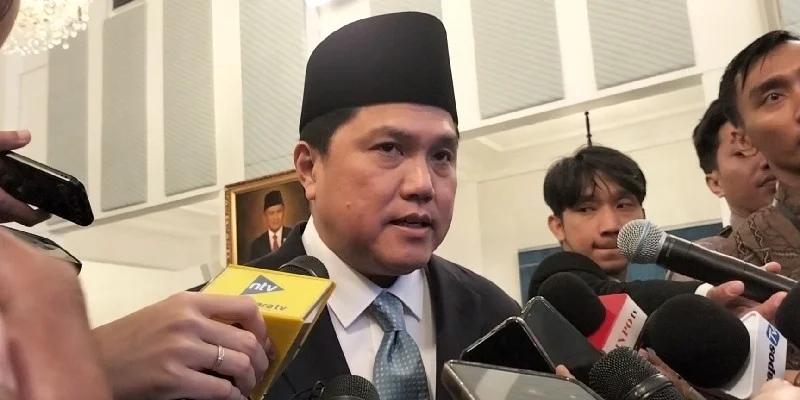
"Many athletes might stay in the game until they are 40, but compared to other professions where people retire at 50 or 60, they retire much younger," Minister Erick Thohir explained during a press conference in Jakarta. "Ultimately, they must have a pension fund."
This initiative is not merely a gesture of goodwill; it is a fundamental acknowledgment of the physical toll and the sacrifices athletes make for national prestige. Without a structured pension, many former champions risk falling into poverty, losing the dignity they earned while representing the Indonesian flag on international stages.
Chronology and Legislative Framework
The movement toward a comprehensive athlete pension fund is deeply rooted in the broader reform of the national sports landscape.
- The Foundation (2022): The legal bedrock for this initiative was established with the enactment of Law Number 11 of 2022 concerning Sports. This landmark legislation explicitly mandates the state’s responsibility to provide social security and recognition for athletes, ensuring their welfare is protected beyond their active years.
- The Planning Phase (2023-2024): Kemenpora (The Ministry of Youth and Sports) began internal assessments, mapping out the challenges of the sports industry and studying successful models in other nations.
- The Consultation Phase (2025): The Ministry commenced formal dialogues with the Attorney General’s Office (Kejaksaan) and the Financial and Audit Development Agency (BPKP) to create a robust oversight mechanism.
- The Current Status (2026): As of July 2026, the government is moving from the conceptual phase to the structural design phase, focusing on sustainable funding mechanisms that account for the non-traditional earnings of athletes.
The Complexity of Funding: Addressing Irregular Income
One of the most significant hurdles in creating this pension fund is the nature of an athlete’s income. Unlike a civil servant or a corporate employee who receives a consistent monthly salary, an athlete’s earnings are often tied to tournaments, performance bonuses, or sponsorship deals.
"Athletes do not have a monthly salary. There is no ‘guaranteed’ income, even if they are champions. This is what we are currently working on—how to find a solution so that this pension fund can be continuous and sustainable," Thohir noted.
.jpg)
The Ministry is currently evaluating several mechanisms, including:
- Performance-based contributions: Allocating a percentage of prize money into a mandatory pension vehicle.
- Government-backed endowment funds: Utilizing state revenue from sports events or dedicated grants.
- Public-Private Partnerships (PPP): Engaging corporate sponsors who benefit from the athletes’ branding to contribute to a long-term welfare fund.
Ensuring Transparency: Learning from Past Failures
Indonesia has witnessed several high-profile scandals involving the mismanagement of pension and investment funds. Minister Thohir is acutely aware of the skepticism that such a plan might invite. To prevent the fund from becoming a target for embezzlement, the Ministry is adopting a "Zero Tolerance" approach to mismanagement.
"We must not let this pension fund become another source of corruption. There is already too much history of pension funds being embezzled," Thohir stated emphatically.
To safeguard the capital, the government is implementing a multi-layered oversight system:
- Involvement of the Attorney General’s Office: To provide legal scrutiny and ensure that all disbursements and investments meet regulatory standards.
- BPKP Oversight: The Financial and Audit Development Agency will be involved from the inception to monitor the flow of funds and provide real-time auditing.
- Expert Integration: The Ministry is inviting independent financial and sports policy experts to create a diversified, low-risk investment portfolio for the pension fund, ensuring that the capital grows rather than depletes.
Global Benchmarking: Lessons from Abroad
Minister Thohir’s team is not reinventing the wheel; they are looking at successful precedents. The Ministry is actively studying the systems implemented in countries like Malaysia and India. Both nations have developed frameworks that integrate sports achievement with long-term welfare, providing a roadmap for Indonesia.
"If Malaysia and India can do it, then surely our country, a great nation like Indonesia, can do it too," Thohir added.
In Malaysia, for instance, the government utilizes a combination of state-backed incentives and athlete-specific career transition programs. By analyzing these models, Indonesia hopes to bypass common implementation pitfalls and adopt a "best-of-breed" policy that fits the unique socio-economic landscape of the Indonesian archipelago.
Implications for the Future of Indonesian Sports
The establishment of a pension fund is expected to have profound implications for the sports ecosystem in Indonesia:

1. Increased Motivation for Elite Athletes
With the "fear of the future" mitigated, athletes can focus entirely on training and performance. Knowing that they will have a financial safety net upon retirement allows them to push their limits without the constant anxiety of post-career poverty.
2. Professionalization of the Industry
This initiative pushes the sports sector toward a more formal, organized structure. It encourages clubs, federations, and sponsors to adopt standardized financial reporting and contractual obligations, effectively elevating the standard of the entire industry.
3. A Shift in Parental Perception
In many Indonesian households, sports are viewed as a "high-risk" career choice. By providing a clear social security path, the government hopes to change this perception, encouraging more talented youth to pursue professional sports as a viable, secure career path.
Challenges Ahead
Despite the optimism, the road ahead remains arduous. The government must reconcile the need for a sustainable fund with the current constraints of the state budget. Furthermore, there is the challenge of inclusivity: how to define "professional" versus "amateur" and ensuring that athletes from less-popular, non-medal-producing sports are not left behind.
The Ministry is also tasked with the digital transformation of the program. To ensure transparency, the fund will likely require a centralized digital portal where athletes can track their contributions, projected benefits, and investment growth in real-time, reducing the bureaucratic opacity that often leads to corruption.
Conclusion
The push for an athlete pension fund is more than a policy change; it is a moral imperative. By ensuring that those who bring glory to the nation are treated with the respect and security they deserve, the Indonesian government is signaling a maturity in its national development.
Minister Erick Thohir’s cautious, methodical, and collaborative approach—involving law enforcement and financial experts—suggests that this time, the government is committed to getting it right. If successful, this program will not only provide peace of mind to thousands of athletes but will also serve as a blueprint for how the nation handles its most valuable human resources: the people who represent the spirit and strength of Indonesia on the global stage.
As the Ministry continues to refine the mechanisms of this fund, the eyes of the nation’s sports community remain fixed on Jakarta, waiting for the promise of a dignified retirement to become a tangible reality. The goal is clear: to ensure that when the medals are put away, the champion remains a champion in life, supported by the very nation they once represented with such passion.