Can You Update Your Electronic ID Card Photo? Official Guidelines, Conditions, and Procedures Explained
Jakarta — For millions of citizens, the photograph printed on the electronic Identity Card (KTP-el) serves as the primary visual benchmark for establishing personal identity. Whether walking into a bank, passing through airport security, or registering for government services, this small square image is scrutinized to confirm that the person holding the document is its legitimate owner.
However, as the years pass, the inevitable march of time—along with physical maturation, medical conditions, or accidents—alters human appearances significantly. It is a common scenario: an individual pulls out their KTP-el, looks at the teenage or younger version of themselves staring back from a decade ago, and wonders if the person in the plastic card bears any resemblance to the person in the mirror today.
This growing discrepancy has led to frequent public inquiries regarding the administrative policies surrounding KTP-el photographs. Can a citizen simply walk into a civil registry office and request a new photo because they dislike the lighting, their hairstyle, or the expression captured during their initial registration years ago?
According to the Directorate General of Population and Civil Registration, the short answer is nuanced: yes, the photograph on a KTP-el can be replaced, but it is strictly not a matter of personal aesthetic preference. Updating a KTP-el photo is regulated under specific administrative parameters designed to maintain the integrity, security, and verification accuracy of Indonesia’s national population database.
Main Facts: What the Regulations Say About KTP-el Photo Updates
At its core, the KTP-el is much more than a simple identification card; it is an anchor document tied to a sophisticated centralized biometric database. Because of this, the rules governing its modification are rigorous.
The primary regulatory framework governing population administration dictates that changes to elementary data fields—including the facial photograph—are permissible only under specific, validated circumstances. Citizens cannot arbitrarily demand a reshoot simply because they want a more flattering picture.
Instead, photo updates are treated as corrective or updating measures for the national population database. They are reserved for instances where the existing image no longer fulfills its primary function: accurately verifying the identity of the bearer.
Key Facts at a Glance:
- No Aesthetic Changes: Personal dissatisfaction with the existing photo (e.g., bad hair day, awkward smile, poor lighting) is legally and administratively insufficient grounds for an update.
- Condition-Based Eligibility: Replacements are strictly limited to cases involving permanent physical alterations or physical damage to the physical card itself.
- Biometric Integration: The KTP-el stores complex biometric data (including facial recognition markers and fingerprints). Updating a photo requires a complete re-recording session within the official system managed by the local Civil Registration Office (Disdukcapil).
- Decentralized Technical Requirements: While national standards apply to the reasons for updating, specific administrative prerequisites (such as bringing a Family Card or filing specific local forms) may vary slightly depending on the regional Disdukcapil office.
Chronology: The Evolution of Indonesia’s KTP-el and the Need for Flexibility
To understand why the rules surrounding KTP-el photos are structured the way they are, it is helpful to look back at the historical rollout and evolution of the electronic identity card system in Indonesia.
Phase 1: The Mass Migration to Electronic IDs (Early 2010s)
When the Indonesian government officially initiated the nationwide transition from the old paper-based identity cards (KTP nasional) to the biometric KTP-el, millions of citizens rushed to sub-district offices (kecamatan) to undergo initial data recording. During this massive, multi-year rollout, infrastructure was often strained. Long queues, rapid processing times, and early-generation digital cameras meant that many citizens ended up with identification photos that were less than optimal.
Phase 2: System Stabilization and Biometric Integration (Mid-to-Late 2010s)
As the years progressed, the Directorate General of Population and Civil Registration integrated these records into a centralized database fortified with Automated Fingerprint Identification System (AFIS) and facial recognition software. The KTP-el evolved from a mere laminated card into a secure smart card containing a specialized microchip (though persistent hoaxes regarding the chip’s capabilities, such as unfounded claims that it could track real-time physical locations, occasionally surfaced and had to be officially debunked by authorities).
Phase 3: Modern Policy and Post-Pandemic Administration (2020s–Present)
Today, population administration has become increasingly digitalized, flexible, and responsive to citizen needs. Regional offices such as the Disdukcapil in Tangerang, Magetan, and South Jakarta routinely manage specialized campaigns—such as school-based recording drives for first-time voters and targeted updates for residents undergoing life transitions. Within this modern ecosystem, clear guidelines regarding photo updates have crystallized, balancing the government’s need for strict security with the public’s reality of physical aging and accidental document damage.
Supporting Data: Official Conditions That Justify a Photo Change
To prevent administrative backlogs and system abuse, civil registration authorities have clearly outlined the exact scenarios under which a citizen is legally permitted to update their KTP-el photograph.
1. Permanent Physical Alterations
The human face changes over time due to natural aging, but accidents, major medical interventions, or reconstructive surgeries can cause radical and permanent structural shifts in a person’s facial features.
- Accidents and Trauma: Individuals who have suffered facial trauma that permanently alters their bone structure or facial symmetry are fully eligible for a new photo recording.
- Medical Interventions: Surgeries or treatments that result in lasting changes to appearance justify an updated biometric capture so that security personnel, automated gates, and verification officers are not misled by an outdated image.
2. Physical Damage to the KTP-el Document
Wear and tear are inevitable for documents carried daily in wallets and purses.
- Cracked, Faded, or Scratched Cards: If the physical KTP-el suffers severe damage—such as a deep scratch across the facial area, delamination, heat warping, or fading that obscures the photo—the card must be replaced.
- Simultaneous Photo Refresh: When a citizen applies for a replacement due to a damaged card, the local Disdukcapil office will often take a fresh photograph during the re-issuance process, ensuring the new card reflects the citizen’s current appearance.
3. Verification Failures Due to Outdated Imagery
The ultimate purpose of the KTP-el photograph is functional identity verification. If a person’s appearance has evolved to the point where electronic readers, banking systems, or law enforcement officers routinely struggle to reconcile the face in front of them with the face on the card, the system accommodates an update. This ensures that the national biometric database remains a reliable tool for civic security and public administration.
Official Responses and Procedures: How to Process Your Update
If you meet the qualifying criteria for a KTP-el photo update, the procedure must be handled through official channels. You cannot simply email a digital selfie or mail a printed studio photograph to a government office.
Step-by-Step Procedure:
- Verify Your Eligibility: Confirm that your request falls under the permitted categories (permanent physical change or card damage, rather than mere personal dissatisfaction).
- Check Regional Requirements: Because technical prerequisites can vary by jurisdiction, check the specific guidelines issued by your local Disdukcapil. For instance, administrative offices in urban centers like Tangerang typically require residents to bring their current (damaged or outdated) KTP-el and their Kartu Keluarga (Family Card) to initiate the process.
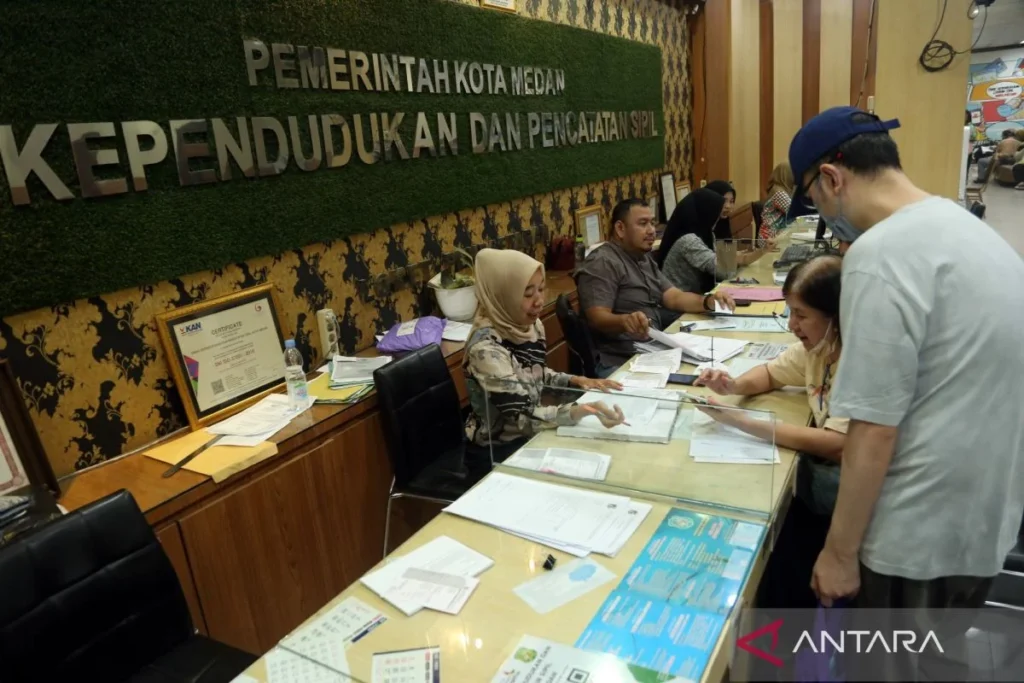
- Visit the Local Disdukcapil Office: Present yourself at the nearest Disdukcapil office or authorized mobile civil service unit.
- Undergo Biometric Re-Recording: A civil servant will access your file within the Population Administration Information System (SIAK). You will then be directed to the photography station, where a high-resolution digital image and updated biometric data (such as fingerprints or iris scans, if necessary) are captured.
- Issuance of the New KTP-el: Once the data is updated in the central system, a new KTP-el featuring your current photograph will be printed and issued.
"The photograph on a KTP-el is an integral element of population data and biometric verification," notes an administrative spokesperson from the civil registration sector. "While we understand that citizens age and appearances change, updates must follow regulatory protocols to safeguard the integrity of our national identification system against fraudulent practices."
Implications: Balancing Administrative Security and Public Convenience
The strict enforcement of photo-update rules carries several important implications for both the state and individual citizens.
1. Enhanced National Security and Data Integrity
By restricting photo updates to verified structural changes and damaged documents, the government prevents potential loopholes that bad actors could exploit. If citizens could swap their identification photos at will for aesthetic reasons, it would create administrative chaos, complicate forensic investigations, and undermine the reliability of biometric cross-matching systems used in banking, immigration, and law enforcement.
2. Streamlining Public Services
Clear regulations save time for both the public and civil servants. When citizens understand that vanity is not a valid reason for an administrative update, it reduces unnecessary queues at Disdukcapil offices, allowing civil servants to focus on high-priority tasks such as registering first-time voters, issuing birth certificates, and processing emergency document replacements.
3. Fostering Digital Literacy
The ongoing public education campaigns regarding KTP-el rules help bridge the gap between bureaucratic procedures and public expectations. As Indonesia continues its aggressive push toward digital governance and integrated public services, citizens must grow increasingly familiar with the protocols that govern their digital and physical identities.
Summary
Ultimately, your KTP-el photograph is a legal window into who you are in the eyes of the state. While it cannot be swapped on a whim just because you dislike how your hair looked on registration day, the system remains fully equipped to accommodate genuine changes driven by time, trauma, or physical wear and tear. For those whose circumstances genuinely require an updated look, a straightforward visit to the local Disdukcapil—armed with the proper documents—ensures your official identity remains as accurate as the life you live every day.