Beyond the Frost: 5 Hidden Freezer Culprits You Need to Throw Out Immediately
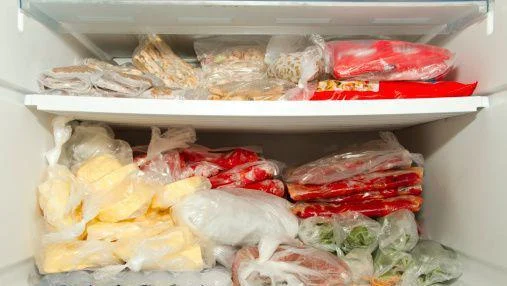
JAKARTA — For many households, the freezer is a modern sanctuary of preservation. By plunging temperatures well below freezing—typically hovering between 0°C and -18°C or even lower—freezers halt the biological clocks of perishables. This extreme cold slows the cellular activity of bacteria, molds, and enzymes, transforming our kitchens into time-capsule facilities capable of keeping foods safe and edible for months, or even seasons.
However, a dangerous misconception persists: that the freezer is an immortal vault where food remains pristine indefinitely. In reality, letting items linger too long, or storing them improperly, transforms this appliance from a food-saving hero into a breeding ground for quality degradation, cross-contamination, and food waste.
According to guidelines and insights compiled from home organization experts and culinary safety authorities, including Good Housekeeping, it is time to perform a rigorous inventory audit. Here is an exhaustive look at the five items you need to purge from your freezer immediately to reclaim your appliance’s health, safety, and efficiency.
1. Open and Spilled Food Packaging
The Mess That Attracts Invisible Contamination
One of the most common sights in a neglected freezer is a box of frozen peas or blueberries that has spilled its contents across the wire racks or bottom of the drawer. Professional organizers and cleaning experts point out that ruptured or unsealed packaging is an immediate red flag.
According to Rochelle Wilkinson, founder of Dirt Detective Cleaning, any food package that has been opened and resulted in a "freezer mess" should be evaluated with extreme prejudice. Loose blueberries rolling in the frost or scattered vegetables not only create a chaotic environment that promotes cross-contamination, but they also signal compromised packaging integrity.
When packaging fails, circulating air dries out the food surfaces, leading to severe freezer burn. If the spilled items are still technically safe and fresh, they must be salvaged immediately—meaning they need to be cleaned up and transferred into airtight, heavy-duty freezer bags or containers. If the packaging is heavily damaged or the food has been mingling with mysterious frost debris for weeks, it is time to let it go. Furthermore, any ingredient that is past its prime or no longer wanted should be cleared out to make room for active, usable inventory.
2. Expired Ice Cubes
The Odor Sponge Sitting in Plain Sight
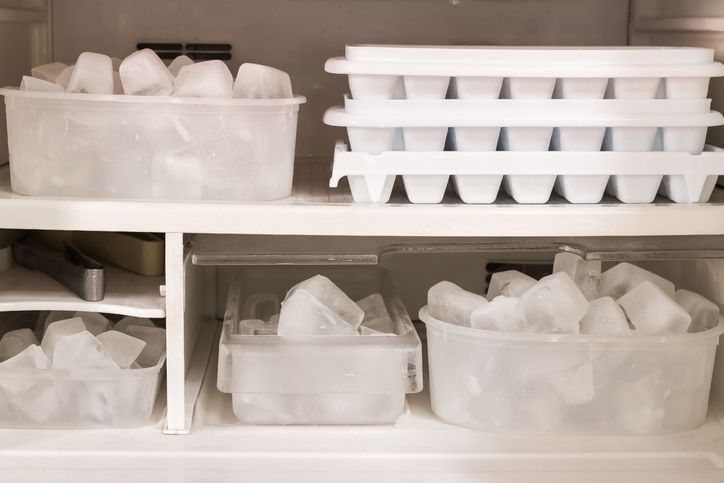
It is a common culinary fallacy to assume that because ice is frozen water, it has an infinite shelf life. In reality, ice cubes expire in terms of quality, and keeping them indefinitely is a recipe for unpalatable drinks.

Logan Taylor, an industry expert on household maintenance, notes that ice is remarkably porous and acts as a sponge within the freezing environment. It continuously absorbs airborne aromas, volatile organic compounds, and pungent odors from neighboring items—such as chopped onions, raw meats, or pungent cheeses. Because these trapped odors cannot dissipate on their own, dropping old ice cubes into a fresh glass of iced tea or a cocktail can ruin the beverage’s flavor profile.
Furthermore, if ice trays or bins are left uncovered, the surface of the ice collects microscopic dust particles, lint, and airborne bacteria circulating every time the freezer door is opened.
The Solution: Empty your ice trays completely. Wash and sanitize the trays, bins, and scoops thoroughly with warm, soapy water. When making a fresh batch, store the new ice cubes inside a dedicated, airtight freezer container or a heavy-duty zip-lock bag to shield them from ambient air currents and food odors.
3. Expired or Severely Freezer-Burned Items
When Time and Temperature Win the Battle
Date management is just as critical in sub-zero environments as it is in the refrigerator or pantry. Experts emphasize that any food item that has breached its expiration date must be discarded without hesitation.
However, expiration dates are not always visible—especially on homemade meals or items transferred into generic containers. In the absence of a date label, you must rely on visual and textural inspections. The primary indicator of a ruined item is freezer burn.
Freezer burn occurs when moisture escapes from the food and migrates to the coldest areas of the package, leaving the food dehydrated, oxidized, and structurally altered. Signs of severe freezer burn include:
- Food items frozen together into one giant, unmanageable block.
- Excessive snow-like ice crystal accumulation inside the packaging.
- Discolored, chalky, or gray-brown patches on meats, poultry, or vegetables.
If you discover residual ingredients or leftovers that have been sitting indefinitely, resist the urge to keep them "just in case." If they are still safe, consolidate them immediately into a single, cohesive meal plan for immediate consumption rather than letting them take up permanent residency.
4. Half-Empty, Nearly Depleted Containers
The Silent Saboteurs of Freezer Circulation
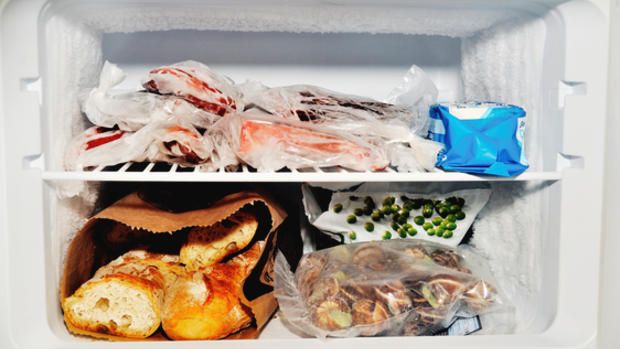
Clutter is the enemy of efficient refrigeration. Among the worst offenders are the nearly empty containers—a cardboard ice cream carton with barely a single scoop remaining, or a bulk freezer bag holding a lonely, frost-covered handful of corn.
These lingering dregs serve almost no culinary purpose, yet they exact a heavy toll on your appliance. By occupying prime real estate, they disrupt the internal aerodynamics of the freezer. Efficient freezers rely on unobstructed, continuous airflow to maintain a uniform sub-zero temperature across all compartments. When air circulation is blocked by clutter and half-empty packaging, hot spots can form, jeopardizing the safety of surrounding items.
Unless you have an immediate, concrete plan to use those remaining scraps within the next 24 hours, clear them out. Discarding these remnants instantly frees up valuable cubic inches, allowing you to stock fresh, high-utility groceries.
5. "Mystery Items" and Unlabeled Containers
The Culinary Guessing Game That Ends in the Trash
We have all been there: reaching into the back of a deep freezer drawer and pulling out a heavily frosted, opaque container or a vacuum-sealed bag with no label, no date, and no recognizable silhouette.
Allowing mystery items to accumulate is a hallmark of a disorganized kitchen. As Logan Taylor succinctly advises: "If you are not sure what it is, how long it has been there, or where it came from, throw it out."
The risks of consuming mystery items extend beyond mere disappointment. A classic cautionary tale comes from Rochelle Wilkinson, who once pulled what she thought was a stash of frozen fruit for a healthy morning protein shake, only to discover—mid-blend—that it was an unlabelled experimental soup base gifted by a friend months prior.
Unlabeled items left to freeze indefinitely almost always succumb to severe dehydration and severe freezer burn. The resulting texture is dry, rubbery, or woody, while the flavor profile turns rancid as fats slowly oxidize even at low temperatures. If you cannot identify it at a glance, it does not belong in your digestive tract.
Chronology of Freezer Degradation: A Lifecycle Timeline
To understand why these five categories must be ruthlessly evicted, it helps to examine how food changes over time inside a sub-zero environment:
- Days 1 to 30 (The Honeymoon Phase): Foods retain maximum nutritional value, moisture, and original texture. Ice cubes are fresh, and packaging is fully intact.
- Months 2 to 4 (The Onset of Vulnerability): Uncovered items begin picking up ambient odors. Poorly wrapped meats experience early signs of surface dehydration. Ice cubes begin absorbing food aromas.
- Months 5 to 8 (The Quality Decline): Freezer burn sets in visibly on items wrapped in standard grocery store plastic wrap rather than moisture-vapor-resistant material. Half-empty containers lose their structural integrity, and structural clutter impedes air vents.
- Month 9 and Beyond (The Danger Zone): Expiration dates are long past. Chemical changes (lipid oxidation) cause fats to turn rancid. Mystery items become unrecognizable blocks of ice crystals, and open packaging spills debris across the freezer floor, contaminating neighboring food stores.
Supporting Data and Technical Insights
Food safety authorities and appliance manufacturers note that maintaining a clean, streamlined freezer does more than just improve food quality—it directly impacts household economics and energy consumption:
- Energy Efficiency: Overstuffed freezers blocked by clutter, half-empty containers, and excess ice buildup require the compressor to work harder to maintain safe temperatures, leading to higher electricity bills.
- Food Waste Reduction: Studies on household consumption indicate that up to 30% of bought groceries end up discarded, with unidentifiable freezer items making up a significant portion of invisible household waste.
- Bacterial Dormancy vs. Destruction: A common myth is that freezing kills bacteria. In reality, freezing only pauses bacterial reproduction. Once an item thaws, bacteria resume multiplying rapidly. If an item was already compromised, expired, or poorly stored before freezing, the health risk upon thawing increases exponentially.
Official Recommendations and Best Practices
To prevent your freezer from reverting to a chaotic black hole, culinary and organization experts recommend establishing a monthly maintenance routine:
- The FIFO Method (First In, First Out): Always place newer groceries behind older items, but audit the front lines regularly to ensure older items are consumed before their quality deteriorates.
- Label Everything: Invest in waterproof tape and permanent markers. Every container going into the freezer should bear the name of the dish and the exact date of freezing.
- Invest in Proper Packaging: Ditch flimsy store wrappers. Use heavy-duty freezer bags, vacuum sealers, or rigid, airtight containers designed specifically to lock out moisture and prevent freezer burn.
- Schedule Regular Audits: Dedicate 15 minutes once a month to pull out contents, wipe down interior surfaces, discard expired or mystery items, and restock your ice trays with fresh water and airtight protection.
Broader Implications for the Modern Household
Managing a freezer efficiently is about much more than aesthetic neatness; it is a vital component of sustainable domestic management. By routinely purging open packages, stale ice, expired goods, empty containers, and mystery items, households can achieve several long-term benefits:
- Health and Safety: Minimizing the risk of foodborne illnesses linked to spoiled, degraded, or cross-contaminated ingredients.
- Financial Savings: Preventing the accumulation of hidden waste ensures that money spent on groceries is fully utilized rather than thrown away.
- Mental Clarity: Opening a clean, organized freezer reduces cooking anxiety and inspires creative, efficient meal planning.
As we navigate busy modern lifestyles, treating the freezer with the respect it requires ensures that this powerful appliance remains a true asset to our kitchens—delivering safety, flavor, and reliability with every cycle.