Bridging the Silence: Sony’s New Patent Promises to Revolutionize Gaming Accessibility
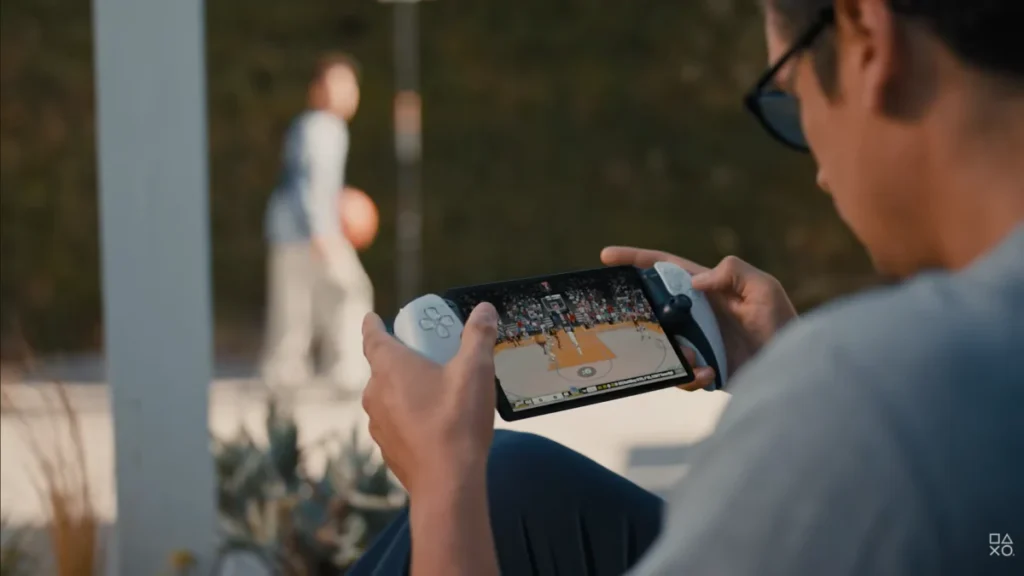
In the immersive world of modern gaming, audio is more than just background noise—it is a critical gameplay mechanic. From the subtle rustle of grass betraying an enemy’s position to the guttural growl of a lurking monster, soundscapes serve as the primary navigational tool for players. However, for the millions of gamers living with hearing impairments, these vital cues often remain locked behind a wall of silence.
Sony Interactive Entertainment is looking to dismantle this barrier. A newly uncovered patent titled "Audio Processing System and Method" suggests that the tech giant is developing a sophisticated bridge between audio-based gameplay and visual accessibility, potentially transforming the gaming landscape for millions of players.
The Core Concept: Transcoding Audio into Sensory Cues
The patent, recently identified via the Patentscope database and published on October 22, 2026, details an innovative "Audio Processing System." Unlike traditional closed-captioning, which is primarily limited to text-based dialogue, Sony’s proposed technology aims to interpret the functional intent of all game sounds.
The system is designed to categorize audio into distinct buckets: warnings, dialogue, ambient environmental effects, atmosphere, and high-stakes threats. By processing these streams in real-time, the system generates corresponding visual icons, light-based signals, and haptic feedback patterns. For example, if a player is navigating a stealth-horror title, the system could translate a monster’s roar into a text-based pop-up or trigger a specific haptic pulse on the controller, ensuring the player feels the threat even if they cannot hear it.
Chronology and Discovery
The journey of this technology from a conceptual drafting board to a public patent filing highlights Sony’s ongoing investment in accessibility. While Sony has been a leader in this space—most notably with the PlayStation Access Controller—the "Audio Processing System" represents a significant leap forward in software-side intervention.
- Initial Research Phase (2024–2025): Internal development teams at Sony likely began exploring machine learning models capable of isolating and categorizing audio streams within game engines.
- The Filing (Early 2026): Sony submitted the patent application to the U.S. Patent and Trademark Office, focusing on a method that does not require developers to manually tag every sound effect in their games.
- Public Disclosure (October 22, 2026): The patent was officially published, allowing the public and the gaming community to glimpse the potential future of sensory accessibility on the PlayStation ecosystem.
Supporting Data: The Need for Inclusivity
The necessity for such technology is underscored by global health data. According to the World Health Organization (WHO), over 1.5 billion people live with some degree of hearing loss. Within the gaming community, accessibility advocates have long argued that audio-heavy genres—specifically first-person shooters (FPS) and horror games—are inherently exclusionary.
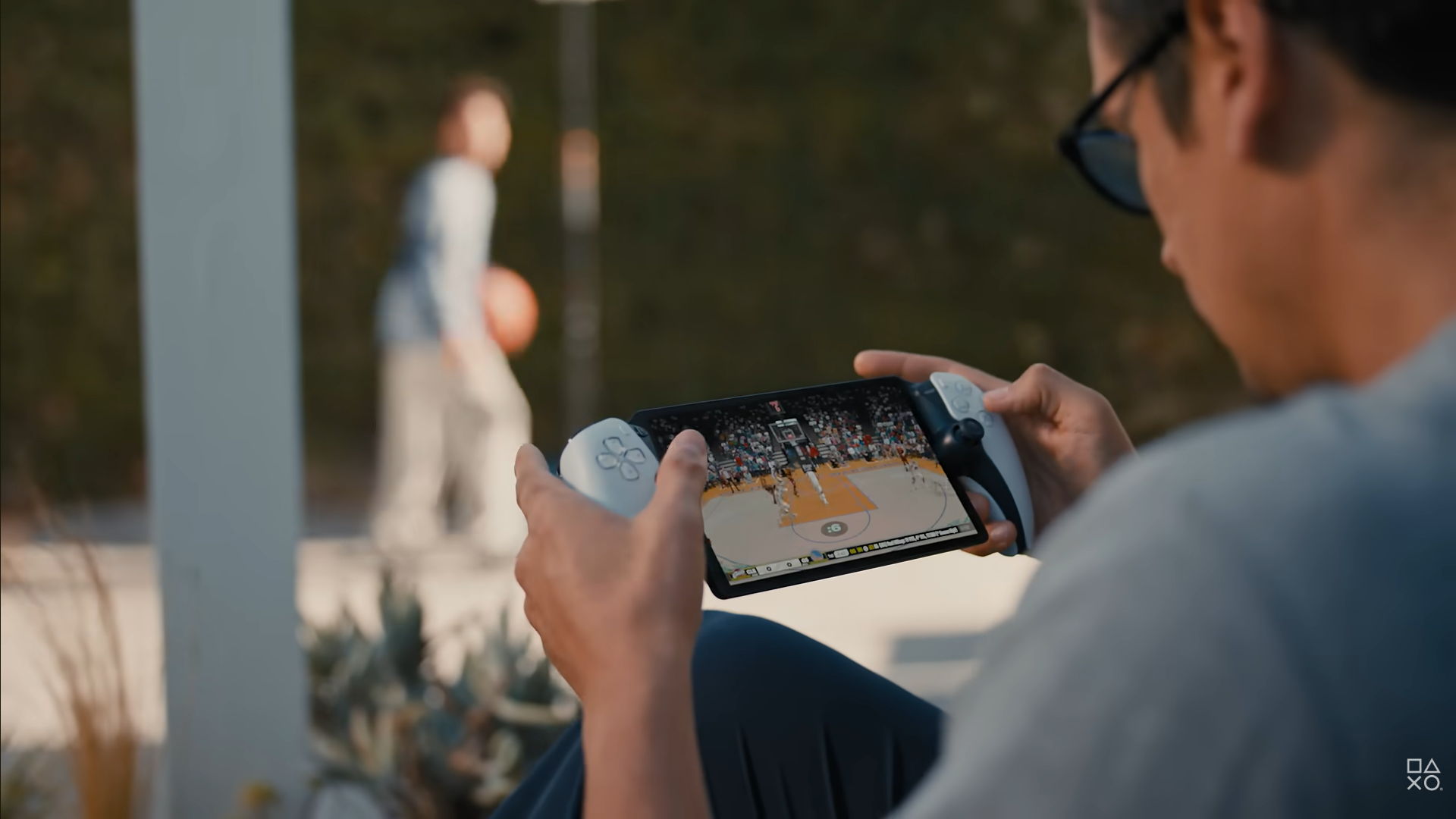
Currently, gamers with hearing impairments rely heavily on third-party hardware or basic subtitle options, which fail to communicate spatial information. Sony’s patent specifically addresses this "spatial gap." By leveraging 5.1 and 7.1 surround sound metadata, the system can triangulate the source of a sound and project an indicator on the screen or adjust the LED light bar on the DualSense controller. This data-driven approach converts raw acoustic energy into actionable spatial intelligence, allowing a deaf gamer to know exactly from which direction a threat is approaching.
The Technical Ingenuity: Retrofitting the Past
One of the most groundbreaking aspects of this patent is its potential for "backward compatibility" with game software. Historically, accessibility features have been developer-dependent, requiring studios to build them into the game’s architecture from the ground up.
Sony’s patent describes a system that could function at the operating system or middleware level. By scanning and classifying audio assets as they are rendered, the console itself—rather than the game developer—could apply these visual overlays. This means that a library of thousands of legacy games could potentially be retrofitted with these accessibility features without a single line of code being changed by the original creators. This approach would be a monumental achievement in preserving game accessibility for older titles.
Official Responses and Industry Context
As of late 2026, Sony has remained characteristically tight-lipped regarding the specific roadmap for this technology. When reached for comment, a representative from Sony Interactive Entertainment stated that the company "regularly files for patents to protect internal research and development" and that "not all filed patents are guaranteed to be integrated into consumer products."
However, industry analysts suggest that this aligns perfectly with the "PlayStation Accessibility Initiative." With competitors like Microsoft having made significant strides with the Xbox Adaptive Controller and extensive software accessibility settings, Sony is under pressure to provide a more comprehensive solution that addresses not just hardware, but the sensory experience of gameplay itself.
Implications for the Future of Gaming
The implementation of this technology, should it reach the consumer market, would have profound implications for the industry.

1. Leveling the Playing Field
In competitive multiplayer games, sound is the ultimate advantage. By providing visual representations of enemy footsteps or reload sounds, Sony could create a more equitable environment where players compete on skill rather than sensory ability.
2. The Challenge of Visual Clutter
One of the primary criticisms voiced by testers and accessibility advocates regarding similar systems is "visual fatigue." If the screen is constantly bombarded with icons, text, and flashing lights, the player’s ability to focus on the game’s core mechanics may be compromised. Sony’s patent attempts to mitigate this by allowing for customization—adjusting the transparency, size, and duration of these visual indicators to suit individual player preferences.
3. Preserving Artistic Intent
There is an ongoing debate about how much UI (User Interface) is "too much." Game directors often meticulously craft the visual experience to ensure players are immersed. Introducing an automated, system-level visual overlay could potentially clash with the artistic direction of a game. Developers will need to work closely with platform holders to ensure that these accessibility layers integrate seamlessly without breaking the player’s immersion.
4. The "Surprise" Factor in Horror Games
A legitimate concern remains: does visualizing a sound take the "horror" out of a horror game? Part of the fear in titles like Resident Evil or Silent Hill comes from the uncertainty of not knowing what is behind a door. By explicitly signaling a monster’s presence, the game risks diluting the tension. However, accessibility proponents argue that for the hearing-impaired, the game is already "broken" if they cannot detect the presence of an enemy. The goal is to provide parity, not an unfair advantage.
Conclusion: A New Standard for Accessibility?
Sony’s latest patent is a bold assertion that gaming should be a universal language, transcending the physical limitations of the player. By proposing a system that treats audio as a versatile data set capable of being translated into light, vibration, and visual geometry, Sony is signaling a potential shift in how we define "inclusive gaming."
While we are likely years away from seeing this technology fully realized in a retail environment, the implications are clear: the future of gaming is not just about better graphics or faster loading times; it is about ensuring that every player, regardless of their hearing capability, can experience the full weight of a game’s story, tension, and excitement. As the industry watches closely, this patent stands as a testament to the fact that, in the world of play, silence should never mean exclusion.