Beyond Bland: How Singaporean Hospitals Are Revolutionizing Patient Recovery with Iconic Local Delicacies
SINGAPORE — For decades, hospital food has been the universal butt of culinary jokes. Mention inpatient meals, and images of pale, overcooked broths, unseasoned steamed proteins, and lukewarm starches instantly come to mind. For generations of patients, hospital stays have meant enduring a monotonous diet dictated strictly by medical restrictions, where flavor is sacrificed entirely at the altar of clinical utility.
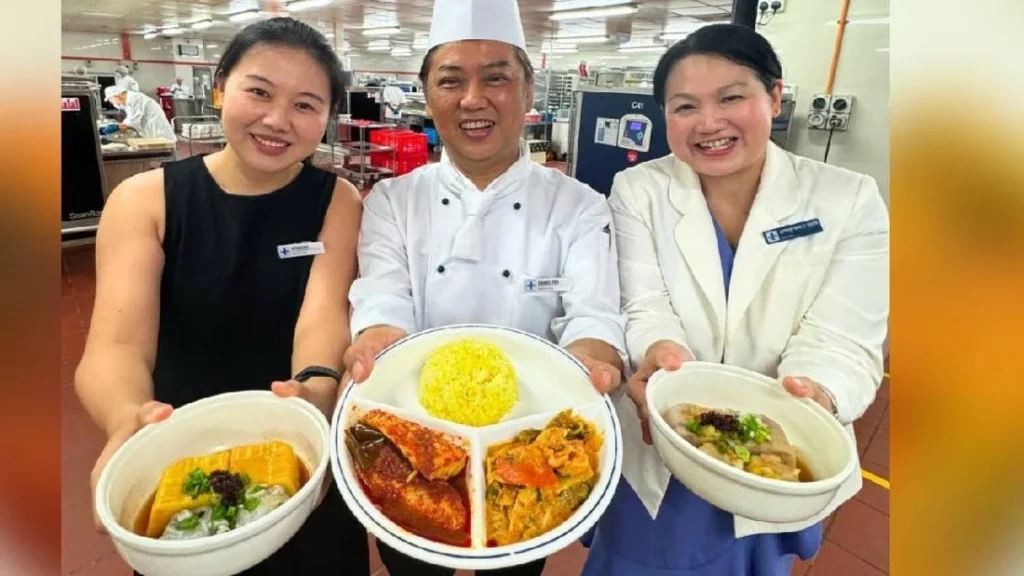
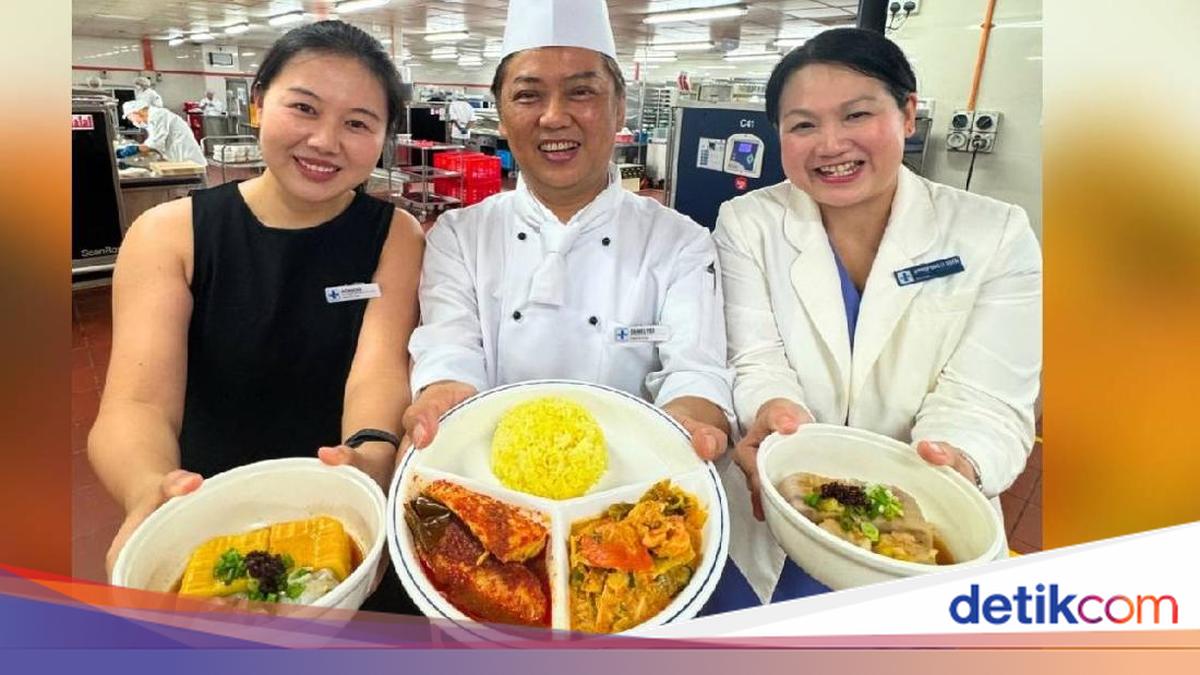
However, a groundbreaking culinary revolution quietly underway in Singapore is rewriting the script on institutional nutrition. Patients admitted to two major healthcare institutions under the SingHealth cluster—Singapore General Hospital (SGH) and Changi General Hospital (CGH)—are no longer greeted with lackluster trays of forgettable fare. Instead, they are being treated to iconic local culinary treasures: fragrant Nasi Padang, rich and aromatic Laksa, and the world-renowned, savory-sweet Chilli Crab.
This progressive initiative bridges the seemingly contradictory worlds of fine dining and clinical recovery. By forging strategic partnerships with some of Singapore’s most celebrated culinary institutions, these hospitals are proving that medical necessity and gastronomic pleasure do not have to be mutually exclusive.
Main Facts: A Paradigm Shift in Healthcare Hospitality
At the heart of this transformative project is a collaboration between SingHealth’s food services and several legendary local food establishments. Rather than relying solely on traditional institutional kitchens to replicate complex local flavors, the hospitals have directly tapped into the cultural culinary DNA of Singapore.
The menu overhaul introduces modified, health-conscious versions of crowd favorites traditionally found in hawker centres and high-end seafood establishments. Among the marquee offerings are dishes from Jumbo Seafood, Hjh Maimunah, and 328 Katong Laksa.
Crucially, this is not merely a gimmick designed to court public relations wins. Every single dish served on these upgraded hospital trays undergoes rigorous scrutiny by clinical dietitians and culinary experts. The goal is to preserve the authentic soul and comforting textures of these beloved meals while strictly adhering to the nutritional profiles required for patient recovery.
While these premium meals are not universally available to every single patient—exclusions remain in place for those requiring specialized therapeutic diets—the impact on those eligible has been profound. Early adoption rates and patient feedback paint a compelling picture of a healthcare system recognizing that emotional well-being and psychological comfort are just as critical to healing as medication and physical therapy.
Chronology: The Journey from Concept to Patient Tray
The journey of transforming hospital catering from a medical chore into a gourmet experience did not happen overnight. It represents a meticulous, months-long process of trial, error, and cross-industry collaboration.
The Genesis (2023–2024)
Recognizing that patient satisfaction was closely tied to mealtime experiences, the Food Services team at Changi General Hospital (CGH) began actively exploring partnerships with renowned local eateries. The objective was clear: break the mold of conventional hospital catering by introducing authentic, culturally resonant flavors to the menu.
Concurrently, Singapore General Hospital (SGH) laid the groundwork for its own high-profile culinary collaborations. In 2024, SGH made headlines by partnering with Jumbo Seafood. This initial rollout allowed eligible patients to experience signature profiles, such as the restaurant’s legendary chilli crab sauce, carefully reimagined for a clinical setting and served alongside steamed fish, red rice, and tailored vegetable portions.
The Hjh Maimunah Partnership and Nutritional Overhaul
One of the most intensive phases of the initiative involved CGH teaming up with Hjh Maimunah, a celebrated heritage brand renowned for its authentic Malay and Nasi Padang cuisine. This partnership required six months of exhaustive collaboration between the restaurant’s veteran cooks and the hospital’s culinary and dietetic teams.
Adapting robust, rich heritage recipes for hospital wards required severe dietary modifications without stripping away the authentic flavor profiles. For dishes like asam pedas (a sour and spicy stew), every single ingredient was audited under a microscope.
The adjustments were sweeping:
- Sodium Reduction: Salt levels were drastically cut to accommodate patients with cardiovascular or renal concerns.
- Fat Substitutions: Heavy, full-cream dairy products were systematically replaced with heart-healthy, low-fat alternatives.
- Elimination of Additives: Monosodium glutamate (MSG) was entirely removed from the recipes, forcing chefs to rely on natural aromatics, herbs, and spices to build depth of flavor.
Official Rollout and Expansion (January 2025 – Present)
Following months of testing and dietary approvals, the Nasi Padang collaboration officially launched in January. It joined the ranks of SGH’s ongoing culinary offerings, instantly expanding the gastronomic horizons of recovering patients.
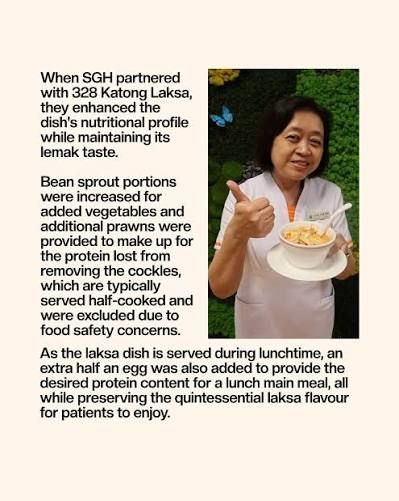
Parallel adaptations were executed for other local staples. For instance, 328 Katong Laksa modified its time-tested recipe to fit institutional safety and dietary guidelines. Traditional cockles were omitted entirely due to food safety protocols for hospitalized individuals. In their place, the chefs added fresh bean sprouts, succulent prawns, and a protein-boosting half-boiled egg, ensuring the comforting, spicy coconut broth remained rich and satisfying.
Supporting Data: Numbers That Speak Volumes
Skeptics might wonder if gourmet interventions in a hospital setting are merely an expensive luxury with minimal practical impact. However, internal tracking, patient feedback, and empirical data collected by SingHealth demonstrate overwhelmingly positive outcomes.
High Acceptance and Satisfaction Rates
Data released by SingHealth highlights enthusiastic patient reception across the board:
- Jumbo Seafood Collaborative Menu: Achieved an impressive 89% acceptance rate among eligible patients.
- 328 Katong Laksa: Garnered positive evaluations from over 5,000 patients, with a 90% satisfaction rating recorded after tasting the modified dish.
These figures indicate that the meticulous culinary engineering required to strip away sodium and fat did not alienate patients. Instead, the dishes successfully retained enough of their signature taste to evoke feelings of comfort and familiarity.
Qualitative Feedback
The quantitative data is deeply reinforced by qualitative feedback collected from hospital wards. Patients have consistently reported that these meals provide a psychological anchor during what is often an isolating and stressful period.
"The food from Hjh Maimunah truly brings back a sense of home," shared one patient during a post-meal survey. "It breaks the monotony and gives you something to genuinely look forward to, which is completely different from what you usually expect from hospital food."
This sentiment underscores a vital physiological reality: when food looks, smells, and tastes like comfort, patients eat better. Improved nutritional intake directly correlates with faster wound healing, maintained muscle mass, and better overall clinical trajectories.
Official Responses and Strategic Vision
The leadership behind the SingHealth initiative views this project not as a standalone experiment, but as a blueprint for the future of patient hospitality in Southeast Asia and beyond. Healthcare executives and clinical directors have articulated clear visions for how food services must evolve.
Expanding Halal and Diverse Options
Geoffrey Gui, Chief Operating Officer of SingHealth Food Services Shared Service, emphasized that this is only the beginning. Building upon the success of existing partnerships, SGH is actively mapping out future collaborations, with a particular focus on expanding certified halal options to ensure inclusivity across Singapore’s multicultural patient demographic.
"We are constantly reviewing and updating our menus to provide greater variety," Gui noted. "Our patients come from diverse cultural backgrounds where food is deeply intertwined with identity and comfort. By expanding our repertoire, we honor that connection while maintaining strict clinical governance."
The Clinical Perspective on Emotional Well-Being
Echoing this sentiment, Ong Li Jiuen, Head of the Department of Dietetics at CGH, highlighted the profound connection between diet, emotion, and recovery. In modern medicine, the focus has historically centered entirely on biochemical markers and pharmaceutical interventions. However, holistic healthcare is increasingly recognizing the mind-body connection.
"Food plays a fundamentally vital role in providing comfort, far beyond simply fulfilling basic nutritional requirements," Ong explained.
She elaborated that the experience of consuming familiar, high-quality, and flavorful food transforms the psychological landscape of a hospital stay. When patients feel cared for through the sensory experience of a good meal, their anxiety levels drop, their spirits lift, and their overall emotional well-being stabilizes.
"Enhancing the patient experience through familiar and enjoyable food directly influences psychological resilience," Ong concluded. "Better emotional well-being naturally drives an improved appetite, which in turn acts as a catalyst for a more robust and accelerated physical recovery."
Implications: The Future of Inpatient Dining
The pioneering work being done at Singapore General Hospital and Changi General Hospital carries significant implications for the global healthcare and hospitality industries. As healthcare providers worldwide grapple with rising patient expectations and the psychological toll of long-term admissions, the traditional model of institutional catering faces an existential reckoning.
1. Redefining Hospital Hospitality as a Competitive Advantage
In regions with advanced healthcare systems, patients increasingly view hospitals not just as clinical facilities, but as service environments where comfort, dignity, and personalization matter. Institutions that successfully integrate high-end, culturally resonant dining into their recovery protocols set a new gold standard for patient-centric care. Other hospitals globally may soon find themselves compelled to overhaul their food services to meet rising consumer expectations.
2. The Rise of Cross-Industry Collaborations
The success of the SingHealth initiative demonstrates the immense value of synergy between healthcare providers and the commercial food and beverage sector. By leaning on the expertise of heritage restaurants and hawker icons, hospitals can bypass the limitations of traditional institutional kitchens. This collaborative model opens up lucrative new avenues for restaurant brands to showcase their culinary heritage in unexpected arenas while contributing to public health and community well-being.
3. Balancing Culinary Art with Strict Nutritional Science
Perhaps the most enduring takeaway from Singapore’s experiment is the validation that public health goals—such as reducing sodium, fat, and sugar—do not require the total annihilation of flavor. By fostering deep, collaborative relationships between creative chefs and clinical dietitians, institutions can successfully innovate recipes that respect both the human palate and the human body.
As SGH and CGH continue to refine and expand their menus, they are quietly dismantling the age-old trope of the depressing hospital tray. For patients recovering from illness or surgery in Singapore, the aroma of simmering laksa broth or fragrant Nasi Padang is no longer just a distant memory of life outside the ward—it is an active, delicious part of the healing journey.