
Academic Integrity Crisis: Tanjungpura University Takes Decisive Action Following SIAKAD Manipulation Scandal
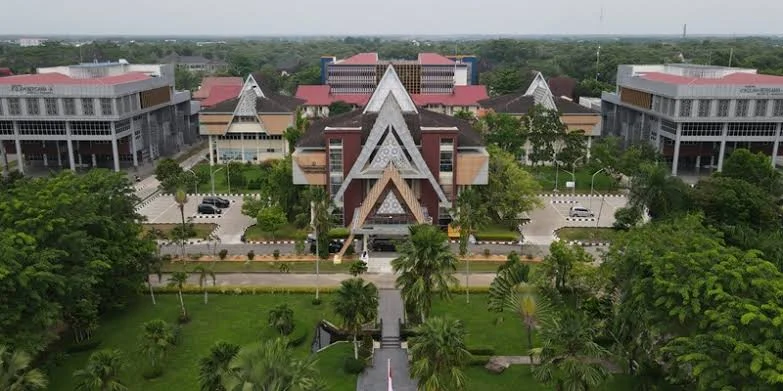
JAKARTA – In a move signaling a zero-tolerance policy toward academic misconduct, the Rector of Universitas Tanjungpura (UNTAN) in Pontianak, Prof. Dr. Garuda Wiko, S.H., M.Si., has issued a series of landmark administrative decrees. The decision, aimed at enforcing the university’s statutes, follows a high-profile scandal involving the manipulation of the university’s Academic Information System (SIAKAD) at the Faculty of Social and Political Sciences (FISIP).
The administrative overhaul has garnered significant attention from legal and political observers, most notably the Laboratory for Law and Political Policy (Labpolhum) MHZ Centre, which has lauded the rector’s intervention as a necessary step toward restoring institutional credibility.
The Core Conflict: Breach of Academic Integrity
The controversy centers on the integrity of the university’s data management systems. SIAKAD, the backbone of any modern higher education institution, serves as the primary repository for student grades, credit history, and administrative records. Any unauthorized tampering with this system constitutes a severe breach of academic ethics, potentially compromising the legitimacy of degrees conferred by the faculty.
On June 18, 2026, Rector Garuda Wiko signed official decrees (No. 2409-2411/DST/UN22/KP/2026) mandating the immediate removal of several high-ranking faculty officials. The dismissed individuals include:
- Dr. Elyta, S.Sos., M.Si. – Deputy Dean I for Academic Affairs, FISIP UNTAN.
- Dr. Erdi – Deputy Dean III for Student Affairs and Alumni, FISIP UNTAN.
- Dr. Ira Patriani, S.I.P., M.Si. – Head of the Public Administration Department, FISIP UNTAN.
The systematic removal of these key figures underscores the severity of the findings uncovered during the internal investigation into the SIAKAD manipulation.
Expert Perspectives: The Imperative of Enforcement
Muhammad Haris Zulkarnain, Executive Director of the Labpolhum MHZ Centre, issued a formal statement in Jakarta on July 7, 2026, praising the university leadership’s resolve.
"The enforcement of the university statutes is paramount," Haris noted. "It serves to impose necessary sanctions, establish order, and act as a deterrent to ensure that such occurrences do not plague higher education institutions in the future. Accountability is the cornerstone of academic trust."
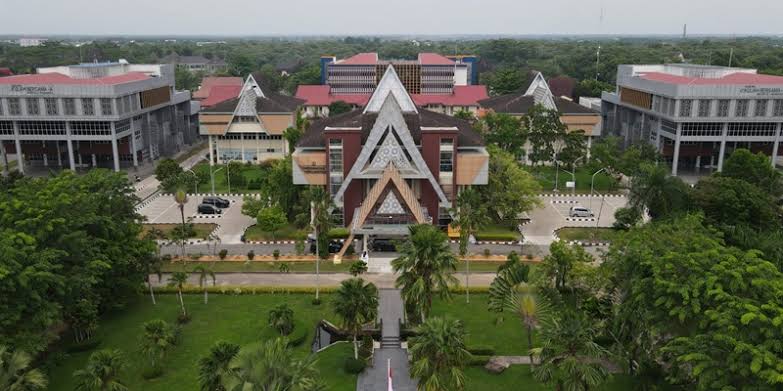
Haris emphasized that the university’s reputation—and by extension, the value of the diplomas held by thousands of students—relies on the perceived fairness of its internal governance. "By taking these steps, the Rector is signaling that the institution values its integrity over the convenience of protecting internal personnel," he added.
The Chronology of the Scandal
The path to this administrative purge was not overnight. While the official decrees were finalized in June 2026, the investigation into irregularities within FISIP’s academic data had been ongoing for months.
- Early 2026: Reports of discrepancies in the SIAKAD system began to surface. Internal audits indicated that certain student records were being altered without proper administrative justification.
- March-April 2026: An internal investigation committee was formed by the Rector’s office to probe the extent of the data manipulation.
- May 2026: Preliminary findings suggested that the influence of certain faculty leaders facilitated the unauthorized changes, raising concerns about the potential for academic fraud.
- June 18, 2026: The Rector issued the final decrees dismissing the three officials, effectively closing the investigative phase and moving into the disciplinary phase.
- July 2026: Public discourse reached a peak as stakeholders and observers began weighing in on the aftermath, urging the administration to prevent future governance gaps.
Administrative Implications: The Challenge of Vacancy
With the dismissal of three high-ranking officials, the primary concern for the academic community at FISIP is the potential for institutional paralysis. Haris Zulkarnain has strongly urged the Rector to move swiftly in appointing successors.
"The university must ensure that there is no ‘legal vacuum’ or operational deadlock," Haris warned. "Academic activities, student services, and administrative functions must continue without interruption. Any delay in appointing new leadership would ultimately harm the students, who are the primary stakeholders in this equation."
Furthermore, Haris proposed a specific framework for the selection of new faculty leaders:
- Transparency: The selection process must be open for public and internal scrutiny.
- Objectivity: Appointments should be based on merit rather than internal political alignments.
- Integrity Verification: A rigorous review of the candidates’ professional history is essential to prevent a recurrence of the current scandal.
Broader Governance Issues: Beyond the Current Case
The case at Universitas Tanjungpura serves as a microcosm for a larger, national challenge in Indonesian higher education: the struggle between academic bureaucracy and the pressure to uphold ethical standards.
Haris Zulkarnain further criticized the reactive nature of many university administrations, urging leadership to take a proactive stance. "Rectors should not wait for public pressure or scandals to surface before taking action," he argued. "When a violation of the statute occurs, it must be met with immediate, decisive, and impartial action, regardless of the individual’s position or social connections."

He emphasized that "tebang pilih" (cherry-picking or selective enforcement) is the death knell of institutional justice. For an institution of higher learning to thrive, the rule of law within the campus must be blind to status, seniority, or political "backing."
Strengthening Internal Mechanisms: The Role of Satgas PPKPT
The discussion regarding the SIAKAD scandal has naturally expanded into a conversation about broader campus safety and ethics. Haris has specifically called for the maximization of the Satuan Tugas Pencegahan dan Penanganan Kekerasan Perguruan Tinggi (Satgas PPKPT)—the university’s Task Force for the Prevention and Handling of Violence in Higher Education.
While the current scandal involves administrative and academic data fraud, the Task Force is viewed as a vital body for fostering an environment of accountability. By strengthening the mandate of the Satgas PPKPT, UNTAN can create a robust infrastructure to monitor not only physical violence but also the systemic ethical abuses that often precede more visible forms of corruption.
Conclusion: A Turning Point for UNTAN
The actions taken by Rector Garuda Wiko represent a defining moment for Universitas Tanjungpura. While the scandal is undoubtedly a stain on the faculty’s recent history, the speed and scale of the disciplinary actions suggest a university that is willing to prune its branches to save the tree.
For the students of FISIP, the next few months will be critical. The appointment of new, integrity-driven leaders will determine whether the faculty can regain the trust of the academic community and the public at large. As the institution navigates this transition, the eyes of the Indonesian higher education sector remain fixed on Pontianak, watching to see if this cleanup effort will translate into a long-term culture of transparency and academic excellence.
Ultimately, as Haris Zulkarnain noted in his concluding remarks: "The rules are not mere suggestions. They are the bedrock of the university. When that bedrock is compromised, it is the duty of the leadership to reinforce it, no matter the cost."
The academic community now waits for the next official announcement from the Rector’s office regarding the new leadership appointments—a signal that will reveal whether the university is truly committed to a new chapter of ethical governance.