Unlocking the Chill: 5 Common Mistakes When Buying Frozen Fruits and Vegetables That Strip Away Their Nutrients
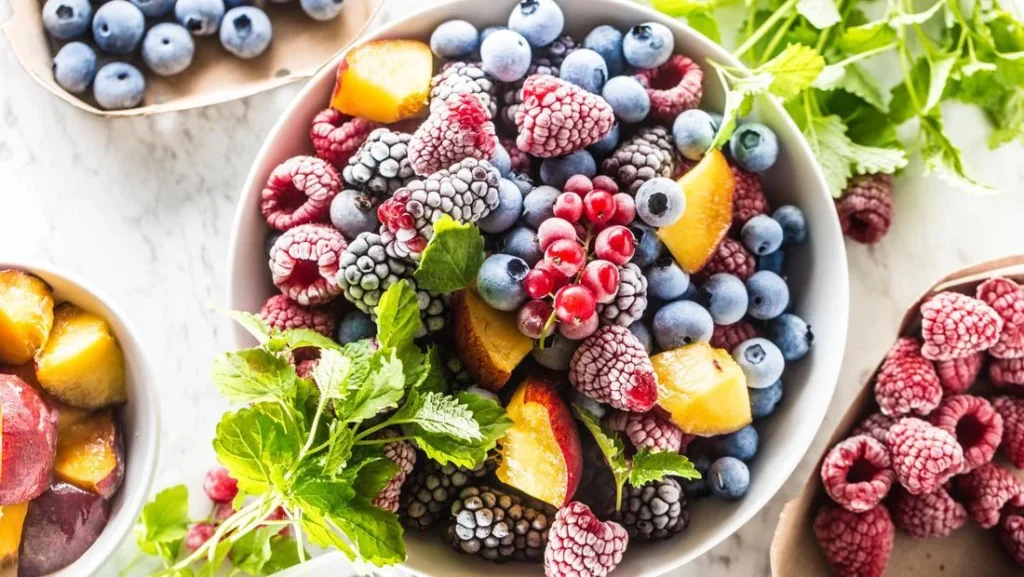
JAKARTA — In an era where convenience often trumps culinary tradition, frozen fruits and vegetables have emerged as a cornerstone of modern meal preparation. They offer a practical, budget-friendly, and accessible route to meeting daily plant-based nutritional quotas without the constant anxiety of food spoilage. Yet, not all items resting in the supermarket’s sub-zero aisles are created equal.
While the freezing process itself is a remarkable preservation technique, consumer choices at the grocery store can inadvertently sabotage the health benefits of these botanical staples. According to insights compiled from Verywell Health, navigating the frozen food aisle requires more than just tossing a bag of mixed berries or broccoli florets into a shopping cart.
To maximize the health benefits of frozen produce, shoppers must steer clear of five critical mistakes that compromise nutritional integrity, elevate unwanted additives, and diminish overall food quality.
Main Facts: The Hidden Pitfalls of the Frozen Aisle
Frozen produce is widely celebrated for its convenience, but modern packaging and product variations often introduce elements that counteract the natural health benefits of whole foods. The core issue does not lie within the freezing technology—which actually locks in vitamins at the peak of ripeness—but rather in how manufacturers process, flavor, and package these items, as well as how consumers select them.
The primary concerns center around hidden additives. Many commercial frozen vegetables are drenched in heavy, sodium-laden sauces, while frozen fruits are frequently tumbled in refined syrups and added sugars. Furthermore, physical degradation within the packaging, signaled by heavy frost or ice crystals, can indicate temperature abuse, leading to a compromised texture, altered flavor profiles, and degraded nutritional value long before the food reaches the kitchen table.
Chronology: From Farm to Freezer to Supermarket Shelf
Understanding how frozen produce arrives in the consumer’s hands highlights why proper selection matters so much. The journey of frozen fruits and vegetables follows a precise timeline designed to preserve freshness, yet vulnerabilities exist at every stage:
- Optimal Harvest: High-quality frozen fruits and vegetables are typically harvested at the absolute peak of their ripeness, a moment when their vitamin, mineral, and antioxidant concentrations are at their highest.
- Immediate Blanched-Freezing: Within hours of harvest, vegetables are often briefly blanched in hot water or steam to neutralize enzymes that cause spoiling, followed by rapid flash-freezing. Fruits are generally frozen individually (IQF—Individually Quick Frozen) without heat treatment.
- Distribution and Logistics: The produce is transported via refrigerated trucks and stored in industrial deep-freezers. This is a critical vulnerability point; if temperature fluctuations occur during transport or warehouse storage, the food can partially thaw.
- Retail Display: The products are stocked in open-air supermarket freezers or glass-door display units. Poor inventory rotation or failing store refrigeration units can cause repeated minor thawing and refreezing cycles.
- Consumer Selection: The final link in the chain. Consumers who fail to inspect packaging, read ingredient labels, or scrutinize nutritional panels risk purchasing a product that has lost its structural and nutritional integrity.
Detailed Breakdown: The 5 Mistakes That Strip Away Nutrients
To protect your health and ensure your grocery budget is well-spent, experts urge consumers to avoid the following five widespread missteps when purchasing frozen produce:
1. Choosing Vegetables Drenched in Cream Sauces or Butter
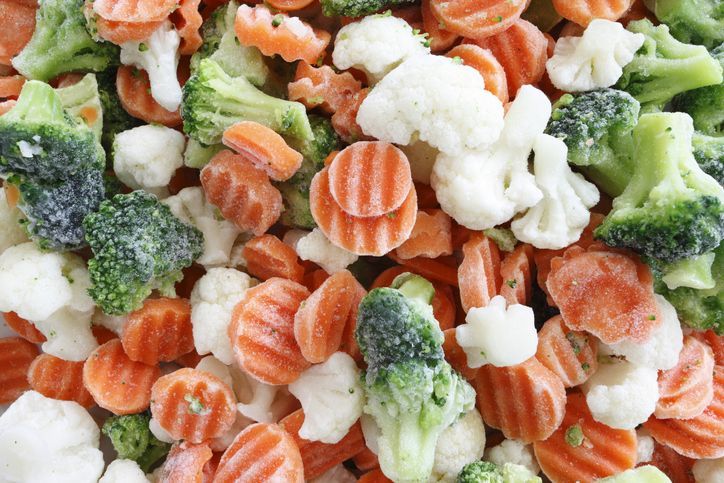
Naturally speaking, vegetables are nutritional powerhouses packed with dietary fiber, essential vitamins, and trace minerals. However, the commercial food industry frequently markets "convenience blends" that add rich element profiles—such as cheddar cheese sauce, garlic butter, heavy cream, or heavy seasoned gravies—to standard vegetable medleys.
Popular examples include creamed spinach, broccoli smothered in cheese sauce, buttered corn, and garlic-butter green beans. While undeniably flavorful, these additions drastically escalate the product’s saturated fat, sodium, and total calorie content.
Renowned nutritionist Karina Tolentino emphasizes that consumers should opt for plain, unadorned frozen vegetables. Choosing single-ingredient items grants the cook absolute control over the final flavor profile and nutritional composition. Vegetables can easily be elevated at home using fresh herbs, aromatic spices, high-quality extra virgin olive oil, minced garlic, or a squeeze of fresh lemon juice, bypassing the unhealthy industrial additives.
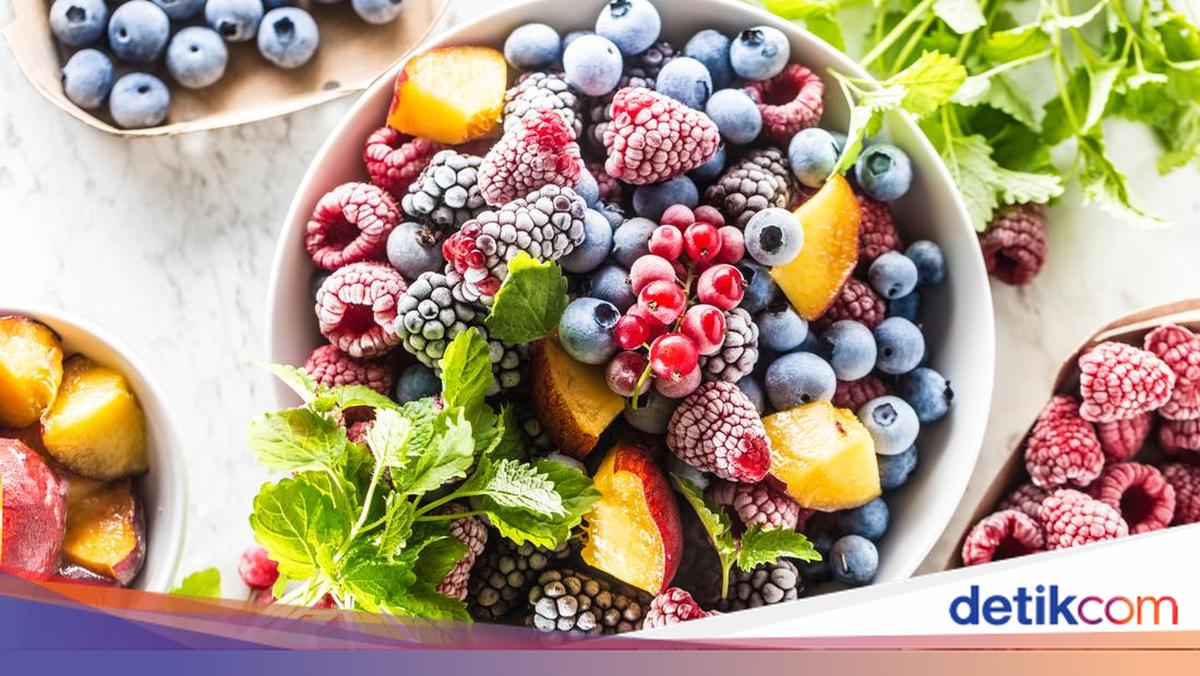
2. Buying Frozen Fruits Packaged with Added Sugars
Fruit is inherently sweet, thanks to naturally occurring fructose balanced by a matrix of fiber, water, and micronutrients. Unfortunately, many commercial processors add refined sugars, high-fructose corn syrup, or concentrated fruit juices to frozen fruit packs to standardize sweetness or enhance shelf appeal.
Bags of frozen berries, sliced peaches, cherries, mango chunks, and strawberries are frequent offenders. These added sweeteners introduce empty calories into what should be a nutrient-dense food, complicating dietary management for individuals monitoring their blood sugar levels, trying to lose weight, or actively reducing their daily refined sugar intake.
The golden rule is to scan the packaging for terms like "unsweetened," "no added sugar," or "packed in water." This ensures that the natural integrity of the fruit remains intact, providing wholesome flavor without unwanted metabolic burdens.
3. Neglecting to Read the Ingredient Label
A staggering number of shoppers treat frozen produce as a monolith, assuming that because a product is classified as a vegetable or fruit, it requires no further scrutiny. This oversight often leads to purchasing items riddled with preservatives, excessive sodium, stabilizers, and hidden fats.

Nutritionists strongly advise consumers to cultivate the habit of reading the Nutrition Facts panel and the ingredient list. If the ingredient list reads like a chemistry textbook—or features long entries of oils, salts, thickeners, and flavor enhancers—it is best left on the shelf. The ideal ingredient list for frozen produce should feature precisely one item: the fruit or vegetable itself.
4. Overlooking Ice Crystals and Packaging Integrity
The physical appearance of a frozen food package tells a vital story about its handling history. Grabbing a bag of frozen produce without checking its condition is a recipe for disappointment regarding texture, flavor, and food safety.
Shoppers must actively inspect bags and boxes for warning signs:
- Torn or punctured packaging: Exposes the food to freezer burn and airborne contaminants.
- Large ice crystals or thick frost: Indicates that moisture has escaped from the produce and refroze inside the package.
- A single solid clump: If loose berries or corn kernels have fused into one massive frozen block, it is a definitive sign that the product thawed completely at some point and was subsequently refrozen.
These anomalies point to severe temperature abuse during transport or storage. When food thaws and refreezes, cellular walls rupture, leading to mushy textures upon cooking, loss of water-soluble vitamins, and a degraded flavor profile. Always select clean, tightly sealed packages where the individual pieces move freely.
5. Dismissing All Frozen Produce as "Unhealthy"
Perhaps the most pervasive misconception is that frozen fruits and vegetables are inherently inferior, nutrient-poor substitutes for their fresh counterparts. While farm-market-fresh produce consumed immediately after harvest is undeniably exceptional, the reality of modern supply chains tells a different story.
Fresh produce found on supermarket shelves often travels thousands of miles over several days or weeks, lingering in distribution centers and display bins. During this prolonged transit, delicate vitamins—particularly Vitamin C and certain B vitamins—steadily degrade.
Conversely, because frozen produce is flash-frozen at the absolute zenith of ripeness, its nutritional profile is effectively locked in time. Numerous comparative studies have demonstrated that frozen fruits and vegetables retain vitamin levels comparable to, and occasionally exceeding, those of "fresh" produce that has spent days in transit. Furthermore, research indicates that certain frozen fruits maintain remarkably robust antioxidant activity. Dietitians advocate for a balanced, integrated approach: combining fresh and frozen produce ensures a resilient, year-round supply of vital plant nutrients.
Official Responses and Expert Perspectives
Public health organizations and nutritional scientists increasingly validate the role of frozen produce in public health initiatives. Registered dietitians point out that economic accessibility is a major factor in nutritional equity. Fresh berries and specialty vegetables can be prohibitively expensive, particularly out of season, leading many households to abandon plant-rich diets altogether.
"Frozen produce bridges the gap between affordability and optimal nutrition," notes public health nutrition advisor Dr. Marcus Vance. "When financial barriers are lowered, families are more likely to incorporate diverse vegetables and antioxidant-rich berries into their daily meals. The key is consumer education—teaching people how to read labels so they select raw, unseasoned options rather than processed, sodium-heavy convenience foods."
Agricultural economists also highlight that frozen formats significantly reduce household food waste—a major global concern. Because consumers can portion out precisely what they need from a frozen bag and return the rest to the freezer, spoilage rates drop dramatically compared to fresh leafy greens or delicate fruits that rot within days.
Implications for Daily Health and Grocery Shopping
The implications of these findings stretch far beyond the grocery aisle, directly impacting long-term metabolic health, household food budgets, and culinary habits. By shifting shopping behaviors toward mindful selection, consumers can optimize their nutritional intake without breaking the bank.
- Enhanced Nutrient Absorption: Eliminating hidden sodium bombs and refined syrups ensures that the vitamins, minerals, and dietary fibers consumed actually serve their biological purpose without inflammatory side effects.
- Cardiovascular and Metabolic Protection: Avoiding high-sodium vegetable medleys and sugar-laden fruit packs protects against hypertension and insulin resistance, supporting sustained metabolic wellness.
- Sustainable Consumption: Utilizing frozen foods efficiently reduces food waste, aligning personal health goals with sustainable environmental practices.
Ultimately, the frozen aisle is not a nutritional wasteland, nor is it a foolproof sanctuary of health. By arming themselves with label-reading discipline, visual inspection habits, and a clear understanding of processing methods, consumers can successfully navigate the chill and harness the full, uncompromised power of frozen fruits and vegetables.