Turning Waste into Wealth: How Trenggalek Students are Mastering Financial Literacy Through Sustainability
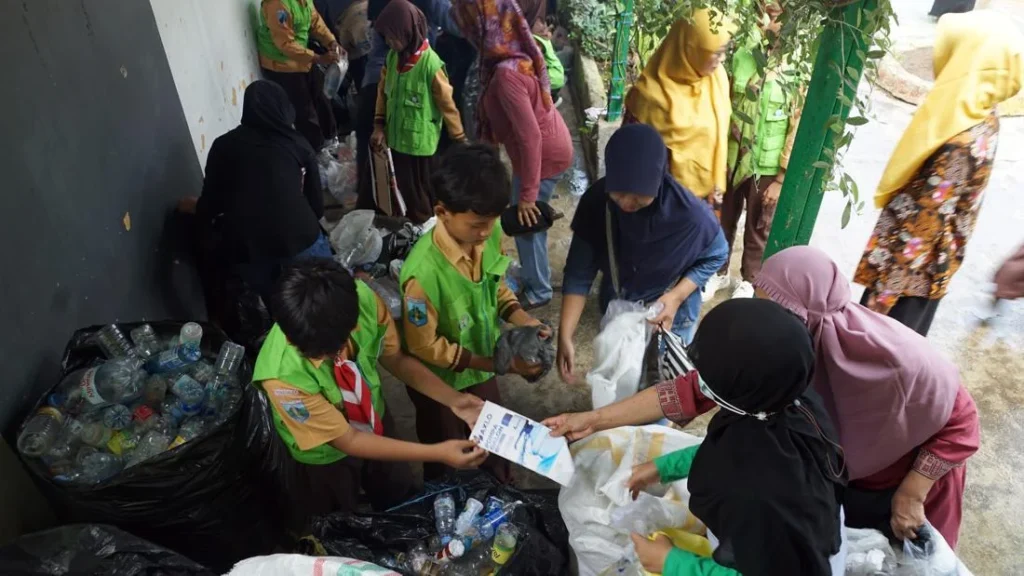
TRENGGALEK, Indonesia – In an era where climate change and economic instability pose significant challenges to future generations, a quiet revolution is unfolding within the classrooms of Trenggalek, East Java. At SDN 2 Bendorejo, students are not just learning arithmetic and geography; they are learning the value of a circular economy. Through a pioneering initiative known as "Sangu Sampah" (Waste Allowance), these young pupils are transforming household waste—specifically used cooking oil (jelantah) and recyclable materials—into tangible financial assets, effectively bridging the gap between environmental stewardship and early-age financial literacy.
The Core Concept: Redefining Waste as a Resource
The "Sangu Sampah" program, which has gained significant traction across various educational levels in the Trenggalek regency, operates on a simple yet profound premise: waste is merely a resource in the wrong place. By incentivizing the collection of high-value waste, the local government and school administrations are fostering a culture where students view their immediate environment not as something to be discarded, but as a potential savings account.
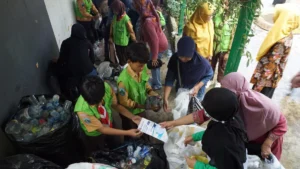
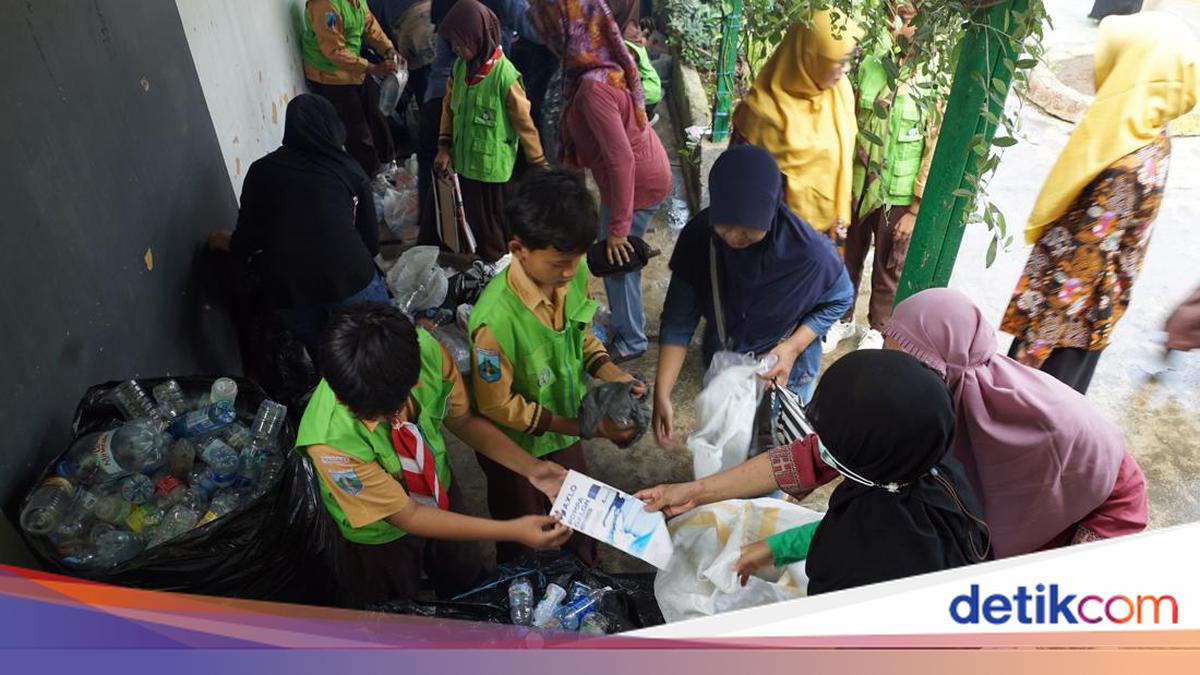
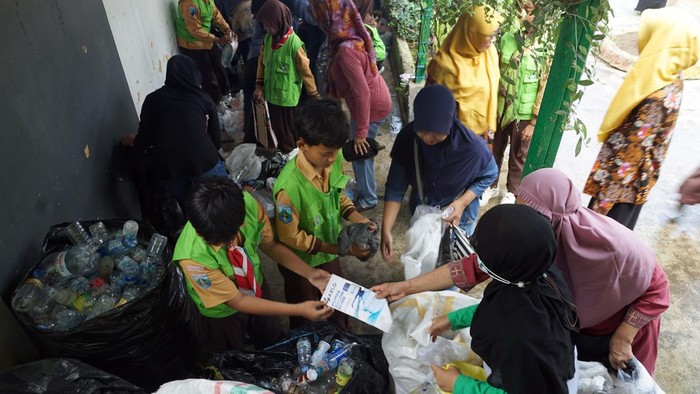
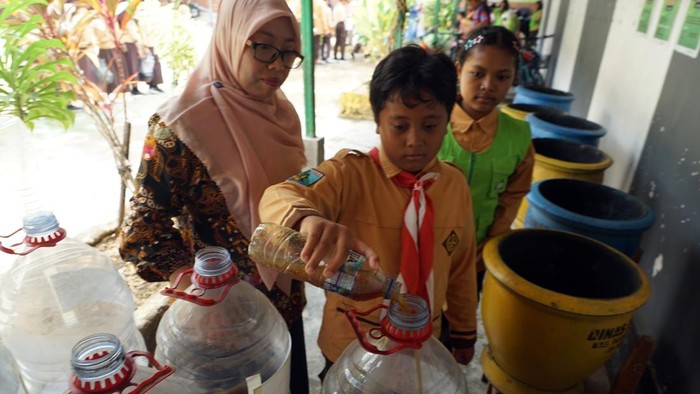
On Friday, October 30, 2026, the activity at SDN 2 Bendorejo served as a microcosm of this regional movement. Students arrived at school carrying containers of used cooking oil and sorted recyclables, which they then deposited at designated collection points. These items are not simply disposed of; they are weighed, valued, and converted into points or monetary credits that are directly deposited into the students’ personal savings accounts.
This initiative is not just about cleaning up the environment; it is a sophisticated pedagogical tool designed to instill discipline, responsibility, and foresight. By participating in the process, students learn that small, consistent actions—like setting aside cooking oil instead of pouring it down the drain—can accumulate into significant financial gains over time.
Chronology of a Grassroots Movement
The implementation of "Sangu Sampah" did not happen overnight. It is the culmination of a strategic shift in Trenggalek’s educational policy, aimed at aligning school activities with the United Nations Sustainable Development Goals (SDGs), specifically those concerning responsible consumption, production, and quality education.
Phase 1: Awareness and Education (Early 2026)
Before the physical collection began, school authorities conducted workshops to educate students and parents on the environmental dangers of improper waste disposal. The focus was specifically on used cooking oil, which, when discarded in sinks or drains, causes severe pipe blockages and water contamination. Students were taught the chemical process of how waste oil can be recycled into biodiesel or other industrial products, thereby giving it economic value.
Phase 2: Infrastructure Development (Mid-2026)
To facilitate the program, schools in Trenggalek established "Waste Banks" within their premises. These hubs were equipped with scales, storage containers, and, most importantly, a digital or ledger system to track the "earnings" of each student. Partnerships were formed with local waste management collectors who agreed to buy the items from the schools at market rates, ensuring a steady cash flow for the students’ savings.
Phase 3: Institutionalization (Late 2026)
By the time the October 2026 pilot reached its current scale, the program had become an integral part of the school routine. It evolved from a voluntary "extra-curricular" activity into a habitual practice. Every Friday, or on designated collection days, the schoolyard transforms into a hub of activity where students trade waste for financial future-proofing.
Supporting Data and Environmental Impact
The environmental implications of this program are substantial. According to environmental data provided by local authorities in Trenggalek, a significant percentage of household waste consists of materials that are easily recyclable but often end up in landfills due to a lack of sorting infrastructure.
- Water Conservation: By capturing used cooking oil, the program prevents thousands of liters of oil from entering the local water table, which reduces the biochemical oxygen demand (BOD) in local waterways, leading to cleaner irrigation and drinking water sources.
- Landfill Diversion: By incentivizing the collection of plastics, paper, and metals, the program significantly reduces the volume of solid waste that needs to be transported to municipal landfills. This lowers the carbon footprint associated with waste collection and disposal.
- Economic Multiplication: The "Sangu Sampah" program creates a micro-economy. The money generated from the sale of these materials does not go to the school’s operational budget but directly to the students. This provides a practical lesson in the "Velocity of Money"—the idea that money spent locally stays locally.
Official Responses and Educational Philosophy
The leadership behind this movement emphasizes that the program is not about the money itself, but about the habits being formed. Educators in Trenggalek argue that the traditional education system often fails to teach children how to manage money or care for their surroundings in a practical way.
"We are building a generation that understands the value of every action," said one school administrator during the Friday collection. "When a child realizes that a bottle or a cup of oil has value, they stop looking at the world as a source of consumption and start looking at it as a source of stewardship. That shift in mindset is permanent."
Local government officials have lauded the program for its ability to integrate into the existing school curriculum without adding undue burden to teachers. By making the process gamified—where students compete to see who can save the most—the program maintains high levels of engagement. The social aspect of the program is equally important; students encourage their parents to participate at home, effectively extending the environmental education from the classroom to the household.
Implications for Future Generations
The "Sangu Sampah" initiative holds significant implications for the future of rural development in Indonesia. If scaled effectively, this model could be replicated in thousands of schools across the archipelago, potentially creating a national network of "student-led waste management" systems.
1. Long-term Financial Literacy
By managing their own accounts derived from "work" (collecting waste), students are learning the fundamental principles of banking: saving, interest, and the power of compounding. This creates a generation that is less likely to fall into debt and more likely to understand the mechanics of personal finance.
2. Shifting Cultural Norms
The most profound impact may be cultural. In many societies, waste is associated with "dirtiness" or poverty. By elevating waste to a status of "economic value," the program de-stigmatizes manual labor and recycling. It teaches children that there is dignity in work and that economic success is not mutually exclusive with environmental responsibility.
3. Resilience to Economic Shocks
As the world faces volatile economic conditions, teaching children how to generate value from local resources provides a layer of resilience. Even in the smallest village, if children learn to identify resources that others discard, they possess a skill set that allows them to be self-reliant.
Conclusion: A Model for the Future
The scene at SDN 2 Bendorejo on that October morning was not just a group of children turning in trash. It was a vision of a sustainable future. As these students grow, the habits formed today will likely influence their choices as consumers, voters, and leaders.
The "Sangu Sampah" program in Trenggalek serves as a compelling proof-of-concept. It demonstrates that when educational institutions provide the right structure, children are not just capable of understanding complex global issues like sustainability and economics—they are capable of taking action to solve them. As the rest of the country watches, the success of these young "green bankers" in East Java suggests that the solution to our biggest problems might just be found in the things we are so quick to throw away.
By treating the planet with respect and their savings accounts with diligence, the students of Trenggalek are proving that the path to a brighter future is paved with the very things we once considered worthless. Their journey from waste-collectors to conscious citizens is a testament to the power of education, and it is a blueprint that should be studied and adopted by schools around the world.