A Silent Tragedy in Tebo: The Looming Extinction of Sumatran Elephants in Bukit Tigapuluh
By Editorial Desk
The lush landscapes of Bukit Tigapuluh, once a sanctuary for the critically endangered Sumatran elephant (Elephas maximus sumatranus), have become a theater of environmental despair. In August 2026, the discovery of a one-year-old calf, dead within a water-filled pit inside the industrial rubber plantation of PT Lestari Asri Jaya (LAJ)—a subsidiary of the French tire giant Michelin Group—sent shockwaves through conservation circles. This incident is not merely an isolated accident; it is a grim indicator of a collapsing ecosystem where wildlife, industry, and human encroachment collide with fatal consequences.
The Tragic Discovery: A Chronology of Neglect
The tragedy unfolded in the remote corners of the Mandelang Business Unit in Muara Sekalo village, Tebo Regency, Jambi. On August 24, 2026, the lifeless body of a juvenile elephant was discovered trapped in a deep, artificial pit just three kilometers from the company’s mess hall. Preliminary reports suggest the calf had been trapped for days, dying a slow, agonizing death from dehydration and exhaustion.
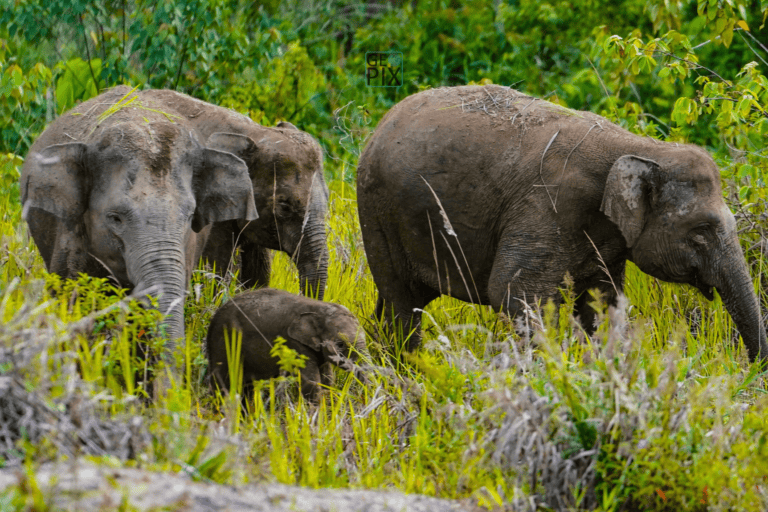
The discovery prompted an immediate intervention by the Forestry Law Enforcement Agency (Gakkum). Investigators conducted an exhaustive site inspection, interviewing staff from the Frankfurt Zoological Society (FZS), BKSDA Jambi veterinarians, and technicians responsible for monitoring the elephant’s GPS collar.
A necropsy performed by veterinary experts confirmed that the animal perished due to severe dehydration. While laboratory tests ruled out deliberate poisoning, the focus of the investigation has shifted to the broader question of corporate responsibility. The question remains: how could a calf, part of a monitored herd, perish in such a manner within a designated conservation-linked concession?
The Corporate Accountability Crisis
PT Lestari Asri Jaya (LAJ), which received a license for 61,495 hectares of industrial forest in 2010, occupies a landscape carved out of the former holdings of PT Industries et Forest Asiatiques (IFA). While the company established a 9,700-hectare Wildlife Conservation Area (WCA) in 2018 to mitigate its environmental footprint, critics argue that this buffer is failing.
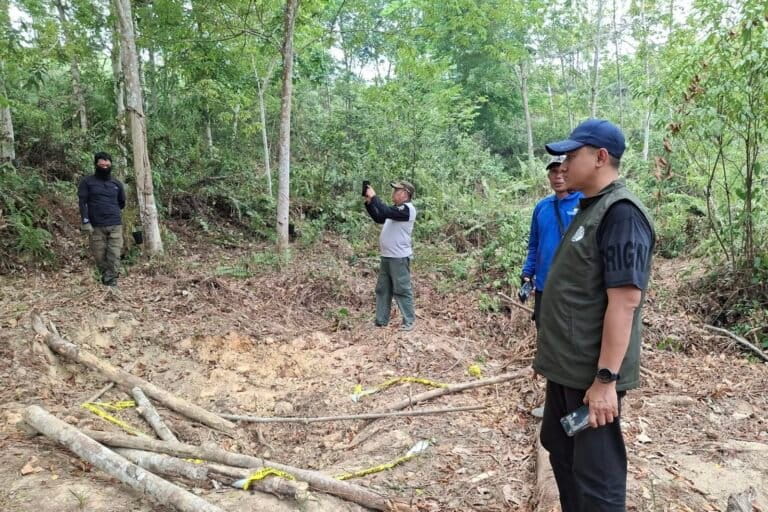
Dwi Januanto Nugroho, Director General of Forestry Law Enforcement at the Ministry of Forestry, emphasized that holding a concession license is not a license to ignore the sanctity of life within those borders. "A permit does not only grant the right to conduct business activities; it carries the obligation to protect the forest, the habitat, and the wildlife that lives within it," Nugroho stated.
He further noted that elephants do not recognize human-drawn borders. "When their migratory paths intersect with areas under corporate management, the responsibility for mitigation and safety lies squarely with the license holder," he added. The Ministry has ordered a comprehensive audit of LAJ’s compliance with environmental protection standards. Despite repeated attempts by media to solicit a response from Karmila Parakkasi, Chief Sustainability Officer of Royal Lestari Utama (RLU), no official comment has been provided as of the date of this report.
Fire, Fragmentation, and the "Chaos" of Ecology
The death of the calf occurs against a backdrop of catastrophic wildfires that have decimated the Bukit Tigapuluh landscape. According to data from WALHI Jambi, as of October 18, 2026, over 8,000 hectares of forest and land have been scorched—a figure significantly higher than the 300 hectares reported by local conservation authorities.
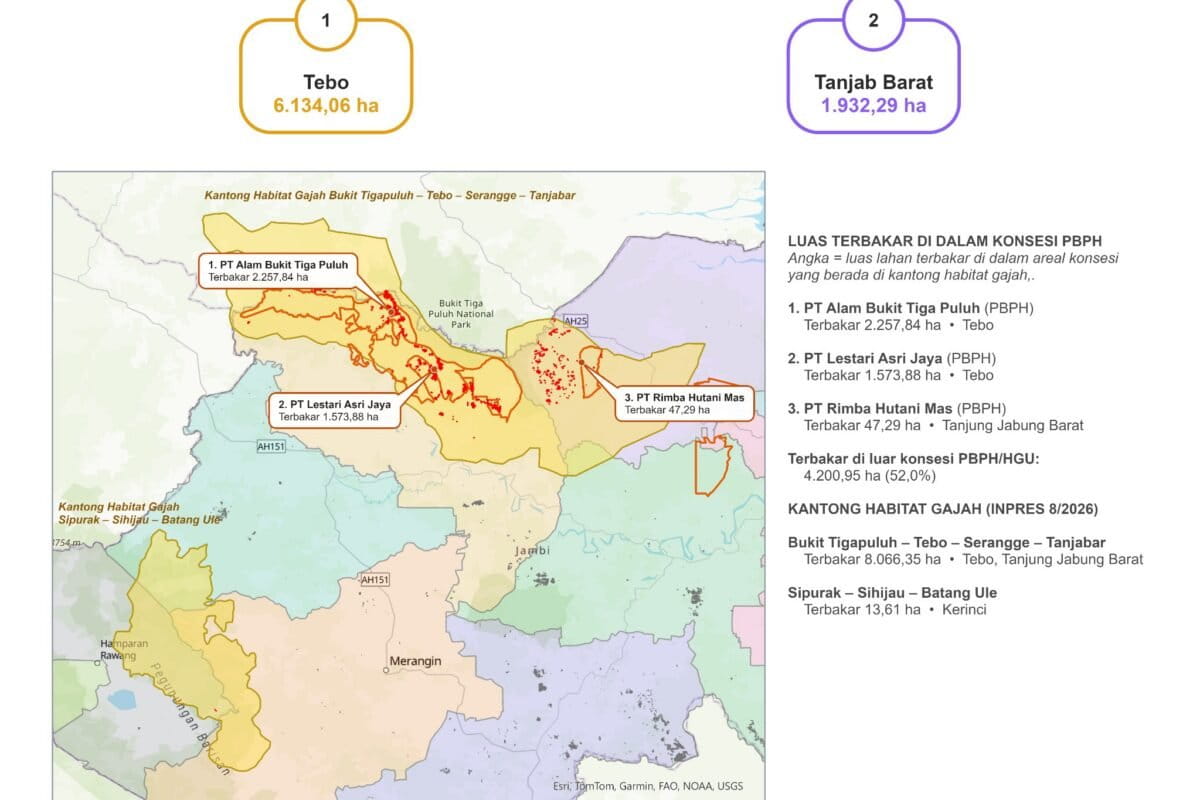
The impact on wildlife is profound. Over 1,500 hectares of the LAJ concession and 2,257 hectares of the PT Alam Bukit Tigapuluh (ABT) restoration area were razed by fire. Nety Riana Sari, Communications Manager for ABT, highlighted that the extreme heat induced by the El-Niño climate phenomenon exacerbated the vulnerability of the region. "Smoke, firefighting activities, and the destruction of vegetation have effectively severed the migratory corridors that elephants and tigers depend on," she explained.
Oscar Anugrah, Executive Director of WALHI Jambi, describes the current state of the region as "ecological chaos." He argues that the government’s push for investment has ignored the fundamental carrying capacity of the land. "We are seeing a desperate struggle for space—not just between humans and corporations, but between humans and the wildlife that has nowhere else to go," Anugrah stated.
The Lethal Legacy of Electric Fencing
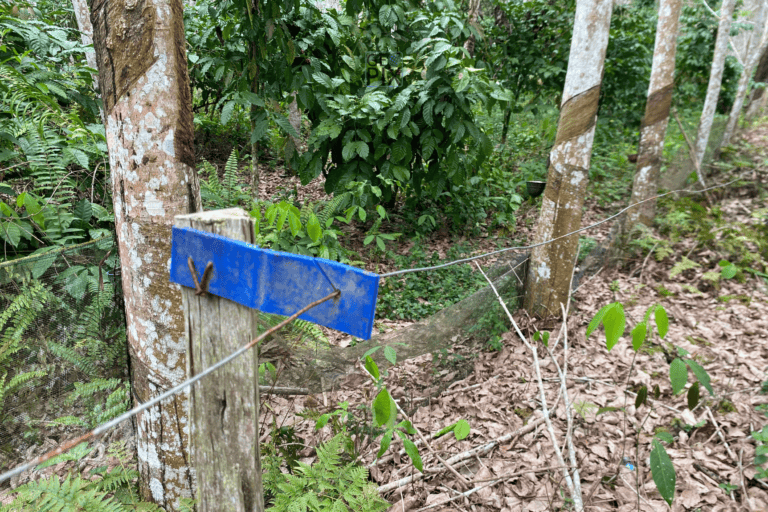
Perhaps the most damning evidence of failing conservation measures is the proliferation of illegal electric fencing. Geopix, a Yogyakarta-based monitoring group, has documented the transformation of the landscape into a death trap for wildlife. According to Senior Wildlife Campaigner Annisa Rahmawati, what began as a 70-kilometer network of electric wires in 2025 has now expanded to over 100 kilometers within the LAJ concession.
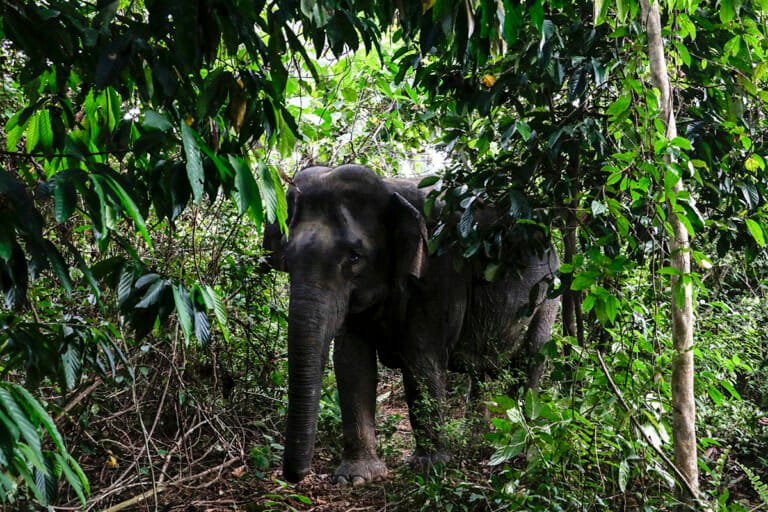
"These wires are not just tools for crop protection; they are lethal hazards," says Rahmawati. "We have seen a pattern of failure here that mirrors the collapse of Tesso Nilo. The fragmentation of the forest due to illegal encroachment, palm oil expansion, and the total disregard for wildlife corridors is pushing the Sumatran elephant to the brink."
Records indicate that since 2013, at least 16 elephants have died in the Bukit Tigapuluh landscape, many as a result of electrocution or direct poisoning. The presence of over 360 unauthorized households living within the WCA has further exacerbated the tension, as farmers attempt to protect their crops from desperate, starving elephants.
A Habitat Under Siege: The Biological Toll
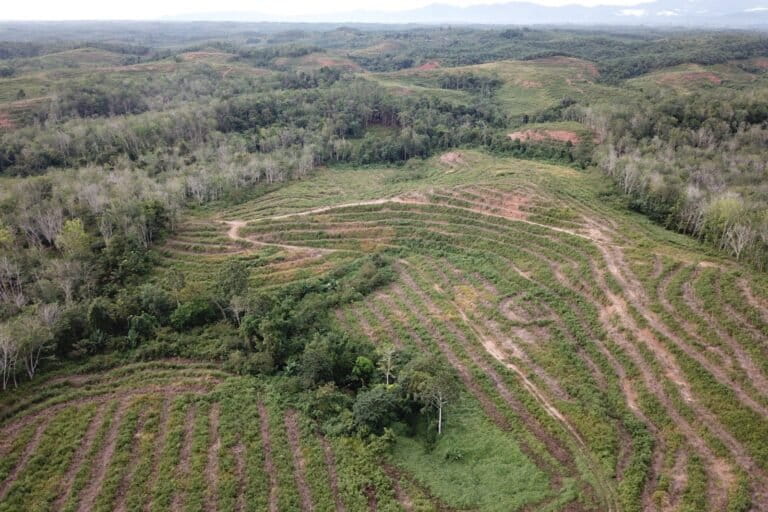
The territorial range of the Tebo elephant population has shrunk dramatically. Historically, these herds roamed freely across 600,000 hectares, connecting with populations in Riau and Tanjung Jabung Barat. Today, they are confined to a fragmented 82,000-hectare area, sliced into pieces by industrial monoculture and human settlements.
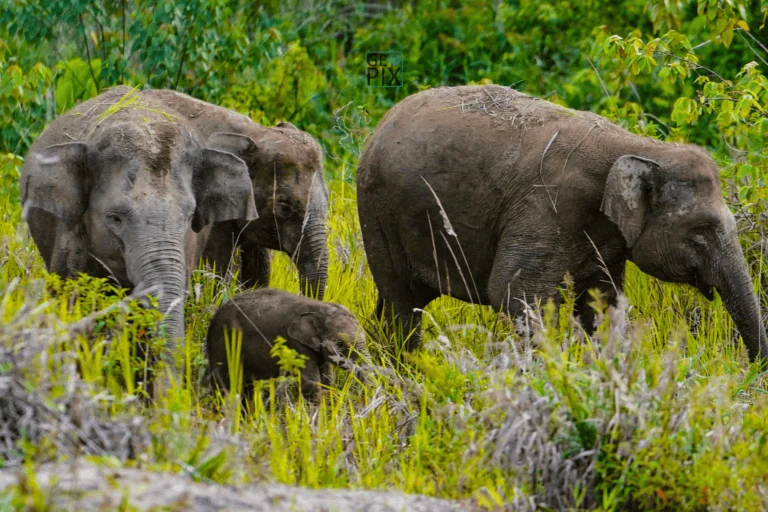
Himawan Sasongko, Head of BKSDA Jambi, noted that while the elephants are successfully reproducing—as evidenced by the presence of calves—their offspring are the most vulnerable to the current environment. "The habitat is being choked by deforestation, illegal encroachment, and the constant threat of fire," Sasongko explained. "We need a complete spatial re-planning of the Bukit Tigapuluh landscape. Without secure corridors, these elephants are essentially living on an island that is slowly sinking."
The data is sobering. Between 2008 and 2017, nearly 190,000 hectares of forest in the Bukit Tigapuluh ecosystem buffer zone were converted to other uses. This massive habitat loss resulted in over 800 recorded human-elephant conflicts between 2019 and 2021.
Conclusion: The Path Forward
The death of the calf in the Tebo pit is a symptom of a systemic failure to balance economic development with the imperative of biodiversity conservation. The "Last Chance to Save Bukit Tigapuluh" report, published years ago, remains as relevant today as it was then. It identified the area as a critical home for 30 Sumatran tigers, 150 elephants, and 130 orangutans.
As the Ministry of Forestry continues its investigation into PT LAJ, the broader question remains for the international community and corporate stakeholders: is it possible to operate in these critical landscapes without causing the extinction of the very species that give these forests their value?
Conservationists like Muhammad Hilal Frikriansyah of the Indonesian Elephant Conservation Forum (FKGI) argue that reactive measures are no longer enough. "We cannot just handle the conflict when an elephant enters a village," he says. "We must protect the forest so the elephant has a reason to stay in the forest. If we continue to allow the erosion of these corridors, we are not just losing elephants; we are destroying the ecological infrastructure that supports human life in Sumatra."
For now, the investigation into the calf’s death continues, but for the elephants of Bukit Tigapuluh, time is running out. The silence in the forest is growing louder, and with every hectare of habitat lost, the hope for a sustainable future for these magnificent creatures diminishes.