Tokyo Game Show 2026: A Landmark 30th Anniversary Sets a New Global Benchmark
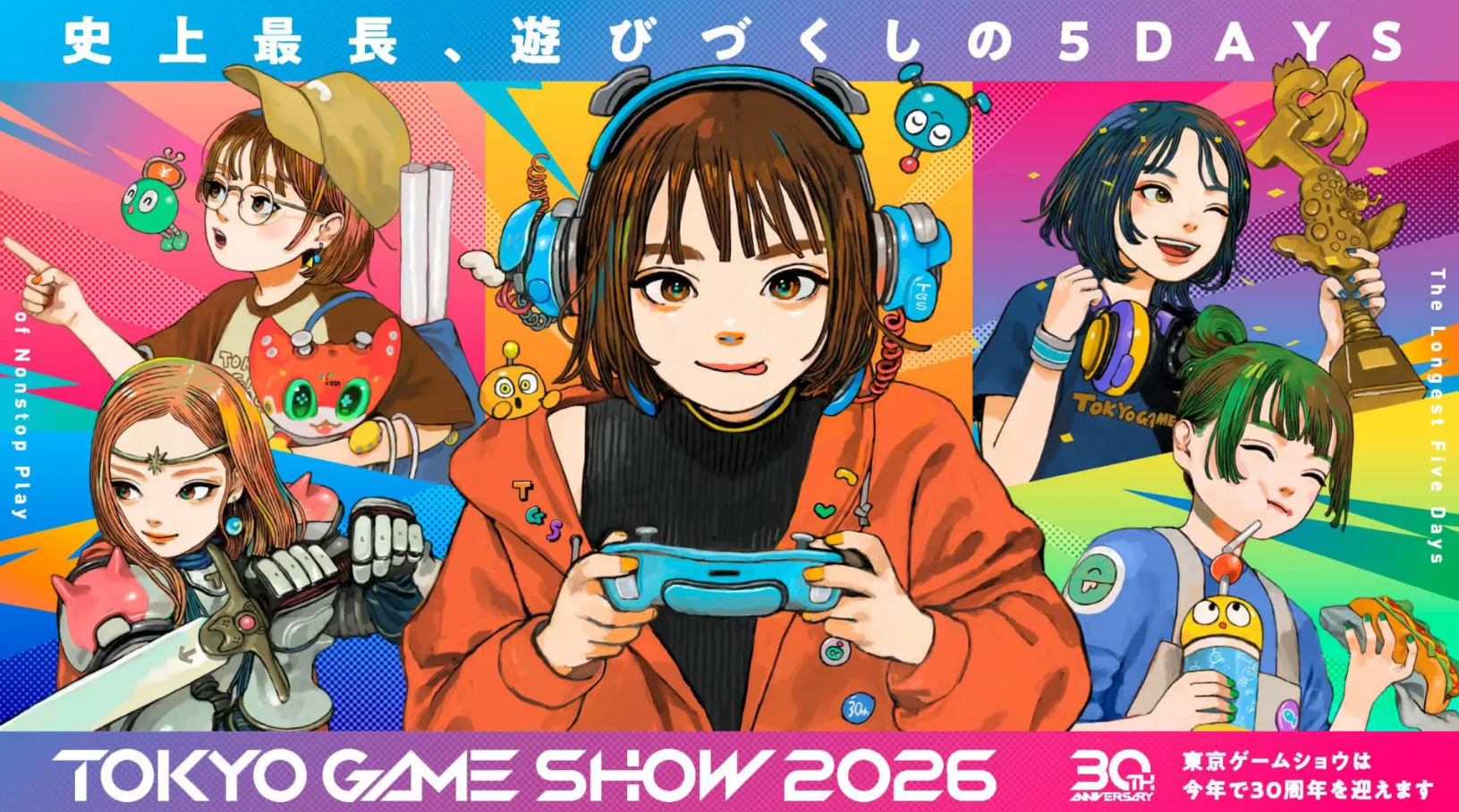
The Tokyo Game Show (TGS) has long served as the heartbeat of the Japanese gaming industry, a pilgrimage site for enthusiasts and a strategic hub for global developers. However, as the event celebrates its 30th anniversary in 2026, the organizers have transcended tradition, transforming the Makuhari Messe in Chiba into a colossal, five-day epicenter of digital entertainment. The inaugural day of TGS 2026 was not merely an exhibition; it was a watershed moment defined by major expansion reveals, genre-defying sequels, and a strategic pivot toward cross-platform accessibility that marks a new chapter for the Japanese market.
The Evolution of a Legacy: TGS 2026 at 30
For three decades, TGS has mirrored the evolution of gaming from pixelated curiosities to hyper-realistic, interconnected virtual worlds. By extending the 2026 edition to five full days, the CESA (Computer Entertainment Supplier’s Association) acknowledged the shifting demands of a global audience. This year’s theme, "The Future of Play," was underscored by an unprecedented density of content—ranging from AAA trailer drops to the introduction of next-generation hardware integration for titles that were previously locked to legacy consoles.
Chronology of Day One: A Rapid-Fire Showcase
The first day of TGS 2026 was characterized by a relentless stream of announcements that kept the global gaming media on high alert.
Capcom’s Triple-Threat Strategy
Capcom, perhaps the most anticipated presenter of the opening day, utilized its showcase to solidify its dominance in the action-RPG and hunting genres.
- Dragon’s Dogma 2: Dark Arisen: Confirming months of speculation, Capcom officially unveiled this massive expansion. Slated for a global release on October 9, 2026, Dark Arisen expands the base game’s scope by introducing the northern frozen wastes of Norgan. Players are promised a harsher, more tactical environment, complemented by 12 new, high-stakes "Lost Rites" dungeons. With a price point of $29.99 for the expansion and a $49.99 complete bundle, Capcom is clearly positioning this as a "must-have" for owners of the PS5, Xbox Series X|S, PC, and the newly integrated Nintendo Switch 2.
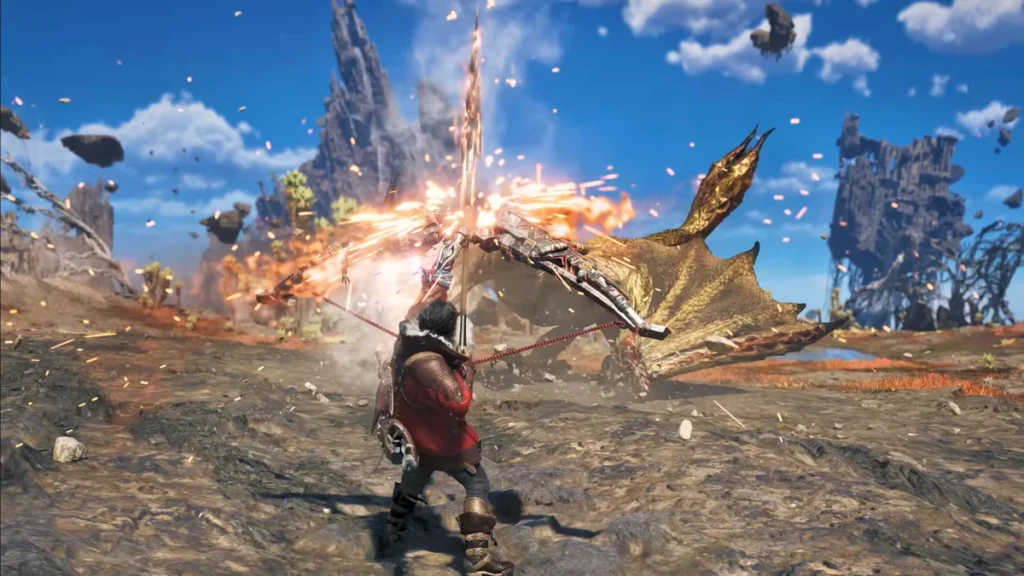
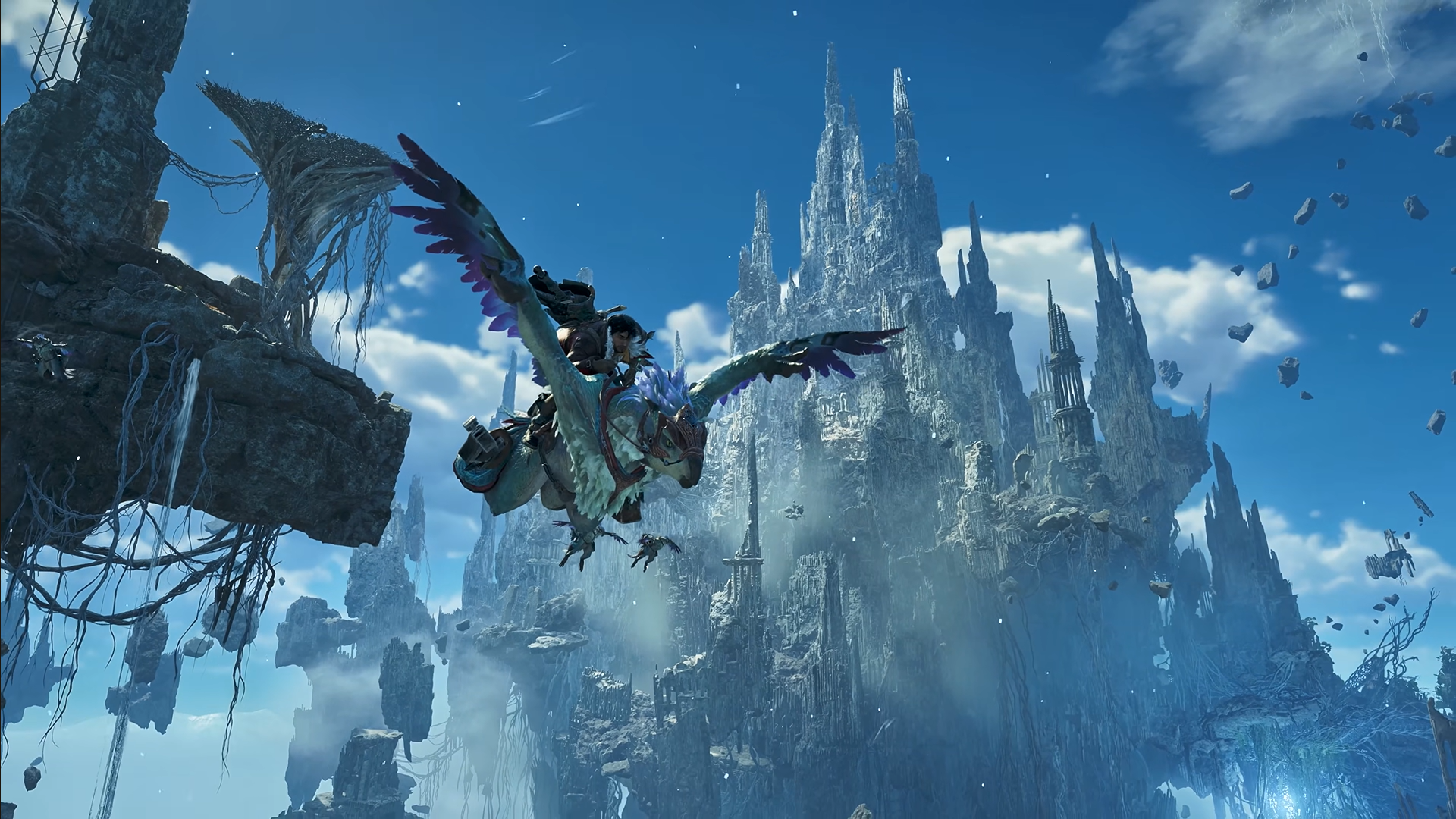
- Monster Hunter Wilds: Ascendance: While the legendary Elder Dragon Teostra stole the spotlight in the reveal trailer, the technical community focused on the "Boosted Actions" system. By refining combat mechanics for all 14 weapon types, Capcom aims to increase the skill ceiling for veteran hunters. Notably, the announcement that character appearance vouchers will now be free permanently was met with thunderous applause, signaling a rare and welcome retreat from microtransaction-heavy legacy systems.
Koei Tecmo and Team Ninja’s Open-World Shift
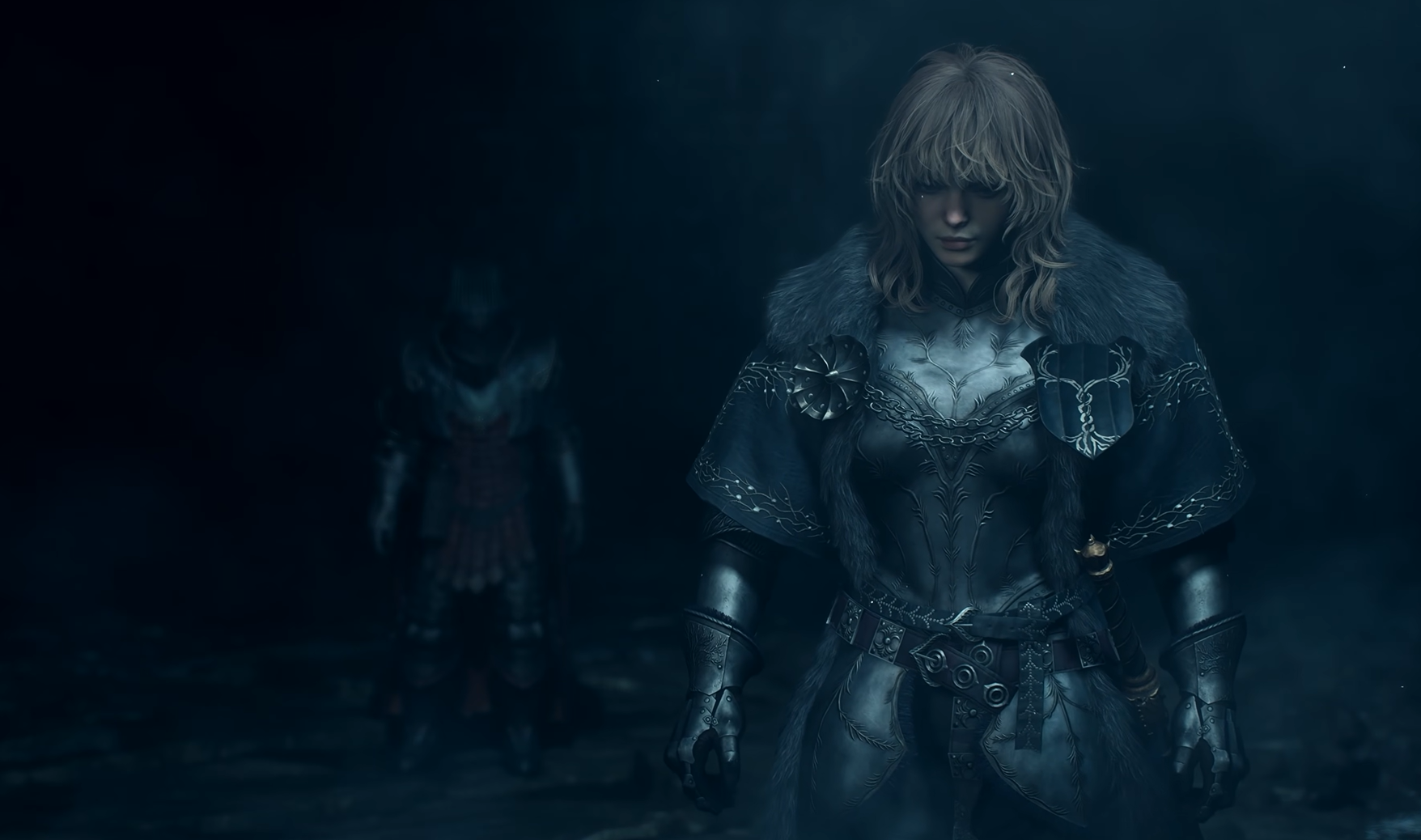
The surprise announcement of Wo Long 2: Wings of Ember served as the emotional peak of the afternoon. Shifting the series’ timeline eight years into the future, Team Ninja is taking a bold leap into open-world design. By setting the game against the backdrop of a reimagined, mythic Battle of Red Cliffs, the developers are moving away from the mission-based structure of the original. The immediate availability of an Alpha demo across all platforms—including the Switch 2—underscores a shift toward transparency and rapid community feedback.
The Experimental Edge: KEMURI
Ikumi Nakamura’s UNSEEN studio offered a departure from the traditional sequels with KEMURI. The 90-second "Welcome Back to the Chaos" trailer showcased a verticality rarely seen in modern action titles. By blending parkour with a "Fox Window" mechanic—which allows players to perceive spirits and possess objects—KEMURI is positioning itself as the "cult hit" of TGS 2026, targeting a 2027 release on PlayStation 5 and PC.

Supporting Data and Technical Milestones
Beyond the headline titles, the data emerging from the floor reveals a broader industry trend: Universal Accessibility. The confirmation that Resident Evil’s core trilogy, complete with all DLC, is coming to the Nintendo Switch 2 indicates that the gap between handheld performance and home console fidelity has effectively vanished.
Furthermore, the longevity of Sonic Racing CrossWorlds is a testament to the "Games as a Service" model done right. By introducing Bayonetta as a playable character alongside unexpected IP crossovers like Godzilla and Evangelion, the developers have successfully turned a niche racer into a pop-culture melting pot, driving engagement metrics to record highs in its second year.
Official Perspectives: The Industry Voice
During the post-show press conference, industry leaders emphasized that TGS 2026 is a response to the "fragmentation" of global gaming events.
"Our goal was not just to show games, but to show how these games communicate with each other," stated a spokesperson for CESA. "When we look at projects like Minecraft Dungeons II: Battle for Tokyo, we see a collaboration between Microsoft and the Japanese developer ecosystem that would have been unimaginable a decade ago. We are fostering a borderless environment where a player on a Switch 2 can experience the same performance fidelity as a player on a high-end PC."
The sentiment from developers like Ikumi Nakamura was equally poignant, focusing on the freedom of the creator. "In the current era, players are tired of the same formulas. KEMURI represents the Japanese industry’s desire to return to pure, kinetic play—where the movement is as much a part of the story as the combat."
Implications for the Global Market
The implications of the first day of TGS 2026 are profound for the global gaming landscape:
- The Resurgence of the Switch 2: The massive support from third-party developers, particularly Capcom and Koei Tecmo, indicates that the Nintendo Switch 2 is being treated as a premier, high-performance platform rather than a "portable-only" alternative.
- The End of Predatory Microtransactions: Capcom’s decision to remove paid appearance vouchers for Monster Hunter suggests a shift in industry sentiment. Companies are realizing that in a highly competitive market, player goodwill is a more valuable currency than minor monetization schemes.
- Genre Blending: The transition of Wo Long 2 to an open-world format suggests that the "Souls-like" genre is maturing. Developers are no longer content with linear progression; they are integrating systemic, emergent gameplay to keep the market fresh.
- The "5-Day" Effect: By extending the show, TGS has effectively created a "festival atmosphere" that rivals E3 in its prime. This allows for a more staggered release of news, preventing the "information overload" that plagues smaller, two-day events.
Conclusion: A New Horizon
As the sun sets on the first day of the 30th Tokyo Game Show, the message is clear: the Japanese gaming industry is not just surviving in a globalized market—it is leading it. From the technical prowess of Monster Hunter Wilds to the creative daring of KEMURI, the event has succeeded in capturing the imagination of the world.
For the attendees, the next four days promise further reveals, deeper dives into the mechanics of these upcoming titles, and likely, more surprises that will define the gaming conversation for the next twelve months. Whether you are a fan of sprawling open-world epics, high-octane racing, or experimental action, TGS 2026 has proven that the future of gaming is, quite literally, being written in Chiba. As the industry continues to evolve, one thing remains certain: Tokyo is, and will remain, the undisputed center of the gaming universe.