
Unveiling the IDR 9 Trillion Balance Sheet Clean-Up: Inside PT Pos Indonesia’s Radical Financial and Structural Overhaul
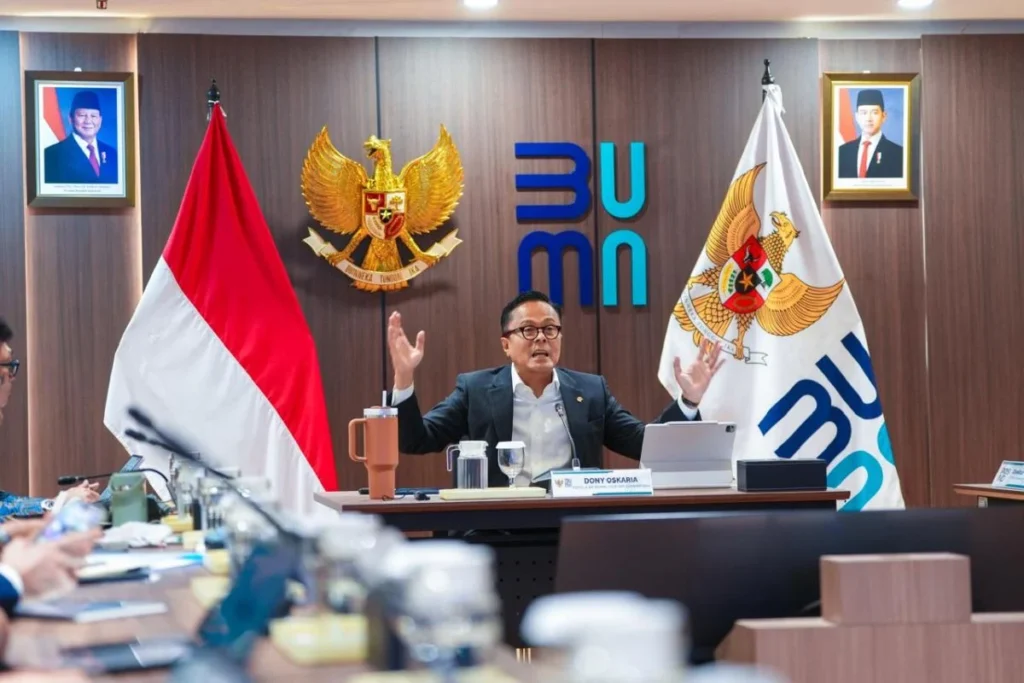
JAKARTA — In a decisive move to purge legacy financial discrepancies and fortify the foundations of Indonesia’s state-owned enterprises (SOEs), the Ministry of State-Owned Enterprises Management Agency (BP BUMN) has initiated a massive financial restructuring of the country’s historic postal and logistics operator, PT Pos Indonesia (Persero).
The state-owned postal giant has officially reported a staggering financial bookkeeping adjustment totaling IDR 9 trillion (approximately USD 575 million) spanning the fiscal years of 2023, 2024, and 2025. This massive adjustment, revealed following a rigorous forensic audit, marks the beginning of a comprehensive "clean-up" campaign led by the newly empowered BP BUMN and the sovereign asset management superholding body, Danantara (Daya Anagata Nusantara).
Dony Oskaria, the Head of BP BUMN and concurrent Chief Operating Officer (COO) of Danantara, made it clear that the government will no longer tolerate cosmetic financial reporting within state firms.
"The transformation we are executing here is not a half-hearted one. We do not want something artificial or merely polished on the surface," Dony stated in an official release confirmed in Jakarta. "This process is designed to ensure our state-owned enterprises are fundamentally resilient, transparent, and highly competitive for decades to come."
1. Main Facts: The IDR 9 Trillion Balance Sheet Correction
At the heart of this restructuring is an unprecedented IDR 9 trillion bookkeeping adjustment. This adjustment represents a systematic effort to align PT Pos Indonesia’s historical and projected financial statements with realistic market values, transparent asset depreciation, and actual liabilities.
PT POS INDONESIA RESTOCKING & CLEAN-UP AT A GLANCE
┌──────────────────────────────────────┬────────────────────────────────────────┐
│ Financial Adjustment Quantum         │ IDR 9 Trillion (Period: 2023 - 2025)    │
├──────────────────────────────────────┼────────────────────────────────────────┤
│ Primary Lead Agencies                │ BP BUMN & Danantara                    │
├──────────────────────────────────────┼────────────────────────────────────────┤
│ Key Figures Involved                 │ Dony Oskaria (BP BUMN / Danantara)     │
│                                      │ Iskandar Kunaefi (CEO, PT Pos)         │
├──────────────────────────────────────┼────────────────────────────────────────┤
│ Core Strategic Focus Areas           │ • Governance & Boardroom Restructuring │
│                                      │ • Core Business Profitability          │
│                                      │ • Intercompany Debt Reduction          │
│                                      │ • Integration of 7 Logistics SOEs      │
└──────────────────────────────────────┴────────────────────────────────────────┘
The key pillars of this financial overhaul include:
- Asset and Liability Re-evaluation: Writing off non-performing assets, reassessing the value of sprawling real estate holdings, and accounting for long-term pension and employee benefits liabilities that had previously weighed down the balance sheet.
- Operational De-leveraging: Utilizing intercompany synergies to rapidly pay down corporate debt, reducing interest burdens that have historically cannibalized the company’s operating cash flows.
- A Shift to Hard Metrics: Moving away from traditional volume-based metrics to profit-margin-centric evaluations, particularly within PT Pos Indonesia’s core courier, logistics, and financial services divisions.
To oversee the immediate execution of this restructuring, Dony Oskaria convened an emergency high-level strategy meeting with the newly appointed President Director of PT Pos Indonesia, Iskandar Kunaefi. The meeting established a strict timeline for operational and financial rectifications, signaling a departure from the legacy administrative approaches that have historically plagued the postal firm.
2. Chronology: From Leadership Transition to Forensic Audit
The path to this IDR 9 trillion correction was paved by a series of critical structural shifts within both the regulatory framework of Indonesian SOEs and the executive leadership of PT Pos Indonesia.
CHRONOLOGY OF THE TRANSFORMATION
 ┌────────────────────────────────────────────────────────────────────────┐
 │ Phase 1: Leadership Transition & Resignation                           │
 │ • Former President Director steps down amidst mounting pressures.       │
 │ • Danantara and BP BUMN install Iskandar Kunaefi to lead.              │
 └───────────────────────────────────┬────────────────────────────────────┘
                                     ▼
 ┌────────────────────────────────────────────────────────────────────────┐
 │ Phase 2: Commissioning of the Forensic Audit                           │
 │ • BP BUMN and Danantara mandate a deep-dive audit of books (2023-2025).│
 │ • Discrepancies in asset valuation and legacy liabilities uncovered.  │
 └───────────────────────────────────┬────────────────────────────────────┘
                                     ▼
 ┌────────────────────────────────────────────────────────────────────────┐
 │ Phase 3: The IDR 9 Trillion Disclosure & Alignment                     │
 │ • PT Pos officially registers the IDR 9 trillion adjustment.           │
 │ • Dony Oskaria meets Iskandar Kunaefi to align on structural overhaul. │
 └───────────────────────────────────┬────────────────────────────────────┘
                                     ▼
 ┌────────────────────────────────────────────────────────────────────────┐
 │ Phase 4: Implementation of the "No-Polish" Mandate                      │
 │ • Execution of intercompany debt reduction strategies.                 │
 │ • Integration of seven state-owned logistics entities begins.          │
 └────────────────────────────────────────────────────────────────────────┘
Phase I: Leadership Instability and the Rise of Danantara
Throughout 2024, PT Pos Indonesia faced severe operational bottlenecks as private sector digital-first logistics players aggressively captured market share. Amidst mounting pressures to reform, the previous President Director of PT Pos resigned. Respecting the resignation, Danantara and BP BUMN acted swiftly to stabilize the company’s leadership, preparing a new executive suite led by Iskandar Kunaefi to steer the company through its most challenging financial storm.
Phase II: The Mandate for a Forensic Audit
Upon taking office, the new management—under direct instructions from Dony Oskaria—commissioned a comprehensive forensic audit of PT Pos Indonesia’s financial statements for the 2023–2025 cycle. The objective was clear: to uncover any hidden liabilities, uncollectible receivables, and inflated asset valuations that had been used to project "artificial" stability.
Phase III: The Discovery and Disclosure of the IDR 9 Trillion Gap
The audit revealed deep-seated structural inefficiencies and legacy accounting practices that did not reflect the true economic health of the enterprise. Rather than concealing these findings, BP BUMN opted for radical transparency, officially registering the IDR 9 trillion adjustment. This bold move was finalized in the high-profile meeting between Dony Oskaria and Iskandar Kunaefi in Jakarta, setting the stage for an aggressive corporate turnaround.
3. Supporting Data: The Logistics Crisis and the Case for Consolidation
To understand the magnitude of the IDR 9 trillion adjustment, one must examine the broader economic landscape of Indonesia’s logistics sector. Indonesia has historically suffered from exceptionally high logistics costs, which hover around 14% of the nation’s Gross Domestic Product (GDP)—significantly higher than its Southeast Asian peers like Singapore and Malaysia, which maintain logistics costs below 10%.
INDONESIA LOGISTICS COST COMPARISON (% OF GDP)
┌─────────────────────────┬─────────────┐
│ Country                 │ % of GDP    │
├─────────────────────────┼─────────────┤
│ Indonesia (Historical)  │ 14% - 20%   │
│ Vietnam                 │ 16%         │
│ Thailand                │ 13.2%       │
│ Malaysia                │ 13.0%       │
│ Singapore               │ 8.5%        │
└─────────────────────────┴─────────────┘
Source: World Bank & Ministry of Transportation Analysis (Approximate Data)
PT Pos Indonesia, with its unrivaled network of over 4,800 post offices and more than 58,000 service points across the archipelago, should theoretically be the backbone of national logistics. However, high fixed overhead costs, an underutilized fleet, and a lack of digital integration led to a steady decline in its core postal business.
The Consolidation of Seven Logistics SOEs
To resolve this systemic inefficiency, the government executed a landmark merger, bringing seven state-owned logistics entities under a single unified ecosystem. This consolidation aimed to:
- Eliminate Redundancy: Prevent multiple state enterprises from competing against one another for the same government and private sector contracts.
- Optimize Infrastructure: Combine warehouses, land transport fleets, and maritime shipping routes under a single digital control tower.
- Scale Efficiencies: Reduce the cost per parcel by maximizing capacity utilization across the combined networks.
The IDR 9 trillion adjustment is the direct financial cleanup required to make PT Pos Indonesia fit to serve as a viable anchor for this newly merged logistics powerhouse. Without cleansing the balance sheet of legacy debts and overstated assets, the consolidated entity would have been weighed down by PT Pos’s historical financial baggage.
4. Official Responses: A Paradigm Shift in SOE Governance
The rhetoric from state officials indicates a profound shift in how the Indonesian government intends to manage its portfolio of over 100 state-owned enterprises. Under the leadership of Dony Oskaria and the strategic oversight of Danantara, the focus has shifted from high-volume revenue generation to strict, bottom-line profitability and fiscal discipline.
BP BUMN and Danantara’s Directives
Dony Oskaria’s instructions to the board of PT Pos Indonesia were uncompromising. He emphasized that the era of "window dressing" financial statements to secure short-term political favor or artificial credit ratings is officially over.
"If the core business is still negative, there is absolutely no point. Our primary focus must be to turn this core business positive and drastically drive down costs. Every single initiative must have a clear target, a definitive timeline for completion, and a projected financial return. We will manage and control the company strictly based on these parameters."
— Dony Oskaria, Head of BP BUMN & COO of Danantara
Dony outlined a three-pronged execution framework for PT Pos Indonesia’s new leadership:
- Granular Cost Control: A line-by-line audit of all operational expenses, focusing on eliminating bloated administrative costs and optimizing energy consumption across the company’s real estate portfolio.
- Intercompany Debt Reduction: Utilizing cash reserves and operational surpluses from healthier state-owned enterprises to restructure and settle PT Pos’s high-interest debts through strategic intercompany financial instruments.
- Outcome-Based Performance Metrics: Establishing Key Performance Indicators (KPIs) for the executive board that are directly tied to cash flow health and debt reduction milestones, rather than simple top-line revenue growth.
PT Pos Indonesia’s Commitment
In response, President Director Iskandar Kunaefi committed to executing the strategic mandate without delay. The management team has reportedly begun restructuring its internal business units, splitting the company’s operations into highly accountable subsidiaries focusing on core logistics, financial services (via the PosPay digital platform), and property management.
5. Implications: Redefining the Indonesian SOE Landscape
The radical transparency displayed in the PT Pos Indonesia case carries profound implications for the future of state-owned enterprises in Indonesia, signaling a structural transformation that will resonate across the national economy.
STRUCTURAL IMPLICATIONS FOR THE SOE ECOSYSTEM
┌─────────────────────────────┬─────────────────────────────────────────────────┐
│ Area of Impact              │ Strategic Outcome                               │
├─────────────────────────────┼─────────────────────────────────────────────────┤
│ Financial Accountability    │ Transition from "Window-Dressing" to real,      │
│                             │ audited balance sheets across all SOE sectors.  │
├─────────────────────────────┼─────────────────────────────────────────────────┤
│ Sovereign Investment        │ Increased investor confidence as Danantara      │
│                             │ aligns SOE governance with global SWF standards.│
├─────────────────────────────┼─────────────────────────────────────────────────┤
│ National Logistics Cost     │ A streamlined PT Pos lowers transaction costs,  │
│                             │ boosting domestic commerce and export margins.  │
├─────────────────────────────┼─────────────────────────────────────────────────┘
│ Market Competitiveness      │ Transition of PT Pos from a legacy postal service│
│                             │ to an agile, tech-driven logistics competitor.   │
└─────────────────────────────┴─────────────────────────────────────────────────┘
A New Standard for Financial Auditing across SOEs
The IDR 9 trillion adjustment sets a powerful precedent. Other struggling SOEs in sectors such as construction, aviation, and energy are likely to undergo similar forensic financial clean-ups. By acknowledging historical financial imbalances openly, the government is building long-term trust with international creditors, sovereign wealth funds, and private equity partners.
Elevating Danantara’s Role as a Superholding Entity
This intervention cements Danantara’s position as a transformative force in the Indonesian economy. Modeled after successful sovereign development funds like Singapore’s Temasek or Malaysia’s Khazanah, Danantara is proving that it will not act as a passive holding company. Instead, it is actively restructuring, merging, and liquidating underperforming assets to maximize the state’s return on investment.
The Future of PT Pos Indonesia
For PT Pos Indonesia, the path ahead is challenging but clear. Cleansed of its legacy financial distortions, the company can now leverage its unmatched physical footprint to become a highly efficient logistics partner for the country’s booming e-commerce sector.
By integrating its operations with the six other state-owned logistics firms, PT Pos is positioned to drive down national logistics costs, making Indonesian goods more competitive globally and ensuring that even the most remote islands of the archipelago are seamlessly connected to the national supply chain.
The era of "artificial polishing" has ended; the era of hard-nosed, value-driven corporate restructuring has officially begun.