BPOM Mobilizes Full Support for ‘Merah Putih’ Village Cooperative Program to Bolster National Health and Economy
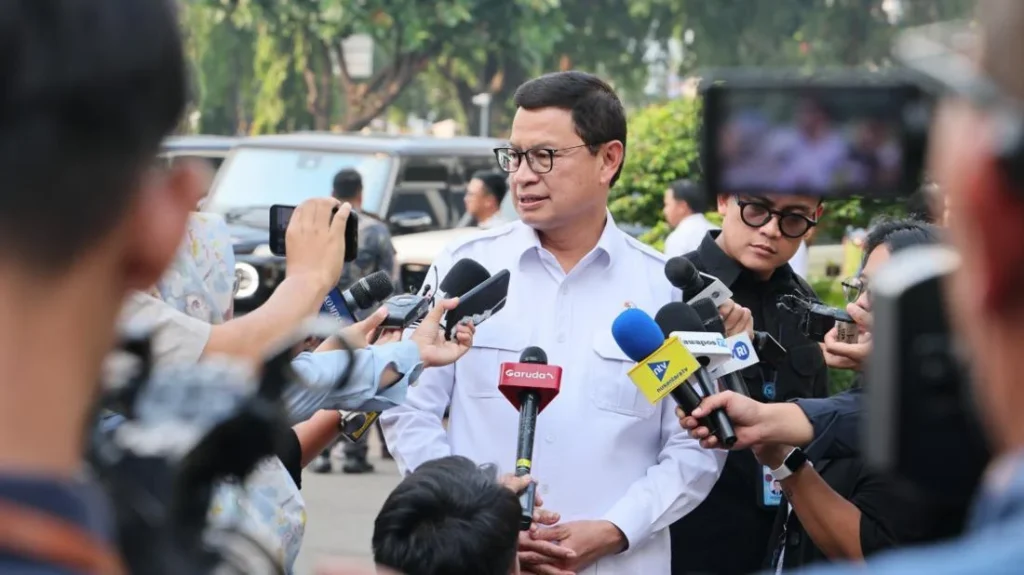
JAKARTA – The Indonesian National Agency of Drug and Food Control (BPOM) has officially announced its full-scale mobilization to support the implementation of the Koperasi Desa/Kelurahan Merah Putih (KDKMP) or the Red and White Village/Sub-district Cooperative program. This strategic move, which aims to decentralize economic power and ensure equitable access to health commodities, serves as a cornerstone of the government’s efforts to strengthen rural infrastructure under the administration of President Prabowo Subianto.
The comprehensive support package provided by BPOM encompasses the acceleration of drug and food licensing, intensive mentorship for Micro, Small, and Medium Enterprises (MSMEs), rigorous quality control of products, and the stabilization of pharmaceutical supply chains to ensure that village-level pharmacies remain adequately stocked.
The Strategic Framework: Aligning with National Directives
The commitment was formally articulated by the Head of BPOM, Taruna Ikrar, following a high-level limited meeting led by President Prabowo Subianto at the Presidential Palace. The meeting focused on the operationalization of the KDKMP, a program designed to revitalize village economies by integrating state-run services with local entrepreneurial potential.
"One of the primary pillars of our support for the Red and White Cooperative is the drastic acceleration of drug and food licensing," Taruna Ikrar stated on Wednesday (July 15, 2026). "We are cutting through bureaucratic hurdles to ensure that rural-based businesses can operate with legal certainty and professional standards."
This initiative is deeply rooted in Presidential Instruction (Inpres) Number 9 of 2025, which mandates the accelerated formation of these cooperatives. Under this instruction, BPOM serves as a critical regulatory partner, overseeing the safety and logistics of various KDKMP business units, including rural clinics, village pharmacies, cold storage facilities for food products, and retail outlets for essential goods.
Legal Foundations and Regulatory Compliance
BPOM’s involvement is not merely advisory; it is backed by robust regulatory frameworks designed to maintain the highest standards of safety and quality in remote areas. The agency is operating under two primary regulatory instruments:
- BPOM Regulation Number 5 of 2026: This regulation governs the management of drugs and medicinal ingredients in pharmaceutical service facilities. It specifically provides the legal basis for the handling of over-the-counter (OTC) and limited OTC drugs in village pharmacies and clinics, ensuring that the supply chain—from procurement to storage—meets national safety protocols.
- BPOM Regulation Number 21 of 2021: This focuses on the implementation of a Quality and Safety Assurance System for processed food in distribution centers. It covers the operational requirements for cold storage and retail outlets, ensuring that the food products distributed through KDKMP units are handled according to Good Distribution Practices (GDP).
These regulations also mandate the provision of continuous guidance and capacity building for cooperatives. This includes teaching staff how to implement the "Good Processed Food Distribution Practices" (CPerPOB) and the "Processed Food Safety Management System" (SMKPO), ensuring that the quality of goods does not degrade before reaching the end consumer.
Empowering the Grassroots: The MSME Mentorship Program
A critical objective of the KDKMP program is the stimulation of local production. By serving as a hub for both the distribution of government programs and the marketing of local goods, the cooperatives act as a bridge between rural producers and the broader national market.
BPOM’s role in this ecosystem is to provide technical assistance to MSMEs. This is conducted through both onsite visits and desk-based consultations. "Through this mentorship, we aim to ensure that MSMEs can meet the requirements for Good Manufacturing Practices (GMP), eventually obtaining the coveted BPOM distribution permit," Taruna Ikrar explained.
2025 Milestones in Numbers
The impact of this mentorship has already begun to manifest in various regions. In 2025, BPOM successfully piloted programs in six diverse regions: Banjarbaru, Surakarta, Medan, Kupang, Fakfak, and Surabaya.
- Licensing Achievements: The collaborative efforts between BPOM and local cooperatives resulted in the issuance of 19 new distribution permits for natural medicinal products and cosmetics produced by local rural entrepreneurs.
- National Scale: These successes are part of a broader national effort, with the total number of registered drug and food permits currently standing at 654,921. This vast database serves as the baseline for ensuring that only safe, tested products reach the public.
Strengthening the Pharmaceutical Supply Chain
One of the most persistent challenges in rural Indonesia has been the availability and affordability of essential medicines. The KDKMP aims to mitigate this by creating a sustainable logistics network for village pharmacies.
To support this, BPOM has intensified the use of its electronic registration system. By digitizing and streamlining the evaluation process for drug registration, the agency is ensuring that rural areas are not left behind. "Our goal is to ensure that every citizen, even in the most remote villages, has access to medicines that are safe, effective, high-quality, and affordable," said Taruna Ikrar.
The digital transition allows for real-time tracking of medicinal stocks and faster approval times for pharmaceutical wholesalers looking to supply rural cooperatives. This shift reduces the "price gap" that often occurs when products pass through multiple layers of intermediaries before reaching the village level.
Synergies with BUMDes and Future Implications
The KDKMP program is designed to work in perfect synchronization with the Badan Usaha Milik Desa (BUMDes)—the Village-Owned Enterprises. According to government officials, including Yandri Susanto, the cooperatives will act as the commercial vehicle for BUMDes, allowing them to scale their operations.
The implications of this collaboration are multi-faceted:
- Economic Formalization: By bringing local products into the BPOM regulatory net, these goods gain credibility, making them eligible for wider distribution in national retail chains and online marketplaces.
- Public Health Improvement: The establishment of standardized pharmacies and clinics within cooperatives ensures that rural populations have reliable access to health services, reducing the reliance on unverified or potentially dangerous traditional medicines.
- Regional Growth: As villages become self-sufficient in distributing essential goods, the local multiplier effect increases. Funds that were previously flowing out of the village to urban retail centers are now retained within the community, strengthening the local tax base and creating jobs.
Conclusion: A Collaborative Path Forward
The partnership between BPOM and the KDKMP program represents a significant shift in how regulatory agencies interact with rural development. Rather than being a barrier, the regulatory process is being transformed into a tool for empowerment.
As the program moves into its next phase, the focus will remain on scaling the mentorship model to more provinces and ensuring that the logistical infrastructure—specifically the cold storage units—is fully operational. With the commitment from BPOM to provide "full support," the government is signaling that it views the health and economic security of rural Indonesia as an inseparable mandate.
By ensuring that the products sold in village cooperatives are safe, legal, and high-quality, BPOM is not just regulating the market; it is actively participating in the modernization of the Indonesian village, laying the groundwork for a more equitable and prosperous future. The success of these 654,921 products and the growing network of cooperatives suggests that the "Red and White" vision is well on its way to becoming a daily reality for millions of Indonesians.