The Silent Mourning: Why the Plight of Tahlequah and the Southern Resident Orcas Remains a Global Wake-Up Call
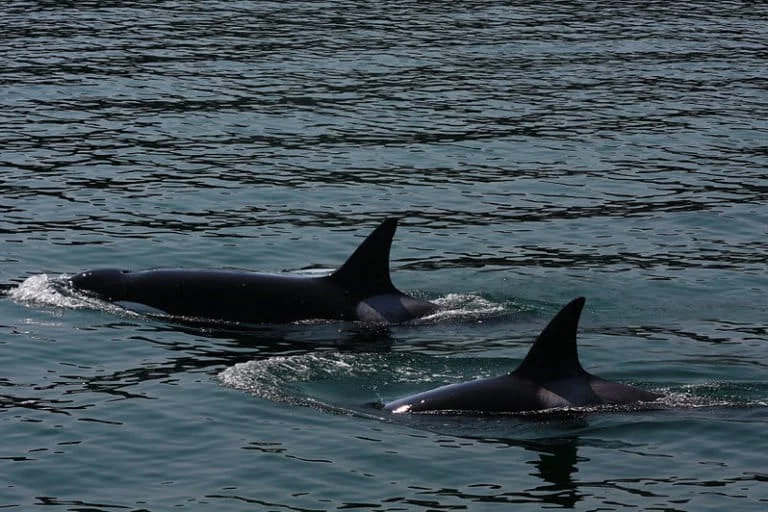
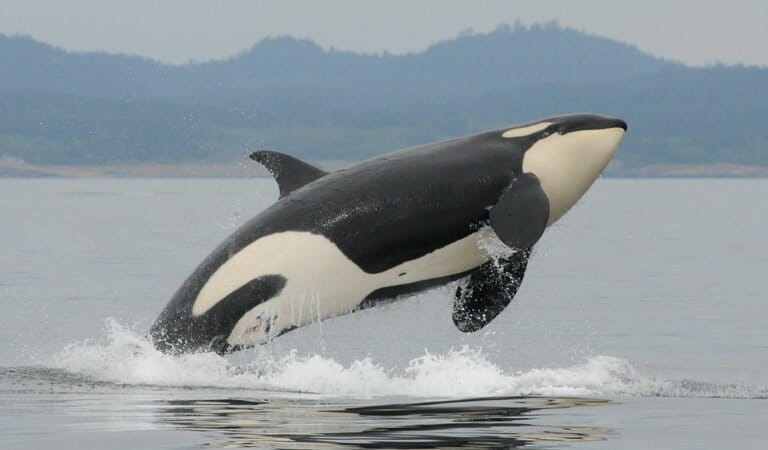
In the summer of 2018, the world watched in a state of collective heartbreak as a tragedy unfolded in the Salish Sea, off the coast of the Pacific Northwest. Tahlequah, an orca known to researchers as J35, a member of the critically endangered Southern Resident killer whale population, gave birth to a calf that died within minutes. For the next 17 days, Tahlequah refused to let go. She carried the lifeless body of her calf across more than 1,600 kilometers of ocean, a grueling display of maternal grief that resonated across the globe.
Her journey became more than just a biological anomaly; it transformed into a powerful symbol of the precarious existence of the Southern Resident orcas. As we observe World Orca Day each year on July 14, the story of Tahlequah serves as a grim reminder of the fragility of these apex predators and the catastrophic impact of human interference on marine ecosystems.
The Precarious State of the Southern Residents: A Species on the Brink
The status of the Southern Resident killer whales is not merely a statistical label; it is a declaration of an ecological crisis. According to the latest census data released by the Center for Whale Research in July 2025, the population has dwindled to a mere 74 individuals. To put this into perspective, historical estimates suggest that this population once thrived with more than 200 members before the turn of the 20th century.
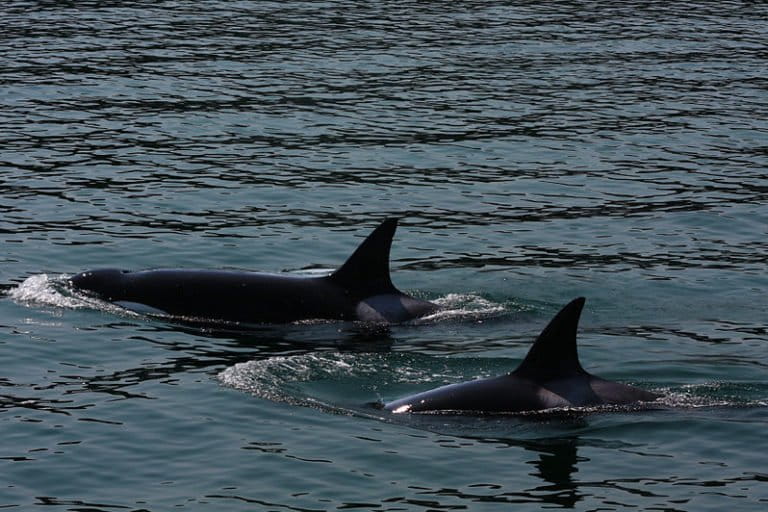
The Southern Residents—comprising three pods, J, K, and L—are currently facing an existential threat. The July 2025 census breakdown paints a sobering picture: 27 whales in J pod, 14 in K pod, and 33 in L pod. These numbers are well below the threshold required for long-term genetic viability and recovery, placing the population in a state of chronic instability. Scientists have long warned that without immediate, large-scale intervention, the Southern Residents could face extinction within our lifetime.
The Chronology of a Crisis: From Bounty to Scarcity
The decline of the Southern Residents is a story written over decades. In the mid-20th century, these animals were subjected to captures for the aquarium trade, which significantly thinned their ranks. However, the modern threat is far more insidious: it is a battle for resources.
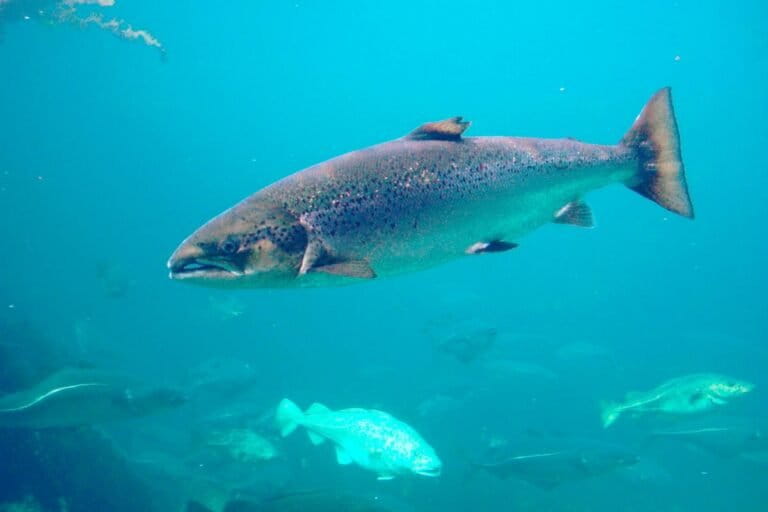
The primary driver of this decline is the collapse of the Chinook salmon (Oncorhynchus tshawytscha) population. Chinook salmon are the cultural and nutritional cornerstone of the Southern Residents’ diet. Their decline is tied to a trifecta of human-driven factors: the proliferation of dams that block migration routes, the degradation of river spawning habitats, and the shifting oceanic conditions caused by climate change.
When Tahlequah carried her dead calf in 2018, she was not merely grieving; she was starving. Studies have shown that reproductive failure in this population is tightly correlated with low salmon abundance. When female orcas do not consume enough calories, their bodies cannot sustain the energy-intensive process of gestation and lactation, leading to miscarriages and high infant mortality rates.
Cultural Complexity: Dialects and the Wisdom of Matriarchs
To understand the Southern Residents is to understand a culture as complex as our own. Orcas are not merely biological machines; they are highly intelligent, social beings with distinct cultural identities. Research pioneered by John Ford and Graeme Ellis in the late 1970s revealed that orca pods possess unique "dialects"—a set of 7 to 17 distinct vocalizations passed down from mother to calf.
These dialects are not inherited genetically; they are learned. Just as human children acquire language through social interaction, young orcas learn the specific calls of their pod. This makes each pod a repository of unique knowledge.
Perhaps more fascinating is the role of the "grandmother" orca. Research led by Dr. Stuart Nattrass of the University of York, published in 2019, underscored the vital role that post-reproductive females play in the survival of the pod. In the harsh reality of the Pacific Northwest, where salmon stocks are notoriously unpredictable, these elder females serve as repositories of ecological memory. They lead the group to prime hunting grounds and share their catch with the younger generations. The loss of these elder females, often caused by the same environmental stressors that threaten the calves, leaves the entire pod vulnerable, effectively "erasing" generations of survival strategy.
The Invisible Enemies: Chemicals, Noise, and Climate
Beyond the lack of food, the Southern Residents are fighting an invisible war against modern industrialization. Orcas are long-lived animals, which allows them to accumulate high levels of persistent organic pollutants (POPs) in their blubber over time. These chemicals, such as PCBs, suppress the immune system and interfere with reproductive hormones, creating a cycle of toxicity that is passed from mother to calf during nursing.
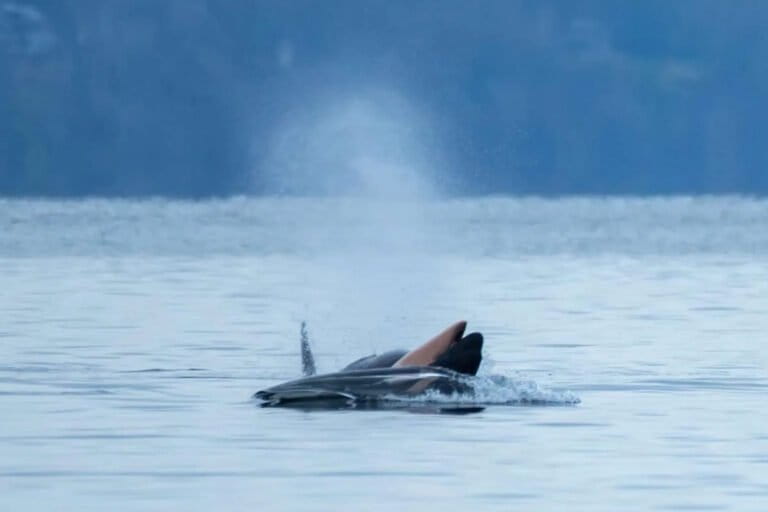
Furthermore, the Salish Sea is a bustling maritime corridor. The constant drone of shipping traffic creates a wall of noise that interferes with the orcas’ echolocation. Because these whales rely on sound to hunt for salmon in the murky, deep waters, excessive noise pollution effectively "blinds" them. If a whale cannot locate its prey, it cannot eat; if it cannot eat, it cannot reproduce. This combination of toxic bioaccumulation, acoustic interference, and climate-induced prey instability creates a "perfect storm" that the Southern Residents are currently failing to weather.
Official Responses and the Path Forward
The gravity of the situation has not gone unnoticed by federal and regional authorities, though critics argue that the response has been agonizingly slow. In both the United States and Canada, recovery plans have been drafted, focusing on three pillars: increasing Chinook salmon abundance, reducing acoustic disturbance from vessels, and cleaning up legacy contaminants in the water.
However, the efficacy of these measures is often debated. Efforts to remove dams on the Snake River have faced intense political and economic opposition. Similarly, restrictions on whale-watching vessels and commercial shipping lanes are often met with industry pushback. The Center for Whale Research continues to advocate for a more aggressive approach, emphasizing that the current rate of mortality is outpacing the rate of legislative change.
The plight of the Southern Residents has also ignited a movement for "nature rights." Advocates are increasingly pushing for the legal recognition of orcas as sentient beings with rights to their habitat, rather than mere resources to be managed. This shift in perspective could be the necessary catalyst to move beyond minor policy tweaks and toward the radical restoration of the salmon-bearing rivers that these whales rely on.
Implications: A Mirror to Our Own Future
Why should we care about the fate of 74 whales? The answer lies in the role of the orca as an apex predator. As the top of the food chain, orcas act as the "canary in the coal mine" for the health of the global ocean. When the orcas suffer, it is a sign that the entire marine food web is unraveling.
If we cannot protect the Southern Residents, we are admitting a failure to manage the ecosystems upon which we, too, depend. The story of Tahlequah is a mirror held up to humanity. Her grief was a profound, visceral communication of loss—a message that, if ignored, signals the collapse of the wild places that sustain us.
As we move toward the future, the survival of the Southern Residents will depend on whether we can move beyond the "tragedy of the commons." We have the science to understand what they need: clean water, quiet oceans, and an abundance of salmon. What remains to be seen is whether we have the political and collective will to provide it. The 74 remaining individuals are not just statistics; they are the last of a legacy, and their silence would be a definitive indictment of our failure to act as stewards of the natural world.