Geely’s Bold Gambit: Why the Chinese Auto Giant is Challenging Japan’s Dominance in Indonesia’s SUV Market
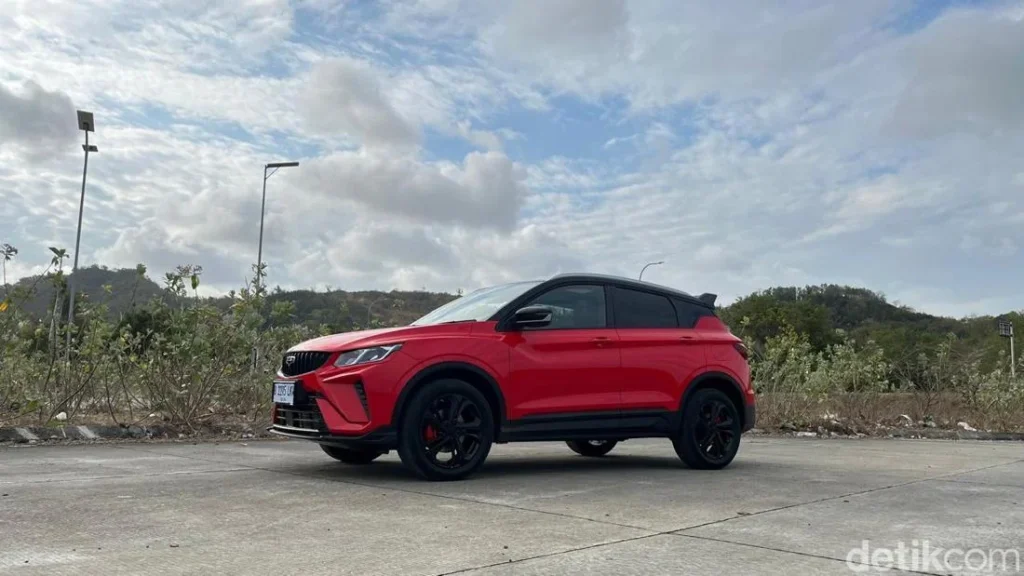
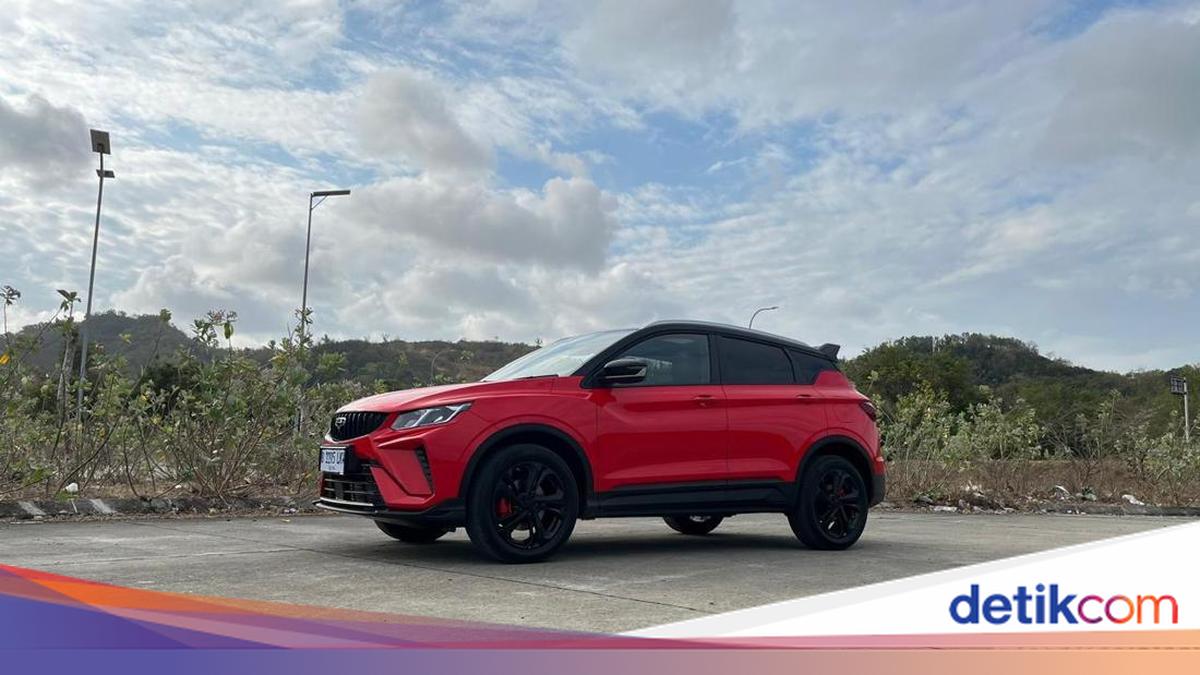
Jakarta – In a move that has sent ripples of intrigue through the Indonesian automotive industry, Chinese automotive powerhouse Geely has officially announced its intention to penetrate the highly competitive B-Segment SUV market with the introduction of its internal combustion engine (ICE) vehicle, the Geely Coolray.
For years, the Indonesian low-SUV landscape has been a fortress guarded by Japanese stalwarts such as Toyota, Daihatsu, and Suzuki. By choosing to launch a gasoline-powered vehicle rather than an electric one, Geely is making a calculated bet on a segment that remains the heartbeat of Indonesian consumer preference. This decision invites a critical question: What is the strategic rationale behind Geely’s bold decision to challenge the established status quo?
The Strategic Landscape: Carving a Niche in a Saturated Market
The B-Segment SUV market in Indonesia is not merely a competitive space; it is the most significant battleground for automotive manufacturers. It is a segment defined by consumer demand for versatility, elevated ground clearance, and a commanding driving position—all of which align with the unique road conditions and lifestyle preferences of the Indonesian market.
Constantinus Herlijoso, Sales and Channel Development Director at Geely Auto Indonesia, acknowledges the formidable presence of Japanese and Korean incumbents. However, he maintains that Geely’s entry is not a reckless gamble, but a measured step toward brand integration and technological showcase.
"We recognize that the B-Segment SUV is the largest market in Indonesia right now. Consumers here gravitate toward these vehicles because they offer a higher ground clearance and a more commanding sitting position," Herlijoso explained during a media gathering in Mandalika, Lombok.
He emphasizes that Geely’s strategy is built on the reality that the development of ICE technology is far from stagnant. Despite the global push for electrification, Geely continues to invest heavily in combustion efficiency, including advancements in methanol-powered engines that could potentially be integrated into future iterations of their lineup.
Chronology and The Road to GIIAS 2026
The journey of Geely Coolray into the Indonesian market is one of methodical planning. While the brand has been recognized globally for its rapid ascent and its strategic partnerships with legendary marques like Volvo and Lotus, its presence in Indonesia has been relatively quiet—until now.
- Initial Market Assessment (2024-2025): Geely conducted extensive research on the Indonesian B-Segment, identifying a gap for high-performance, tech-laden urban SUVs.
- The "Coolray" Decision: Rather than leading with its electric vehicle (EV) portfolio, Geely chose to introduce the Coolray as its first non-electric model to build brand trust through familiar, high-performance internal combustion technology.
- Strategic Showcase (Current Phase): The vehicle is being introduced to key media and stakeholders to build anticipation ahead of its commercial launch.
- The Big Reveal (2026): Geely has earmarked the Gaikindo Indonesia International Auto Show (GIIAS) 2026 as the official launch platform. It is here that the pricing—expected to hover in the Rp 200 million range—will be confirmed, positioning the vehicle as a highly competitive disruptor.
Supporting Data: Why the Coolray Stands Out
Geely is not merely selling a car; they are selling a performance package. The Coolray, specifically the flagship variant being brought to Indonesia, represents the pinnacle of Geely’s compact SUV engineering.
Design and Dimensions
The vehicle boasts a striking aesthetic that leans heavily into the "racing" vernacular. With a length of 4,380 mm, a width of 1,795 mm, and a height of 1,608 mm, the Coolray is sized perfectly for the dense, complex urban traffic of Jakarta. The inclusion of a rear spoiler emblazoned with an ‘S’ and high-visibility red brake calipers provides a visual signature that sets it apart from the often utilitarian designs of its competitors. Inside, the semi-bucket seats provide a cocoon-like driving experience that emphasizes sportiness.
Powertrain Performance
Under the hood, the Coolray is powered by a 1.5 L Turbocharged engine. The numbers are impressive for its class: 174 PS of power and 290 Nm of torque. This output is managed by a 7-speed automatic transmission, propelling the SUV to a claimed top speed of 200 km/h. This is a clear signal to the market that Geely is targeting the segment of consumers who value driving dynamics over mere fuel efficiency.
Official Responses: Managing Expectations
When pressed on market share targets, Herlijoso remains remarkably composed and grounded. He admits that Geely is not entering Indonesia with an "ambitious" growth-at-all-costs mindset. Instead, the focus is on "market penetration" and "technological familiarity."
"To be honest, we are not overly ambitious with the specific sales figures for the Coolray," Herlijoso stated. "Our primary goal is to reintroduce the Indonesian public to the quality and capability of Geely’s technology. We want consumers to understand that Geely is an automotive company developed from the ground up to be a global engineering powerhouse."
This measured approach is a refreshing departure from the aggressive expansion tactics often seen in the automotive sector. By prioritizing brand equity over short-term sales volume, Geely hopes to cultivate a loyal customer base that values the engineering pedigree that the brand has honed over decades of global competition.
Technological Integration: The "Smart" SUV
In the modern automotive landscape, hardware is only half the battle; software integration is the true differentiator. The Geely Coolray is equipped with a suite of features that directly challenges the tech-savviness of Japanese competitors.
Advanced Driver Assistance Systems (ADAS)
Safety is the cornerstone of the Coolray’s value proposition. The vehicle comes standard with a comprehensive ADAS suite, including:
- Autonomous Safety: Automatic Emergency Braking and Forward Collision Warning.
- Lane Management: Lane Departure Warning and Lane Keeping Assist.
- Driving Convenience: Intelligent High Beam Control, Traffic Jam Assist, and Integrated Cruise Assist.
- Regulatory Support: Traffic Sign Recognition and Speed Limit alerts.
Connectivity and Infotainment
The interior serves as a mobile digital hub. The cabin features an 8.8-inch digital instrument cluster and a massive 14.6-inch touchscreen infotainment display. Full support for Apple CarPlay and Android Auto ensures seamless smartphone integration, while wireless charging pads cater to the needs of the modern, connected professional.
Implications: A New Era for the Indonesian Market
The entry of the Geely Coolray signals a broader shift in the Indonesian automotive hierarchy. For years, the dominance of Japanese brands has been built on a foundation of reliability and an extensive service network. Geely’s entry is a direct challenge to the idea that "reliability" is a monopoly held by legacy brands.
By leveraging its global engineering resources—particularly its experience in platform sharing and engine development—Geely is attempting to shift the conversation from "resale value" to "value for money." If the Coolray manages to secure a foothold in the Rp 200 million segment, it could force other manufacturers to re-evaluate their pricing strategies and feature offerings.
The Challenge Ahead
While the technology and the price point are compelling, Geely faces the hurdle of service network expansion and parts availability. To succeed, the company must prove that it can provide the same level of post-purchase support that Indonesian consumers have come to expect from the Japanese incumbents.
Conclusion
Geely’s decision to launch the Coolray in Indonesia is a bold declaration of intent. It is a move that recognizes the maturity of the Indonesian consumer—a consumer who is increasingly looking for a blend of performance, advanced safety technology, and modern design. As GIIAS 2026 approaches, all eyes will be on whether this Chinese manufacturer can successfully bridge the gap between global ambition and local market reality. If history is any indicator, Geely is not here to participate; they are here to redefine the playing field.