Tensions Escalate in Rempang: The Colliding Visions of "People’s Schools" and Land Sovereignty
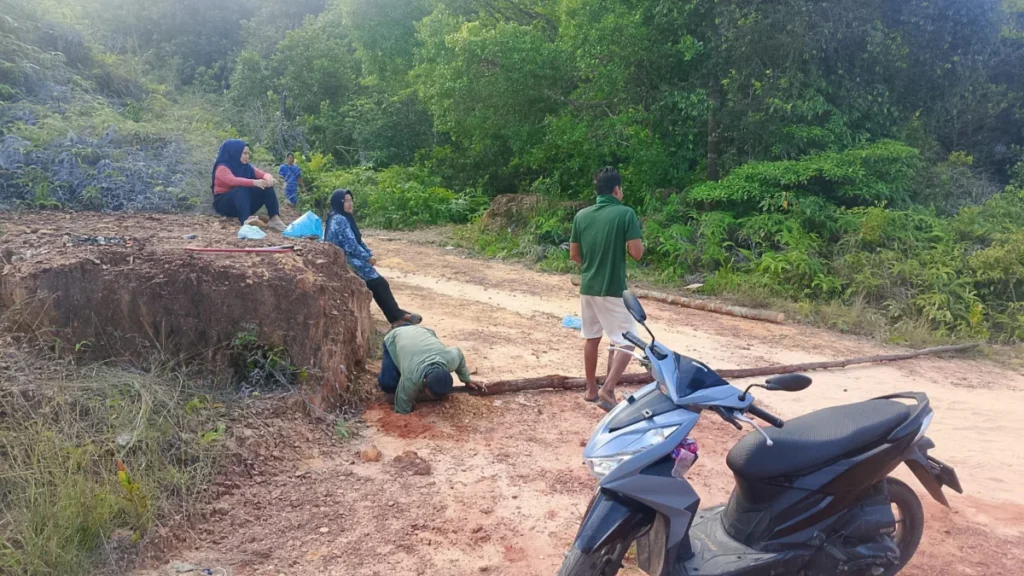
BATAM, RIAU ISLANDS – The coastal village of Pantai Melayu on Rempang Island, Batam, once again became the epicenter of a heated confrontation on Tuesday morning, July 14, 2026. What began as a peaceful morning was shattered by the arrival of security personnel and officials from the Batam Free Zone Authority (BP Batam), who moved to install "Land Management Rights" (HPL) signboards on land currently occupied and cultivated by local residents.
The incident is the latest in a series of volatile disputes surrounding the government’s ambitious "Rempang Eco-City" project and, more recently, the construction of the "Sekolah Rakyat" (People’s School), a flagship initiative championed by the administration of President Prabowo Subianto. For the people of Rempang, however, the school represents not a beacon of education, but an instrument of dispossession.
The Anatomy of the Conflict: A Tuesday Morning Confrontation
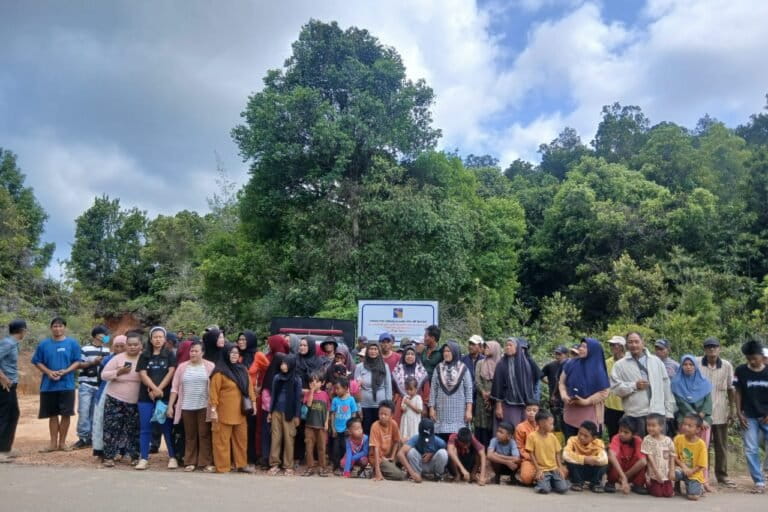
The atmosphere in Pantai Melayu grew tense as residents gathered to prevent BP Batam officials from encroaching on their ancestral and productive lands. Video footage captured during the incident depicts a tense standoff between local villagers and authorities, including Kompol Yudiarta Rustam, the Head of Intelligence and Security (Kasat Intelkam) of the Batam Police.
Despite being in civilian attire, Yudiarta was seen leading efforts to gain access to the village, accompanied by other officers. Residents blocked their path, demanding to know the legal basis for the intrusion. "This is our land; you entered without asking for permission," one woman stated, reflecting the collective frustration of a community that feels perpetually besieged.
The situation escalated when an officer, identified by residents as Yudiarta, climbed onto the hood of a vehicle and shouted at a local woman, "I have no business with you," before driving the vehicle further into the village. This display of force, described by witnesses as both intimidating and dismissive, underscores the deepening chasm between the state and the people of Rempang.
Chronology of a Disputed Territory
The events of July 14 are not an isolated occurrence but rather the climax of months of systematic, unannounced interventions. Since the introduction of the Rempang Eco-City as a National Strategic Project (PSN), residents have documented a recurring pattern of encroachment:
- March 9, 2026: Residents discovered the first signs of survey stakes for the "Sekolah Rakyat" project, placed without prior notification to the community.
- June 9, 2026: A follow-up protest erupted in Pantai Melayu as residents discovered that survey markers had encroached further into private land.
- June 15–16, 2026: The conflict shifted to the "Taman Buru" conservation forest area in Kampung Sei Raya. Residents successfully halted topographical mapping and coordinate-taking activities by BP Batam teams.
- June 20, 2026: Personnel from the Riau Islands Police Special Investigation Directorate (Satreskrimsus) arrived in Kampung Tanjung Lonce to establish coordinates for maritime space utilization, causing renewed distress.
- July 1–2, 2026: Officials from the Watershed Management Agency (BPDAS) and PT PLN were found documenting forest rehabilitation plants on village lands without consulting village elders or local authorities.
According to Miswadi, a board member of the Alliance of Rempang-Galang United Society (Amar-GB), these incidents follow a calculated strategy: "They enter our villages under various pretexts—environmental assessments, infrastructure planning, or educational projects—but they never coordinate with the RT (neighborhood head) or the RW (community head). It is a strategy of psychological exhaustion."
The "Sekolah Rakyat" Controversy: Education as a Tool of Displacement?
The government, represented by BP Batam Head Amsakar Achmad, argues that the 18.5-hectare "Sekolah Rakyat" is a vital infrastructure project for the region. Achmad states that the project is currently in the "land clearing" phase, falling within the legally designated HPL of BP Batam.
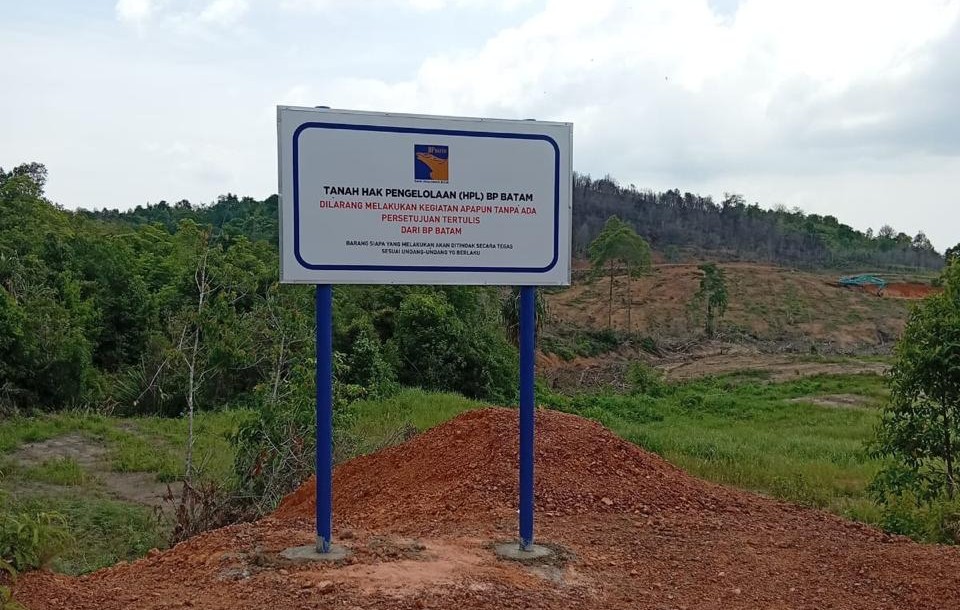
However, the local community views these claims with deep skepticism. Of the 18.5 hectares allocated for the school, 12 hectares were previously held by a private entity, Hanjaya (also known as Acai), who is currently embroiled in a legal battle regarding the illegal occupation of 303.05 hectares of the Rempang Taman Buru conservation forest. The remaining 6.5 hectares—the core of the current dispute—are lands that have been managed by local families for generations.
"We do not reject development," says Gerisman Ahmad, a prominent local leader. "We support initiatives that benefit the public. But our condition is simple: do not displace our homes. We have placed our own boundary markers to show where our land ends, yet BP Batam continues to ignore these markers, effectively seizing our land."
Kamsiah, the head of the local RT in Pantai Melayu, added that the constant presence of security forces has eroded the community’s sense of safety. "We have had no peace since this school project was announced. We are constantly intimidated and threatened by the presence of these officers."
Official Stance and The Silence of Accountability
As of the time of reporting, the response from official channels has been notably sparse. AKP Budi Santosa, the spokesperson for the Barelang Police, has not yet responded to requests for comment. Similarly, Ariastuty Sirait, the Deputy for Public Services at BP Batam, remained silent when approached for confirmation regarding the escalation of tensions.
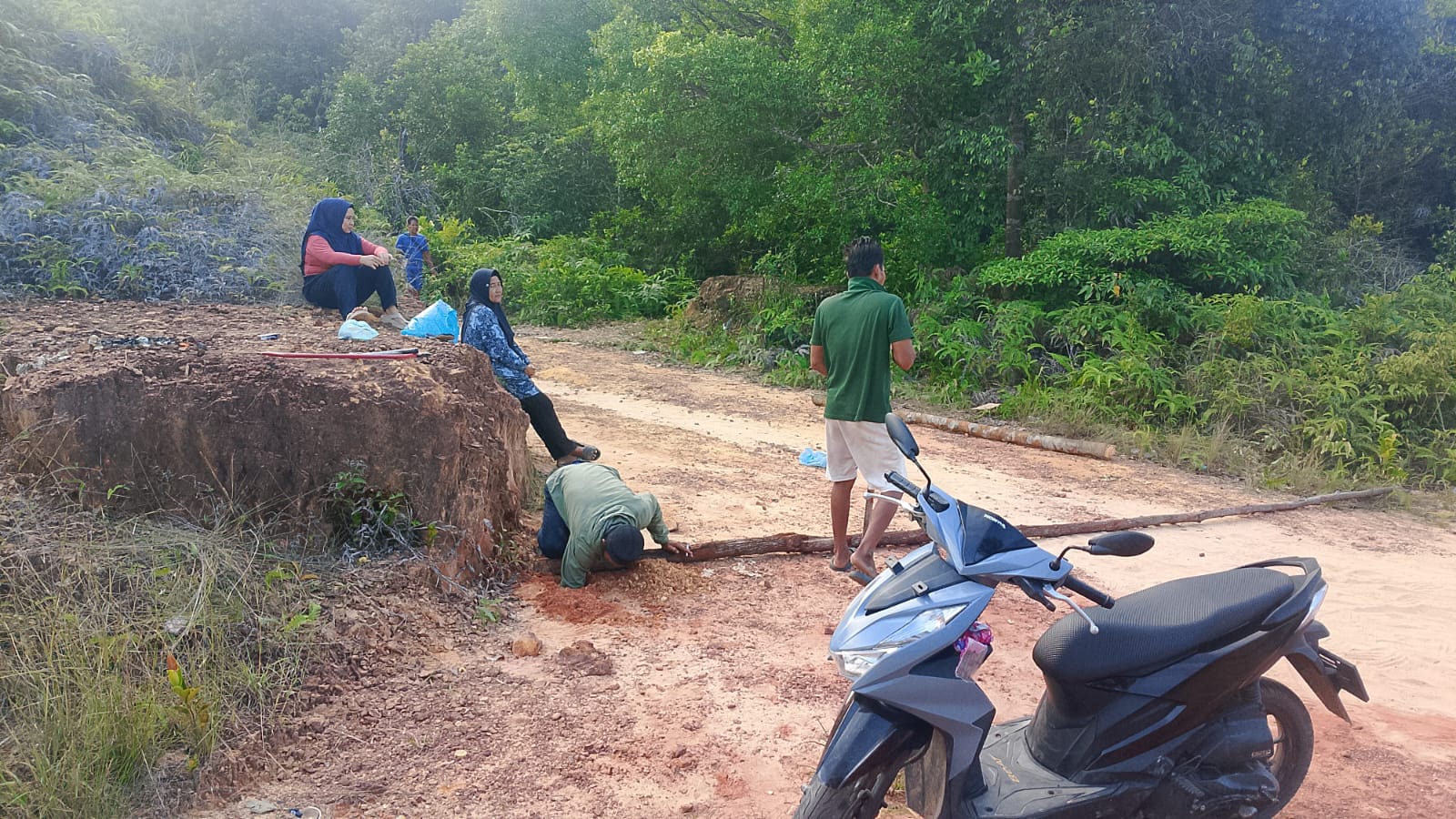
The lack of transparency from the authorities has only served to fuel local resentment. By failing to engage in meaningful dialogue, BP Batam is perceived by the community as operating with impunity, utilizing state resources to facilitate land acquisition for corporate or state interests under the guise of public welfare.
Implications: A Crisis of Governance and Ethics
The situation in Rempang has drawn sharp criticism from national advocacy groups and academic circles. Rina Mardiana, of the Indonesian Caucus for Academic Freedom (KIKA), argues that the incident highlights a fundamental failure in governance.
"The installation of signs, the pouring of concrete for pillars, and the surreptitious surveying are forms of coercive communication, not scientific or developmental ones," Mardiana asserts. She emphasizes that using education as a justification for land seizure is an ethical contradiction. "An institution that is supposed to foster reasoning and freedom of thought should not be built on the foundation of fear and the deprivation of living space. A school built upon the violation of human rights will only instill the wrong values in the next generation."
Furthermore, legal and environmental experts suggest that the "Sekolah Rakyat" may simply be a strategic instrument for the broader Rempang Eco-City project. Eko Yunanda, Executive Director of Walhi Riau, believes the school is a facade. "The government must immediately revoke the PSN status of the Rempang Eco-City and provide formal recognition of the community’s land rights. These ‘people’s projects’ are being used as a Trojan horse to clear land that was otherwise resistant to corporate takeover."
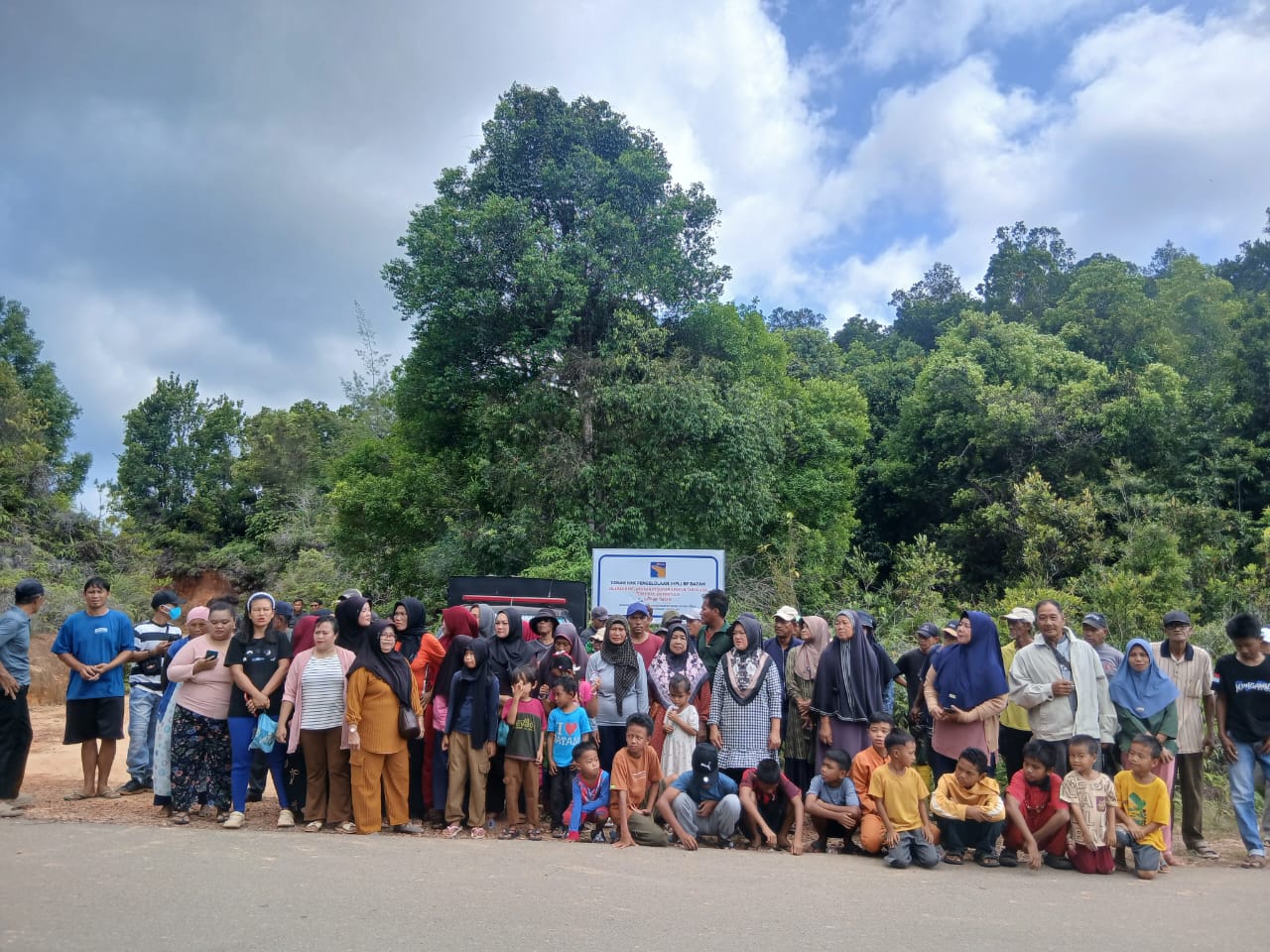
LBH Pekanbaru’s Wira Ananda echoed these sentiments, noting that BP Batam’s failure to include the community as a "meaningful participant" violates the basic tenets of democratic development. "The head of BP Batam, who is also the ex officio Mayor of Batam, must learn to listen to the people. Instead of sending police and security guards, they should be sending negotiators to resolve the dispute through fair, transparent, and legal means."
Conclusion: A Community Demands Sovereignty
As the sun set over Pantai Melayu on July 14, the tension remained palpable. The residents of Rempang continue to stand their ground, not as "troublemakers" as some officials have characterized them, but as citizens defending their right to occupy their ancestral homes.
The Solidarity Team, representing various civil society organizations, has issued a stark warning: the "Sekolah Rakyat" policy, wrapped in the protective status of a National Strategic Project, has become the latest instrument for forced evictions. Unless the government shifts from a top-down, militaristic approach to one of genuine, equal, and participatory dialogue, the cycle of conflict in Rempang is unlikely to end.
For the people of Rempang, the message remains consistent: "We have our own homes. Do not enter the house of another without permission." As the state continues to push forward, the cost of this development—measured not in hectares, but in the trust of the citizenry—continues to rise, threatening the very social fabric that the government claims it seeks to improve.