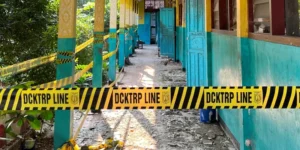
Security in Papua: Parliamentary Call for Strategic Reform and Civilian Protection
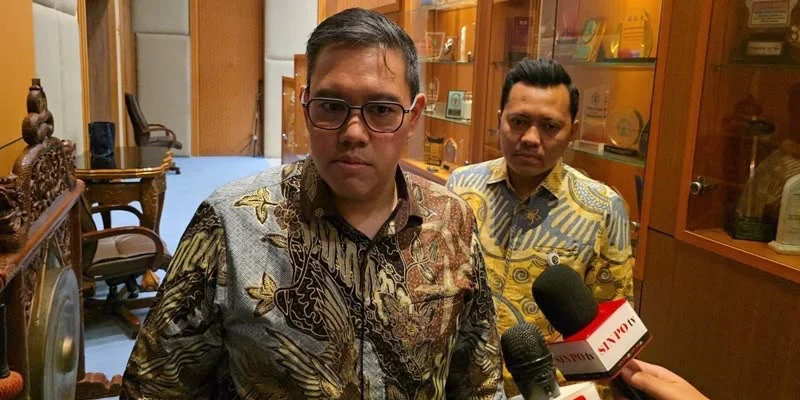
JAKARTA – The volatile security landscape in Papua remains a focal point of national concern as policymakers call for a fundamental shift in how the state addresses the ongoing conflict. Following recent developments, the Indonesian House of Representatives (DPR RI) has demanded a comprehensive overhaul of security protocols, emphasizing that the protection of civilians must be the ultimate metric of success in the region.
On Friday, July 3, 2026, the Deputy Chairman of Commission I of the DPR RI, Dave Laksono, delivered a stern assessment of the situation, urging a transition from reactive security measures to a sustainable, preventive, and human-rights-centric strategy.
The Core Mandate: Human Security Above All
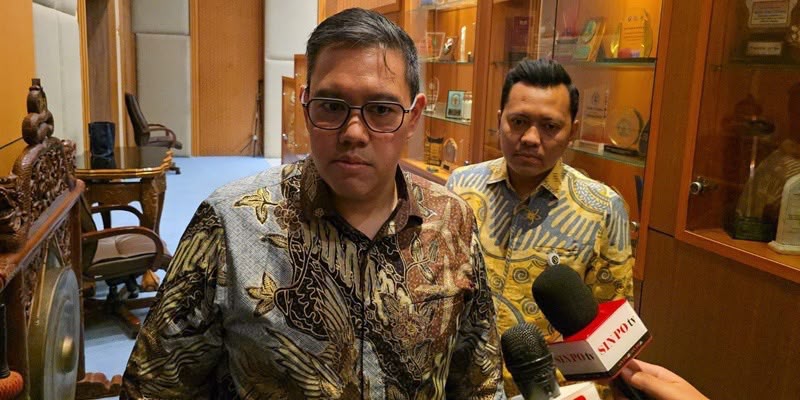
“This incident underscores that the threat to public safety remains palpable and demands serious, unwavering attention from the state,” Dave Laksono stated. As a legislator from the Golkar Party, Laksono has been a vocal proponent of recalibrating the state’s approach to Papua. His remarks highlight a growing consensus within the Indonesian legislature that the traditional "security-only" approach is insufficient for the complex socio-political reality of the region.
The core of the parliamentary argument is that military and police operations in Papua cannot be conducted in a vacuum. Instead, they must be integrated into a broader framework that prioritizes the lives and livelihoods of the local population. According to the Commission I leadership, the goal is to shift the narrative from merely "neutralizing threats" to "protecting the civilian population," which requires a more sophisticated, intelligence-led, and community-engaged approach.
Chronology and Context: The Long Road to Stability
The security situation in Papua has been marked by sporadic, yet intense, cycles of violence involving various armed groups, local factions, and state security forces. While the article references specific recent events, the broader context is rooted in decades of territorial, political, and economic friction.
The Evolution of the Conflict
Historically, the region has seen shifts in security policies, ranging from the implementation of Special Autonomy (Otsus) laws to the deployment of Task Forces (Satgas). However, the persistence of armed conflict indicates that policy implementation has often struggled to reach the grass-roots level.
Recent years have seen an escalation in asymmetric warfare tactics, forcing state security apparatuses—specifically the TNI (Indonesian National Armed Forces) and Polri (Indonesian National Police)—to adapt rapidly. The challenge, as identified by the DPR, is that these adaptations have occasionally resulted in collateral impacts on civilian safety, leading to a breakdown of trust between the local populace and the state.
Supporting Data: Moving Beyond Troop Deployment
One of the most significant points raised by Dave Laksono is the misconception that "security" is synonymous with "troop numbers."
The Fallacy of Militarization
Data from security analysts suggests that simply flooding a region with personnel does not necessarily lead to stability if there is no corresponding improvement in intelligence, coordination, and community relations.
- Intelligence-Led Security: The DPR is advocating for a shift toward "measured" security, where actions are informed by precise mapping of risks rather than broad sweeps.
- Institutional Synergy: There is a critical need for the TNI and Polri to synchronize their operational intelligence. In the past, jurisdictional overlaps or lack of communication between branches have hampered efforts to secure remote areas.
- Local Government Integration: Security is not solely a central government issue. The involvement of local administrations and traditional community leaders (Tokoh Masyarakat) is essential to de-escalate tensions before they turn violent.
Official Responses and Strategic Recommendations
The response from Commission I is not merely a critique but a roadmap for reform. The parliamentary body has outlined several pillars for a new security doctrine in Papua.
1. The Humanist Approach
Laksono emphasized that security forces must operate within the strict "corridor of the law." This means that every action taken must be justifiable under both Indonesian criminal law and international human rights standards. The "humanist" approach involves engaging the community as partners in security rather than viewing the civilian population through a lens of suspicion.
2. Comprehensive Evaluation
Commission I has committed to a thorough evaluation of existing security patterns. This will include:
- Preventive Measures: Moving away from responding to incidents after they happen and toward anticipating potential flashpoints through proactive community engagement.
- Sustained Presence: Moving away from short-term operations to a long-term presence that provides stability, education, and economic security for the local population.
3. Strengthening Public Trust
Trust is the most critical currency in Papua. The DPR believes that by demonstrating a commitment to the protection of human rights and the safety of the civilians, the state can begin to bridge the trust gap. "We believe that through synergy between the TNI, Polri, regional governments, and the community, public safety can be restored, simultaneously strengthening public confidence in the state," Laksono added.
Implications: The Path Forward
The call for reform from the DPR carries significant implications for both national and regional governance.
Legislative Oversight
By declaring that they will "continue to oversee security policies," the DPR is signaling that the era of "blank check" security operations is ending. Future military and police deployments will likely face stricter parliamentary scrutiny, with budget allocations potentially tied to benchmarks regarding civilian safety and human rights compliance.
The Role of Regional Stakeholders
The emphasis on involving local governments and community leaders marks a recognition that the security crisis in Papua cannot be solved in Jakarta. Empowering local leaders to facilitate dialogue or act as mediators is seen as a crucial step in preventing minor disputes from escalating into armed conflict.

Human Rights as a Policy Pillar
Perhaps the most significant implication is the explicit tying of security efficacy to human rights. By positioning the protection of human rights as a requirement for national security, the Indonesian state is acknowledging that legitimacy is derived from the protection of its citizens. If the state fails to protect its people, its security policies are, by definition, failing.
Conclusion: A Call for Unified Action
The situation in Papua remains one of Indonesia’s most complex national challenges. As the country moves into the latter half of the decade, the demand for a more nuanced, strategic, and empathetic approach to security has become louder than ever.
The statement by the Deputy Chairman of Commission I serves as a directive for a multi-stakeholder approach. It acknowledges that the military and police are not the only actors in the theater of peace. Without the support of the regional government, the buy-in of the local community, and a strict adherence to legal and human rights frameworks, the cycle of violence will continue.
As the government evaluates its next steps, the message from the legislature is clear: the state must be a protector, a partner, and a pillar of stability. Anything less will not suffice. The commitment to "continuously guard security policies so that they are always aligned with the protection of civilians" will be the benchmark by which the success of these reforms is measured in the coming years.
The path to a stable Papua is arduous, but it is one that can be navigated through the synergy of all stakeholders. The state’s readiness to adapt, listen, and act with restraint will ultimately determine the future of the region—not just in terms of security, but in terms of the strength of Indonesia’s democratic foundations.
Disclaimer: This article is based on the official statement provided by the Deputy Chairman of Commission I of the DPR RI, Dave Laksono, as of July 3, 2026. Further developments in this policy will be subject to ongoing legislative review and executive implementation.